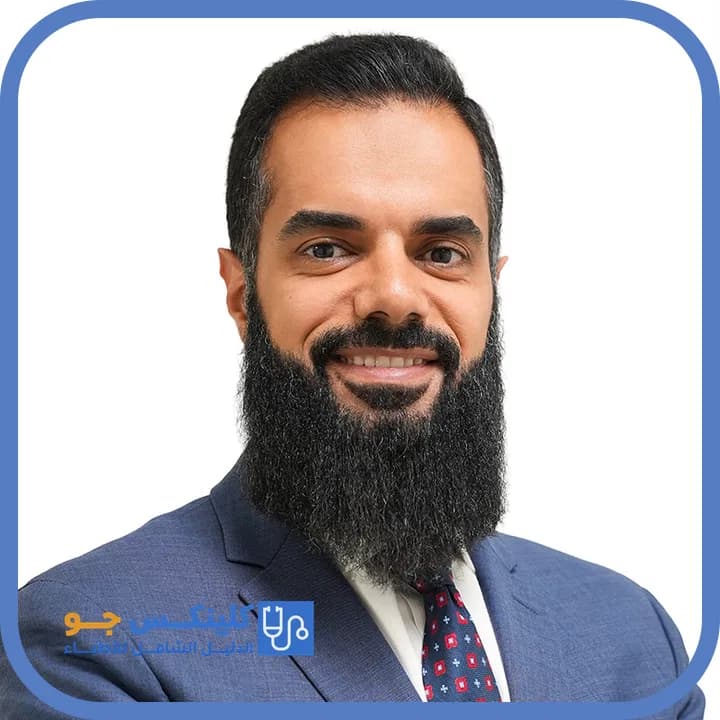
Dr Laith Maali is a neurologist with a focus on stroke medicine. He holds American board certification in neurology and trained in the United States. His experi…

Post Stroke Neurology Therapy Doctors in Jordan
علاج الأعصاب بعد السكتة الدماغية
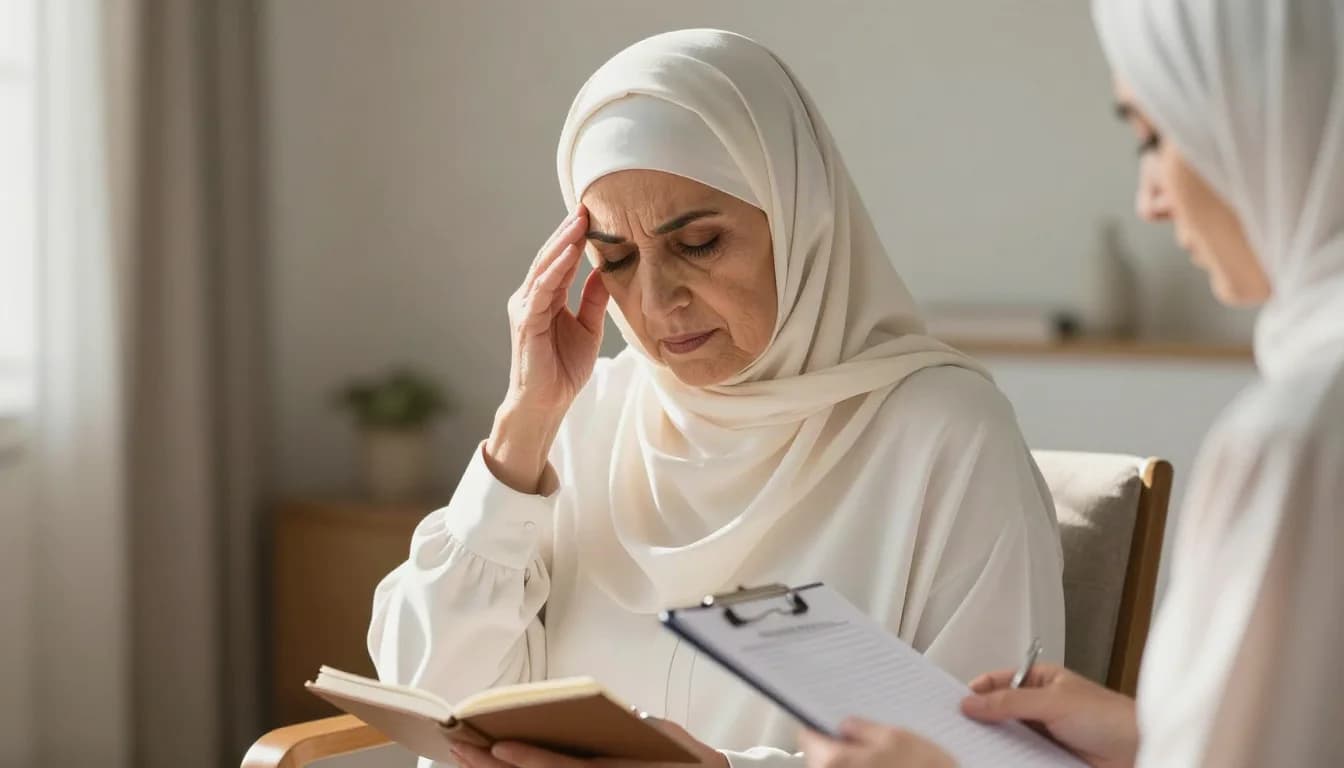
Post-stroke neurological care is a combined medical and rehabilitation programme that begins once the acute phase has stabilised. It has three aims: to recover as much function as possible by helping the brain reorganise its pathways, to prevent a second stroke, and to control post-stroke complications before they lock disability in place. This stage is not a period of waiting for improvement; it is structured daily work.
Assessment covers motor weakness and balance, sensation, speech and comprehension, swallowing, vision and attention to the affected side, memory and planning, mood and bladder control, together with a review of the cause of the stroke — artery, heart, atrial fibrillation or clotting disorder — because the cause dictates prevention. Specific functional goals are set, such as standing, transferring from bed, eating safely, dressing and returning to work, rather than vague aspirations.
The team is multidisciplinary: physiotherapy for strength, balance and walking; occupational therapy for hand independence and daily living tasks; speech and swallowing therapy; nursing for skin and bladder care; and psychological support, because post-stroke depression is common, treatable, and directly affects rehabilitation outcomes. Complications are addressed promptly: spasticity with stretching, splinting and targeted injections where indicated; painful hemiplegic shoulder with positioning and support; neuropathic pain with appropriate medication; and swallowing difficulty with modified food textures to prevent aspiration pneumonia.
Secondary prevention is part of the treatment rather than an add-on: control of blood pressure, glucose and lipids, smoking cessation, taking anticoagulant or antiplatelet medication exactly as prescribed, treating atrial fibrillation and sleep apnoea, and graded physical activity. Stopping these medicines without advice is among the commonest reasons a stroke recurs.
The honest limits: rehabilitation cannot revive brain tissue that has died, no full recovery can be promised, and the extent of improvement varies widely with the size and site of the injury, age and other illnesses. Response is usually strongest in the early months, though functional gains can continue afterwards with training. No drug, injection or supplement that claims to activate the brain replaces repeated practice; the real dose is regular repetition. Correcting a common myth: keeping the patient still in bed until they recover causes harm, including joint stiffness, spasticity, pressure sores and venous clots. Suitability for each programme is decided by clinical assessment, not by comparison with someone else.

Procedure steps
- 1
Comprehensive neurological and functional assessment
Motor weakness, balance and sensation are measured, and speech, comprehension, swallowing, vision, attention to the affected side, memory and mood are tested. Brain imaging, the cause of the stroke, medications and comorbidities are reviewed. Current independence is scored on functional scales to serve as a baseline for comparison.
- 2
An intensive multidisciplinary rehabilitation plan
A plan is built around short-term functional goals with a schedule of physiotherapy, occupational and speech therapy sessions as needed, plus daily home exercises supervised by the family. Repetition is emphasised, along with using the affected limb rather than compensating with the sound side; mobility aids and splints are prescribed and the home is adapted for safety.
- 3
Controlling post-stroke complications
Spasticity is managed with stretching, positioning, splinting and targeted injections where indicated; the paralysed shoulder is protected with support and correct positioning; and neuropathic pain and poor sleep are treated. Swallowing is managed by modifying food and fluid textures to prevent aspiration, bladder, bowel and skin are monitored to prevent sores, and post-stroke seizures are assessed.
- 4
Rigorous secondary prevention
Blood pressure is controlled with regular home measurement, glucose and lipids are managed, anticoagulant or antiplatelet therapy is taken exactly as prescribed, and atrial fibrillation and sleep apnoea are treated. Smoking cessation, salt reduction and graded activity are part of the plan, with carotid and cardiac investigation where indicated.
- 5
Reintegration into life and follow-up
Return to work, study and driving is decided medically rather than by preference, and relatives are trained to assist without the kind of over-help that erodes independence. Post-stroke depression and anxiety are treated, family and sexual life are discussed frankly, and regular neurology follow-up is scheduled to review medication, goals and the plan.
Before the procedure
Bring the hospital discharge summary and the brain imaging on a disc rather than the reports alone, plus cardiac reports, ECGs and any carotid study, and a complete list of medicines and doses as they are actually being taken. Bring a week of home blood pressure and glucose readings, and note the day and time symptoms began in the original stroke if known. Write a practical list of what the patient cannot currently do — standing, using the bathroom, eating, speaking — because these become the goals. Wear loose clothing and firm closed shoes for the session, bring any splint, cane or walker in use, bring a companion who will take part in the training, and tell the team about any coughing or choking during eating or drinking.
After the procedure
Do the home exercises every day, because they are the core of improvement; encourage use of the affected limb instead of relying on the sound side, and split practice into short, frequent blocks rather than one exhausting session. Never stop a preventive medicine — anticoagulant, antiplatelet or antihypertensive — on your own, and measure and record blood pressure regularly. Follow the recommended food and fluid textures, keep the patient upright during and after meals, care for the skin and change position to prevent pressure sores, and move the legs to reduce clot risk. Call emergency services immediately if any stroke sign returns: sudden weakness of face, arm or leg, slurred speech or inability to understand, facial droop, loss of vision or sudden severe vertigo — time is brain, so do not wait for it to pass. Seek urgent review for a seizure, fever with cough or breathlessness, swelling and pain in one leg, deteriorating consciousness or sudden severe headache, or a sudden loss of an ability the patient had regained.
Expected duration
The assessment visit usually takes 45 to 60 minutes; rehabilitation sessions typically run three to five times a week for weeks to months, with neurology review every 4 to 12 weeks.
Doctors who provide Post Stroke Neurology Therapy
Dr Mohammad Qasaimeh practices neurology in Al-Husn, Irbid. The current medical network identifies him as a neurology specialist at Irbid Consultative Medical C…
Adnan Al-Masri practises neurology in Irbid at Elite NeuroClinic. The practice reception coordinates appointment times and the requested consultation; confirm t…
At Istiklal Hospital in Amman, Dr Mohammad Iyad Al Zoraiqi focuses on neurology and epilepsy. He holds German board certification in neurology and a fellowship …
Ahmad Sheikh Qasem is a consultant in neurology and neurophysiological assessment with a Jordanian neurology board certification. His Al Mutanabbi Street clinic…
Finding Post Stroke Neurology Therapy services in Jordan
Which doctors are listed for Post Stroke Neurology Therapy in Jordan?
There are currently 5 doctor profiles linked to Post Stroke Neurology Therapy on ClinicsJo. Review the listed services and contact the practice to confirm availability with the doctor and branch you choose.
How can I find an appointment for Post Stroke Neurology Therapy?
Start with an available doctor's profile and use the contact or booking options shown there. Confirm the service, practice location and appointment time with the clinic. If this list is empty, broaden your search using the directory links on this page.
What does Post Stroke Neurology Therapy cost in Jordan?
Ask the practice for the current price and what it includes. A consultation fee shown on a profile is not necessarily the price of a procedure, tests or follow-up. Confirm any additional charges and insurance arrangements before your visit.
How much does Post Stroke Neurology Therapy cost in Jordan?
No clinic on ClinicsJo has published a price for Post Stroke Neurology Therapy yet, so we do not quote an estimated figure. What is published is the consultation fee: 17–30 JOD (profiles: 10). The doctor sets the treatment price after assessing your case.
What clinics and doctors have published on ClinicsJo
- Published consultation fee — Majdi Abu Oweideh: 17 JOD consultation fee.
- Published consultation fee — Feras Mohammad Amin DAifallah Rawagah: 25 JOD consultation fee.
- Published consultation fee — Alaa Abdul Rahman Al Mousa: 30 JOD consultation fee.
- Published consultation fee — Mazen Samaha: 30 JOD consultation fee.
- Published consultation fee — Ahmad Sheikh Qasem: 30 JOD consultation fee.
Other doctor profiles with a published fee: 5.
What sets the price of Post Stroke Neurology Therapy?
- The consultation fee and follow-up visits
- Tests and investigations needed
- The chosen treatment approach and its duration
- Medicines or supplies
- Insurance coverage and your share of the cost
Expected duration (from the procedure guide): The assessment visit usually takes 45 to 60 minutes; rehabilitation sessions typically run three to five times a week for weeks to months, with neurology review every 4 to 12 weeks.
How to ask about the price
Before booking, ask the clinic for the all-inclusive price and what it covers, any extra tests or scans, how many follow-up visits are included, the payment options, and whether your insurance is accepted. You can reach them through the contact details on the doctor and clinic profiles on this page.
The figures above were published by the clinics and doctors themselves on ClinicsJo and may change. We do not estimate prices. Confirm the all-inclusive price with the clinic before booking. Offers on ClinicsJo