Dr. Ahmad Najeh Amer Clinic
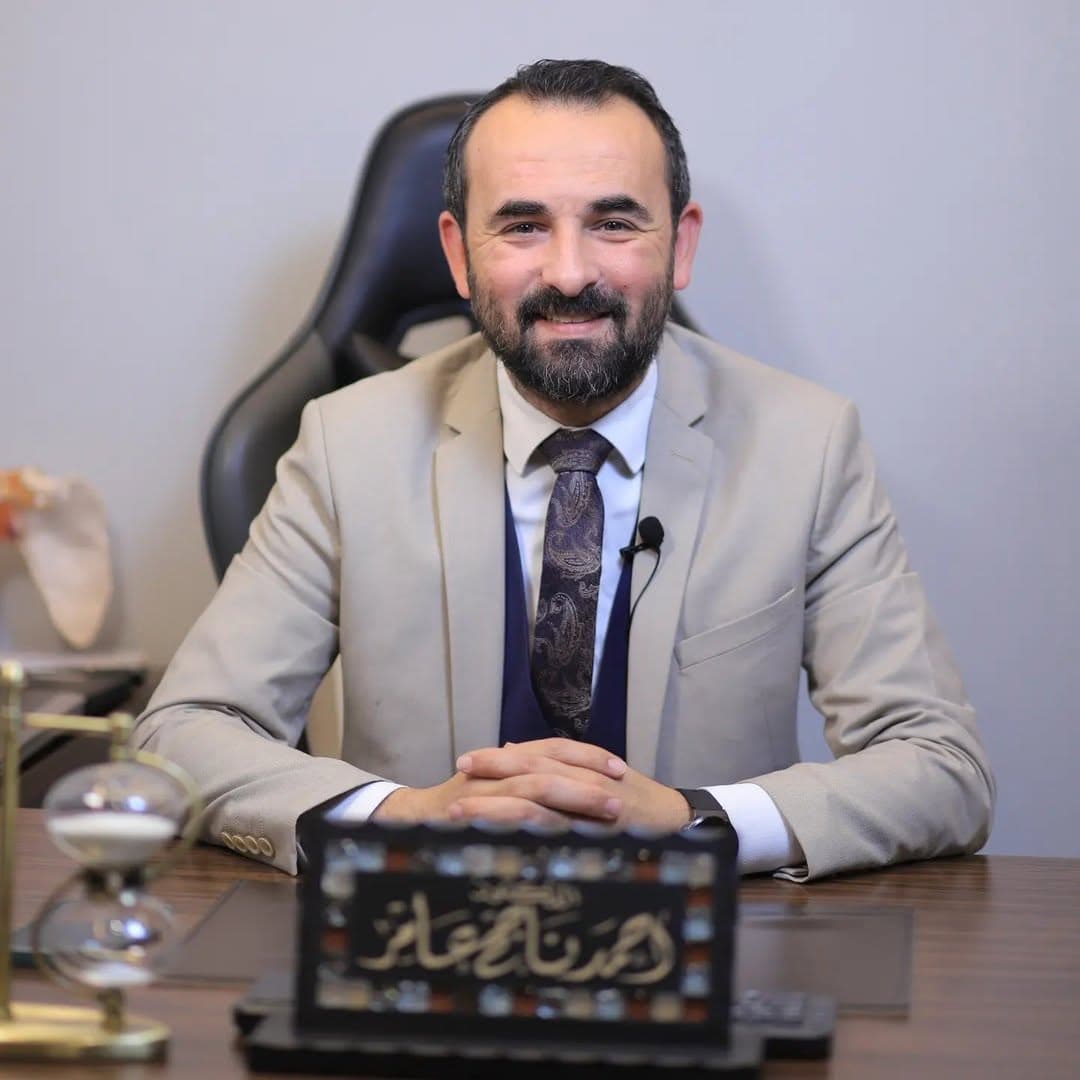
Ahmad Najeh Amer is a specialist in orthopedic, joint, and spinal surgery in Shmeisani. He studied medicine at the University of Science and Technology in Sana’…
Hours not listedInsurance not specified6 views
Trusted medical platform in Jordan

علاج متلازمة النفق الرسغي
Carpal tunnel syndrome is compression of the median nerve inside a narrow tunnel at the wrist that it shares with the finger tendons. Sensory symptoms appear first, motor weakness later. Treatment is stepwise and depends on severity: a night splint, activity modification and physiotherapy in mild cases, a targeted local injection in selected cases, and surgical release of the tunnel when compression persists or muscle weakness appears. The typical picture is numbness and pain in the thumb, index and middle fingers and half of the ring finger, waking the patient at night so that shaking or dangling the hand brings relief, and worsening while driving, holding a phone or doing repetitive wrist work. As it progresses, the muscle bulk at the base of the thumb weakens, jars and buttons become difficult and objects slip from the hand. Night numbness can actually lessen in late stages because sensory fibres have been damaged; that is a warning sign, not improvement. Diagnosis is clinical first, with strength testing, sensory mapping and nerve provocation tests, supported by a nerve conduction study that grades severity and helps plan surgery. The doctor also looks for contributing conditions that change the plan: pregnancy, thyroid disease, diabetes, rheumatoid arthritis, excess weight, kidney failure and dialysis, and old wrist fractures. Surgery means releasing the transverse carpal ligament through a small palmar incision or endoscopically, usually under local anaesthesia as a same-day procedure. Its limits should be stated plainly: it creates room for the nerve but does not instantly restore what has wasted. Numbness may settle quickly while strength takes months and may not return fully if treatment was delayed for years. A splint will not fix advanced compression, and an injection gives temporary relief rather than a lasting solution, so repeating it frequently is not advisable. This operation also does not treat numbness arising from the neck or from a generalised neuropathy, so numbness involving the whole hand, climbing to the shoulder, or affecting the feet as well needs a different assessment. Eligibility is determined by clinical examination and study results.
The doctor asks about the pattern and timing of numbness, your occupation and dominant hand, then tests finger sensation, the strength and bulk of the thumb muscle, performs nerve provocation tests, and examines the neck, shoulder and elbow to exclude another site of compression. The case is graded mild, moderate or severe to guide the decision.
The nerve conduction study measures conduction velocity and muscle response, confirming compression, grading it and revealing any coexisting generalised neuropathy. Ultrasound may be requested to view the nerve, cysts or fibrosis, and blood tests for thyroid disease and diabetes are added, especially when both hands are affected or symptoms are atypical.
A splint holding the wrist in a neutral position during sleep is the cornerstone, combined with modifying provocative movements, taking breaks at work and correcting wrist posture at the keyboard. Physiotherapy adds nerve gliding exercises and forearm stretching. The response is usually reviewed over four to six weeks before the plan is reconsidered.
A local corticosteroid injection into the tunnel, often ultrasound-guided, reduces swelling around the nerve and gives temporary relief; a good response also supports the diagnosis. It is not a permanent solution, should not be repeated often, and is discussed carefully with people who have diabetes because it can raise blood glucose temporarily.
Under local anaesthesia the transverse carpal ligament is divided through a small palmar incision or endoscopically, relieving pressure on the nerve. The wound is closed with sutures usually removed within one to two weeks, finger movement is encouraged from day one, and a graded rehabilitation programme for grip and strength begins as directed.
Tell your doctor if you take blood thinners or antiplatelet medicines, if you have diabetes, thyroid disease, kidney disease or arthritis, if you are pregnant, and if you are allergic to local anaesthetic or adhesive dressings. Bring your nerve conduction report and any previous wrist imaging. Remove rings and bracelets beforehand, because the hand swells after surgery. Arrange transport in both directions, since driving with a bandaged hand is unsafe, and plan a short period off work plus help with household tasks. If both hands are affected, ask about the order of the two operations. Do not fast unless you are specifically instructed to, and report any cut or skin infection on the hand before the appointment.
Keep the hand above heart level for the first few days to limit swelling, move your fingers from day one to prevent stiffness, and keep the wound clean and dry as instructed. Avoid heavy lifting, forceful gripping and wrist twisting for several weeks, and do not rely on the splint more than prescribed. It is normal for the scar to stay tender to pressure for weeks, for strength to take two to three months, and for some numbness to persist while the nerve recovers gradually. **Seek care immediately if** you develop fever, spreading redness, pus or odour from the wound, wound separation, increasing throbbing pain unrelieved by painkillers, cold, blue or severely swollen fingers, new loss of movement or sensation, or bleeding that soaks the dressing and does not stop with pressure.
The operation itself usually takes 15 to 30 minutes under local anaesthesia as a same-day procedure; light tasks resume within days to two weeks, and strength returns over two to three months.
Ahmad Najeh Amer is a specialist in orthopedic, joint, and spinal surgery in Shmeisani. He studied medicine at the University of Science and Technology in Sana’…
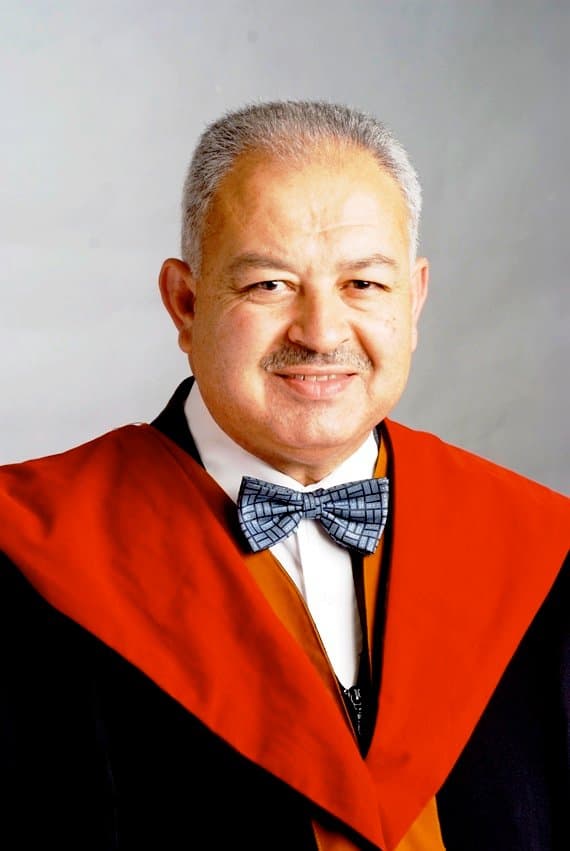
Professor Freih Odeh Abu Hassan is an orthopedic consultant whose published qualifications include pediatric orthopedic and spinal training in Ireland and surgi…
There are currently 2 doctor profiles linked to Carpal Tunnel Syndrome Treatment on ClinicsJo. Review the listed services and contact the practice to confirm availability with the doctor and branch you choose.
Start with an available doctor's profile and use the contact or booking options shown there. Confirm the service, practice location and appointment time with the clinic. If this list is empty, broaden your search using the directory links on this page.
Ask the practice for the current price and what it includes. A consultation fee shown on a profile is not necessarily the price of a procedure, tests or follow-up. Confirm any additional charges and insurance arrangements before your visit.