Dr. Wael Al Haddad Orthopaedic Clinic
Dr. Wael Al Haddad is a consultant orthopedic surgeon with Jordanian and Arab Board certification and advanced training at McMaster University in Canada. His wo…
Sign in to the platform to view the phone number
Trusted medical platform in Jordan
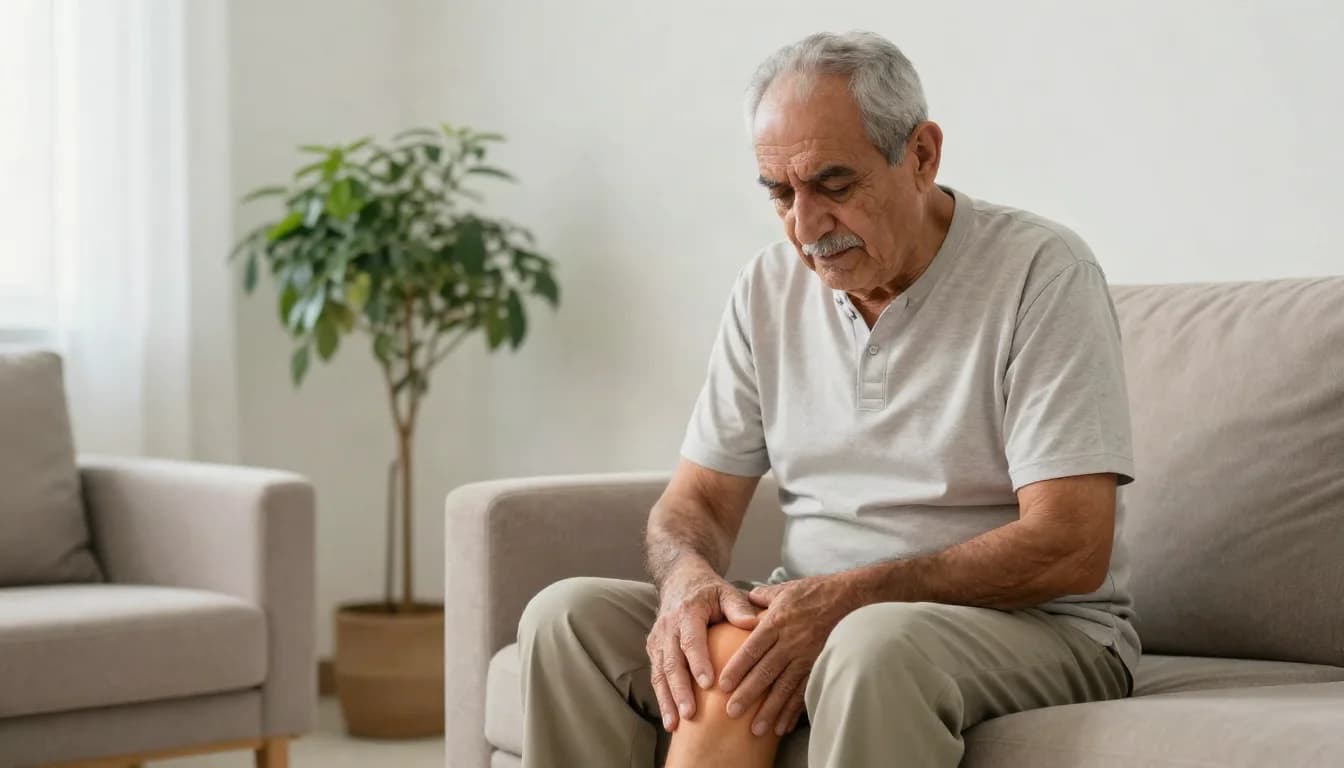
Knee arthroscopy is surgery in which a pencil-thin scope is passed through a small incision so the inside of the knee can be seen on a monitor, while a second incision admits fine instruments to treat what is found. It is used to diagnose a problem that imaging has not settled and to treat specific mechanical problems inside the joint, and it is usually performed as day-case surgery.
The commonest tasks are repairing the meniscus or trimming its torn portion, removing a loose body that locks the knee, addressing a damaged patch of articular cartilage, excising a painful synovial fold or releasing stiff tissue, taking a synovial biopsy when an inflammatory disease is suspected, and washing out the joint with drainage of pus in acute infection, which is an emergency that must not be delayed.
It is essential to be clear about what arthroscopy does not do. A knee clean-out or washout is not a treatment for knee osteoarthritis. It does not halt the progression of arthritis, it does not grow new cartilage, it does not correct malalignment of the leg, and any relief it gives may be short lived before symptoms return. The foundations of arthritis care are weight reduction, regular strengthening exercise and pain management, with joint replacement reserved for advanced disease.
Arthroscopy makes sense when there is a genuine mechanical sign: true locking or repeated catching, a confirmed loose body, a painful meniscal tear in a suitable patient, or suspicion of infection or synovial disease. Diffuse pain with widespread degenerative change rarely benefits.
Candidacy is decided by clinical examination together with the images, not by an MRI report read in isolation from symptoms. Degenerative MRI findings are extremely common in people with no complaints at all, and treating a report rather than a patient is the most frequent reason for disappointment after surgery.
Injury history and clinical examination for stability, joint-line tenderness and catching, weight-bearing X-rays to assess joint space and alignment, MRI when needed, and in many cases a trial of physiotherapy first.
General or spinal anaesthesia, sometimes with additional local anaesthetic inside the joint. The leg is placed in a holder that allows it to be flexed and extended, and the whole limb is prepared and draped.
Two small portals are made beside the patellar tendon, the camera is introduced and the whole joint is inspected: both menisci, the cruciate ligaments, the cartilage surfaces and the synovium, with the findings documented photographically.
Only what the joint actually needs is done: suturing a repairable tear or trimming an unstable fragment while preserving as much healthy tissue as possible, removing loose bodies, smoothing a frayed cartilage patch, or excising inflamed tissue.
The portals are closed and a compressive dressing applied. Knee movement and quadriceps activation begin the same day within the limits of pain, with a strengthening plan determined by exactly what was done inside the joint.
Tell your doctor about all your medicines, especially blood thinners and aspirin, and do not stop any prescribed medicine on your own. Mention diabetes, heart disease, drug allergies and any previous knee surgery or injection. Follow the fasting instructions before anaesthesia, and remove jewellery and nail polish before you arrive. Do not shave the knee area yourself beforehand, as this raises the risk of infection. Prepare your home: ice packs, a pillow to elevate the leg, and if possible a sleeping arrangement that avoids stairs on the first day. Arrange transport both ways and do not drive yourself after anaesthesia. Before discharge, ask exactly which procedure is planned inside the joint and what the rehabilitation plan will be, because recovery after a trim differs greatly from recovery after a repair.
Elevate the leg and apply ice in short intervals during the first days to control swelling, move your ankle regularly and take short frequent walks to reduce clot risk. Begin activating your quadriceps early, as weakness of this muscle is the single biggest cause of delayed recovery. Respect the weight-bearing limits you were given: after a meniscal trim you can usually load the leg early, whereas after a meniscal repair there are longer restrictions on loading and deep bending. Keep the portals clean and dry, and do not return to sport before you are cleared. Seek care immediately for fever or chills, redness, warmth or discharge from the portals, pain and swelling that increase after the third day instead of settling, calf or behind-knee swelling and pain, or breathlessness and chest pain.
Usually 20 to 60 minutes depending on what is done inside the joint, with same-day discharge in most cases.
Dr. Wael Al Haddad is a consultant orthopedic surgeon with Jordanian and Arab Board certification and advanced training at McMaster University in Canada. His wo…
Dr Asad Ahmad is a consultant orthopaedic, joint and sports injury surgeon in Amman. His practice covers shoulder, knee, hip, elbow, hand, wrist, foot and ankle…
Ahmad Othman Al Qasem practices orthopedic and joint surgery at Al-Husseini complex opposite Specialty Hospital in Amman. Advertised fields include shoulder, kn…
Dr. Yousef Mohammad Qaisho is an orthopedic surgeon with the Jordanian Board and a medical degree from Al-Zaeem Al-Azhari University in Sudan. His practice incl…
Dr Rami Yaghi is an orthopedic, joint and spine surgery specialist at Saudi Hospital in Amman. He earned his medical degree and master’s degree from the Univers…
Dr Ziad Dahabreh is a consultant trauma and orthopaedic surgeon with the Jordanian Board, UK Certificate of Completion of Training, FRCS in trauma and orthopaed…
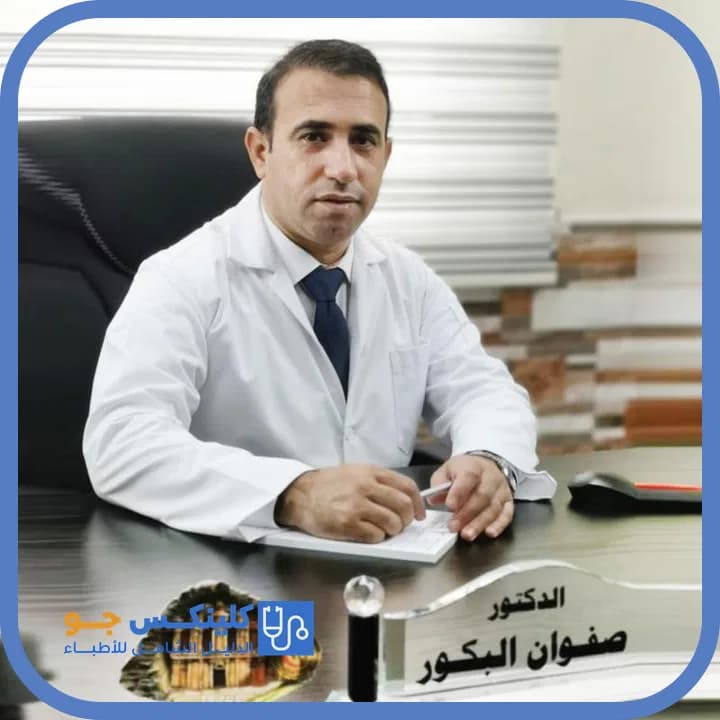
Dr Safwan Al-Bakour is a consultant in orthopaedic, joint and spine surgery with consulting rooms on the third floor of Istiklal Hospital’s outpatient facility.…
Dr. Saher Al-Dabba is a consultant orthopaedic surgeon holding the Jordanian Board in orthopaedics. His previous work includes Al Bashir Hospital and Johns Hopk…
Dr Abdallah Masadeh is an orthopedic and joint surgery specialist, a Jordan University of Science and Technology graduate, with Jordanian Board certification in…
Dr Mohammed Omar Tabaza is an orthopedic, joint and fracture specialist with a focus on hip and knee replacement. He studied medicine at Al-Mustansiriya Univers…
Dr Bassam Nadim Al Nahawi is an orthopaedic consultant, a Damascus University graduate and Jordanian Board holder. His practice focuses on shoulder, knee and sp…
Diya Al Aqil practices orthopedics at Jawharat Al Mamlakah Complex, 57 Ibn Khaldoun Street in Jabal Amman. Consultations cover bone and joint pain, injury asses…
Dr Khaled Atta is a consultant orthopedic and joint surgeon at Jordan Hospital’s outpatient clinics in Amman. His clinical interests include joint reconstructio…
Dr Mazen Kurdieh practices orthopedics in Amman. Qualifications include Jordanian Board in Orthopaedic Surgery; Jordanian Board in General Surgery; German Fello…
There are currently 14 doctor profiles linked to Knee Arthroscopy on ClinicsJo. Review the listed services and contact the practice to confirm availability with the doctor and branch you choose.
Start with an available doctor's profile and use the contact or booking options shown there. Confirm the service, practice location and appointment time with the clinic. If this list is empty, broaden your search using the directory links on this page.
Ask the practice for the current price and what it includes. A consultation fee shown on a profile is not necessarily the price of a procedure, tests or follow-up. Confirm any additional charges and insurance arrangements before your visit.
No clinic on ClinicsJo has published a price for Knee Arthroscopy yet, so we do not quote an estimated figure. What is published is the consultation fee: 20–34 JOD (profiles: 24). The doctor sets the treatment price after assessing your case.
Other doctor profiles with a published fee: 19.
Expected duration (from the procedure guide): Usually 20 to 60 minutes depending on what is done inside the joint, with same-day discharge in most cases.
Before booking, ask the clinic for the all-inclusive price and what it covers, any extra tests or scans, how many follow-up visits are included, the payment options, and whether your insurance is accepted. You can reach them through the contact details on the doctor and clinic profiles on this page.
The figures above were published by the clinics and doctors themselves on ClinicsJo and may change. We do not estimate prices. Confirm the all-inclusive price with the clinic before booking. Offers on ClinicsJo