Dr Taleb Al-Tahtamouni practices pulmonology in Irbid. Respiratory consultations and follow-up are arranged directly with the clinic. Patients are seen at Taleb…

Emphysema is one of the two faces of chronic obstructive pulmonary disease: the walls of the tiny air sacs are destroyed and merge into large sacs that have lost their elasticity, so air cannot be pushed out efficiently and becomes trapped inside the lung. That trapping is what produces the sense of over-inflation, breathlessness and reduced exercise capacity. Treatment is a combined plan aimed at easing symptoms, opening the airways, reducing acute flare-ups, improving mobility and preserving remaining lung function, rather than at restoring the tissue that has already been destroyed.
Stopping smoking in every form, including cigarettes, waterpipe and electronic devices, is the only intervention that genuinely slows the rate at which lung function declines; the remaining treatments relieve symptoms and reduce flare-ups without rebuilding tissue. Serious treatment therefore begins here whatever your age or stage, supported by a practical plan and behavioural help, and reinforced by avoiding second-hand smoke, wood and charcoal fumes, occupational dust, and very cold or polluted air.
Care rests on four evidence-based pillars: inhaled bronchodilator treatment matched to symptom severity and flare-up frequency, with correction of inhaler technique because more than half of patients use the device incorrectly and lose the benefit; pulmonary rehabilitation, a programme of breathing, strength and walking exercise that has been shown to improve capacity and quality of life; seasonal and pneumococcal vaccination, which reduces flare-ups and hospital admission; and home oxygen, but only for patients with measured low oxygen levels, not for everyone who feels short of breath.
The limits deserve equal clarity. Inhalers do not repair damaged air sacs and do not cure the disease, a fast-acting reliever inhaler is not a substitute for regular maintenance treatment, oxygen is not a remedy for breathlessness in someone whose oxygen level is normal and can be harmful if used without measurement, and antibiotics are not appropriate every time breathing worsens. Lung volume reduction surgery and bronchoscopic valves are options for a very selected group defined by strict criteria based on testing and imaging, not general choices. Eligibility for any of these steps is determined by clinical assessment and breathing tests, not by reading.

Procedure steps
- 1
Diagnosis with spirometry
The diagnosis is not made on symptoms alone but by spirometry before and after a bronchodilator to demonstrate fixed airflow obstruction, with a chest X-ray or CT, oxygen saturation and blood tests added. A specific enzyme deficiency is checked in patients who develop disease young or without smoking, because it is managed differently.
- 2
Grading severity and assessing flares and comorbidity
Symptom severity is scored with validated tools and the number of flare-ups and admissions in the past year is counted, because the plan is built on both together. Common coexisting conditions are assessed, including heart disease, anaemia, osteoporosis, sleep apnoea, anxiety and depression, since treating them measurably improves breathlessness.
- 3
Smoking cessation and vaccination
A practical quit plan is set with a target date, behavioural support and follow-up, supportive options are discussed with your doctor, and waterpipe and vaping are explicitly included because many people assume they are milder. Recommended seasonal and pneumococcal vaccinations are completed to reduce flare-ups, with advice to avoid smoke and dust and improve home ventilation.
- 4
Inhaled treatment and correcting technique
Inhaled treatment is selected according to symptoms and flare-up frequency, the patient is coached to use the device in front of the doctor or pharmacist, and a spacer is added when needed. Technique is rechecked at every visit, because incorrect use looks like drug failure and leads to needless changes of medication while the error persists.
- 5
Pulmonary rehabilitation, flare plan and follow-up
The patient is referred to pulmonary rehabilitation covering breathing and strength exercise, graded walking, education and nutrition, and oxygen is measured at rest and on exertion to decide whether home oxygen is indicated. A written flare-up action plan states what to do, when to call and when to attend the emergency department, and the whole plan is reviewed periodically.
Before the procedure
Before your appointment record what you can actually do: how many stairs you climb before stopping, whether breathlessness interrupts your sentences or your sleep, and how often you used your reliever inhaler each week. Write down how many flare-ups needed steroids or antibiotics or led to hospital admission in the past year. Bring all your inhalers and devices in their original boxes so your technique can be reviewed in front of the doctor, and bring any previous spirometry report, chest imaging or blood gas result. Give an honest smoking history including waterpipe and vaping, mention any occupational exposure to dust or fumes, and list your other conditions and their medicines, including heart and blood pressure drugs. Do not stop your treatment before the visit unless instructed, and ask whether the breathing test requires withholding a particular inhaler for a few hours beforehand.
After the procedure
Use your maintenance treatment every day, including good days, because that is what reduces flare-ups, and do not rely on the reliever inhaler alone; needing it more often is a signal to review the plan rather than to increase doses yourself. Recheck inhaler technique periodically, use a spacer if prescribed, and rinse your mouth after inhalers that require it. Keep moving every day even with short repeated walks, continue rehabilitation exercises at home, eat small frequent meals if fullness worsens your breathing, and maintain a healthy weight. Avoid smoke, dust and very cold air, and use a mask or scarf in cold weather. If you use home oxygen, keep to the prescribed flow, never increase it yourself, and never smoke near it. Go to the emergency department immediately for breathlessness that prevents you finishing a sentence or lying down, blue lips or fingers, marked drowsiness or confusion, sudden sharp chest pain with breathlessness, or fever with a change in sputum colour or volume and rapid deterioration.
Expected duration
The first diagnostic visit with spirometry usually takes 45 to 90 minutes, and the test is repeated every six to twelve months. Pulmonary rehabilitation typically runs six to twelve weeks with two or three sessions a week, and routine follow-up is every three to six months depending on severity and how often flare-ups occur.
Doctors who provide Emphysema Treatment
Dr Ahmad Al Khyat is a specialist in pulmonary medicine, allergy and internal medicine in Amman. He graduated from the Hashemite University and holds Jordanian …
Dr. Abdul Muneim Sharara is a senior consultant in pulmonary and internal medicine and a medicine and surgery graduate of the University of Jordan. His practice…
Dr. Mohammad Hassan Saeed Al Tarawneh practices pulmonary, respiratory, allergy and sleep medicine. His scope includes asthma, COPD and lung fibrosis assessment…
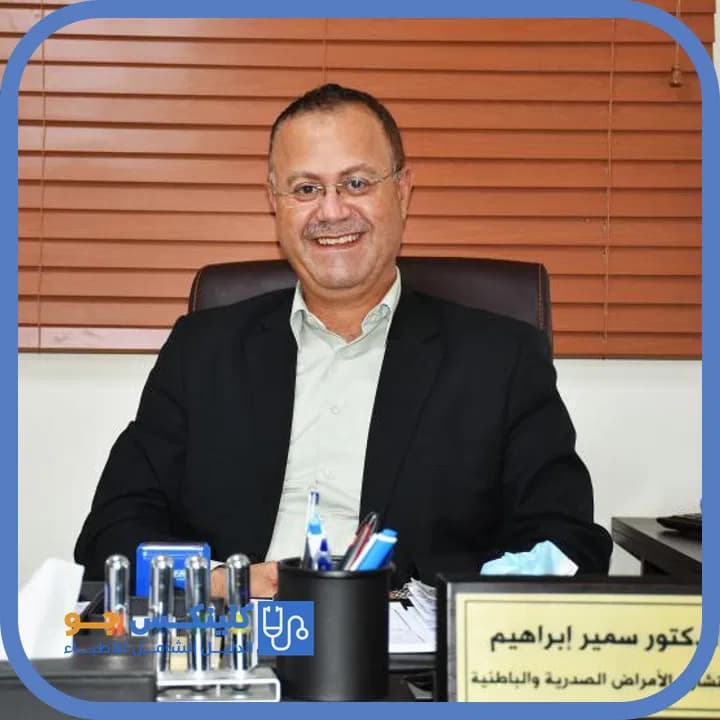
At Istiklal Hospital in Amman, Dr Samir Abdel Rahim Ibrahim focuses on respiratory and internal medicine. He holds Jordanian boards in respiratory and internal …
Mohammad Mousa Ariqat practices pulmonology at Mansur Bin Umair Street, Amman. Contact the practice to arrange a consultation, discuss symptoms or review previo…
Finding Emphysema Treatment services in Jordan
Which doctors are listed for Emphysema Treatment in Jordan?
There are currently 6 doctor profiles linked to Emphysema Treatment on ClinicsJo. Review the listed services and contact the practice to confirm availability with the doctor and branch you choose.
How can I find an appointment for Emphysema Treatment?
Start with an available doctor's profile and use the contact or booking options shown there. Confirm the service, practice location and appointment time with the clinic. If this list is empty, broaden your search using the directory links on this page.
What does Emphysema Treatment cost in Jordan?
Ask the practice for the current price and what it includes. A consultation fee shown on a profile is not necessarily the price of a procedure, tests or follow-up. Confirm any additional charges and insurance arrangements before your visit.
How much does Emphysema Treatment cost in Jordan?
No clinic on ClinicsJo has published a price for Emphysema Treatment yet, so we do not quote an estimated figure. What is published is the consultation fee: 20–30 JOD (profiles: 9). The doctor sets the treatment price after assessing your case.
What clinics and doctors have published on ClinicsJo
- Published consultation fee — Taleb Al-Tahtamouni: 20 JOD consultation fee.
- Published consultation fee — Mamoon Awwad Zuhluf: 20 JOD consultation fee.
- Published consultation fee — Fadel Hassan Al-Hajj Ahmed: 25 JOD consultation fee.
- Published consultation fee — Abdul Muneim Sharara: 25 JOD consultation fee.
- Published consultation fee — Khair Ahmad Al Mubaidin: 25 JOD consultation fee.
Other doctor profiles with a published fee: 4.
What sets the price of Emphysema Treatment?
- The consultation fee and follow-up visits
- Tests and investigations needed
- The chosen treatment approach and its duration
- Medicines or supplies
- Insurance coverage and your share of the cost
Expected duration (from the procedure guide): The first diagnostic visit with spirometry usually takes 45 to 90 minutes, and the test is repeated every six to twelve months. Pulmonary rehabilitation typically runs six to twelve weeks with two or three sessions a week, and routine follow-up is every three to six months depending on severity and how often flare-ups occur.
How to ask about the price
Before booking, ask the clinic for the all-inclusive price and what it covers, any extra tests or scans, how many follow-up visits are included, the payment options, and whether your insurance is accepted. You can reach them through the contact details on the doctor and clinic profiles on this page.
The figures above were published by the clinics and doctors themselves on ClinicsJo and may change. We do not estimate prices. Confirm the all-inclusive price with the clinic before booking. Offers on ClinicsJo