
Istiklal Hospital Outpatient Clinics
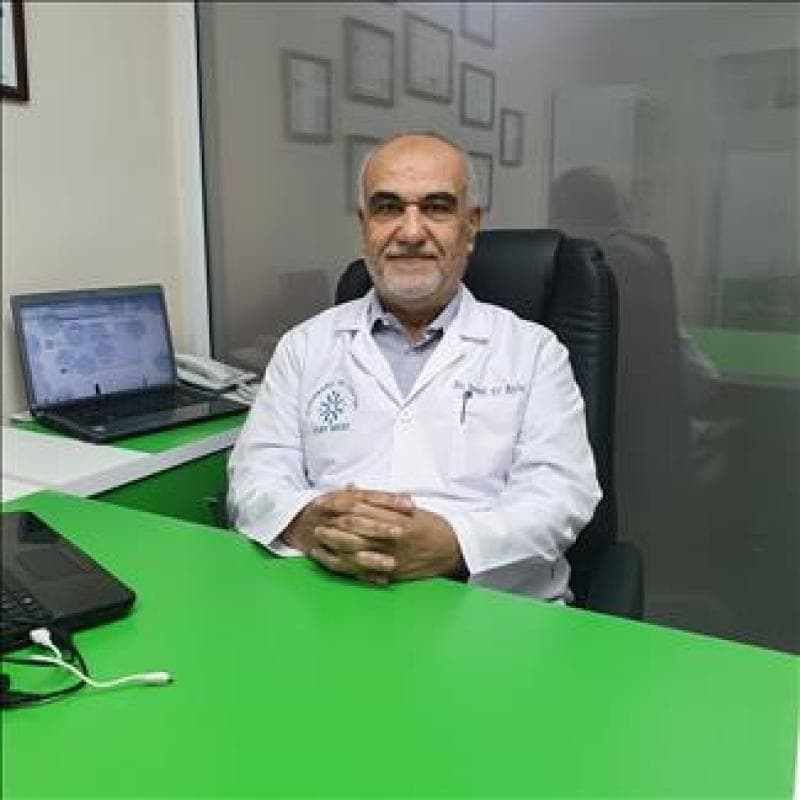
Dr. Jamil Elrefai is a consultant in family medicine and hyperbaric oxygen therapy. He studied medicine and surgery at Aristotle University in Greece and comple…
Treatments
Trusted medical platform in Jordan

العلاج بالأكسجين المضغوط
Hyperbaric oxygen therapy (HBOT) is a medical treatment in which the patient breathes a high concentration of oxygen inside a sealed chamber pressurised above normal atmospheric pressure. The raised pressure dissolves far more oxygen directly into blood plasma, so oxygen reaches tissue that its ordinary blood supply can no longer serve, and diffuses further into damaged tissue than red-cell-bound oxygen can travel on its own. The medically accepted indications are specific and well defined: chronic wounds with poor perfusion and selected diabetic foot ulcers, carbon monoxide poisoning, decompression sickness and gas embolism, certain refractory chronic bone infections, late complications of radiotherapy including osteoradionecrosis, some severe necrotising infections, and other emergency situations decided inside hospital. Against that, hyperbaric oxygen is heavily marketed for uses with no adequate supporting evidence: raising energy and relieving fatigue, anti-ageing and skin tightening, general athletic recovery, and routine recovery after uncomplicated cosmetic surgery. This page does not claim effectiveness where evidence does not exist. If sessions are offered to you for these purposes, understand that you are paying for an unproven use. Hyperbaric oxygen is an adjunct, never a replacement. It does not remove the need for surgical wound debridement, for culture-directed antibiotics, for reopening a blocked artery, or for controlling blood sugar and offloading pressure from the foot. It is a programme of repeated sessions rather than a single visit, and eligibility is decided by clinical assessment covering the lungs, heart and ears together with a medication review, not by patient request or by an advertisement. Some people cannot use the chamber at all. Untreated pneumothorax (air trapped around the lung) is an absolute barrier. Active sinus or middle-ear infection postpones the session until treated. Pregnancy keeps you out of the chamber except in carbon monoxide poisoning. Certain chemotherapy agents conflict with high-concentration oxygen, uncontrolled epilepsy must be controlled first, and claustrophobia needs explanation and preparation before entry.
It starts with a clinical assessment that decides whether your condition is an accepted indication at all. Your diagnosis and the treatments already tried are reviewed, the lungs, heart, ears and sinuses are examined, and every medication is checked, including any chemotherapy you are receiving. A chest image, an ECG or a hearing assessment may be requested first. Eligibility is set by this examination, not by reading a page or asking for a session.
Before the first session you are shown in practice how to equalise your ear pressure by swallowing, moving the jaw, or the technique the technician teaches you, because the ear is the commonest site of trouble inside a chamber. Fire-safety rules are then applied: you change into designated clothing, and no oil-based product, greasy ointment, perfume, deodorant, lighter or electronic device is allowed into the chamber.
Chamber pressure is raised gradually while you stay in contact with the technician throughout. During this phase you feel your ears filling as they do on an aircraft descent, and you equalise using the technique you were taught. If ear pain appears and does not clear with equalisation, pressurisation is slowed or stopped. Pressure is never pushed on a patient in pain, because pressing on is exactly what causes real ear injury.
Once pressure is stable you breathe oxygen either from the atmosphere of a single-patient chamber or through a mask or hood in a multi-patient chamber, with scheduled air breaks. You simply lie or sit; you can speak and be heard. The technician observes you and asks regularly about your ears, your breathing, and any dizziness or twitching, and stops the session for any symptom that warrants it.
Pressure is reduced gradually at the end of the session, then you leave and are watched briefly. Sessions repeat as a programme; one visit does not solve the problem. Your case is reassessed at intervals against what has objectively changed, such as wound measurements, neurological symptoms or audiometry, and if no objective improvement appears the plan is revisited rather than continued indefinitely.
Tell the doctor about every diagnosis and medication, especially if you are receiving chemotherapy, have epilepsy or seizures, have chronic lung disease, have ever had a collapsed lung, or have had ear surgery. Say so if you are pregnant or might be. Postpone the session and inform the centre if you develop a cold, a blocked nose, or a sinus or ear infection, because a blocked ear is the single most painful problem inside a chamber. Learn the ear-equalisation technique before you go in and keep asking until you can do it confidently. Eat a light meal rather than arriving completely fasting, and if you have diabetes check your blood sugar and tell the technician the reading. Do not smoke beforehand. Because the chamber is an oxygen-rich environment, wear no oil, greasy ointment, perfume, deodorant or hair product, and bring in no lighter, phone, smart watch or vape. This is a fire-safety rule, not a formality. Empty your bladder before entering, and if closed spaces frighten you say so in advance so the chamber can be explained and steps taken to ease the anxiety.
Rest briefly afterwards and drink water. Mild tiredness, hunger, or a passing full feeling in the ears is common and settles. If you have diabetes, check your blood sugar after the session, as it can drop in some patients. Do not drive while you feel dizzy or your vision is blurred. People who complete a long course may notice a temporary shift in near or distance vision; it usually reverses after the programme ends, so do not buy new glasses until it stabilises. Continue the underlying treatment for your condition exactly as prescribed and do not stop it because sessions have begun. **Seek care immediately for severe ear pain, bleeding from the ear or new hearing loss; for shortness of breath, chest pain or sharp pain worse on breathing in; for coughing blood; for a seizure, twitching or loss of consciousness; for a severe headache that will not settle; or for fever with spreading redness and swelling around a wound.** Report any new symptom to the centre before your next session, even if it seems minor.
A single session usually lasts about sixty to one hundred and twenty minutes, plus preparation and observation time. Treatment is a programme, not one visit: emergency indications may need one to three closely spaced sessions, while chronic wounds and late radiation injury typically run as a course of roughly twenty to forty sessions, about one per weekday, reassessed at intervals.
Dr. Jamil Elrefai is a consultant in family medicine and hyperbaric oxygen therapy. He studied medicine and surgery at Aristotle University in Greece and comple…
There are currently 1 doctor profiles linked to Hyperbaric oxygen therapy on ClinicsJo. Review the listed services and contact the practice to confirm availability with the doctor and branch you choose.
Start with an available doctor's profile and use the contact or booking options shown there. Confirm the service, practice location and appointment time with the clinic. If this list is empty, broaden your search using the directory links on this page.
Ask the practice for the current price and what it includes. A consultation fee shown on a profile is not necessarily the price of a procedure, tests or follow-up. Confirm any additional charges and insurance arrangements before your visit.