
Al Khalidi Medical Plaza
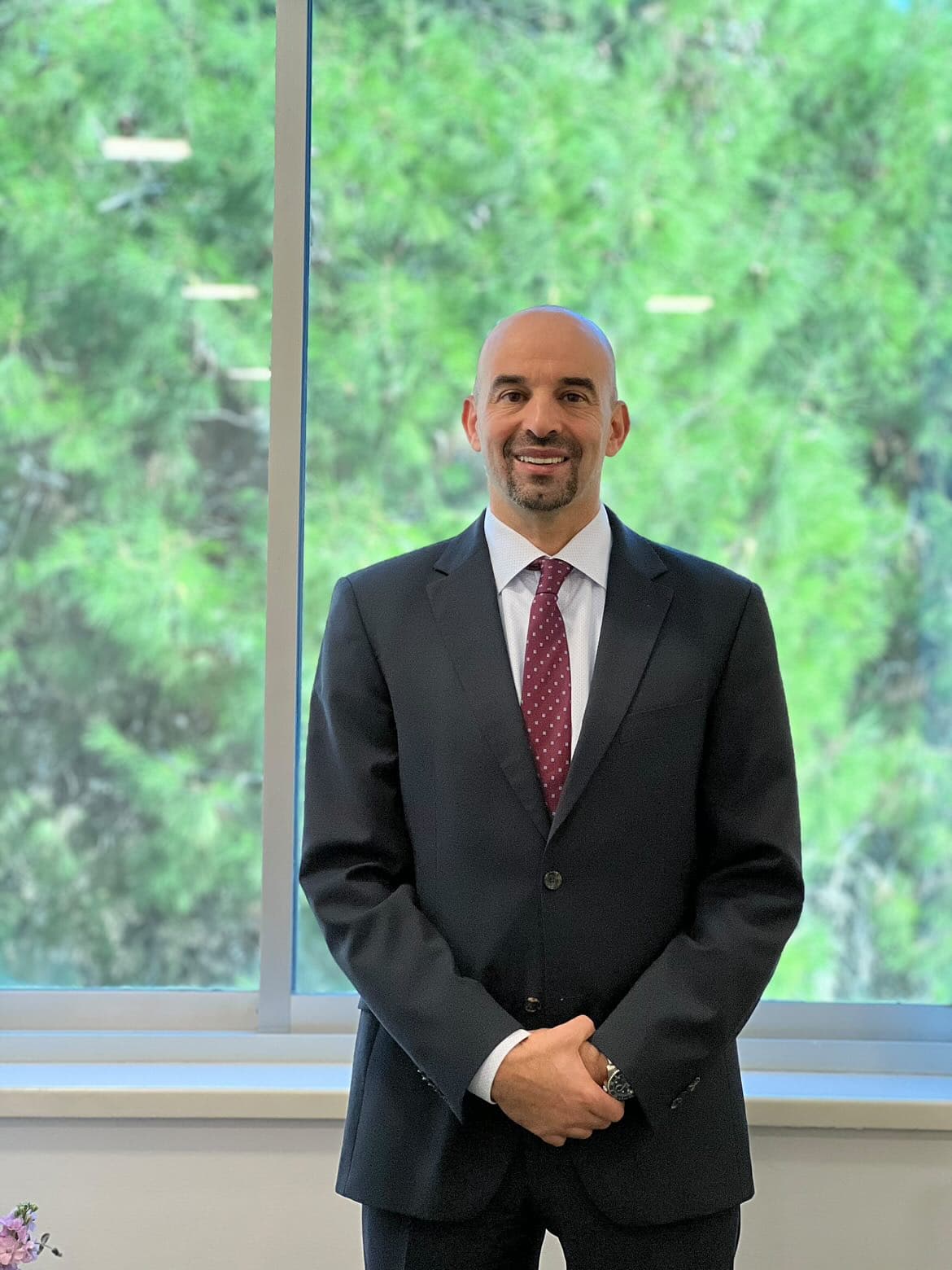
Dr Mohammad Abu Hilal is a professor of surgery at the University of Jordan and a consultant in hepato-biliary-pancreatic surgery. He completed surgical trainin…
Hours not listedInsurance not specified15 views
Trusted medical platform in Jordan

استئصال أورام الكبد
Liver tumour resection is an operation in which the segment of liver containing the tumour is removed together with a margin of healthy tissue around it, the extent of resection being decided by the position of the tumour and its relationship to the hepatic veins, arteries and bile ducts. The liver has a distinctive capacity to regenerate, which is what allows part of it to be removed provided the remaining portion is large enough and functioning well. The operation is performed laparoscopically through small incisions in selected cases, or as open surgery when the tumour is large, multiple, or adherent to major vessels. The decision is built on detailed CT or MRI imaging, liver function tests and the degree of any fibrosis, an estimate of the future remnant liver volume, and discussion in a multidisciplinary team including hepatobiliary surgery, radiology, oncology and anaesthesia. Whether an individual is a candidate is determined by clinical examination and full assessment, not by reading a web page. The limits must be stated openly: not every liver tumour is resectable. Multiple lesions, spread outside the liver, impaired liver function or advanced cirrhosis may make other options more appropriate, such as thermal ablation with radiofrequency or microwave, transarterial therapy, systemic drug treatment, or liver transplantation in defined situations. Resection also removes the tumour without treating the underlying liver disease itself, whether viral hepatitis, fatty liver or alcohol, which is why imaging surveillance continues after surgery: a new tumour can arise in a diseased liver. One point matters greatly for patients and families. Yellowing of the eyes and skin in an adult, with dark urine, itching or pale stools, is not ordinary jaundice to be watched or treated with folk remedies. When it comes with unintentional weight loss, loss of appetite or persistent upper abdominal pain, it is a sign demanding urgent imaging and blood tests, because delay at this stage narrows the surgical options that remain available.
The tumour is assessed with multiphase CT or MRI, sometimes with chest imaging or functional imaging to evaluate spread, alongside blood tests, liver function and tumour markers where relevant. The relationship of the tumour to vessels and bile ducts is studied closely because it dictates the type of resection, and a biopsy is taken in selected cases rather than routinely.
Liver reserve and the degree of fibrosis are measured, and the volume of the future remnant is calculated. Cardiac and respiratory fitness, blood sugar, nutrition and blood-thinning medicines are assessed as well. If the remnant would be too small, a procedure to enlarge it beforehand, such as portal vein embolisation, may be used, or a different treatment strategy is chosen from the outset.
The operation is carried out under full general anaesthesia with close monitoring of fluids and blood pressure. In suitable cases a laparoscope is inserted through small abdominal ports; in open surgery an incision is made below the costal margin. Intraoperative ultrasound is used to map the tumour margins and their relationship to vessels before any division of tissue.
Liver tissue is divided with instruments that seal small vessels and ducts as they cut, while larger branches are formally secured. The tumour is removed with a healthy margin and sent for pathological examination. The cut surface is inspected to confirm there is no bleeding or bile leak, and a temporary drain may be placed depending on the extent of resection and the surgeon's judgement.
The patient is monitored in a recovery unit or intensive care according to the case, with attention to liver function, clotting, blood sugar and pain control, and early encouragement to mobilise and breathe deeply. The pathology report is discussed to decide whether additional treatment is required. Regular imaging and blood-test surveillance then continue, together with treatment of the underlying liver disease.
Tell the surgical team about all your medicines, especially anticoagulants, antiplatelet drugs, diabetes treatment, herbal products and supplements, since some must be stopped for a period the doctor specifies, and you should never stop them on your own. Stop smoking as early as you can, because it increases breathing and wound problems. Bring every scan, report and previous blood test, along with the results of any endoscopy or biopsy. Improve your nutrition beforehand with adequate protein and calories if advised, and treat any infection, dental problem or urinary infection before the date. Follow the fasting instructions before anaesthesia exactly as given, arrange in advance for someone to accompany and help you during the first weeks, and discuss the possibility of blood transfusion and the pain-control plan with your doctor.
Get up and walk in the corridor as early as the team allows, and practise deep breathing and coughing while supporting your abdomen with a pillow to prevent chest infection. Keep up fluids and protein with small frequent meals, and keep the wound clean and dry as instructed. Do not lift heavy weights or drive until your surgeon agrees. Do not take painkillers or herbal products on your own, since many of them strain the liver. **Attend emergency care immediately for high fever or chills, new yellowing of the eyes or skin, increasing abdominal pain, rapid abdominal swelling, vomiting blood or black stools, bleeding or fluid leaking from the wound, breathlessness or chest pain, calf swelling and pain, or marked drowsiness, confusion or slurred speech.** Keep all imaging and blood-test appointments and continue treatment of the underlying liver disease.
The operation usually takes two to six hours depending on the extent of resection, the number of tumours and their proximity to major vessels. Hospital stay is typically 3 to 7 days after laparoscopic resection and may extend to a week or more after open surgery or major resections. Returning to normal activity generally takes 4 to 8 weeks and varies with liver condition and age.
Dr Mohammad Abu Hilal is a professor of surgery at the University of Jordan and a consultant in hepato-biliary-pancreatic surgery. He completed surgical trainin…
There are currently 1 doctor profiles linked to Liver Tumors Resection on ClinicsJo. Review the listed services and contact the practice to confirm availability with the doctor and branch you choose.
Start with an available doctor's profile and use the contact or booking options shown there. Confirm the service, practice location and appointment time with the clinic. If this list is empty, broaden your search using the directory links on this page.
Ask the practice for the current price and what it includes. A consultation fee shown on a profile is not necessarily the price of a procedure, tests or follow-up. Confirm any additional charges and insurance arrangements before your visit.