Dr. Duaa Okkeh Clinic
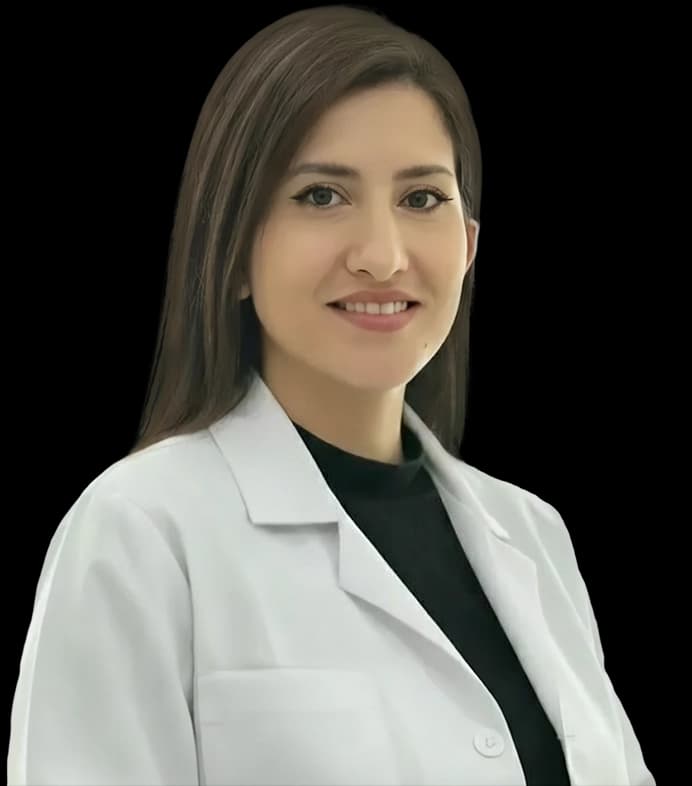
Dr. Duaa Okkeh practices endocrinology, diabetes and internal medicine, with a focus on hormonal and metabolic disorders. Her published scope includes type 1 an…
Hours not listedInsurance not specified8 views
Trusted medical platform in Jordan

علاج أمراض الغدة النخامية
Treatment of pituitary gland disorders is a medical pathway aimed at correcting the hormones produced by a small gland at the base of the brain that works like a control panel for the thyroid, the adrenal glands, the gonads, growth and water balance. Because of this, complaints vary widely: chronic fatigue, low libido or menstrual irregularity, milk discharge from the breast without pregnancy, changes in facial features and hand size, unexplained weight change, thirst with heavy urination, or headache with loss of part of the visual field. Pituitary disease falls into three groups: excess production of a particular hormone, as in a prolactin-secreting tumour, growth hormone excess or excess adrenocorticotrophic hormone; deficiency of one or more pituitary hormones; and symptoms from the mass itself when a tumour presses on the optic nerves. Assessment begins with hormone blood tests, may include dynamic stimulation or suppression testing, and is followed by dedicated pituitary MRI and formal visual field testing when a mass is present. Treatment options differ by diagnosis. Many prolactin-secreting tumours are treated medically with dopamine agonist drugs and never need surgery; other tumours are removed surgically through the nose and sphenoid sinus; radiotherapy is used in selected cases; and hormone deficiency is treated by replacing the missing hormone at doses your doctor sets and adjusts according to blood tests and how you feel. The limits matter. Controlling hormone levels does not necessarily mean the tumour has gone, and hormone replacement compensates for a deficiency without repairing the gland, so it is often long term or lifelong. If a tumour has compressed the optic nerve for a long time, recovery of vision may be only partial. It is also a common myth that any pituitary tumour means cancer or demands urgent surgery: most are benign and many are managed with medication or surveillance. Which option suits you is determined by clinical examination and your endocrinologist's assessment alongside your results, not by reading an article.
Your doctor takes a detailed history of fatigue, menstrual pattern, libido, vision, headache, thirst, hand and foot size and facial features, screens the visual fields at the bedside, and asks about medicines, childbirth, head injury and previous radiotherapy, to decide whether the suspicion is hormone excess, deficiency or a compressive mass.
Pituitary and target-gland hormones are measured, many of them in the morning because their levels change through the day. When needed, stimulation or suppression tests lasting one to two hours are performed in the laboratory, and results are always interpreted together with the clinical picture rather than in isolation.
A dedicated pituitary MRI, with contrast where required, defines whether a tumour is present, its size and its relationship to the optic chiasm, and formal visual field testing is performed by an ophthalmologist. Imaging is repeated during follow-up to compare size over time.
The plan follows the diagnosis: medication for a prolactin-secreting tumour, transnasal surgery for other tumours, radiotherapy in selected cases, hormone replacement for deficiency, or regular surveillance for a small tumour with no hormonal disturbance. Benefits, risks and alternatives are explained before starting.
Blood tests, imaging and visual fields are repeated at intervals your doctor sets, and doses are adjusted for pregnancy, illness, surgery and travel. Anyone on adrenal hormone replacement is trained in sick-day rules and carries a medical identification card, and must never stop the medicine on their own.
Bring all your previous hormone results with their dates, the discs or reports of any pituitary MRI, visual field reports if you have them, and a written list of every medicine and supplement you take, including hormones and steroids in any form, whether tablets, inhalers, creams or joint injections, because these change how results are interpreted. Tell your doctor if you are pregnant, breastfeeding or planning a pregnancy. Ask before the appointment which tests need fasting or an early morning sample, and whether you should take your usual dose at the normal time or delay it on the day of testing, and never adjust a medicine yourself. Stop biotin-containing supplements before testing if your doctor advises, as they can interfere with some hormone assays. Keep a note of headaches, visual changes and how much you drink and pass before the visit.
Take your medicine at exactly the dose and times prescribed, and never stop or reduce a replacement hormone on your own even if you feel better, because stopping adrenal hormone replacement can be life threatening. If you are on replacement therapy, learn sick-day rules with your doctor and carry a medical identification card showing your diagnosis and medicines. Attend your blood test, MRI and visual field appointments even when you feel well, and tell any doctor or dentist about your condition before any procedure or operation. Inform your doctor if you become pregnant or plan to, because the plan changes. **Go to the emergency department immediately for a sudden severe headache with nausea, vomiting and worsening or double vision, which may be pituitary apoplexy, or for vomiting, diarrhoea, low blood pressure, dizziness and profound weakness suggesting acute adrenal insufficiency, or for extreme thirst with very heavy urination and dehydration, or for confusion or a seizure.**
The assessment visit usually takes 30 to 45 minutes, with tests, MRI and visual fields completed over one to two weeks, followed by review every three to six months.
Dr. Duaa Okkeh practices endocrinology, diabetes and internal medicine, with a focus on hormonal and metabolic disorders. Her published scope includes type 1 an…
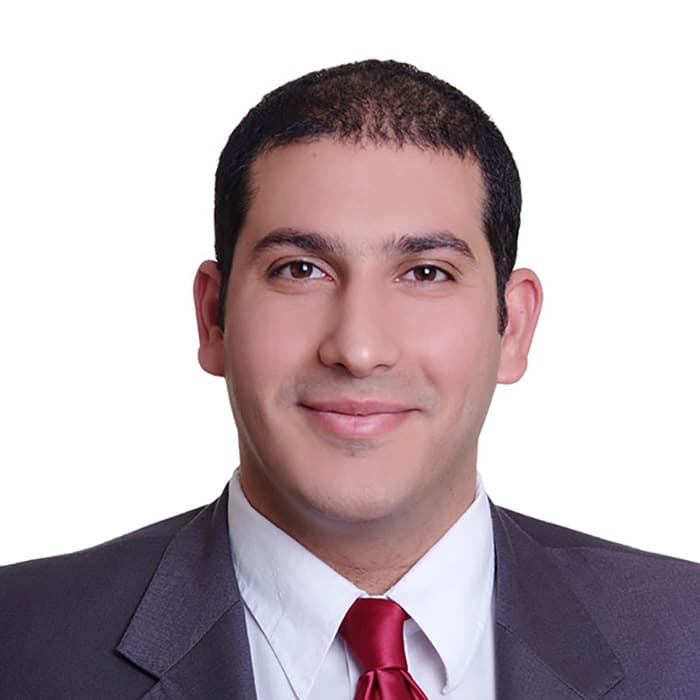
Dr. Rami Abdullah Salameh specialises in endocrinology and diabetes. He graduated from the University of Jordan, completed internal medicine residency at McLare…
There are currently 2 doctor profiles linked to Treatment of pituitary gland conditions on ClinicsJo. Review the listed services and contact the practice to confirm availability with the doctor and branch you choose.
Start with an available doctor's profile and use the contact or booking options shown there. Confirm the service, practice location and appointment time with the clinic. If this list is empty, broaden your search using the directory links on this page.
Ask the practice for the current price and what it includes. A consultation fee shown on a profile is not necessarily the price of a procedure, tests or follow-up. Confirm any additional charges and insurance arrangements before your visit.