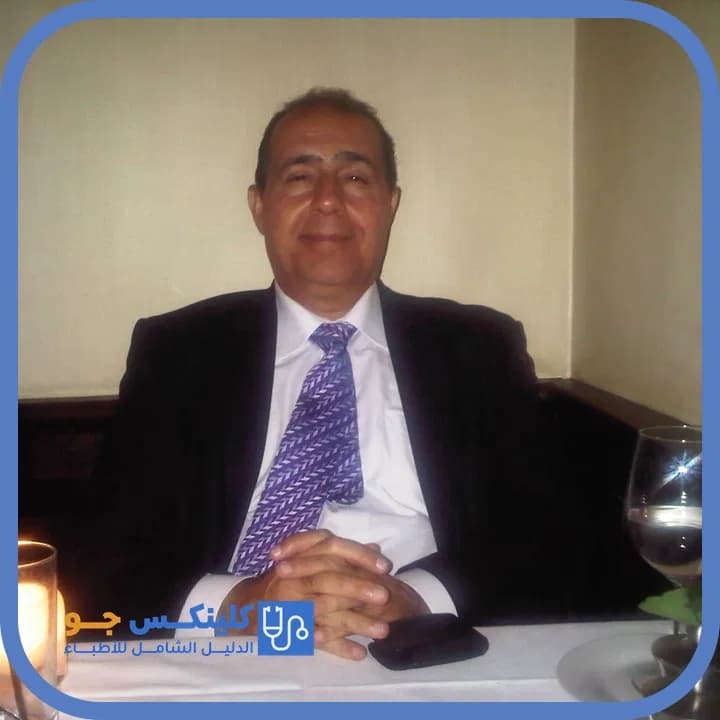
King Abdullah University Hospital Specialty Outpatients
Sign in to the platform to view the phone number
44 viewsHours 10:00–17:00 · 6 days a weekInsurance not specified
Trusted medical platform in Jordan

If you are looking for the best clinical laboratory specialists in Jordan, this page lists six pathology and laboratory medicine consultants from our directory. Three work in Jubaiha, Amman, and three in Ramtha, Irbid. They are ordered by how complete their published profiles are, not by clinical quality. Use the cards to compare subspecialties, qualifications and hours, then contact the department to arrange a referral or ask about a report.
| # | Doctor | Area | Rating | Experience | Consultation | Hours | Insurance | Suits | Profile score |
|---|---|---|---|---|---|---|---|---|---|
| 1 | Hamed Mahd Alzoubi | Ramtha | — | — | — | 6 days · 10:00–17:00 | — | Medical microbiology and infection test enquiries in Ramtha, Irbid | 17/100 |
| 2 | Rakan Fayez El-Hamad | Ramtha | — | — | — | 6 days · 10:00–17:00 | — | Clinical laboratory and microbiology enquiries for patients in northern Jordan | 17/100 |
| 3 | Ziad Ali Elnasser | Ramtha | — | — | — | 6 days · 10:00–17:00 | — | Clinical microbiology and immunology test questions in Ramtha, Irbid | 17/100 |
From each profile as published today: approved reviews only, consultation fees only where the profile states them, confirmed weekly hours (the most common shift). «—» means the profile does not publish it.
Dr. Hamed Mahd Alzoubi practises medical microbiology at King Abdullah University Hospital Specialty Outpatients in Ramtha, Irbid. His profile names the Jordanian Board of Pathology and Microbiology and a doctorate in Pathology and Microbiology from the University of Manchester. Medical microbiology deals with infections: identifying bacteria, viruses, fungi and parasites in samples and showing which treatments they are likely to respond to. The profile advises that enquiries about tests or specimen reports go through the pathology and laboratory department, with an explanation of the service requested and the referring clinician's request. This profile may suit patients in the north of Jordan with questions about infection-related tests.
Suits: Medical microbiology and infection test enquiries in Ramtha, Irbid
Dr. Rakan Fayez El-Hamad practises clinical laboratory medicine and microbiology at King Abdullah University Hospital Specialty Outpatients in Ramtha, Irbid. His published qualifications are the Jordanian Board of Microbiology and a British Fellowship in Microbiology from the Royal College of Pathologists. His listed service covers both general clinical laboratory medicine and microbiology, so it spans routine laboratory testing as well as infection-focused work. The profile asks that enquiries about tests or specimen reports go to the pathology and laboratory department, with the requested service and the referring clinician's request explained. This profile may suit patients and referring doctors in Irbid governorate who need help with laboratory or culture results.
Suits: Clinical laboratory and microbiology enquiries for patients in northern Jordan
Dr. Ziad Ali Elnasser practises clinical microbiology and immunology at King Abdullah University Hospital Specialty Outpatients in Ramtha, Irbid. His profile lists a doctorate in Pathology and Microbiology from Brigham Young University and a degree in Medicine and Surgery from the University of Jordan. His listed service combines microbiology, the study of infections, with immunology, which looks at how the immune system responds and covers tests such as antibody measurements. The profile advises that enquiries about tests or specimen reports go through the pathology and laboratory department, with the service requested and the referring clinician's request explained. This profile may suit patients whose doctor has requested immunology or infection-related tests.
Suits: Clinical microbiology and immunology test questions in Ramtha, Irbid
Every matching doctor profile in this country was scored out of 100 for how complete and checkable its published information is, and the highest scores appear here in order. Featured placement does not change a profile's score, and the score does not measure treatment quality or outcomes — it tells you how much you can check before you call.
Ties are broken by the number of approved reviews, then published years of experience. Confirm the service, branch, appointment, fees and insurance coverage with the practice before visiting.
Clinical laboratory specialists and pathologists are the doctors behind your test results. They examine and interpret samples such as blood, urine, swabs, body fluids, bone marrow and tissue removed during a biopsy or operation. Their reports help your treating doctor confirm a diagnosis, choose a treatment and check whether it is working.
Most people never book a pathologist the way they book a family doctor. Usually your physician or surgeon requests the test, and the laboratory team reports back to them. You may still deal with the laboratory directly in some situations:
Laboratory consultations are not emergency services. Call 911, or go to the nearest emergency department, for chest pain, difficulty breathing, signs of stroke (face drooping, arm or leg weakness, slurred speech), heavy bleeding, fainting, a severe allergic reaction, or high fever with a stiff neck, confusion or a rash that does not fade under pressure. If a laboratory or doctor contacts you about an urgent or critical result, follow their instructions straight away rather than waiting for a routine appointment.
People searching for the best clinical laboratory specialists in Jordan are usually looking for the right match for a particular test or report. These points can help you compare the six profiles:
A pathology or laboratory consultation is usually a discussion of results, not a physical examination. Preparation makes it far more useful.
What to bring:
Questions you may want to ask:
If you are giving a new sample, follow the collection instructions you receive. Some blood tests need fasting or a set time of day, and some cultures should be taken before antibiotics start. Do not stop or change any medicine to prepare for a test unless the doctor who prescribed it tells you to. Treatment decisions normally stay with your treating doctor, who puts the laboratory findings in the context of your symptoms and examination.
Laboratory consultations are often arranged through a hospital department rather than a private clinic. Before you go, ask the department:
When you call, explain the service you need and the referring clinician's request. This is the approach the microbiology profiles recommend, and it helps staff send you to the right person first time.
This is a Kingdom-wide list for Jordan, so each profile states its own city, district and facility. Before you travel:
None of the Clinical Laboratory doctor profiles in Jordan on ClinicsJo shows a consultation fee yet (profiles: 6), so we do not quote an estimated figure. The clinic or doctor sets the price after assessing your case, and it varies between clinics for the reasons below.
Before booking, ask the clinic for the all-inclusive price and what it covers, any extra tests or scans, how many follow-up visits are included, the payment options, and whether your insurance is accepted. You can reach them through the contact details on the profiles on this page.
When clinics publish offers, prices or consultation fees, they appear on the offers page and in this section. Offers on ClinicsJo
Prepared by: the ClinicsJo editorial team. Last updated 18 October 2026.
List data: the doctor and clinic profiles published on ClinicsJo — services, doctors, hours, insurers and addresses entered by the providers or compiled by our team from public sources. Reviews appear only after moderation, the verified badge only on profiles the platform administration verified, and no price appears unless the profile itself publishes it. Where the data comes from and how lists are ordered · Medical content policy
Health references: the health information in the guide is general and written to agree with the guidance of major health bodies. To read further or check it:
The full directory behind this list, and our other shortlists for the same topic and place.
This page helps you compare published profiles; it is not medical advice and does not rank clinical skill. In an emergency call 911 or go to the nearest emergency department.