Sharif Eye Center — Amman
Sign in to the platform to view the phone number
Trusted medical platform in Jordan

If you searched for the best eye doctors in Jabal Amman, this page lists six ophthalmologists who all practise at Sharif Eye Center — Amman. They are drawn from the nine eye-care profiles on ClinicsJo for this area. The order reflects a published profile-completeness score, not treatment quality. Use it to compare subspecialties, qualifications, services and confirmed hours, then match a doctor to your eye problem.
| # | Doctor | Area | Suits | Profile score |
|---|---|---|---|---|
| 1 | Khaled Sharif | Jabal Amman | Keratoconus, corneal conditions, laser vision correction and cataract surgery | 40/100 |
| 2 | Lana Hubaishy | Jabal Amman | Short-sightedness, astigmatism and assessment for laser vision correction | 38/100 |
| 3 | Fawwaz Al Mamoori | Jabal Amman | People with diabetes needing retinal screening or retinal treatment | 37/100 |
| 4 | Farid Zawaydeh | Jabal Amman | Cataract assessment and surgery, and inflammatory eye conditions such as uveitis | 35/100 |
| 5 | Zuhair Sharif | Jabal Amman | General eye examinations, vision assessment and first ophthalmology consultations | 34/100 |
| 6 | Hala Makahleh | Jabal Amman | Astigmatism and consultations about laser vision correction | 34/100 |
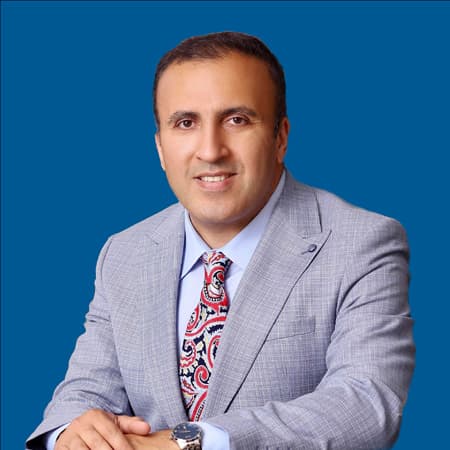
Dr. Khaled Sharif is a consultant ophthalmologist and medical director of Sharif Eye Centers. He holds fellowships of the Royal College of Surgeons in Glasgow and the Royal College of Ophthalmologists in London. He co-authored an atlas of corneal dystrophies and degenerations with T. A. Casey and has trained ophthalmic surgeons in refractive procedures. His published services cover LASIK and laser vision correction, corneal topography and imaging, corneal cross-linking and other keratoconus treatment, permanent lens implantation, keratoplasty and cataract surgery. Consultations at the Amman branch are arranged through the centre once the clinic session is confirmed. Confirmed hours run Saturday to Thursday, 09:00–22:00.
Suits: Keratoconus, corneal conditions, laser vision correction and cataract surgery
Dr. Lana Hubaishy is an ophthalmology specialist who holds a medical degree from the University of Jordan and the Jordanian Board in Ophthalmology. She also completed fellowship training in refractive laser surgery. As part of the Sharif Eye Centers team, she focuses on refractive assessment and on vision correction options based on each patient's examination and corneal condition. Her listed services include LASIK and laser vision correction, corneal topography and imaging, corneal examination, myopia correction and astigmatism treatment. Appointments at the Amman branch in Jabal Amman should be confirmed through the centre. Confirmed hours are Saturday to Thursday, 09:00–22:00.
Suits: Short-sightedness, astigmatism and assessment for laser vision correction
Dr. Fawwaz Al Mamoori is a consultant ophthalmologist and medical retina specialist who leads the retinal unit at Sharif Eye Centers. He studied medicine at Al-Mustansiriyah University in Baghdad, graduating in 2004. He completed a medical retina fellowship at Moorfields Eye Hospital in London and earned a specialist diploma in ophthalmology from the University of Lugano, Switzerland. He also holds membership of the Royal College of Ophthalmologists, London. His published services include retina surgery consultation, intravitreal injection, retinal photocoagulation, diabetic retinopathy treatment and diabetic eye screening. He sees patients at the centre's Jabal Amman branch, with confirmed hours from Saturday to Thursday, 09:00–22:00.
Suits: People with diabetes needing retinal screening or retinal treatment
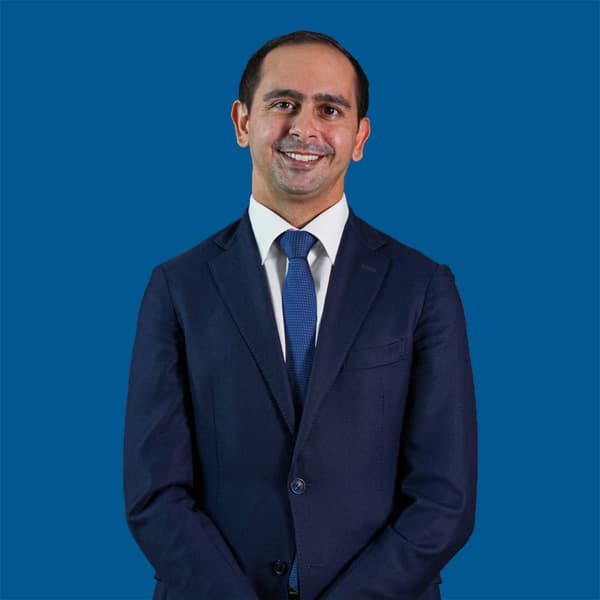
Dr. Farid Zawaydeh leads the cataract surgery division at Sharif Eye Centers. He holds the FRCS in Ophthalmology and completed UK fellowship training in ocular immunology and uveitis. His earlier experience includes heading the ocular immunology and uveitis service at Jordan's Royal Medical Services. His scope covers cataract assessment and surgery as well as care for inflammatory eye conditions. Published services are cataract surgery, phacoemulsification with intraocular lens implant, and intraocular lens implantation. He practises at Sharif Eye Center — Amman in Jabal Amman, which has confirmed hours from Saturday to Thursday, 09:00–22:00.
Suits: Cataract assessment and surgery, and inflammatory eye conditions such as uveitis
Dr. Zuhair Sharif is an ophthalmology specialist with the Jordanian Board in Ophthalmology. He holds MSc degrees in Clinical Ophthalmology from University College London and the University of Jordan, and he graduated in medicine and surgery from the University of Birmingham. His academic work includes chapters on presbyopia, intraocular lens selection and retinopathy of prematurity, with research interests in low vision, visual impairment and ocular disease. He belongs to the European Society of Cataract and Refractive Surgeons. His listed services are eye examination, vision assessment and ophthalmology consultation. Amman consultations are arranged through the centre, which has confirmed hours from Saturday to Thursday, 09:00–22:00.
Suits: General eye examinations, vision assessment and first ophthalmology consultations
Dr. Hala Makahleh is an ophthalmology specialist who graduated from the University of Jordan's School of Medicine. She holds the Arab Board in Ophthalmology and membership of the Royal College of Ophthalmologists in the UK, and she completed fellowship training in refractive laser surgery. She works with the Sharif Eye Centers team, where her work includes vision assessment and discussing which refractive correction options are suitable. Her published services include LASIK and laser vision correction, corneal topography and imaging, corneal examination and astigmatism treatment. She is based at the Jabal Amman branch, with confirmed hours from Saturday to Thursday, 09:00–22:00.
Suits: Astigmatism and consultations about laser vision correction
Every matching doctor profile in this area was scored out of 100 for how complete and checkable its published information is, and the highest scores appear here in order. Featured placement does not change a profile's score, and the score does not measure treatment quality or outcomes — it tells you how much you can check before you call.
Ties are broken by the number of approved reviews, then published years of experience. Confirm the service, branch, appointment, fees and insurance coverage with the practice before visiting.
An ophthalmologist is a medical doctor who diagnoses and treats eye disease. They also correct vision and operate on the cornea, lens and retina. Common reasons to book include:
Call 911 or go to an emergency department straight away if you have:
All six doctors on this page work from Sharif Eye Center — Amman in Jabal Amman. So the choice is less about location and more about matching a doctor's published focus to your problem. Based on their profiles:
Beyond subspecialty, look at the qualifications each profile publishes, such as board certification and fellowship training in the area you need. Before any procedure, ask how the doctor decides whether it suits you and which tests that decision depends on. For any planned surgery, getting a second opinion is reasonable.
Remember that the order on this page reflects how complete each profile is. It does not reflect skill or outcomes.
If you are booking a laser vision correction assessment, ask the centre whether you need to stop wearing contact lenses beforehand. Lenses can temporarily change the shape of the cornea and affect the measurements.
A typical eye assessment may include several tests:
Refractive assessments usually add corneal mapping (topography). Many examinations use dilating drops, which can blur your vision and make you sensitive to light for several hours. Do not drive yourself home, and bring sunglasses.
Several of the doctors' profiles state that Amman consultations are arranged through the centre once the individual clinic session is confirmed. When you call or message to book, ask:
All six doctors are based at the centre's branch in Jabal Amman, in Amman governorate. Patients often come from across the city, including Abdoun, Shmeisani, Sweifieh, the Gardens, Khalda, Dabouq, Jubeiha, Tla' Al-Ali and the 7th Circle area. Ask for the exact address and parking details when you confirm your appointment.
If your visit is likely to include dilating drops, arrange a taxi or ask someone to drive you. The evening hours until 22:00 can help if you work during the day.
For emergencies, especially outside clinic hours, call 911 or go to a hospital emergency department. Options in Amman include Jordan University Hospital, Al-Bashir Hospital, King Hussein Medical Center, Istishari Hospital and Specialty Hospital.
This page helps you compare published profiles; it is not medical advice and does not rank clinical skill. In an emergency call 911 or go to the nearest emergency department.