Istiklal Hospital Outpatient Clinics
Sign in to the platform to view the phone number
Treatments
Trusted medical platform in Jordan

If you are searching for the best Head & Neck Surgery Specialists in Amman, this page lists five ENT surgeons on ClinicsJo who include head and neck surgery among their sub-specialties. They are ordered by how complete and checkable their published profiles are, not by clinical skill. Compare their clinics, listed services, qualifications and hours below, then use the guidance to choose a doctor and prepare for your visit.
| # | Doctor | Area | Suits | Profile score |
|---|---|---|---|---|
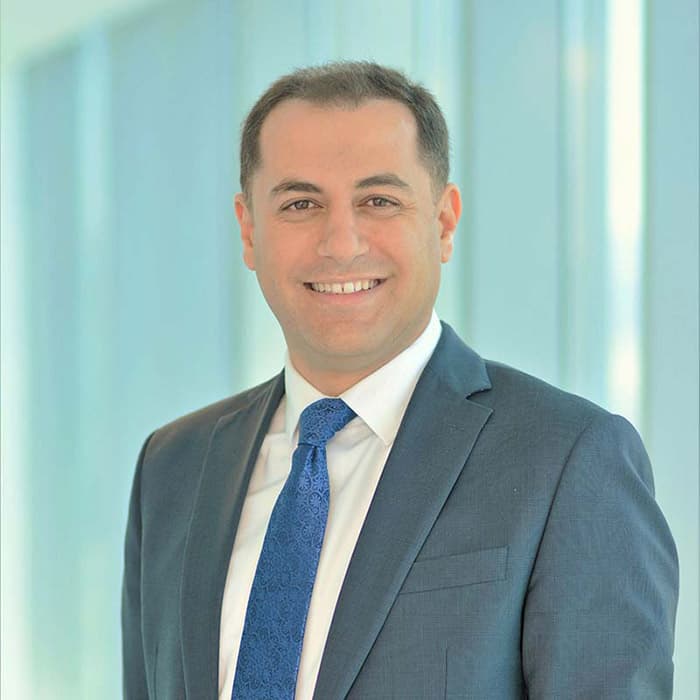
| 1 | Mohammad Al-Khatatba | Arjan | Nose, sinus and ear surgery questions; NatHealth members | 45/100 |
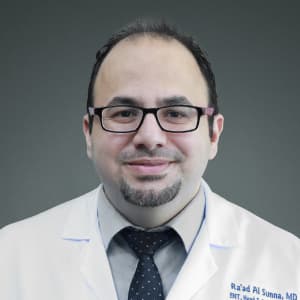
| 2 | Ra’ad Alsunna | Jubaiha | Head & Neck Surgery | 31/100 |
| 3 | Ammar Riyad Momani | Fifth Circle | Hoarseness, vocal cord or tinnitus concerns near Fifth Circle | 26/100 |
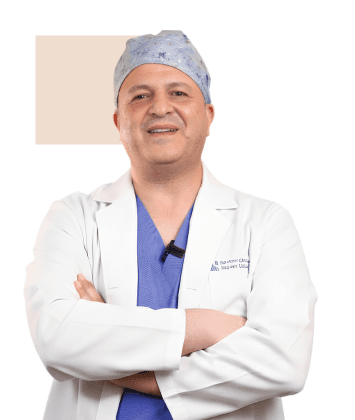
| 4 | Rami Al Salman | Abdali | Chronic sinus problems, smell loss or nasal and sinus tumour assessment | 22/100 |
| 5 | Wissam Qarqaz | Khalda | Thyroid, neck or nasal surgery consultations in the Khalda area | 20/100 |
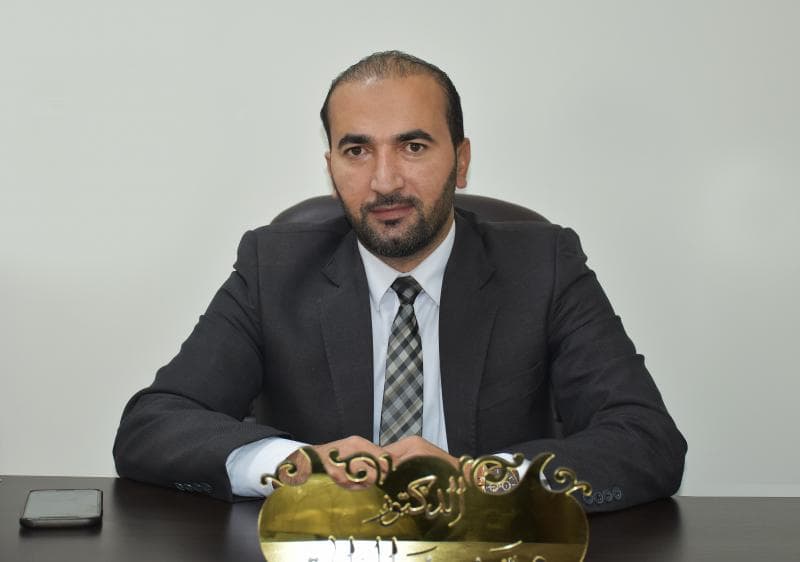
Dr. Mohammad Al-Khatatba is an ENT specialist whose sub-specialties include ENT surgery, nasal endoscopy and head and neck surgery. His published qualifications include a medical degree from the University of Jordan, the Jordanian, Arab and European Boards in ENT, a Swiss rhinoplasty fellowship and an Italian fellowship in nasal surgery and head and neck tumours. He sees patients at Istiklal Hospital Outpatient Clinics in Arjan, Amman (clinic 213, second floor). Listed services include rhinoplasty, endoscopic sinus surgery, septoplasty, tympanoplasty, nasal polyp removal, snoring treatment, adenoidectomy and cochlear implantation. Confirmed hours are Saturday to Thursday, 08:00–16:00, and NatHealth is listed among accepted insurers.
Suits: Nose, sinus and ear surgery questions; NatHealth members
Ra’ad Alsunna serves at King Hussein Cancer Center as eNT, Head and Neck Surgery & Microvascular Consultant. Professional qualifications include: Jordanian Board of the ENT and Head & Neck Surgery / Jordan Medical Council. Education and training include: 2025: Clinical Fellowship in Advanced Head & Neck, and Microvascular Reconstruction, Sir Charles Gairdner Hospital (SCGH), Perth, Australia; 2015-2020: Resident, Jordan University Hospital and Al Bashir Hospital, Jordan.
Suits: Head & Neck Surgery
Dr. Ammar Riyad Momani is an ENT specialist with sub-specialties in ENT surgery, head and neck surgery, and voice and laryngology. His biography states that he holds the Jordanian Board in ENT and head and neck surgery. His practice, Dr Ammar Momani ENT Clinic, is at Fifth Circle, Amman, on the first floor of Abdoun Clinics Complex opposite the Arab Medical Center emergency entrance. Listed services include ENT consultations, tinnitus assessment, voice and vocal cord assessment, and nasal surgery and rhinoplasty consultations. Confirmed hours are Saturday to Wednesday 09:00–17:00 and Thursday 09:00–14:00. His profile advises calling ahead to confirm your appointment time and the service you need.
Suits: Hoarseness, vocal cord or tinnitus concerns near Fifth Circle
Dr. Rami Al Salman is an ENT specialist whose sub-specialties include ENT surgery, nasal endoscopy, paediatric ENT and head and neck surgery. His biography describes a focus on nasal and sinus disease and endoscopic anterior skull base surgery at Abdali Hospital, a Canadian fellowship at the University of British Columbia, and Jordanian ENT, head and neck board certification. He sees patients at Abdali Hospital Outpatient Clinics in Abdali, Amman. Listed services are nasal and sinus consultation, endoscopic sinus surgery, smell and taste disorder assessment, nasal and sinus tumour consultation, and endoscopic anterior skull base surgery. His biography notes that the need for medication or surgery is decided after reviewing the patient’s condition and investigations.
Suits: Chronic sinus problems, smell loss or nasal and sinus tumour assessment
Dr. Wissam Qarqaz is described in his biography as a consultant in ENT, head, neck and thyroid surgery at Saudi Hospital in Khalda, Amman. He graduated from Jordan University of Science and Technology, completed higher specialty training in ENT there, and holds Jordanian board certification in the specialty. He sees patients at Saudi Hospital Specialist Outpatient Clinics. Listed services include ENT consultation, head and neck surgery consultation, thyroid surgery consultation and nasal surgery consultation. According to his profile, hospital reception coordinates consultations, at which the doctor reviews the condition and any reports and discusses the options.
Suits: Thyroid, neck or nasal surgery consultations in the Khalda area
Every matching doctor profile in this area was scored out of 100 for how complete and checkable its published information is, and the highest scores appear here in order. Featured placement does not change a profile's score, and the score does not measure treatment quality or outcomes — it tells you how much you can check before you call.
Ties are broken by the number of approved reviews, then published years of experience. Confirm the service, branch, appointment, fees and insurance coverage with the practice before visiting.
Head and neck surgery is a branch of ENT (ear, nose and throat) surgery. It covers conditions of the neck, throat, voice box, mouth, nose and sinuses, salivary glands and thyroid. Specialists assess both benign problems, such as chronic sinus disease, nasal polyps or thyroid nodules, and suspected tumours in these areas. Many patients see a family doctor first and are then referred to a specialist.
Book a specialist assessment if you notice:
Most of these turn out to have a non-cancerous cause. However, mainstream guidance, including the NHS, says persistent symptoms should be checked rather than watched indefinitely. Smoking, heavy alcohol use and some HPV infections raise the risk of head and neck cancers, so tell your doctor about them.
Call 911 or go straight to the nearest emergency department if you have any of the following:
After neck or thyroid surgery, new breathing difficulty or a swelling wound in the neck is also an emergency.
All five doctors are ENT specialists who list head and neck surgery among their sub-specialties, but their published focus differs. Start by matching the profile to your problem:
Then consider these points:
The order on this page reflects how complete each profile is, not clinical skill. When people look for the best head and neck surgery specialists in Amman, the most useful step is usually finding the doctor whose published focus matches the symptom.
The doctor will ask about your symptoms and medical history, then examine your ears, nose, mouth and neck. Many clinics use nasendoscopy: a thin, flexible camera passed through the nose to view the throat and voice box. It is usually quick and is often done after a local anaesthetic spray.
Depending on the findings, the doctor may arrange further tests:
Before you go, confirm:
You book directly with each clinic or hospital outpatient desk, using the contact options on each profile. Some hospital clinics arrange appointments through reception, so allow time for your booking to be confirmed.
Amman is home to around 5 million people and the kingdom's largest concentration of hospitals and specialty clinics. Major hospitals include:
The clinics listed here are spread across the city. One is at King Hussein Cancer Center and another is in Khalda. Others are in different parts of the capital, so check the exact address on each profile before setting out rather than assuming it is next to a major hospital.
A few practical tips:
This page helps you compare published profiles; it is not medical advice and does not rank clinical skill. In an emergency call 911 or go to the nearest emergency department.