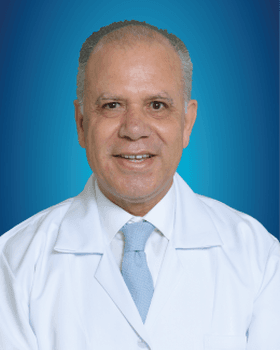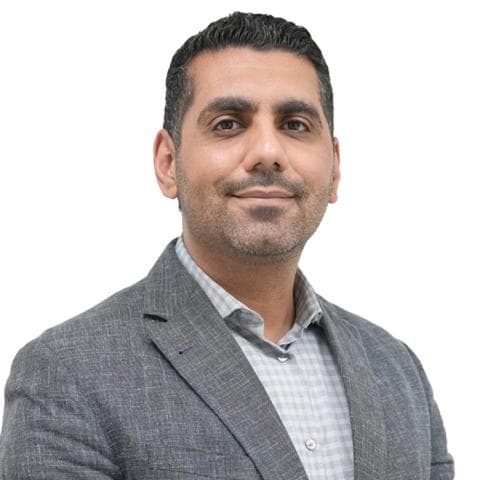
Abdali Hospital Outpatient Clinics
Sign in to the platform to view the phone number
Hours 10:00–17:00 · 6 days a weekInsurance not specified28 views
Trusted medical platform in Jordan

If you are looking for the best hematology specialists in Amman, this page lists four doctors whose profiles mention hematology, including blood disorders and blood cancers. They are ordered by how complete their published profile information is, not by clinical skill. You can compare their clinics, services and areas here, then use the practical guide below to prepare questions, tests and insurance checks before you book.
| # | Doctor | Area | Suits | Profile score |
|---|---|---|---|---|
| 1 | Laith Al Showbaki | Abdali | Blood cancer questions or reviewing an existing cancer treatment plan | 20/100 |
| 2 | Osama Abu Hlalah | Abdali | Discussing medical treatment options or targeted therapy and immunotherapy follow-up | 19/100 |
| 3 | Maysara Alqam | Jabal Amman | Ongoing follow-up of blood disorders, with English-language consultations available | 19/100 |
| 4 | Ali Al Swailmeen | Abu Nseir | Residents of north Amman wanting hematology or internal medicine consultations | 19/100 |
Dr. Laith Al Showbaki provides oncology and hematology consultations at Abdali Hospital Outpatient Clinics in Abdali, Amman. His biography states that he holds Jordanian board certifications in medical oncology and internal medicine. He completed a Canadian fellowship in breast and gastrointestinal oncology at the University of Toronto and Princess Margaret Cancer Centre, and trained in hematology, oncology and bone-marrow transplantation at the University of Jordan. Listed services include blood malignancies, breast cancer assessment and follow-up, gastrointestinal cancers and cancer treatment plan review. His biography says consultations focus on pathology, imaging, previous treatment and disease stage, so bringing complete reports is useful.
Suits: Blood cancer questions or reviewing an existing cancer treatment plan
Dr. Osama Abu Hlalah is a consultant in hematology and oncology at Abdali Hospital Outpatient Clinics in Abdali, Amman. His biography states that he completed a hematology and oncology fellowship at East Tennessee State University and holds American and Jordanian board certifications. It also describes experience overseeing cancer drug treatments, including biological, targeted and immune therapies, and working in bone marrow transplantation. Published services are hematology and oncology consultation, assessment of medical cancer treatment options, and follow-up for targeted therapy and immunotherapy. According to his profile, consultations centre on the diagnosis, pathology findings and investigations, with the aim of discussing suitable treatment options.
Suits: Discussing medical treatment options or targeted therapy and immunotherapy follow-up
Dr. Maysara Alqam is a consultant in hematology and oncology at Jordan Hospital and Medical Centre Outpatient Clinics in Jabal Amman. His profile lists English as a language. His practice covers assessment and follow-up of blood disorders and cancer, including review of the diagnosis, investigations and previous treatment. Published services are hematology consultations, oncology consultations, and hematology and oncology follow-up. His biography asks patients to bring available pathology reports, blood tests, imaging and medication lists so the condition and next steps can be discussed clearly. It also advises arranging the consultation time and location with Patient Services before visiting.
Suits: Ongoing follow-up of blood disorders, with English-language consultations available
Dr Ali Al Swailmeen is an internal medicine doctor with a hematology subspecialty. He sees patients for hematology, oncology and internal medicine consultations at his own clinic in Abu Nseir, Amman. His biography places the clinic in Al Assaf Complex, opposite Abu Nseir Grand Mosque. His profile publishes confirmed opening hours: Saturday 10:00–15:00, Sunday 10:00–19:30, Monday 15:00–18:00, Tuesday 10:00–19:30, Wednesday 15:00–18:00 and Thursday 10:00–15:00. Afternoon and early evening slots on several days may help people who work. His biography advises calling the clinic to arrange a consultation or follow-up visit.
Suits: Residents of north Amman wanting hematology or internal medicine consultations
Every matching doctor profile in this area was scored out of 100 for how complete and checkable its published information is, and the highest scores appear here in order. Featured placement does not change a profile's score, and the score does not measure treatment quality or outcomes — it tells you how much you can check before you call.
Ties are broken by the number of approved reviews, then published years of experience. Confirm the service, branch, appointment, fees and insurance coverage with the practice before visiting.
Hematology is the branch of medicine that deals with the blood, bone marrow, lymph system and clotting. A hematologist assesses and manages conditions such as:
Many people reach a hematologist through a general practitioner or internist after an abnormal complete blood count. Consider booking an assessment, or asking your doctor about a referral, if you notice:
Call 911 or go to the nearest emergency department for:
A painful, swollen, warm leg also needs medical assessment the same day.
All four profiles mention hematology, but they are set up differently. A few practical points help narrow the choice:
Remember that the order on this page reflects how complete each profile is, not which doctor will suit you best.
A first hematology consultation usually starts with a detailed history: your symptoms, when they began, past illnesses, medicines and family history. The doctor will usually examine you, which may include checking for enlarged lymph nodes, an enlarged spleen, bruising or signs of anaemia. Previous results are reviewed, and new blood tests are often requested. Some conditions need further investigation, such as imaging or a bone marrow test, but this depends on the situation and will be explained if needed.
It can help to bring a family member to take notes, particularly if you are discussing a new diagnosis.
Costs in hematology often go beyond the consultation itself, because blood tests and imaging are common. Before you book, ask:
For doctors working in hospital outpatient clinics, booking is often handled by the hospital. Dr. Maysara Alqam's profile, for example, advises arranging the time and location with Patient Services. Dr Ali Al Swailmeen's profile advises calling his clinic directly. Confirm the fee and coverage on the day you book, as the clinic is the only reliable source for current charges.
Amman is the capital and home to the largest concentration of hospitals and specialty clinics in Jordan, so traffic around medical areas can be heavy. The city spreads across districts such as Abdoun, Jubeiha, Sweifieh, Gardens, Khalda, Tla' Al-Ali, Shmeisani, 7th Circle and Dabouq. Large hospitals in the capital include Jordan University Hospital, King Hussein Medical Center, Al-Bashir Hospital, King Hussein Cancer Center, Specialty Hospital and Istishari Hospital.
The four profiles here are in different parts of the city. Two share the same hospital outpatient clinic, one is at another hospital's outpatient clinics, and one is a private clinic in the north of the city. Check the address on each profile card and compare it with where you live or work. If your appointment includes blood tests, allow extra time for the lab and for parking. Many tests are best done before results are reviewed, so ask whether you should arrive early or fast beforehand.
This page helps you compare published profiles; it is not medical advice and does not rank clinical skill. In an emergency call 911 or go to the nearest emergency department.