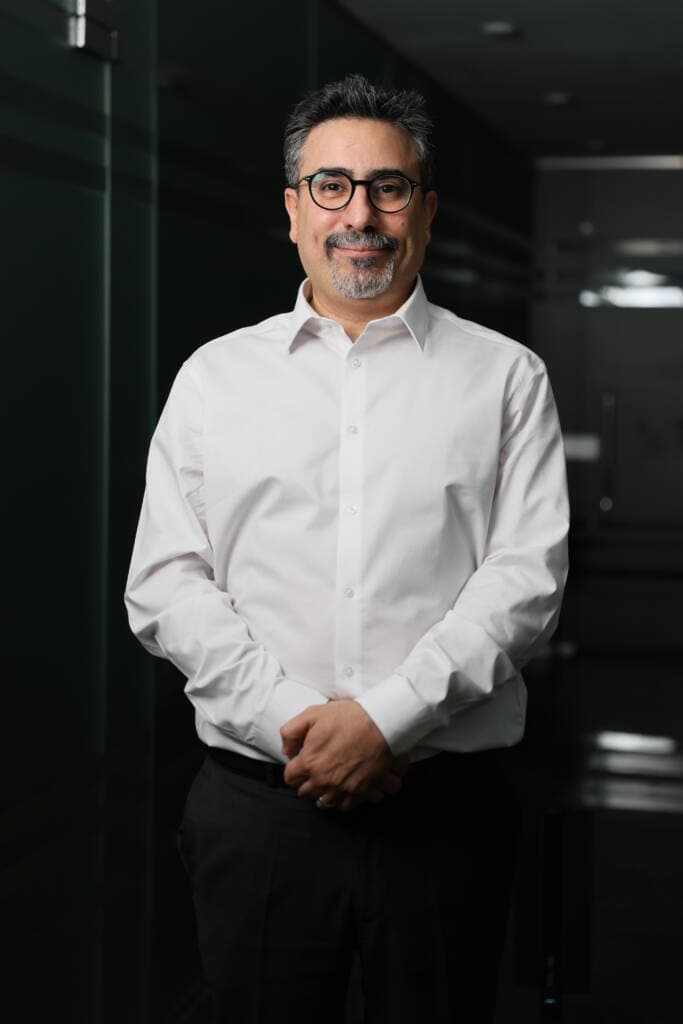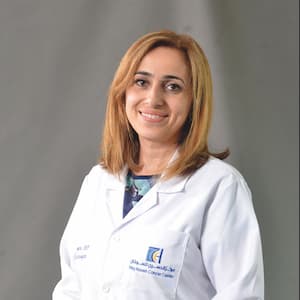
Dr Ghadeer Abdeen Hematology and Oncology Clinic
Sign in to the platform to view the phone number
Trusted medical platform in Jordan

If you searched for the best medical oncology & chemotherapy specialists in Amman, this page lists 10 of the 22 consultant oncologists and haematologist-oncologists on ClinicsJo for the capital. They are ordered by how complete and checkable their published profiles are, not by treatment quality. You can compare their training, services, clinic locations and confirmed hours, then use the guide below to prepare questions before you book.
| # | Doctor | Area | Suits | Profile score |
|---|---|---|---|---|
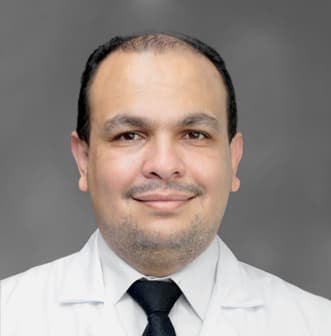
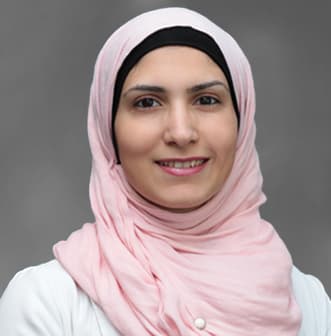
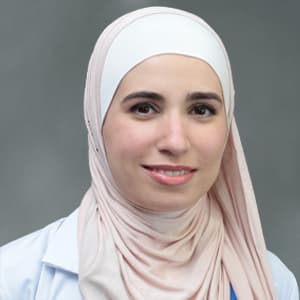
| 1 | Ghadeer Abdeen | Jabal Amman | First assessment of worrying results, blood disorders, Arab Orient members | 43/100 |
| 2 | Taher Abu Hejleh | Shmeisani | Second opinions, lung cancer, treatment planning, remote consultations in Shmeisani | 40/100 |
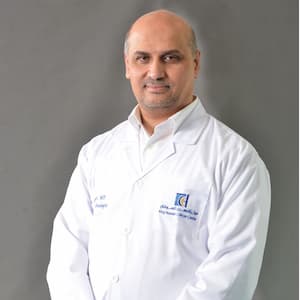
| 3 | Salah Abbasi | Jabal Amman | Blood cancers, anemia or platelet problems, longer weekday hours | 40/100 |
| 4 | Alaa Addasi | Abdali | Lymphoma care, chemotherapy follow-up and survivorship visits in Abdali | 40/100 |
| 5 | Areej Abu Sheikha | Jubaiha | Medical Oncology & Chemotherapy | 31/100 |
| 6 | Baha' Sharaf | Jubaiha | Medical Oncology & Chemotherapy | 31/100 |
| 7 | Husam Abu Jazar | Jubaiha | Medical Oncology & Chemotherapy | 31/100 |
| 8 | Dina Braik | Jubaiha | Medical Oncology & Chemotherapy | 31/100 |
| 9 | Rawan Mustafa | Jubaiha | Medical Oncology & Chemotherapy | 31/100 |
| 10 | Rula Amarin | Jubaiha | Medical Oncology & Chemotherapy | 31/100 |
Dr. Ghadeer Abdeen is a consultant hematologist and oncologist holding the Jordanian Board in Hematology and Oncology from the Jordan Medical Council. Her clinic is in Jabal Amman, and her biography places her practice at Al Yasmeen Medical Complex on Ibn Khaldoun Street. Her published services include initial oncology assessment, hematology and oncology consultation, cancer patient follow-up, blood disorder assessment, investigation review, cancer screening and early cancer detection counselling. Arab Orient Insurance is listed among accepted insurers. Confirmed hours are Saturday to Wednesday 09:30–17:00 and Thursday 09:30–13:30, which gives working patients six days to choose from.
Suits: First assessment of worrying results, blood disorders, Arab Orient members
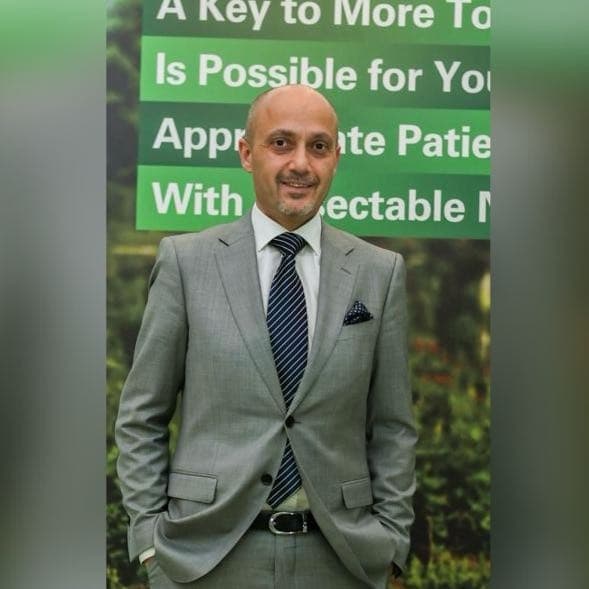
Dr. Taher Abu Hejleh is a consultant haematologist and medical oncologist. He graduated from Jordan University of Science and Technology and holds a master's degree in clinical research from the University of Iowa. He also holds American Board qualifications in internal medicine, haematology and medical oncology and the Jordanian Board in Hematology and Oncology. His biography mentions thoracic oncology leadership in Iowa and clinical, educational and research roles at King Hussein Cancer Center. His services include second opinions, cancer staging, pathology and imaging review, lung cancer care, review of molecular test results, chemotherapy and immunotherapy planning, supportive care and remote consultations. His Shmeisani clinic is open Saturday to Wednesday, 10:00–16:00.
Suits: Second opinions, lung cancer, treatment planning, remote consultations in Shmeisani
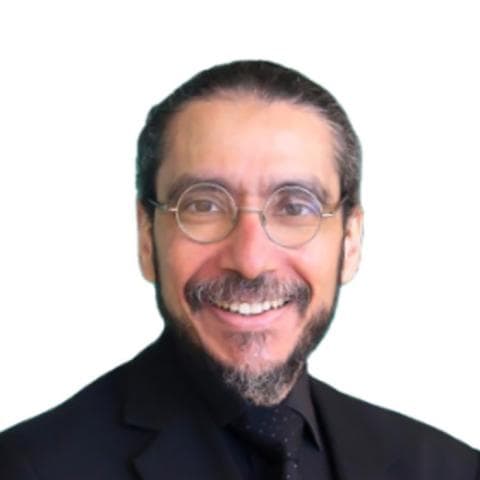
Dr. Salah Abbasi is a consultant hematologist and medical oncologist at Al Khalidi Medical Plaza in Jabal Amman. He earned his medical degree from Jordan University of Science and Technology in 1996. He trained in internal medicine at the University of Iowa, completed a hematology/oncology fellowship at Georgetown/Lombardi Cancer Center and holds American hematology and medical oncology board credentials. His biography notes previous clinical, academic and section-leadership work at King Hussein Cancer Center and teaching at the University of Jordan. His services include tumour assessment and diagnostic review, anemia and platelet disorder assessment, leukemia and lymphoma follow-up, and treatment response and complication follow-up. His hours are Saturday to Wednesday 09:00–18:00 and Thursday 09:00–13:30.
Suits: Blood cancers, anemia or platelet problems, longer weekday hours
Dr. Alaa Addasi practises medical oncology and haematology, with a particular focus on lymphoma and care after cancer treatment. He graduated in medicine and surgery from the University of Jordan and trained in internal medicine at the University of Illinois at Chicago. He then completed a haematology and oncology fellowship at the University of Minnesota. His biography states that he previously directed the lymphoma programme at King Hussein Cancer Center before moving his clinics to Abdali Hospital. His services include lymphoma assessment, treatment and follow-up, chemotherapy planning and follow-up, immunotherapy assessment, follow-up of biological treatment and survivorship care. Abdali Hospital Outpatient Clinics are open Saturday to Thursday, 10:00–17:00.
Suits: Lymphoma care, chemotherapy follow-up and survivorship visits in Abdali
Areej Abu Sheikha serves at King Hussein Cancer Center as consultant Medical Oncologist. Professional qualifications include: Jordanian Board of Internal Medicine; Jordanian Board of Medical Oncology; European Board of Medical Oncology. Education and training include: M.B / B.S in Medicine and General Surgery, Jordan University of Science and Technology (JUST), Jordan; M.Sc. in Internal Medicine, University of Jordan.
Suits: Medical Oncology & Chemotherapy
Baha' Sharaf serves at King Hussein Cancer Center as consultant Medical Oncologist. Professional qualifications include: Jordanian Board of internal medicine JMC; Jordanian Board of medical oncology JMC. Education and training include: Thamar University, Yemen; Internal medicine residency.
Suits: Medical Oncology & Chemotherapy
Husam Abu Jazar serves at King Hussein Cancer Center as consultant Medical Oncologist. Professional qualifications include: Jordanian Board of Medical Oncology; Jordanian Board of Internal Medicine. Education and training include: 2007-2010 Medical Oncology Fellowship, King Hussein Cancer Center (KHCC), Jordan; 2009 Malignant Hematology Fellowship, Moffitt Cancer Center, University of South Florida, USA.
Suits: Medical Oncology & Chemotherapy
Dina Braik serves at King Hussein Cancer Center as consultant Medical Oncologist. Professional qualifications include: Jordanian Board in Medical Oncology; Jordanian Board in Internal Medicine. Education and training include: Higher Specialization in Internal Medicine; Residency in Internal Medicine, at Jordan University Hospital.
Suits: Medical Oncology & Chemotherapy
Rawan Mustafa serves at King Hussein Cancer Center as consultant Medical Oncology. Professional qualifications include: 2022: Jordanian Board of Medical Oncology; 2018: Jordanian Board of Internal Medicine. Education and training include: 2022: Medical Oncology Fellowship, King Hussein Cancer Center (KHCC), Jordan; 2018: Internal Medicine Residency, Jordan University Hospital, Jordan.
Suits: Medical Oncology & Chemotherapy
Rula Amarin serves at King Hussein Cancer Center as consultant Oncologist. Professional qualifications include: Jordanian Board in Internal Medicine; Jordanian Board in Medical Oncology. Education and training include: M.B.B.S; Higher Specialization in Internal Medicine.
Suits: Medical Oncology & Chemotherapy
Every matching doctor profile in this area was scored out of 100 for how complete and checkable its published information is, and the highest scores appear here in order. Featured placement does not change a profile's score, and the score does not measure treatment quality or outcomes — it tells you how much you can check before you call.
Ties are broken by the number of approved reviews, then published years of experience. Confirm the service, branch, appointment, fees and insurance coverage with the practice before visiting.
Medical oncology is the branch of medicine that treats cancer with medicines. These include chemotherapy, immunotherapy, targeted therapy and hormone therapy, alongside supportive care for side effects. Many of the doctors on this page are also haematologists, so they assess blood disorders such as anaemia, platelet problems, leukaemia and lymphoma. Surgery and radiotherapy are delivered by other specialists. The medical oncologist usually plans the drug treatment and works with those teams.
Most people reach a medical oncologist after another doctor finds something that needs investigation. Common routes are an abnormal scan, a biopsy result, unexplained blood test changes or a confirmed cancer diagnosis. Mainstream guidance, including the NHS, advises seeing a doctor promptly about:
These symptoms often have causes other than cancer. A GP or internal medicine doctor can usually start the tests. A haematology or oncology consultation is also appropriate for a second opinion on a diagnosis or treatment plan, or for follow-up after treatment ends.
If you are receiving chemotherapy or immunotherapy, some symptoms need same-day care. Do not wait for your next appointment if you have:
Contact your treating team's emergency line straight away, and call 911 in Jordan if symptoms are severe.
People searching for the best medical oncology & chemotherapy specialists in Amman usually need a good match for their own situation, not a ranking. Use these criteria:
The first appointment is usually longer than a routine consultation. The doctor will take a detailed history, review your existing results, examine you and explain what further tests may be needed. Treatment is often not decided on day one. Staging scans, extra pathology work or a team discussion may come first.
Bring a family member or friend to take notes if you can. Important conversations are easier to remember when someone else hears them too.
Cancer care involves more than the consultation: laboratory tests, scans, pathology reviews, medicines and infusion sessions. Before you book, ask the clinic or your insurer:
One profile on this page lists Arab Orient Insurance. For the others, confirm insurance directly. Get approval details in writing where possible.
Amman is home to around 5 million residents and the kingdom's largest concentration of hospitals. That also means busy roads at peak times. King Hussein Cancer Center is in Jubeiha, and six of the doctors listed here work there. One clinic is in Shmeisani, and the remaining addresses are shown on each profile.
This page helps you compare published profiles; it is not medical advice and does not rank clinical skill. In an emergency call 911 or go to the nearest emergency department.