

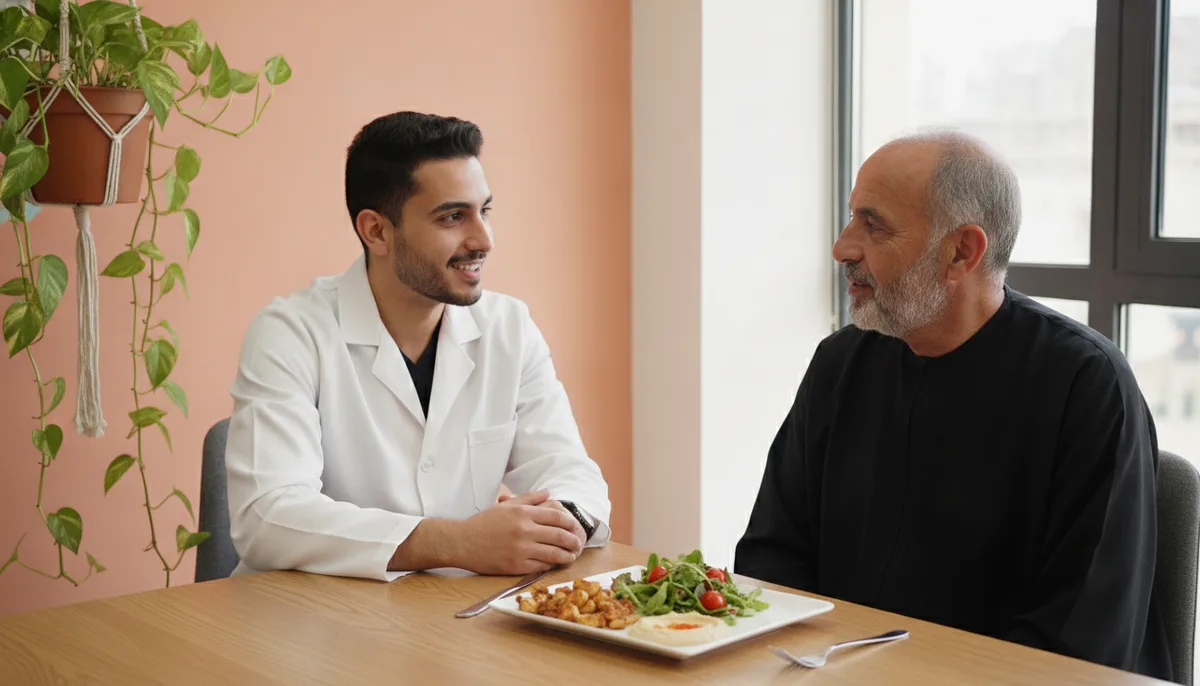
Sleeve gastrectomy is a surgery that removes a large part of the stomach to reduce how much food you can eat. It is usually considered for people with severe obesity or serious obesity-related health problems who have not been able to lose enough weight through diet and exercise [1]. It carries risks and requires lifelong commitment to diet, supplements, and medical follow-up [1]. The decision is made together with a specialized team.
What is gastric sleeve surgery and how does it work?
Gastric sleeve surgery (sleeve gastrectomy) is one of several types of bariatric surgery. A large part of the stomach is removed, which makes it smaller, so you feel full after eating a smaller amount of food.
Medical sources state that bariatric surgeries mainly limit the amount of food a person can eat, and that some of them also affect digestion and the absorption of nutrients [1]. Other types listed in the same source include Roux-en-Y gastric bypass, adjustable gastric banding, and biliopancreatic diversion with duodenal switch (BPD/DS) [1].
Surgery is not a magic solution. Sources note that many people lose weight quickly and then regain part of it later. However, people who follow dietary and exercise recommendations can maintain most of the weight they have lost [1].
Am I suitable for gastric sleeve surgery?
An adult is defined as having obesity when their body mass index (BMI) is 30 or higher. Severe obesity is defined as a BMI of 40 or higher [2]. The authoritative sources used for this article do not set a fixed number that is required for surgery, so your treating team evaluates your condition as a whole.
Surgery is an option when weight loss has not been achieved through diet and exercise, or when there are serious health problems caused by obesity [1]. Obesity sources also state that surgical procedures are offered to people who have severe obesity or serious obesity-related health problems and have not been able to lose enough weight [2].
What will the doctor check before deciding?
- Your medical history, your previous attempts to lose weight, and your physical activity level [2].
- A clinical examination, including measurement of height, weight, and vital signs [2].
- Blood tests or imaging studies to check for weight-related diseases [2].
- Body mass index and waist circumference. BMI does not distinguish between fat, muscle, and bone, and fat around the abdomen increases the risk of health problems [2].
The surgeon may also request a gastroscopy before surgery, especially if you have reflux or inflammation symptoms, as determined by your doctor. If the patient is an adolescent, the assessment must be more precise and comprehensive, and it should be carried out by a specialized team (see the page on obesity in adolescents).
What alternatives are tried before surgery or alongside it?
Surgery is not the first step for everyone who has weight gain. Sources indicate that losing 5 to 10% of body weight may delay or prevent some obesity-related diseases [2].
| Option | What it involves |
|---|---|
| Changes to diet and physical activity | Adopting healthy eating and an exercise goal to lose weight safely and maintain it over the long term [2] |
| Psychological counseling and support groups | Encouragement and understanding of the underlying causes of weight changes [2] |
| Weight-loss medications | Prescribed to treat obesity as determined by the doctor [2] |
| Other procedures or surgeries | Such as gastric banding, gastric bypass, and others [1] |
To compare sleeve gastrectomy with gastric bypass, read the FAQ What is the difference between sleeve gastrectomy and gastric bypass?. For a broader understanding of the causes and treatment options, you can read the article Obesity and Weight Gain: Causes, Risks, and Treatment.
What are the risks of gastric sleeve surgery?
All types of bariatric surgery carry risks and complications, such as infection, hernia, and blood clots [1]. There are also risks commonly discussed with sleeve surgeons, which your team will explain in detail for your specific case.
Leak
A leak may occur from the staple line of the stomach after surgery. It is one of the most serious complications, although it is uncommon. Fever, severe abdominal pain, rapid pulse, and shortness of breath require urgent medical evaluation.
Gastroesophageal reflux
Heartburn or new reflux may appear after sleeve surgery, or existing reflux may worsen in some people. For this reason, tell your surgeon about any digestive symptoms before surgery, as this may affect the choice of surgical procedure.
Nutritional deficiencies
With less food intake, levels of vitamins, minerals, and protein may decline, and the risk increases if you do not follow up regularly. Some surgeries also affect the absorption of nutrients [1].
Other risks
- Nausea and vomiting in the first weeks while learning to eat small amounts.
- Rapid weight loss may cause gallstones in some people, so ask your doctor about follow-up.
- Loose skin after significant weight loss, and some people may later need a consultation for cosmetic surgery.
- Regaining part of the weight later [1].
Will I need vitamins and lifelong follow-up?
Yes. Sources confirm that people who have undergone bariatric surgery need medical follow-up for the rest of their lives [1]. Follow-up usually includes periodic tests of vitamin, mineral, and protein levels, along with reviews of weight, diet, and medications.
The type of supplements (such as a multivitamin, calcium, vitamin D, vitamin B12, and iron) and their doses are determined by your doctor or dietitian based on your test results. Do not start or stop any supplement on your own. If you take chronic medications, ask your team: some may need adjustment after surgery, and they should only be changed on your doctor's decision.
Details of post-surgery follow-up are available on the page Care After Sleeve Gastrectomy.
How do I prepare for gastric sleeve surgery?
Medical preparation
- Bring a list of your medications and conditions, and discuss with your doctor any medication that should be adjusted before surgery.
- Complete the required tests. Excess weight may be associated with diabetes, high blood pressure, and sleep apnea [2], and these conditions affect anesthesia and surgery.
- Ask about smoking and fasting instructions before surgery, and follow what your team gives you in writing.
- Meet with a dietitian before surgery and start the eating habits you will need afterward.
Psychological preparation
Surgery changes your relationship with food and social occasions, so it is preferable for the assessment to include the psychological aspect. This does not mean that you are "not eligible." Rather, it means entering surgery with realistic expectations, as part of the weight may return later [1].
- Talk openly about emotional eating or episodes of overeating, as treating them improves results.
- Consider psychological counseling or support groups, which are among the tools for treating obesity [2].
- Involve your family, as changing the food at home is part of success.
What are the diet stages after surgery?
After sleeve gastrectomy, the diet progresses from liquids to solid foods. The duration of each stage and its details are determined by your team and dietitian. This is only a general outline of the progression.
| Stage | General idea |
|---|---|
| Clear liquids | Small, frequent sips of water and permitted liquids to avoid dehydration |
| Thicker liquids or pureed foods | Introducing protein in a smooth texture according to the team's instructions |
| Soft foods | Very small bites and thorough chewing, stopping at the first feeling of fullness |
| Regular food in small amounts | Priority on protein, avoiding sugars and carbonated drinks, with regular follow-up |
Eating quickly or in large amounts may cause pain and vomiting. Therefore, follow the instructions and review the page Diet for Gastric Sleeve Patients. Your commitment to diet and exercise is what helps you maintain most of the weight you have lost [1].
Can I get pregnant after sleeve surgery, and when?
Obesity may affect fertility and cause problems during pregnancy [2], and the chances for some women may improve after weight loss. However, the sources here do not specify a particular waiting period before pregnancy, so we do not mention a number.
Many medical teams recommend delaying pregnancy during the period of rapid weight loss, because the body is in a state of change and nutrients may be depleted. The appropriate timing will be determined by your surgeon and doctor based on your weight and test results.
- Discuss a suitable contraceptive method with your doctor before surgery.
- If a pregnancy occurs early, inform your doctor immediately and do not stop your supplements on your own.
- A pregnant woman after sleeve surgery needs closer nutritional follow-up and more precise tests.
You can also use the service page to learn about the surgical pathway.
When should I see a doctor, and when should I go to the emergency room?
See your doctor on regular days if you develop:
- Repeated nausea or vomiting that prevents you from drinking enough fluids.
- Severe heartburn or persistent reflux.
- Dizziness, exhaustion, noticeable hair loss, or numbness, which may indicate a nutrient deficiency.
- Mild fever, or redness and discharge from the incision site, which may be signs of infection [1].
Call 911 or go to the nearest emergency department immediately if you have:
- Severe abdominal or chest pain, or shortness of breath.
- High fever with a rapid pulse.
- Swelling, pain, or redness in the leg, which may be a blood clot [1].
- Bloody vomit or black stools, fainting, or inability to drink any fluid.
How do I choose the right medical team in Jordan?
Start from the page Bariatric Surgeons in Jordan, then narrow your search by governorate, such as Amman, Irbid, or Zarqa. Before and after surgery, it may also help to consult an obesity and metabolism physician who follows the nutritional and hormonal aspects.
What should you review in a doctor's or clinic's profile?
- The stated specialty and its scope in bariatric surgery.
- The governorate and ease of access to regular follow-up.
- The presence of an integrated team: a surgeon, a dietitian, a physician specialized in obesity or endocrinology, and psychological support.
- The contact or booking method available in the profile.
Questions to ask in the consultation
- Am I suitable for sleeve gastrectomy or for another type of surgery, and why?
- What are the specific risks in my case, and how are complications treated if they occur?
- What is the follow-up program for tests and supplements after surgery?
- What about the medications I take?
- Whom should I contact if worrying symptoms appear?
The ClinicsJo directory does not provide medical consultations and does not rank doctors by medical quality. It helps you access and compare profiles, and the decision rests with you and your doctor. Before that, you may review the page Obesity to understand the general picture.
Frequently asked questions
Is gastric sleeve surgery suitable for everyone who is overweight?
No. Surgery is usually considered for people with severe obesity or serious health problems caused by obesity who have not achieved sufficient weight loss through diet and exercise. The medical team evaluates your whole condition, and the BMI number alone is not enough. Other options, such as lifestyle changes or medications, may be sufficient for some people.
Will I need vitamins for the rest of my life after sleeve surgery?
You will often need supplements and regular follow-up for life, because food intake decreases and some nutrients may drop. The type of supplements and their dose are determined by your doctor or dietitian based on your tests. Do not start or stop any supplement or medication on your own.
What are the most serious complications of gastric sleeve surgery?
Among the most serious are a leak from the staple line, bleeding, infection, and blood clots. Heartburn, reflux, and vitamin deficiencies may also appear later. These complications are generally uncommon, but they require attention. Severe abdominal pain, fever, or shortness of breath require going to the emergency department immediately.
Can weight return after sleeve surgery?
Yes, some people may regain part of the weight after the initial rapid loss. Following dietary recommendations, physical activity, and medical follow-up helps maintain most of the weight lost. Surgery is a helpful tool, not a replacement for lifestyle change.
When can I get pregnant after sleeve surgery?
There is no single number that fits everyone. Many doctors recommend delaying pregnancy during the period of rapid weight loss, and the appropriate timing will be determined by your surgeon and gynecologist based on your weight and tests. Discuss contraception before surgery, and inform your doctor immediately if an early pregnancy occurs.
How do I know that the team I am consulting is suitable?
Look for a doctor who works in bariatric surgery and within a team that includes a dietitian and psychological support. Ask about the risks of your case, the follow-up plan, the tests and supplements, and how to reach the team in an emergency. Compare profiles in the directory by specialty and governorate, and do not rely on advertisements alone.
Sources and references
- Bariatric Surgery | Weight Loss Surgery | Gastric Bypass — MedlinePlus — U.S. National Library of Medicine. Accessed: 2026-10-26.
- Obesity: MedlinePlus — MedlinePlus — U.S. National Library of Medicine. Accessed: 2026-10-26.