
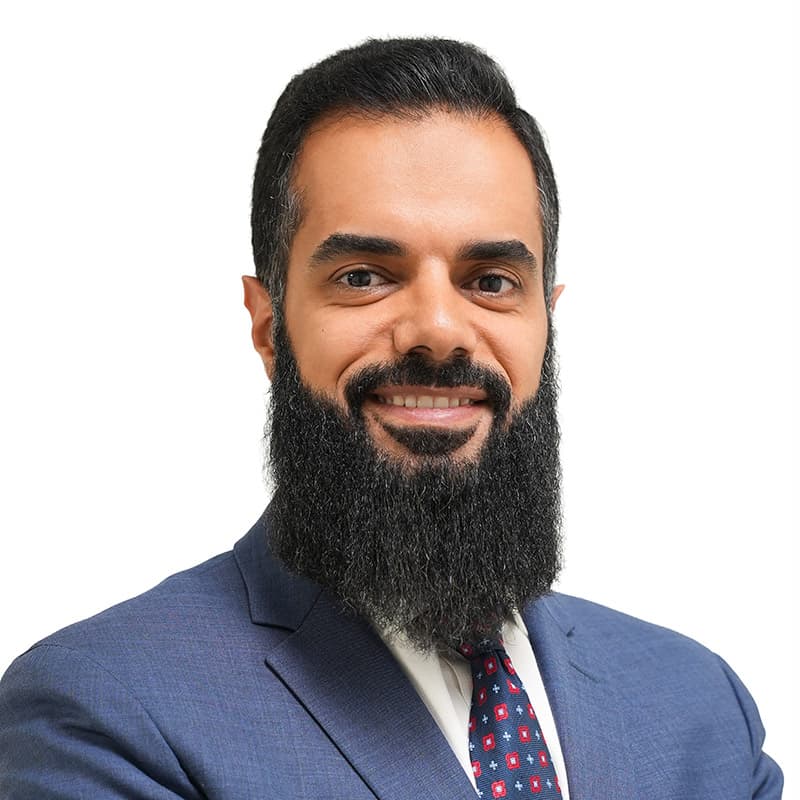
Dr. Laith Maali Neurology Clinic — Amman
Dr. Laith Maali is a consultant neurologist and vascular neurologist with American Board certification in both fields. He studied medicine at Jordan University …
Hours not listedInsurance not specified7 views
Trusted medical platform in Jordan

Epilepsy is a disorder of the brain’s electrical activity causing recurrent seizures. A seizure is not a single form: it may be a generalised convulsion with loss of consciousness, a brief staring spell with interrupted attention (common in children and often misread as daydreaming), or an odd sensation or involuntary movement in part of the body with consciousness preserved. Diagnosis does not necessarily rest on a single seizure and depends on an **eyewitness description** of exactly what happened — more valuable than any test — along with electroencephalography and brain imaging. Recording the event on a phone video, if possible, helps the physician more than any verbal account. The mainstay of treatment is medication: an antiseizure drug chosen according to seizure type, the patient’s age and condition and other medications, started at a graded dose. The realistic goal is **complete seizure control with the fewest side effects**, and many patients achieve full control on a single drug. Two behaviours most undermine the outcome: **not taking doses on time** — repeated missed doses are among the commonest seizure triggers — and **stopping the drug abruptly**, which is very dangerous and can precipitate prolonged continuous seizure activity. An antiseizure drug is neither stopped nor reduced except on a gradual plan from the physician, even after years without a seizure. Alongside medication, measures reduce seizures: adequate regular sleep (sleep deprivation is a strong trigger), avoiding alcohol, caution with drugs that lower the seizure threshold, and controlling fever and infections in children. Life matters that must be discussed frankly: **driving** (with conditions and required seizure-free periods); safety (swimming only with a companion, caution with heights and machinery, showering rather than bathing); and **pregnancy** — planning it in advance is essential because some drugs need adjusting before conception rather than after, together with folic acid. Drug-resistant cases are assessed for epilepsy surgery or other options.
A precise eyewitness account of before, during and after the event — with video if possible — because seizure type determines the appropriate drug.
Electroencephalography and MRI to look for a structural cause, with blood tests to exclude metabolic causes — a normal EEG does not exclude epilepsy.
The drug is chosen by seizure type, age, condition, other medications and pregnancy plans, and started low then increased gradually to limit side effects.
Seizures, their triggers, missed doses and side effects are recorded, and the dose adjusted or the drug changed according to control and tolerability.
If two appropriate drugs at adequate doses fail, the patient is referred for specialist assessment for epilepsy surgery, nerve stimulation or other options.
**Bring someone who witnessed the seizure, or a video of it** — the most useful thing you can bring. Record: the date, time and duration of each event, what you were doing beforehand, whether an odd sensation preceded it, whether you bit your tongue or lost bladder control, and how you were afterwards. Bring a list of all medications and supplements — some drugs, antibiotics and decongestants lower the seizure threshold or interact with antiseizure medication. Mention sleep deprivation, travel, stress and any recent illness. **If you are of childbearing age, discuss pregnancy plans at the first visit rather than later** — some drugs are adjusted before conception. And ask explicitly about driving, work and sport in your case.
**Take the medication at fixed times daily** — use an alarm or weekly pill box, since a missed dose is among the commonest seizure triggers. **And never stop the drug or reduce the dose on your own, even after years without a seizure — abrupt withdrawal is dangerous** and requires a gradual medical plan. Sleep regularly and adequately, avoid alcohol, and tell any doctor prescribing a new drug that you take an antiseizure medication. For safety: shower rather than bathe, do not swim alone, and be cautious with heights, machinery and cooking on an open flame alone. Teach family and colleagues **correct first aid**: clear objects away, place something soft under the head, turn the person onto their side once convulsing stops, do not restrain them, **and never put anything in the mouth** — a myth that causes injuries. **Call an ambulance immediately if a seizure lasts more than five minutes, repeats without recovery of consciousness in between, is a first-ever seizure, is accompanied by injury or breathing difficulty, occurs in water, or occurs in pregnancy.**
First visit 40–60 minutes; treatment is chronic with reviews every three to six months once controlled
Dr. Laith Maali is a consultant neurologist and vascular neurologist with American Board certification in both fields. He studied medicine at Jordan University …
There are currently 1 doctor profiles linked to Epilepsy Treatment on ClinicsJo. Review the listed services and contact the practice to confirm availability with the doctor and branch you choose.
Start with an available doctor's profile and use the contact or booking options shown there. Confirm the service, practice location and appointment time with the clinic. If this list is empty, broaden your search using the directory links on this page.
Ask the practice for the current price and what it includes. A consultation fee shown on a profile is not necessarily the price of a procedure, tests or follow-up. Confirm any additional charges and insurance arrangements before your visit.