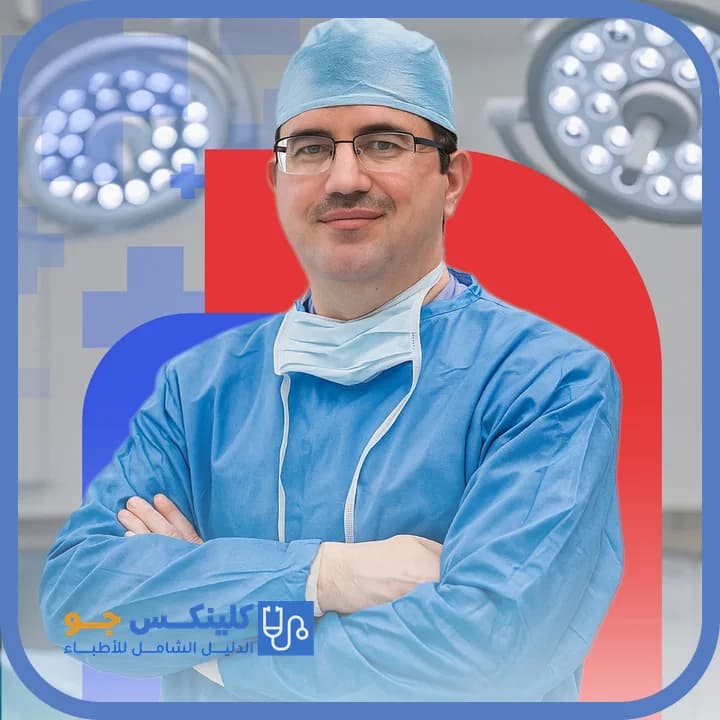
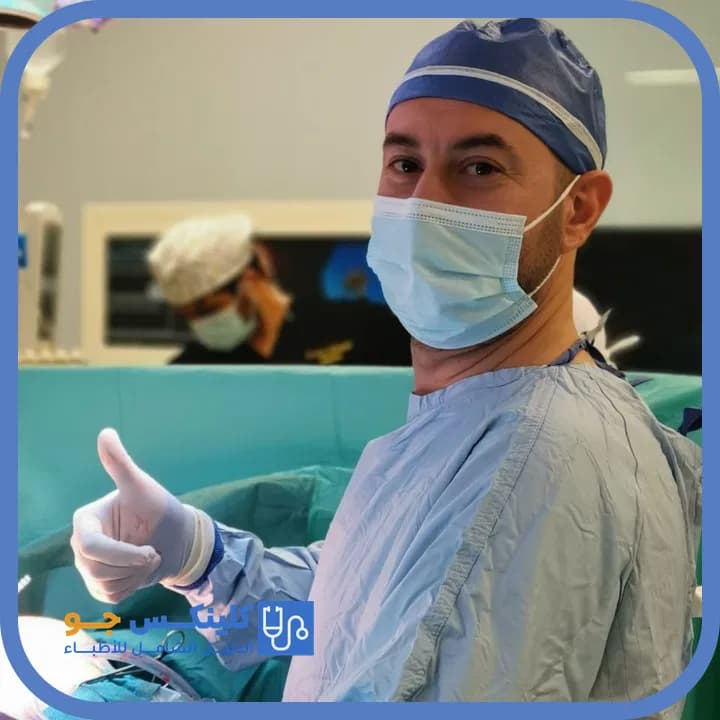
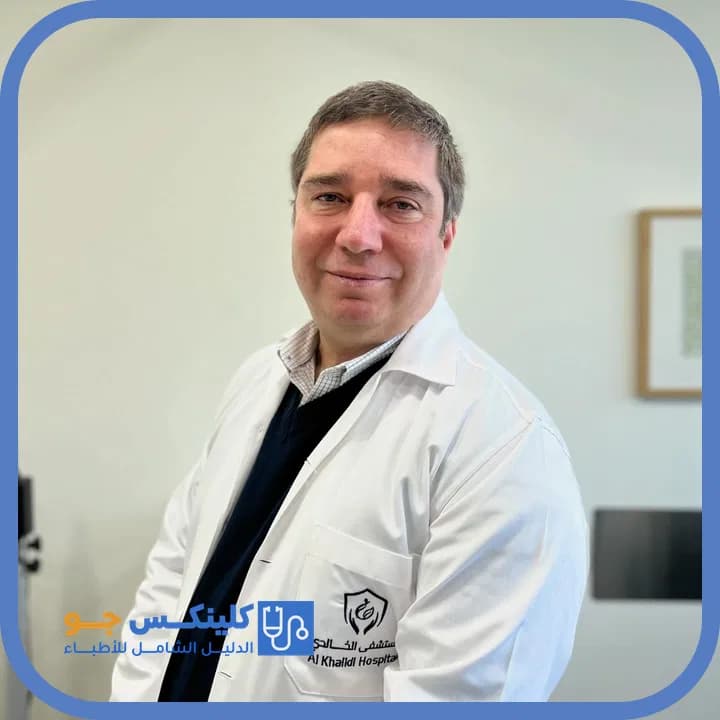
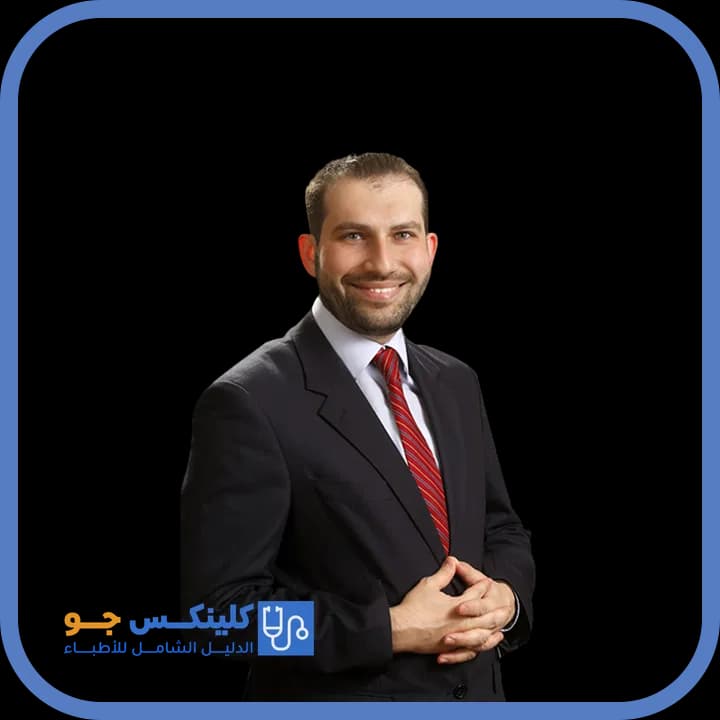
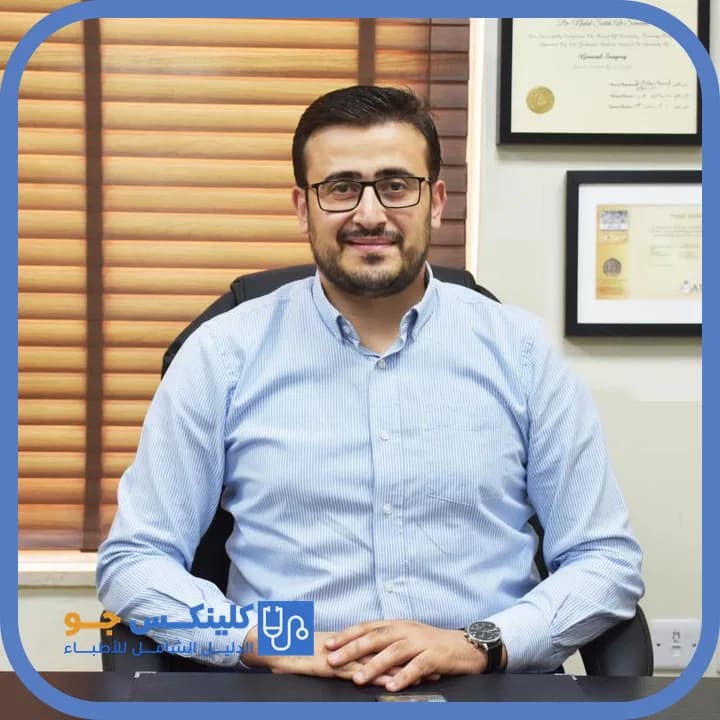
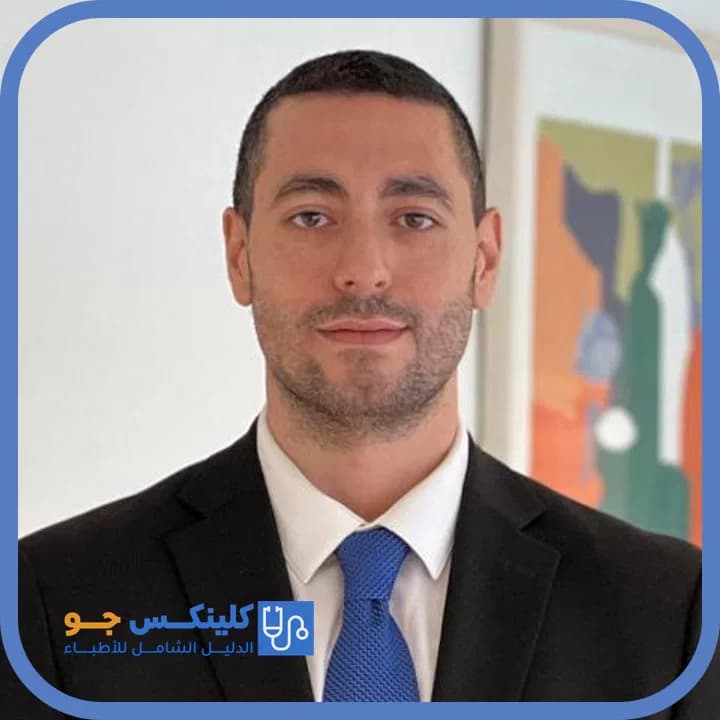
Dr Mohammad Zaied Al Kiswani is a consultant in general, laparoscopic and bariatric surgery with Jordanian Board certification in general surgery. He previously…

A pilonidal sinus is a small tunnel or cavity that forms under the skin at the top of the cleft between the buttocks, near the tailbone. It begins when broken hairs are driven into the skin and provoke an inflammatory reaction that builds a cavity containing hair and skin debris, often opening at one or more pits on the skin surface that discharge fluid.
The common presentation is either chronic, with one or more small pits discharging fluid, blood or foul-smelling material and pain on sitting, or acute, with a painful, swollen, hot abscess that makes sitting and walking difficult and needs urgent drainage. The condition is most frequent in young adults, and prolonged sitting, thick coarse hair in the area, sweating, friction, excess weight and inadequate cleaning and drying all increase the risk.
Diagnosis is clinical, by direct examination to map the pits and the extent of the tunnel and its distance from the anal opening. That distinction matters, because a pilonidal sinus and an anal fistula are treated in entirely different ways. Ultrasound or imaging may be requested for complex or recurrent extensions, and suitability for any technique is determined by clinical examination, not by reading about it.
Treatment depends on the situation. For an acute abscess the first step is drainage to relieve pain and infection; that is an emergency measure and not a definitive cure, because the tunnel remains. Once inflammation settles, definitive treatment is discussed and several paths exist: excision of the tract with closure designed to move the suture line away from the midline of the cleft, excision left open to heal by granulation with daily care, or less invasive techniques such as endoscopic inspection and cleaning of the sinus, or obliteration of the tract. The choice depends on the number of pits, the extent of the tunnel, the presence of acute inflammation, how many times the problem has been treated before, and the nature of the patient's work.
Limits of the procedure: any operation removes the existing tract but does not remove the cause, so if the same factors continue a new sinus can form. Regular hair removal from the area, cleanliness, thorough drying and breaking up long periods of sitting are therefore part of the treatment, not optional extras. Antibiotics alone do not heal the sinus or close the tract, even if they mask symptoms for a while. Opening an abscess at home, squeezing it, or applying caustic substances spreads infection and complicates definitive treatment. One point to understand before consenting: wounds in this area heal slowly by nature, because it is exposed to movement, pressure and moisture. Healing may require weeks of daily care and strict attendance at follow-up, and return to work depends on the type of job and how much sitting it involves.

Procedure steps
- 1
Examination and mapping the sinus
The surgeon examines the area and identifies the pits, their number, the direction and extent of the tract and its distance from the anal opening, and asks about previous episodes and treatments. This mapping is what shapes the plan and determines which technique is suitable.
- 2
Managing an acute abscess if present
If there is a painful swollen abscess it is drained under local or general anaesthesia depending on its size, and the cavity is cleaned. This step relieves pain and infection but is not definitive treatment, and an appointment is set to plan definitive surgery once inflammation has settled.
- 3
Choosing the definitive technique
Excision with off-midline closure, excision left open to heal by granulation, or a less invasive endoscopic technique are discussed with you. For each option the size of the wound, the duration of care, the difference in time off work and the possibility of recurrence are explained.
- 4
The surgical procedure
Under suitable anaesthesia the pits and the tract are removed along with hair and reactive tissue, and the wound is closed in the agreed manner or left open with a dressing. In less invasive techniques a fine camera is introduced through a small opening to clean the cavity and remove hair from within.
- 5
Wound care and preventing recurrence
You are taught how to clean the wound, change the dressing daily and dry the area thoroughly, and regular follow-up appointments are arranged. After healing a long-term plan follows: hair removal from the area by a method your doctor recommends, drying after bathing and sweating, and reducing uninterrupted sitting time.
Before the procedure
Seek review early and do not wait for a small discharge to turn into a painful abscess. Do not open any swelling yourself, do not squeeze it, and do not apply caustic substances, herbs or toothpaste; do not shave the area with a razor before your appointment, since micro-cuts open the door to infection, and ask the team about the method and timing instead. Tell your doctor how many episodes of inflammation you have had and about any previous operation in the area and its outcome, because recurrent disease is managed differently. Provide a list of your medicines, especially blood thinners, diabetes drugs and steroids, and report chronic illnesses, drug allergies and any reaction to adhesive dressings. Shower, clean and thoroughly dry the area on the morning of the appointment. Ask in advance about the expected time off and the daily care involved, so you can organise your work and arrange help with dressing changes if the site is awkward for you.
After the procedure
Change the dressing daily exactly as demonstrated, clean the area gently with water or the solution your doctor recommends, and remember that thorough drying matters even more than cleaning, because moisture delays healing. Avoid long periods sitting on a hard surface during the first weeks, change position often, and use a cushion if advised. Do not soak the area in a bath, pool or the sea until permitted, and use no unprescribed ointments. Remove hair from the area by the method and at the intervals your doctor specifies, and continue after healing, since this is one of the strongest ways to reduce recurrence. Keep a healthy weight and avoid constipation and straining. Attend every follow-up appointment even if the wound looks small, because a wound can appear closed at the surface while a cavity persists beneath. Seek care immediately if you develop: high fever or shivering; sharply increasing pain; spreading redness, warmth or swelling; heavy pus or foul odour; bleeding that does not stop with pressure; wound breakdown; inability to sit or walk; or general deterioration, especially if you have diabetes or take medicines that weaken immunity.
Expected duration
Draining an acute abscess usually takes 15 to 30 minutes, and definitive surgery 30 to 90 minutes depending on the technique and extent of the tract; most patients go home the same day.
Doctors who provide Pilonidal Sinus Treatment
Dr. Huthaifa Mohammad Asmar specialises in general, laparoscopic, breast and tumor surgery. He holds the Jordanian Board and a higher specialty in general surge…
Mohammad Faiq Hamdan practices general surgery at Istishari Hospital’s outpatient clinics on Al Kindi Street. Consultations assess abdominal and hernia concerns…
Hamed Mahmoud Matkari specialises in general, laparoscopic and bariatric surgery and holds MRCS membership. His practice is at the Saudi Hospital clinics in Kha…
Dr. Mohammad Sami Al-Muhtaseb is a consultant in general and colorectal surgery. He holds a colorectal surgery fellowship from Cleveland Clinic, and his biograp…
Dr Anas Al-Jayyousi practices general surgery in Al-Husn, Irbid. Confirm the surgical consultation and procedure setting before booking. Patients are seen at An…
Dr Loai Abu Sadah is a consultant in general, laparoscopic, oncologic and breast surgery at Ibn Al Nafis Medical Complex in Abu Nseir. His practice includes thy…
Dr Haitham Hamdan is a consultant in general, laparoscopic and bariatric surgery with a first-floor clinic at Istiklal Hospital. He earned his medical degree at…
Mohammad Al-Ajlouni provides general surgery consultations at Mohammad Al-Ajlouni Surgery Clinic. The practice address is Irbid, Al-Husn Street, near Rosary Hos…
Dr Emad Alaeddin offers consultations in general, laparoscopic and bariatric surgery at Ibn Al-Haytham Hospital clinics in Amman. He holds the Jordanian Board i…
Hisham Issa Shabani practices general, laparoscopic, and bariatric surgery in Amman. He studied medicine at Jordan University of Science and Technology, complet…
Mumen Mamoun Diraneyya practices general surgery at Al-Noor Specialized Clinics complex on Abdullah Bin Jubair Street. Consultation fields include hernias, gall…
Dr Nedal Semreen is a specialist in general, laparoscopic and bariatric surgery. He graduated from Hashemite University, completed residency at the Islamic Hosp…
Dr Mohamad Rassoul Abu Nuwar is a consultant in advanced minimally invasive, robotic gastrointestinal and bariatric surgery at Abdali Hospital in Amman. He hold…
Dr Moath Rabah specializes in general and laparoscopic surgery, holds the Jordanian general surgery board and previously worked in the Royal Medical Services. H…
Finding Pilonidal Sinus Treatment services in Jordan
Which doctors are listed for Pilonidal Sinus Treatment in Jordan?
There are currently 15 doctor profiles linked to Pilonidal Sinus Treatment on ClinicsJo. Review the listed services and contact the practice to confirm availability with the doctor and branch you choose.
How can I find an appointment for Pilonidal Sinus Treatment?
Start with an available doctor's profile and use the contact or booking options shown there. Confirm the service, practice location and appointment time with the clinic. If this list is empty, broaden your search using the directory links on this page.
What does Pilonidal Sinus Treatment cost in Jordan?
Ask the practice for the current price and what it includes. A consultation fee shown on a profile is not necessarily the price of a procedure, tests or follow-up. Confirm any additional charges and insurance arrangements before your visit.
How much does Pilonidal Sinus Treatment cost in Jordan?
No clinic on ClinicsJo has published a price for Pilonidal Sinus Treatment yet, so we do not quote an estimated figure. What is published is the consultation fee: 20–30 JOD (profiles: 23). The doctor sets the treatment price after assessing your case.
What clinics and doctors have published on ClinicsJo
- Published consultation fee — Hisham Issa Shabani: 20 JOD consultation fee.
- Published consultation fee — Aref Hammam: 20 JOD consultation fee.
- Published consultation fee — Anas Al-Jayyousi: 20 JOD consultation fee.
- Published consultation fee — Mohammad Al-Ajlouni: 20 JOD consultation fee.
- Published consultation fee — Rabee Walid Afaneh: 20 JOD consultation fee.
Other doctor profiles with a published fee: 18.
What sets the price of Pilonidal Sinus Treatment?
- Surgeon and anaesthetist fees
- The hospital, room type and length of stay
- The technique used (keyhole, laser or open surgery)
- Pre-operative tests and medical supplies
- Follow-up visits after the operation
Expected duration (from the procedure guide): Draining an acute abscess usually takes 15 to 30 minutes, and definitive surgery 30 to 90 minutes depending on the technique and extent of the tract; most patients go home the same day.
How to ask about the price
Before booking, ask the clinic for the all-inclusive price and what it covers, any extra tests or scans, how many follow-up visits are included, the payment options, and whether your insurance is accepted. You can reach them through the contact details on the doctor and clinic profiles on this page.
The figures above were published by the clinics and doctors themselves on ClinicsJo and may change. We do not estimate prices. Confirm the all-inclusive price with the clinic before booking. Offers on ClinicsJo