Dr. Mohammad Arafat Hasan is a Consultant in Oral & Dental Surgery and the founder of Arafat Dental Clinics in Tabarbour, Amman. He earned his Bachelor of Denta…

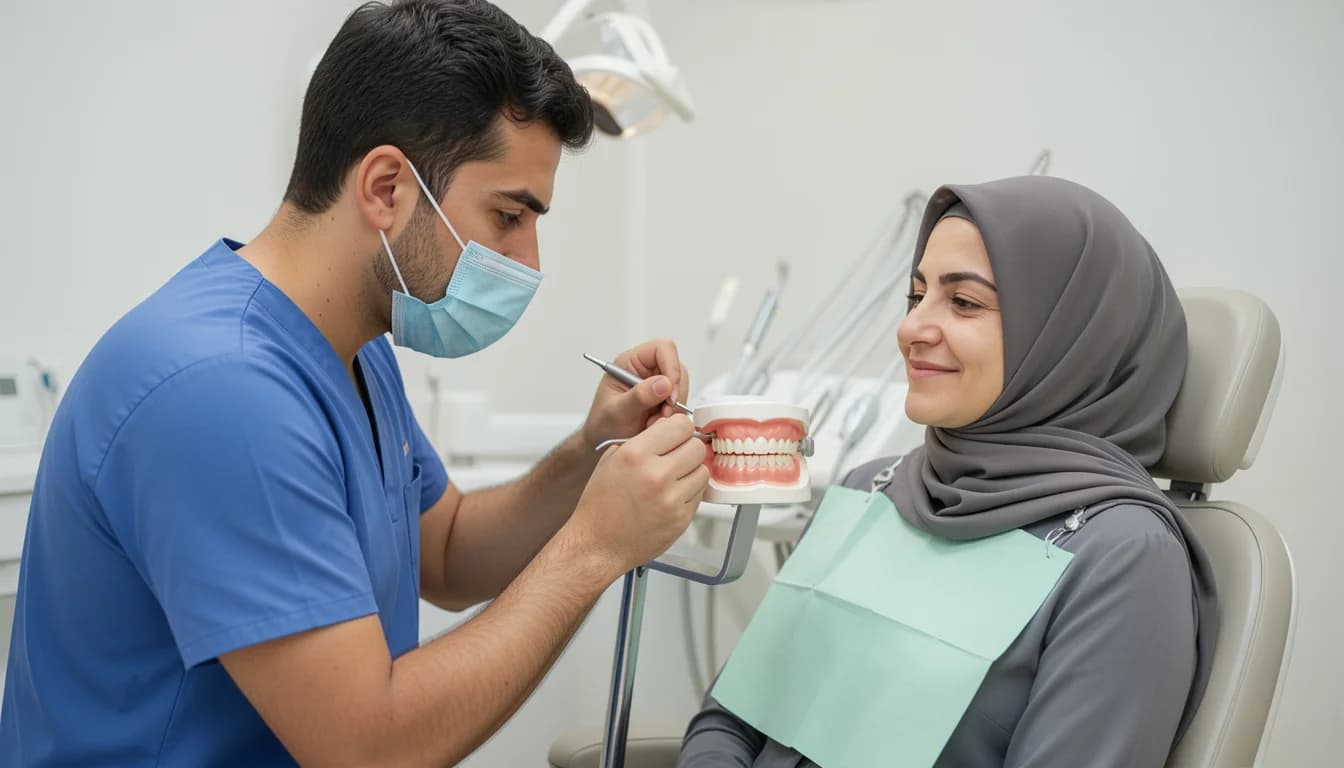
A pulpotomy is a procedure in which the inflamed portion of the dental pulp inside the crown of the tooth is removed while the living pulp inside the roots is preserved, covered with a medicated dressing that calms it and supports healing, and the tooth is then sealed with a definitive restoration. It is most often used in children's primary teeth when decay has reached the nerve, and is also performed as a partial pulpotomy in young permanent teeth whose roots are still immature or after a recent traumatic fracture.
Here lies the distinction that confuses many parents: a pulpotomy is not a full root canal. Root canal treatment empties the pulp from both the crown and the roots and fills the canals, whereas a pulpotomy keeps the root pulp alive. That matters in a primary tooth because it lets the root resorb naturally at the proper time so the permanent tooth erupts along its correct path, and it matters in a young permanent tooth because it allows the root to keep growing in length and thickness.
A pulpotomy is not suitable for every painful tooth. It is ruled out if the pulp is dead or irreversibly inflamed, if there is an abscess, pus, a sinus tract or swelling, if there is pathological root resorption, significant bone loss around the tooth, obvious mobility, or if too little sound tooth structure remains to hold a restoration. In those situations the choice becomes full root canal treatment or extraction with a space maintainer. Even when it succeeds, a pulpotomy does not prevent decay in the remaining teeth and does not replace brushing, fluoride, reducing sugars and keeping review appointments.
The final coverage is part of the treatment rather than a luxury. After a pulpotomy a primary tooth is weaker and less able to withstand biting forces, so a crown covering the whole tooth is often preferred over a simple filling, because a fractured filling or tooth wall means leakage and inflammation return. A treated tooth needs periodic clinical and radiographic review to confirm the root pulp remains healthy, since early failure can be entirely painless.
The decision — pulpotomy, root canal or extraction — is made on clinical examination, pulp vitality testing, radiographs, the child's age and the stage of tooth transition, not on the severity of pain alone and not from reading. A primary tooth that will fall out later is no reason for neglect: chronic infection harms the permanent tooth bud beneath it and affects the child's chewing, speech and jaw development.

Procedure steps
- 1
Examination and diagnosis
The dentist asks about the pattern and duration of pain and whether it wakes the child at night, examines the tooth, gum, any swelling and mobility, and takes a radiograph to assess the depth of decay, the root, the bone and the permanent tooth bud, then decides whether the pulp can still be preserved.
- 2
Anaesthesia and isolation
The tooth is anaesthetised locally after a topical gel is applied to the gum, and behavioural techniques, inhalation sedation or general anaesthesia may be used in selected cases. The tooth is then isolated with a rubber dam to keep the field clean and dry and to protect the child's mouth.
- 3
Removing decay and accessing the pulp chamber
All decay is removed with fine instruments until sound tissue is reached, the pulp chamber within the crown is carefully opened, and the appearance, colour and bleeding of the pulp are assessed, because these findings either confirm the diagnosis or change the plan to full root canal treatment.
- 4
Removing the coronal pulp and dressing the root pulp
Only the inflamed coronal pulp is removed, bleeding is gently controlled, and a biocompatible or medicated material is placed over the canal orifices to soothe the root pulp, keep it vital and seal against bacteria, then covered with a base layer before restoration.
- 5
Final restoration, crown and follow-up
The tooth is restored with a well-sealed filling, and for posterior primary teeth a full-coverage crown is usually preferred to protect against fracture. Periodic clinical and radiographic reviews are then scheduled to confirm the root pulp stays healthy and no silent infection develops.
Before the procedure
Tell the dentist about your child's chronic conditions, particularly congenital heart defects, a prosthetic valve, bleeding disorders, reduced immunity or asthma, and list all medicines and any drug or material allergy. Mention any previous bad dental experience or difficulty cooperating. Give your child a light meal before the appointment, since a hungry child copes less well; fasting is not needed unless general anaesthesia or deep sedation is planned, in which case follow the fasting instructions exactly. Use neutral, positive words such as "we will clean the tooth and put a cap on it", avoid words like needle, drill and pain, and never promise that nothing will be felt at all. Bring a favourite toy, book the visit when your child is rested rather than near bedtime, and bring any previous radiographs or reports.
After the procedure
Numbness usually lasts one to three hours. Watch your child during this time and do not let them bite the lip, cheek or tongue: biting a numb lip is a common cause of a painful swollen wound that appears hours later and alarms parents. Offer soft cool or lukewarm food once the numbness has gone, and avoid crisps, chewing gum, nuts and sticky sweets on the treated side for several days. Keep brushing twice daily with fluoride toothpaste, gently over the treated tooth. Mild discomfort on biting or slight sensitivity in the first two days is expected. Contact the dentist immediately if there is facial or gum swelling, fever, pain that worsens at night and prevents sleep, pus or a foul taste, mobility of the tooth, a fractured or lost filling or crown, or a lip wound that is not improving. Swelling with fever must not wait for the review appointment. Keep the scheduled follow-ups and radiographs even if your child has no complaint, because early failure can be painless.
Expected duration
Usually 30 to 45 minutes per tooth in a single visit, with a short additional appointment sometimes needed to fit the crown.
Doctors who provide Pulpotomy
Ibrahim Jamal Khalifeh practises dentistry at Dr Ibrahim Jamal Khalifeh Centre, 109 Sharif Nasser Bin Jameel Street, Amman. The practice provides dental examina…
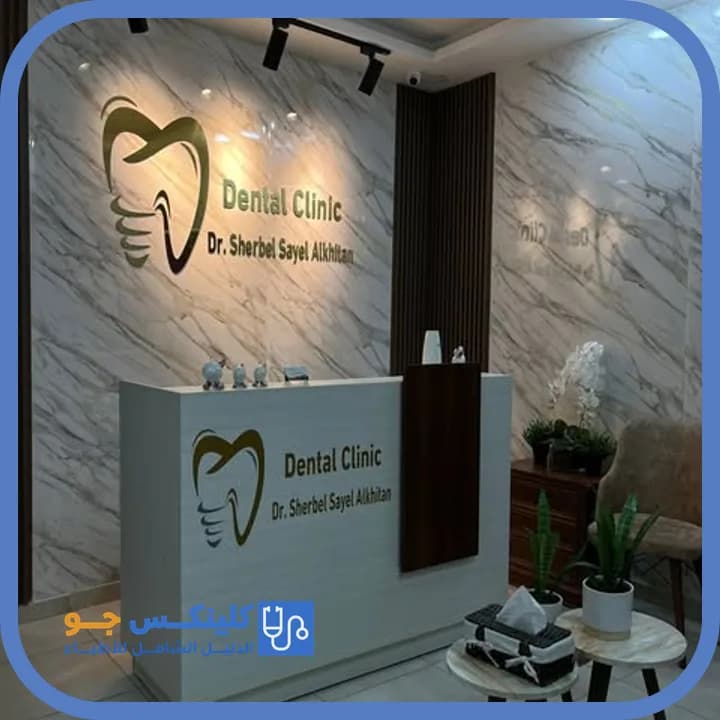
Dr Sherbel Sayel Al Khitan is a dentist at Dr Sherbel Sayel Al Khitan Dental Clinic in Karak Governorate. Reception is at Al Thaniya, above Bank Al Etihad, firs…
Osama Ghazi Al Ziadat practises dentistry at Dr Osama Ghazi Al Ziadat Orthodontics Clinic, Ziadat Centre, 74 Amer Bin Malek Street, Khalda, Amman. The practice …
Dr Bushra Mazen Haddadin practices dentistry in Amman. She practices at Khalaf Medical Complex, opposite Arab Medical Center. Patients are seen at Dr Bushra Maz…
Yousef Zamel is a dentist whose Khalda clinic advertises fillings, root canal care, restorations and whitening. Reception is on the first floor of 39 Amer Bin M…
Dr Baraa Alkhateeb is a dentist at Ibn Al Nafis Medical Complex near Applied Science University Roundabout in Abu Nseir. She provides dental and oral care consu…
Dr. Mutasem Irdaisat has extensive professional experience in dentistry dating back to 2007. His career spans both academic and clinical practice across Europe …
Dr. Yola Kovalenko is recognized as one of the distinguished medical professionals in the field of dentistry. She graduated from Luhansk State Medical Universit…
Sanaa Qasem practices dentistry at Al Watan Street, Amman. Contact the practice to arrange consultation about dental or gum symptoms and oral health. Confirm cl…
Dr Banan Alhawamdeh is a dentist with a Bachelor of Dental Surgery from Jordan University of Science and Technology. She practices on Wakalat Street in Sweifieh…
Amani Malkawi practises dentistry at Dr Amani Malkawi Dental Clinic, Badi Awwad Ardini Complex73, Princess Tharwat Street, near Starbucks and Eighth Circle, Amm…
Dr Rema Salameh is a dentist at office104 on the first floor of Ibn Al Nafis Medical Complex in Abu Nseir. She provides oral and dental consultations, with care…
Abdelrahman Najeeb is a dentist practicing at Fifth floor, Abdoun Clinics, Suleiman Al Hadidi Street, Fifth Circle, Amman. This profile provides the professiona…
Fadi Ibrahim is a dentist in Amman whose practice focuses on periodontal disease and dental implants. The center is on the first floor of Building71 in Dahiyet …
Dr. Alaa Yaseen Al-Zoubi is a Jordanian Board-certified endodontist. She earned her dental degree at the University of Jordan and completed specialist residency…
Finding Pulpotomy services in Jordan
Which doctors are listed for Pulpotomy in Jordan?
There are currently 17 doctor profiles linked to Pulpotomy on ClinicsJo. Review the listed services and contact the practice to confirm availability with the doctor and branch you choose.
How can I find an appointment for Pulpotomy?
Start with an available doctor's profile and use the contact or booking options shown there. Confirm the service, practice location and appointment time with the clinic. If this list is empty, broaden your search using the directory links on this page.
What does Pulpotomy cost in Jordan?
Ask the practice for the current price and what it includes. A consultation fee shown on a profile is not necessarily the price of a procedure, tests or follow-up. Confirm any additional charges and insurance arrangements before your visit.
How much does Pulpotomy cost in Jordan?
No clinic on ClinicsJo has published a price for Pulpotomy yet, so we do not quote an estimated figure. What is published is the consultation fee: free consultation (profiles: 1); 5–10 JOD (profiles: 14). The doctor sets the treatment price after assessing your case.
What clinics and doctors have published on ClinicsJo
- Published consultation fee — Dr. Mohammad Arafat Hasan: free consultation.
- Published consultation fee — Raafat Rebhi Shehdeh Abu Sara: 5 JOD consultation fee.
- Published consultation fee — Emad Amin Al Jamal: 5 JOD consultation fee.
- Published consultation fee — Alaa Yaseen Al Zoubi: 10 JOD consultation fee.
- Published consultation fee — Mohammad Khaled Nofal: 10 JOD consultation fee.
Other doctor profiles with a published fee: 10.
What sets the price of Pulpotomy?
- The number of teeth treated
- The material or system used (implant, crown, filling or brace type)
- Imaging needed beforehand (panoramic X-ray or CBCT scan)
- Accompanying procedures such as anaesthesia, extraction or bone grafting
- The number of sessions and follow-up visits
Expected duration (from the procedure guide): Usually 30 to 45 minutes per tooth in a single visit, with a short additional appointment sometimes needed to fit the crown.
How to ask about the price
Before booking, ask the clinic for the all-inclusive price and what it covers, any extra tests or scans, how many follow-up visits are included, the payment options, and whether your insurance is accepted. You can reach them through the contact details on the doctor and clinic profiles on this page.
The figures above were published by the clinics and doctors themselves on ClinicsJo and may change. We do not estimate prices. Confirm the all-inclusive price with the clinic before booking. Offers on ClinicsJo