
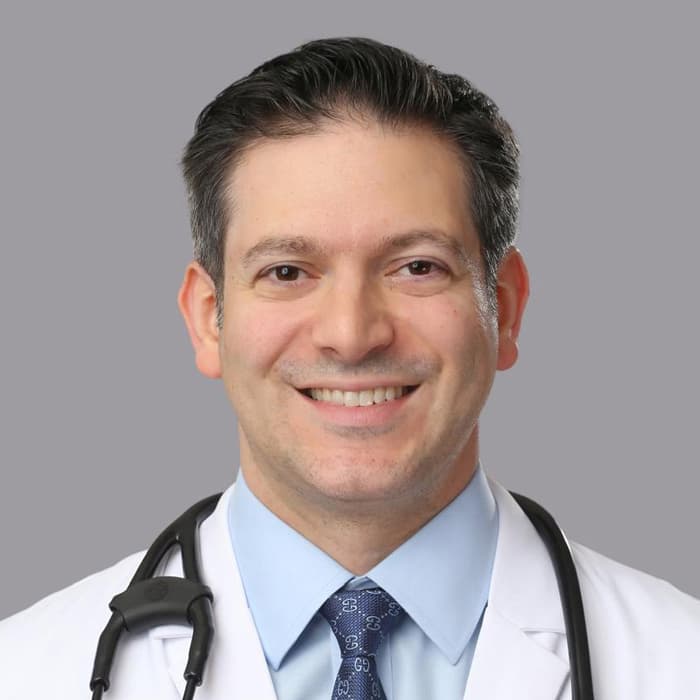
Dr. Yaser Kawar Clinic
Dr. Yaser Kawar is a consultant in pulmonary and critical care medicine. He studied medicine at Jordan University of Science and Technology and completed intern…
Hours not listedInsurance not specified6 views
Trusted medical platform in Jordan

Draining fluid from around the lung, known medically as thoracentesis or pleural aspiration, removes fluid that has collected in the thin space between the two pleural layers separating the lung from the chest wall. It serves two purposes: a diagnostic one, where the fluid is analysed to find out why it accumulated, and a therapeutic one, where removing a large volume relieves breathlessness and pressure on the lung. It is usually done under local anaesthetic with ultrasound guidance, which identifies the safest entry point and lowers the risk of complications. A pleural effusion is not a disease in itself but the consequence of something else: heart failure, pneumonia or pleurisy, tuberculosis, liver cirrhosis, kidney failure, thyroid disorders, cancer, or pulmonary embolism. The aspirated fluid is therefore sent for tests that distinguish between fluid types, with bacterial and tuberculosis cultures and cytology added when the clinical picture calls for them, because treatment differs completely between these causes. The limits should be stated plainly. Aspiration does not treat the cause, and fluid returns if whatever produced it is left untreated. The everyday phrase water on the lung is also used for two different problems: fluid collecting around the lung, which is what gets drained, and fluid seeping into the lung tissue itself because of the heart, which is not drained but treated with cardiac medication. Confusing the two delays correct treatment. All the fluid is usually not removed in one sitting, because taking a large volume quickly can trigger cough, pain, or re-expansion oedema. When fluid rebuilds rapidly, a longer-term drain or a procedure that seals the two pleural layers together may be proposed. Each of these decisions rests on examination and imaging, not on request.
The physician examines and percusses the chest and reviews the X-ray, then uses ultrasound to gauge how much fluid there is, where it lies, and whether it is loculated. This guidance reduces the risk of injuring the lung, liver, or spleen and shows whether the fluid is free and aspirable or trapped in pockets that need a different plan.
You usually sit on the edge of the bed leaning on a table or support so the ribs spread apart, or lie on your side if sitting is not possible. The skin is disinfected and local anaesthetic is infiltrated layer by layer down to the pleura; this is the moment you feel the sting most, after which sensation fades and the procedure becomes tolerable.
A fine needle or plastic cannula is inserted just above the rib edge and connected to a tap with a syringe or drainage bag. You are asked to stay still, avoid sudden deep breaths, and tell the team at once if you feel strong coughing, pain, or light-headedness. Fluid is withdrawn gradually and in a measured volume rather than all at once.
The fluid is divided into tubes for tests that define its type and its protein and cell content, with bacterial and tuberculosis cultures and cytology added according to clinical suspicion. This analysis is the greatest benefit of the procedure because it directs treatment, and reports arrive in stages: some within hours, others after weeks.
The needle is withdrawn, the site dressed, and you are observed with oxygen monitoring, with a chest X-ray if indicated. Then comes the most important step: treating whatever produced the fluid, and setting a follow-up to see whether it returns, because repeated aspiration without addressing the cause is only a temporary fix.
Tell the team about all your medications, especially anticoagulants and antiplatelet drugs, and do not stop them yourself — only the prescriber should adjust them. Report liver or kidney disease, any clotting disorder, prolonged bleeding after minor cuts, allergies to antiseptics or local anaesthetics, and any possibility of pregnancy. Prolonged fasting is usually unnecessary for aspiration under local anaesthetic; avoiding a heavy meal beforehand is generally enough, but follow the instructions you are given. Bring your chest imaging and previous reports, wear a loose shirt that is easy to remove, and empty your bladder before you go in. Practise sitting still while leaning forward, because staying steady shortens the procedure and makes it safer.
Rest for the remainder of the day, avoid heavy lifting and strenuous effort, and keep the dressing clean and dry until the time you were told to remove it. Mild discomfort at the puncture site or a dry cough for a few hours as the lung re-expands is common. Ask how much fluid was removed, which tests were sent, and when results are due, and above all follow the treatment for the underlying cause and keep your follow-up appointment. **Go to the emergency department immediately for sudden severe breathlessness or sharp chest pain that worsens on breathing in, which may mean a collapsed lung or a pulmonary embolism.** **Seek emergency care for blue lips, breathlessness that stops you finishing a sentence, or coughing up blood.** Also seek urgent review for high fever or chills, redness and discharge at the puncture site, dizziness or fainting, or breathlessness returning quickly after initial relief.
A diagnostic tap usually takes 15 to 30 minutes, while a therapeutic drainage of a larger volume may run 30 to 60 minutes depending on flow and how well you tolerate it. Monitoring of an hour up to a few hours follows, a chest X-ray may be requested, and fluid results appear over days to weeks.
Dr. Yaser Kawar is a consultant in pulmonary and critical care medicine. He studied medicine at Jordan University of Science and Technology and completed intern…
There are currently 1 doctor profiles linked to Thoracentesis on ClinicsJo. Review the listed services and contact the practice to confirm availability with the doctor and branch you choose.
Start with an available doctor's profile and use the contact or booking options shown there. Confirm the service, practice location and appointment time with the clinic. If this list is empty, broaden your search using the directory links on this page.
Ask the practice for the current price and what it includes. A consultation fee shown on a profile is not necessarily the price of a procedure, tests or follow-up. Confirm any additional charges and insurance arrangements before your visit.