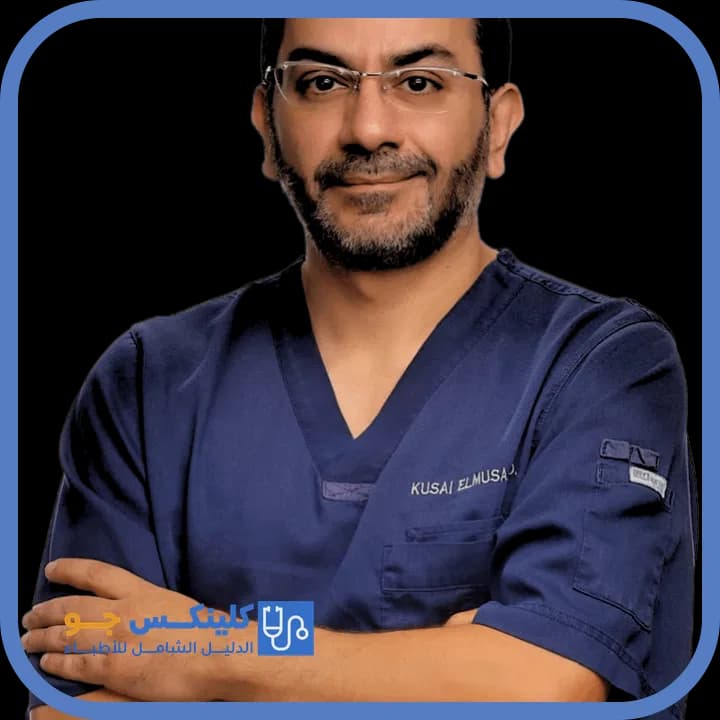
Dr Kusai Awni Ibrahim El Musa is a consultant plastic and reconstructive surgeon. He earned his medical degree at the University of Jordan in 1996, plastic surg…

Abdominoplasty (tummy tuck) is surgery that removes surplus skin and fat from the abdomen and — this is its essence — repairs the rectus abdominis muscles if they have separated. This muscle separation, known as rectus diastasis, commonly follows pregnancy or major weight loss and is the cause of a protruding abdomen that does not respond to exercise or liposuction — because the problem lies in the muscle wall, not the amount of fat.
This is where the decisive difference between the two procedures appears: liposuction removes fat in someone with elastic skin and an intact muscle wall, whereas abdominoplasty removes lax skin, re-sutures the muscle wall and reshapes the navel. Choosing the smaller procedure when the larger one is needed ends in a disappointing result.
It is a major operation, not a minor cosmetic step: it requires general anaesthesia and a horizontal lower-abdominal incision leaving a permanent scar whose position is planned to sit hidden under underwear, with recovery over weeks and clear restrictions on movement and lifting. The decision must therefore rest on full understanding of the scar and recovery, not on before-and-after photographs.
Timing matters: stabilising weight beforehand is advised, and completing family planning where possible, since a later pregnancy can undo the muscle repair. Smoking is among the strongest factors in wound-healing problems and skin-edge necrosis, and stopping is firmly required. Clot prevention is an essential part of the plan because both the operation and the rest afterwards raise the risk. Candidacy is determined by clinical examination and full health assessment.

Procedure steps
- 1
Assessment and choosing the technique
Surplus skin is examined and the degree of muscle separation measured, deciding between full or mini abdominoplasty and whether liposuction is combined, with the scar position and expected length explained.
- 2
Medical preparation
Laboratory tests and anaesthetic assessment, weight and diabetes control, smoking cessation, a clot-prevention plan, and review of all medications and supplements.
- 3
Incision and excision of surplus skin
Under general anaesthesia a horizontal lower-abdominal incision is made, planned to be hidden under clothing; the skin is elevated and the surplus removed with the associated fat.
- 4
Muscle repair and navel reshaping
The rectus muscles are sutured together to close the separation, tightening the abdominal wall from within, then the navel is repositioned naturally and proportionately.
- 5
Drains, garment and rehabilitation
Temporary drains may be placed, the compression garment applied, and early walking begun in a slightly flexed posture, with graded return to activity over weeks.
Before the procedure
Stabilise your weight beforehand and discuss family planning with your surgeon, since a later pregnancy can undo the muscle repair. Stop smoking for the period specified — this is not general advice but a condition for reducing the risk of skin-edge necrosis. Tell the team about all medications, especially blood thinners, contraceptive pills and hormone therapy (which raise clot risk), and about any clot history, clotting disorder or hernia. Buy the compression garment in advance and prepare your home: a bed that is easy to rise from, pillows for support, and essentials within reach without bending. Arrange help for several days and at least two weeks off, and ask precisely about scar position and how long drains stay.
After the procedure
Walk early and regularly even short distances — this is the single most important measure against clots. Do not lift, strain your abdominal muscles or bend until your surgeon permits, and keep a slightly flexed posture in the first days to reduce tension on the wound. Wear the compression garment as prescribed, care for drain sites and record output if asked. Keep stools soft to avoid straining. Expect numbness of the abdominal skin lasting months and swelling that subsides gradually. Protect the scar from sun and follow the scar-care plan. Seek care immediately for pain or swelling in one leg, breathlessness or chest pain, fever and chills, wound opening or purulent or foul discharge, skin turning dark, or bleeding or an increasing fluid collection.
Expected duration
Two to four hours, usually with a one- to two-night hospital stay
Doctors who provide Tummy Tuck
Dr. Omar Khalaf is a plastic and reconstructive surgery specialist in Jabal Amman. He studied medicine and completed general surgery training at the American Un…
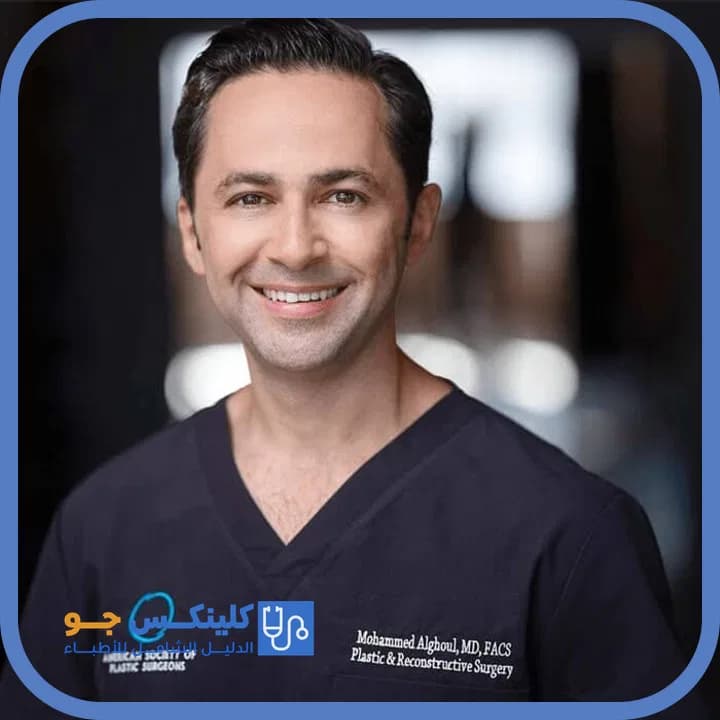
Mohammed Alghoul is a plastic and reconstructive surgeon in Amman, with a practice focused on facial and eyelid surgery and cosmetic and reconstructive breast s…
Ahmad Dawood is a consultant plastic and reconstructive surgeon with Jordanian Board certification in plastic surgery and a medical degree from the University o…
Finding Tummy Tuck services in Jordan
Which doctors are listed for Tummy Tuck in Jordan?
There are currently 4 doctor profiles linked to Tummy Tuck on ClinicsJo. Review the listed services and contact the practice to confirm availability with the doctor and branch you choose.
How can I find an appointment for Tummy Tuck?
Start with an available doctor's profile and use the contact or booking options shown there. Confirm the service, practice location and appointment time with the clinic. If this list is empty, broaden your search using the directory links on this page.
What does Tummy Tuck cost in Jordan?
Ask the practice for the current price and what it includes. A consultation fee shown on a profile is not necessarily the price of a procedure, tests or follow-up. Confirm any additional charges and insurance arrangements before your visit.
How much does Tummy Tuck cost in Jordan?
No clinic on ClinicsJo has published a price for Tummy Tuck yet, so we do not quote an estimated figure. What is published is the consultation fee: Omar Khalaf (30 JOD) and Anas Abu Shamleh (30 JOD). The doctor sets the treatment price after assessing your case.
What clinics and doctors have published on ClinicsJo
- Published consultation fee — Omar Khalaf: 30 JOD consultation fee.
- Published consultation fee — Anas Abu Shamleh: 30 JOD consultation fee.
What sets the price of Tummy Tuck?
- Surgeon and anaesthetist fees
- The hospital, room type and length of stay
- The technique used (keyhole, laser or open surgery)
- Pre-operative tests and medical supplies
- Follow-up visits after the operation
Expected duration (from the procedure guide): Two to four hours, usually with a one- to two-night hospital stay
How to ask about the price
Before booking, ask the clinic for the all-inclusive price and what it covers, any extra tests or scans, how many follow-up visits are included, the payment options, and whether your insurance is accepted. You can reach them through the contact details on the doctor and clinic profiles on this page.
The figures above were published by the clinics and doctors themselves on ClinicsJo and may change. We do not estimate prices. Confirm the all-inclusive price with the clinic before booking. Offers on ClinicsJo