Top 3 Cardiologists in Khalda 2026
If you are searching for the best cardiologists in Khalda, this page lists the three cardiologists with ClinicsJo profiles in this part of Amman. They are ordered by how complete and checkable their published information is, not by clinical quality or results. Compare their services, qualifications, insurers and hours below. Then use our practical guide on symptoms, first visits and booking questions.
At a glance
| # | Doctor | Area | Suits | Profile score |
|---|---|---|---|---|
| 1 | Mahmoud Youssef Al-Hazaimeh | Khalda | Heart check-ups, risk-factor reviews and insured patients, Saturday to Thursday | 45/100 |
| 2 | Yahya Shahwan | Khalda | Chest pain, rhythm or heart failure assessment at a hospital clinic | 40/100 |
| 3 | Hanna Makhamreh | Khalda | Ongoing follow-up of coronary disease, hypertension or heart rhythm problems | 38/100 |
1Mahmoud Youssef Al-Hazaimeh
Dr. Mahmoud Youssef Al-Hazaimeh is a cardiovascular consultant at his own clinic in Khalda. His biography states that he earned his medical degree at the University of Milan in 1972. It also says he worked with Jordan's Royal Medical Services and led cardiac and internal medicine departments in Tabuk. His published services include cardiovascular consultation, ECG, echocardiography, exercise stress testing, cardiovascular risk assessment, cholesterol and lipid review, and medication follow-up for heart disease. His profile lists 12 insurers, including NatHealth, GlobeMed, MedNet, Royal Care and Arab Insurance Group. His confirmed hours are Saturday to Thursday, 10:00–17:00.
Suits: Heart check-ups, risk-factor reviews and insured patients, Saturday to Thursday
Dr. Mahmoud Youssef Al-Hazaimeh ClinicSign in to the platform to view the phone number2Yahya Shahwan
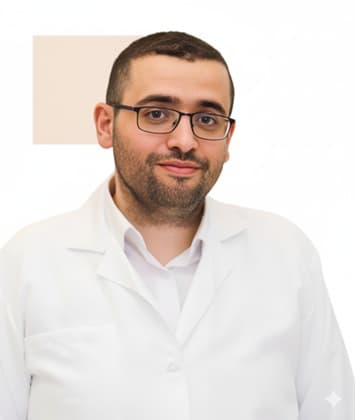
Dr. Yahya Shahwan is a cardiologist whose sub-specialty is cardiac catheterization. He sees patients at Saudi Hospital Specialist Outpatient Clinics in Khalda. His published qualifications are: - the Jordanian Board in Cardiovascular Diseases - Jordanian and Arab boards in Internal Medicine - a Turkish fellowship in cardiac catheterization His biography says his consultations cover chest pain, palpitations, hypertension and heart failure. ECG, echocardiography and stress testing are used when indicated. His listed services also include heart rhythm assessment and follow-up, coronary artery disease assessment, cardiomyopathy treatment, and diagnostic and therapeutic cardiac catheterization. His confirmed hours are Saturday to Thursday, 10:00–17:00.
Suits: Chest pain, rhythm or heart failure assessment at a hospital clinic
Saudi Hospital Specialist Outpatient ClinicsSign in to the platform to view the phone numberHours not listedInsurance not specified29 views3Hanna Makhamreh
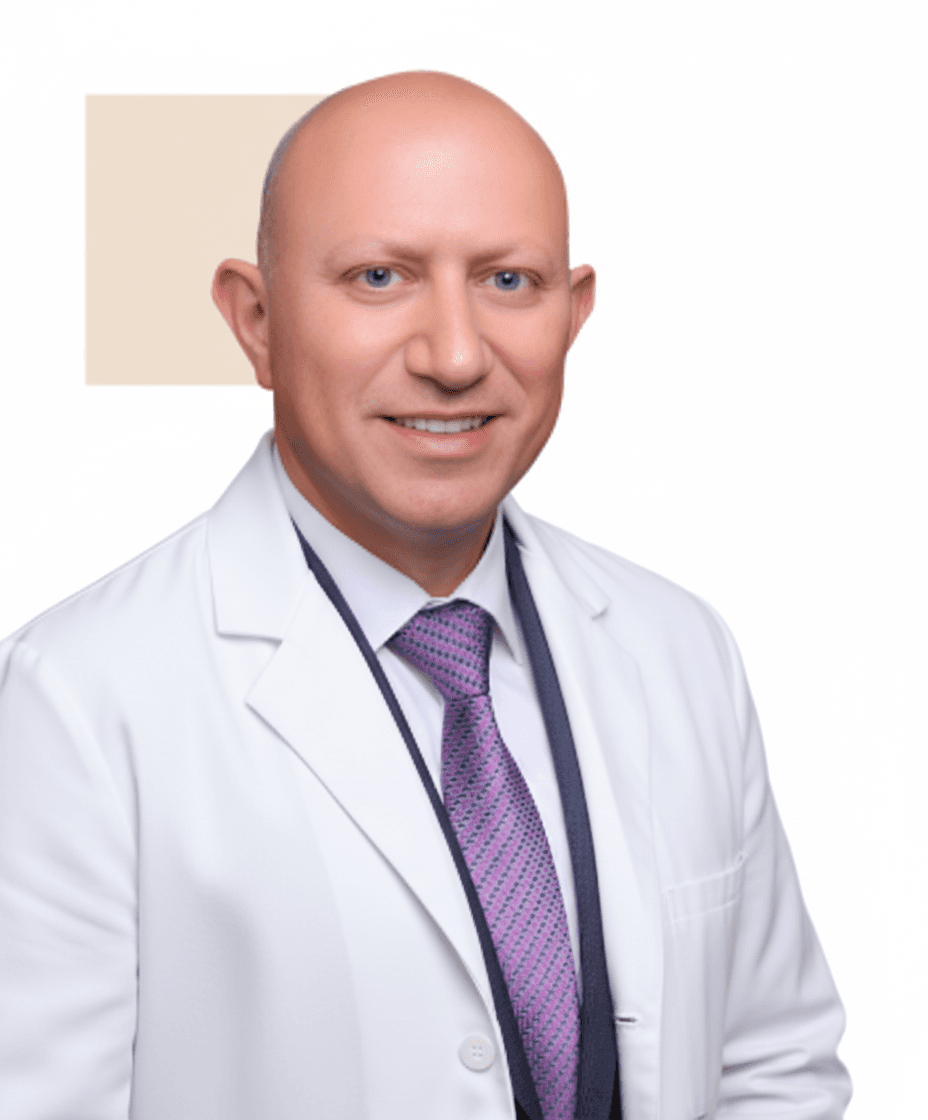
Dr. Hanna Makhamreh is a consultant cardiologist and therapeutic catheterization specialist. He works at Saudi Hospital Specialist Outpatient Clinics in Khalda. His published qualification is the American Board in Cardiovascular Diseases. His practice covers coronary artery disease, heart rhythm disorders, heart failure and hypertension. ECG, echocardiography and exercise testing are used as indicated. His listed services also include treatment of cardiomyopathy and chronic heart disease, and diagnostic and interventional cardiac catheterization. His biography notes that consultation and procedure arrangements are confirmed through the hospital appointment service. His confirmed hours are Saturday to Thursday, 10:00–17:00.
Suits: Ongoing follow-up of coronary disease, hypertension or heart rhythm problems
Saudi Hospital Specialist Outpatient ClinicsSign in to the platform to view the phone numberHours not listedInsurance not specified25 views
How we chose this list
Every matching doctor profile in this area was scored out of 100 for how complete and checkable its published information is, and the highest scores appear here in order. Featured placement does not change a profile's score, and the score does not measure treatment quality or outcomes — it tells you how much you can check before you call.
- Profile verified by the platform15
- Approved reviews (number and average)20
- Published years of experience (up to 25)15
- Published qualifications10
- Written professional biography8
- Profile photo5
- Published services8
- Listed insurers7
- Confirmed opening hours6
- Published consultation fee3
- Map location3
Ties are broken by the number of approved reviews, then published years of experience. Confirm the service, branch, appointment, fees and insurance coverage with the practice before visiting.
When do you need a cardiologist?
Cardiology covers the diagnosis and treatment of diseases of the heart and blood vessels. This ranges from high blood pressure and high cholesterol to heart attacks, rhythm problems and heart failure. Many people see a cardiologist after a referral from a GP or internist. In Jordan's private sector, you can also book directly.
Consider booking a cardiology appointment if you have:
- chest pain, pressure or tightness that comes on with effort and eases with rest
- palpitations: a racing, pounding or irregular heartbeat, or a feeling of skipped beats
- shortness of breath on exertion that is new or worse than usual, or swelling of the ankles
- high blood pressure readings, or blood pressure that stays high despite treatment
- a family history of heart disease, especially in close relatives at a younger age
- other risk factors such as diabetes, high cholesterol or smoking, and you want a structured risk review
- episodes of dizziness or fainting (fainting should always be assessed promptly)
Warning signs that need emergency care: call 911
Do not wait for a clinic appointment if you or someone with you has:
- chest pain or pressure that lasts more than a few minutes or keeps coming back, especially if it spreads to the arm, neck, jaw or back
- chest discomfort with sweating, nausea, breathlessness or light-headedness
- sudden, severe shortness of breath
- fainting or collapse
- sudden face drooping, arm weakness or slurred speech, which can be signs of a stroke
Call 911 rather than driving yourself. Women, older adults and people with diabetes may have less typical heart attack symptoms, so take unusual breathlessness or tiredness seriously.
How to choose among the cardiologists here
No directory can objectively name the best cardiologists in Khalda. What you can do is match each published profile to your own needs.
- Match services to your concern. All three profiles list ECG, echocardiography and exercise stress testing. Dr. Yahya Shahwan and Dr. Hanna Makhamreh also list diagnostic and therapeutic cardiac catheterization. Catheterization is a procedure a cardiologist recommends only when tests suggest it is needed. It is not a reason by itself to choose a doctor for a first visit.
- Read the published qualifications. Each profile shows the degrees or board certifications the doctor has published. Use them to understand training, not as a measure of outcomes.
- Check insurance early. Dr. Mahmoud Youssef Al-Hazaimeh's profile lists 12 insurers. For the two doctors at Saudi Hospital Specialist Outpatient Clinics, confirm your insurer directly with the hospital appointment service.
- Consider the setting. One doctor practises from his own clinic. The other two see patients in a hospital outpatient setting. Ask each where tests are done and whether they can happen on the same day.
- Look at the hours. All three confirm Saturday to Thursday, 10:00–17:00. If you work during the day, ask about the earliest or latest available slot.
- Think long term. Blood pressure, cholesterol and heart failure usually need regular follow-up. Choose a location and schedule you can return to easily.
What to expect at the first visit
A first cardiology visit usually includes:
- a detailed history of your symptoms and risk factors
- a physical examination
- a blood pressure check, and often an ECG
- further tests if the doctor considers them useful, such as an echocardiogram or a stress test
- a plan for follow-up
How to prepare
- Write down your symptoms: when they started, how long they last, what triggers them and what relieves them.
- Bring a full list of your medicines and supplements, or the boxes themselves.
- Bring previous ECGs, echo reports, blood test results (such as cholesterol, sugar and kidney function) and any hospital discharge summaries.
- If you measure your blood pressure at home, bring a log of readings taken at different times of day.
- Note any heart disease, sudden deaths or strokes in your family.
- Bring your ID, your insurance card and a referral letter if your insurer requires one.
- Wear comfortable clothes and walking shoes in case a stress test is done.
- Ask the clinic whether you need to fast or change anything before tests. Do not stop or adjust any medicine unless a doctor tells you to.
Questions worth asking
- What do you think is causing my symptoms, and what are the other possibilities?
- Which tests do I need now, and what will each one show?
- Which warning signs should send me to the emergency department?
- What can I change in diet, activity or smoking to lower my risk?
- How often should I come back for follow-up?
Insurance, fees and booking: what to ask before the appointment
Before you book, ask the clinic or hospital appointment service:
- What is the consultation fee, and are ECG, echocardiography or stress testing charged separately?
- Is my insurer accepted for both the consultation and any tests?
- Does my policy need pre-approval for tests or procedures such as catheterization, and how long does approval take?
- What co-payment or percentage will I pay?
- Can tests be done on the same visit, or will I need a second appointment?
- How far ahead do I need to book, and is there a cancellation policy?
For the two doctors at Saudi Hospital Specialist Outpatient Clinics, Dr. Makhamreh's profile notes that arrangements are confirmed through the hospital appointment service. Use that same route to check insurance and timings. For Dr. Al-Hazaimeh, compare your insurer's exact name with his listed insurers, then confirm directly. Networks and contracts can change.
Getting there
Khalda is one of Amman's districts. The clinics listed here are convenient for residents of Khalda and nearby areas such as Tla' Al-Ali, Dabouq and the Gardens. Most patients arrive by car, taxi or ride-hailing app. Check the map location on each profile before you set off.
Plan for the following:
- Arrive early enough for registration and insurance checks, especially at a hospital clinic.
- If you get breathless walking or climbing stairs, ask whether there is a lift and parking close to the entrance.
- If you might have a stress test, avoid driving yourself home if you feel unwell afterwards, and consider bringing a companion.
In an emergency, do not head to an outpatient clinic. Call 911 or go to the nearest emergency department. Amman's large hospitals include Jordan University Hospital, Istishari Hospital, Specialty Hospital, Al-Bashir Hospital and King Hussein Medical Center.
Checklist before you book
- My symptoms are not emergency warning signs (if they are, call 911)
- I have chosen a doctor whose published services match my concern
- I have confirmed that my insurer is accepted and whether pre-approval is needed
- I have asked about the consultation fee and test charges
- I have confirmed the appointment day and time within the clinic's hours
- I have my medicine list, previous reports and home blood pressure readings ready
- I have my ID, insurance card and any referral letter
- I know whether I need to fast or prepare for any test
- I have written down my questions for the doctor
- I have checked the clinic's location and how I will get there
Frequently asked questions
How was this list of cardiologists in Khalda chosen?
Which cardiologists in Khalda list cardiac catheterization?
Which listed cardiologist shows accepted insurers?
What are the opening hours of cardiologists in Khalda?
When is chest pain an emergency rather than a clinic visit?
What should I bring to my first cardiology appointment?
Do I need a referral to see a cardiologist in Amman?
More shortlists
This page helps you compare published profiles; it is not medical advice and does not rank clinical skill. In an emergency call 911 or go to the nearest emergency department.