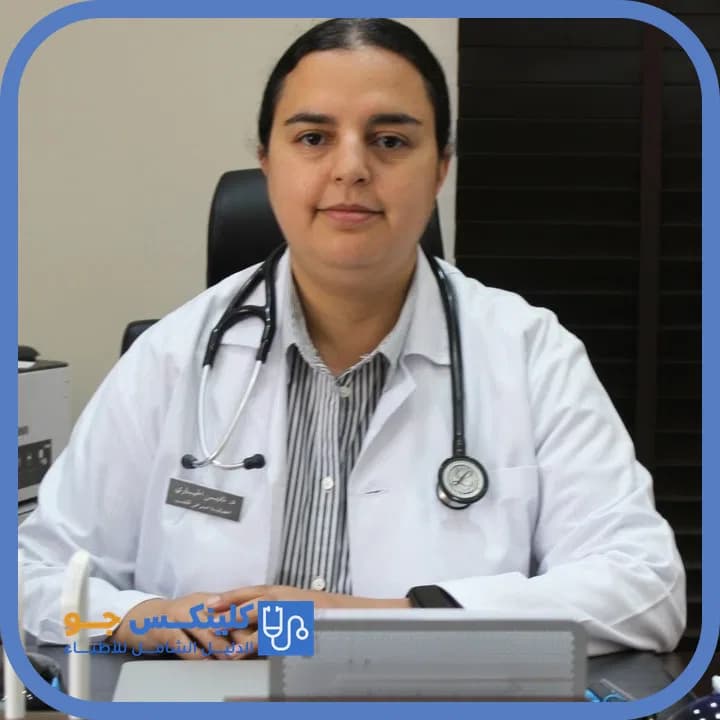
Dr. Mohammad Talat Al Bitar is a consultant in internal medicine with a focus on diabetes, hypertension and chronic disease follow-up. He graduated from the Uni…

Chest pain is a symptom, not a disease, and its management therefore starts in an order that surprises many people: the first step is not to relieve the pain but to exclude the causes that kill. The first things looked for are reduced blood supply to the heart muscle and heart attack, a clot in the pulmonary artery, a tear in the aorta, a pneumothorax, inflammation of the sac around the heart, and rupture of the oesophagus.
The pathway is practical and quick: a careful history of where the pain is, what it feels like, how long it lasts, what makes it better or worse, and how it relates to exertion, food, posture or breathing; then examination and vital signs; an ECG within minutes of arrival; blood tests for cardiac enzymes repeated over intervals; and a chest X-ray. Depending on the likely cause, further tests are added: an echocardiogram, a stress test, CT coronary imaging, or imaging of the pulmonary arteries.
Non-cardiac causes are very common and entirely real: musculoskeletal pain or inflammation of the costal cartilages that worsens with pressure and movement, acid reflux from the stomach into the oesophagus, anxiety and panic attacks, nerve pain such as shingles, and chest infections. But attributing pain to one of these comes after the dangerous causes have been excluded, never by guesswork, and eligibility for any test is determined by clinical assessment.
Treatment follows the cause. An acute coronary syndrome is managed urgently in hospital; pericarditis is treated with an anti-inflammatory plan and follow-up; acid reflux with medication and changes to eating and sleeping habits; musculoskeletal pain with analgesia, physiotherapy and movement correction; and anxiety with a psychological, behavioural and, when needed, medical plan. Controlling risk factors — smoking, blood pressure, diabetes, lipids, weight and activity — is part of the treatment, not a passing suggestion.
The limits matter. A painkiller relieves pain without treating its cause; pain that settles after a dose of medicine or after belching does not prove the cause was not cardiac; and a single normal ECG does not mean you are safe. Believing that a young person, an athlete or an active man cannot have cardiac chest pain is a dangerous error, as is labelling every chest pain as gas or a muscle strain without assessment. Do not wait for severe new pain to pass, do not drive yourself to hospital, and do not take medication of your own choosing — call an ambulance and let the team decide.

Procedure steps
- 1
Urgent triage and excluding the dangerous causes
Vital signs and oxygen saturation are measured, the chest, heart and legs are examined, and you are asked precisely about the pain, your risk factors and your medicines. The aim in the first minutes is not to name the disease but to establish whether this needs immediate intervention.
- 2
ECG and serial cardiac enzymes
An ECG is done within minutes and repeated if the pain changes, and cardiac enzymes are taken and repeated after an interval because a single value is not enough. A normal trace with ongoing pain does not close the file; it opens the next step.
- 3
Further tests according to likelihood
A chest X-ray may be requested, an echocardiogram to assess muscle, valves and the surrounding sac, a stress test or CT coronary imaging if the pain is exertional, imaging of the pulmonary arteries if a lung clot is suspected, or an upper endoscopy if the history points to an oesophageal cause.
- 4
Treatment aimed at the cause
The cause is treated rather than the symptom: an urgent coronary pathway, an anti-inflammatory plan for pericarditis, a reflux plan, analgesia and physiotherapy for musculoskeletal pain, or a plan for anxiety and panic attacks. The duration of each plan and when improvement is expected are explained to you.
- 5
Prevention and follow-up plan
Risk factors are addressed: stopping smoking, controlling blood pressure, diabetes and lipids, and managing weight, activity and sleep. You are asked to log episodes of pain — timing, duration and trigger — because that diary changes the diagnosis more than any extra test.
Before the procedure
If the pain is new and severe, or comes with breathlessness, sweating, nausea or fainting, do not prepare anything: call an ambulance immediately. For a clinic visit about recurrent chest pain, come prepared: log the episodes — when they happen, how long they last, where the pain sits, what you were doing when it started and what relieved it — because that information is more powerful than any test. Bring all previous reports, ECGs and blood results, and a complete list of your medicines, supplements and herbal products. Tell the doctor about smoking and any substances you use, about a family history of early heart disease or sudden death, and about any stomach, oesophageal, lung or anxiety condition. Do not stop antiplatelets, anticoagulants or cardiac medicines on your own even if the pain has completely gone — not even before a tooth extraction or a dental cleaning; that decision belongs to your cardiologist, not to you and not to the dentist alone. Do not fast unless you have been told to for a specific test.
After the procedure
Call an ambulance immediately — do not wait and do not drive yourself — for pain, pressure or heaviness in the centre of the chest that lasts more than a few minutes or returns, or spreads to the arm, neck, jaw or back, or comes with cold sweating, nausea, breathlessness, fainting or palpitations; for sharp chest pain that worsens on breathing together with breathlessness or a painful swollen leg; or for severe tearing pain that moves through to the back. Remember that symptoms in women, older people and people with diabetes can be atypical: new profound fatigue, nausea, breathlessness or upper abdominal pain without obvious chest pain. Once the cause is known, follow the whole plan: take your medicines regularly, treat your risk factors, build up activity at the pace set for you, and log episodes and their triggers for the next review. Do not rely on a daily painkiller for pain that has never been diagnosed, and do not stop a prescribed medicine because the pain has gone.
Expected duration
Urgent assessment in the emergency department usually takes two to six hours to allow repeat ECGs and enzymes; a clinic visit for recurrent pain typically lasts 20 to 40 minutes, with further tests spread over days as required.
Doctors who provide Chest pain treatment
Dr. Imad Al Haddad practices cardiology and interventional cardiovascular medicine at Jordan Hospital. His work includes complex coronary disease and assessment…
Dr Yahya Shahwan specialises in cardiovascular disease and diagnostic and therapeutic cardiac catheterization. At Saudi Hospital in Khalda, his consultations co…
Dr. Nadine Mohammad Aktham Hiari is a cardiology and interventional cardiology specialist with a medical degree from the University of Cambridge in the United K…
Dr. Amr Saeed Rasheed is an interventional cardiologist whose practice covers cardiovascular assessment, coronary disease follow-up and deciding when diagnostic…
Dr. Ashraf Hatem Qubbaj specialises in cardiology and cardiac catheterization. A Jordan University of Science and Technology graduate, he trained in internal me…
Dr. Munther Awni Al Saafin provides cardiology care at Jordan Hospital and Medical Centre. His interests include complex coronary intervention, chronic total co…
Dr. Basil Abu-El-Haija is a consultant cardiologist and cardiac electrophysiologist focused on arrhythmias and cardiac rhythm devices. After graduating from the…
Dr. Kais Al Balbissi practices adult cardiology and interventional catheterization, with heart failure among the clinic’s stated areas of care. The Jordanian Ca…
Dr Hisham Al-Janabi is a consultant in cardiology, interventional cardiology and internal medicine. His clinic at Al-Kasasbeh Center in Aqaba provides cardiolog…
Dr. Murad Al Kouz is a cardiology specialist with a focus on diagnostic and interventional catheterization. His biography describes cardiology training at Jorda…
Dr. Malek Mohammed Khalil Al Jemzawi practices internal medicine and cardiology, assessing chest pain, palpitations and blood pressure and following patients wi…
Finding Chest pain treatment services in Jordan
Which doctors are listed for Chest pain treatment in Jordan?
There are currently 12 doctor profiles linked to Chest pain treatment on ClinicsJo. Review the listed services and contact the practice to confirm availability with the doctor and branch you choose.
How can I find an appointment for Chest pain treatment?
Start with an available doctor's profile and use the contact or booking options shown there. Confirm the service, practice location and appointment time with the clinic. If this list is empty, broaden your search using the directory links on this page.
What does Chest pain treatment cost in Jordan?
Ask the practice for the current price and what it includes. A consultation fee shown on a profile is not necessarily the price of a procedure, tests or follow-up. Confirm any additional charges and insurance arrangements before your visit.
How much does Chest pain treatment cost in Jordan?
No clinic on ClinicsJo has published a price for Chest pain treatment yet, so we do not quote an estimated figure. What is published is the consultation fee: 20–40 JOD (profiles: 16). The doctor sets the treatment price after assessing your case.
What clinics and doctors have published on ClinicsJo
- Published consultation fee — Raed Al Awaisheh: 20 JOD consultation fee.
- Published consultation fee — Abdallah Walid Haydamous: 20 JOD consultation fee.
- Published consultation fee — Mohammad Talat Al Bitar: 20 JOD consultation fee.
- Published consultation fee — Murad Al Kouz: 20 JOD consultation fee.
- Published consultation fee — Yahya Shahwan: 20 JOD consultation fee.
Other doctor profiles with a published fee: 11.
What sets the price of Chest pain treatment?
- The consultation fee and follow-up visits
- Tests and investigations needed
- The chosen treatment approach and its duration
- Medicines or supplies
- Insurance coverage and your share of the cost
Expected duration (from the procedure guide): Urgent assessment in the emergency department usually takes two to six hours to allow repeat ECGs and enzymes; a clinic visit for recurrent pain typically lasts 20 to 40 minutes, with further tests spread over days as required.
How to ask about the price
Before booking, ask the clinic for the all-inclusive price and what it covers, any extra tests or scans, how many follow-up visits are included, the payment options, and whether your insurance is accepted. You can reach them through the contact details on the doctor and clinic profiles on this page.
The figures above were published by the clinics and doctors themselves on ClinicsJo and may change. We do not estimate prices. Confirm the all-inclusive price with the clinic before booking. Offers on ClinicsJo