Jordan Hospital and Medical Centre Outpatient Clinics
Sign in to the platform to view the phone number
Trusted medical platform in Jordan

These are the five colorectal surgery specialists with ClinicsJo profiles in Jabal Amman. All are general surgeons who list colorectal surgery as a sub-specialty. They are ordered by how complete and checkable their published information is, not by clinical skill. Use the entries to compare services, qualifications, clinic hours and insurers. Then confirm the details directly with the clinic when you book.
| # | Doctor | Area | Suits | Profile score |
|---|---|---|---|---|
| 1 | Imad Mustafa | Jabal Amman | Arab Orient Insurance holders seeking colon or laparoscopic surgery assessment | 42/100 |
| 2 | Mohammad Sami Al-Muhtaseb | Jabal Amman | Surgical opinions on colorectal cancer, anal conditions or inflammatory bowel disease | 40/100 |
| 3 | Mahmoud Bals | Jabal Amman | Patients needing colon surgery alongside breast, thyroid or hernia care | 40/100 |
| 4 | Moath Rabah | Jabal Amman | Haemorrhoids, fissures, fistulas or pilonidal disease, including laser options | 38/100 |
| 5 | Mohammad Saleh Efteiha | Jabal Amman | Arabic or English speakers seeking a colorectal assessment at Jordan Hospital clinics | 18/100 |
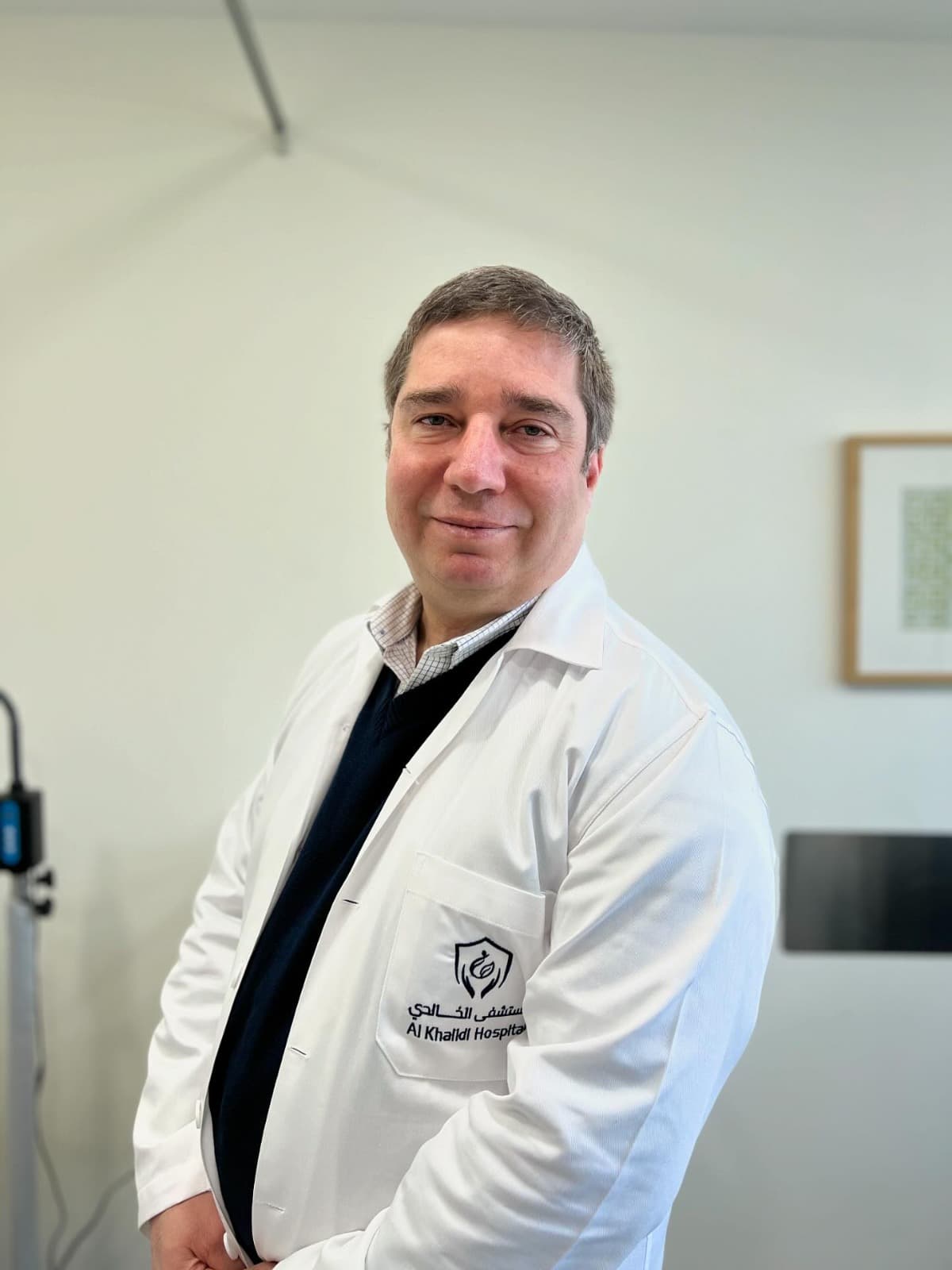
Dr. Imad Mustafa is a general surgeon whose areas of practice include laparoscopic and colon surgery. He holds the Jordanian Board and the Arab Board in General Surgery and completed his general surgery residency at Jordan Hospital. His listed services are general surgical consultation, colorectal surgical assessment, colon surgery, laparoscopic surgery and general surgical follow-up. His profile also mentions teaching in clinical medical sciences at Ibn Sina University. He sees patients at Jordan Hospital and Medical Centre Outpatient Clinics in Jabal Amman. His confirmed hours are Saturday to Thursday, 10:00–17:00. He speaks Arabic and English, and Arab Orient Insurance is listed among accepted insurers.
Suits: Arab Orient Insurance holders seeking colon or laparoscopic surgery assessment
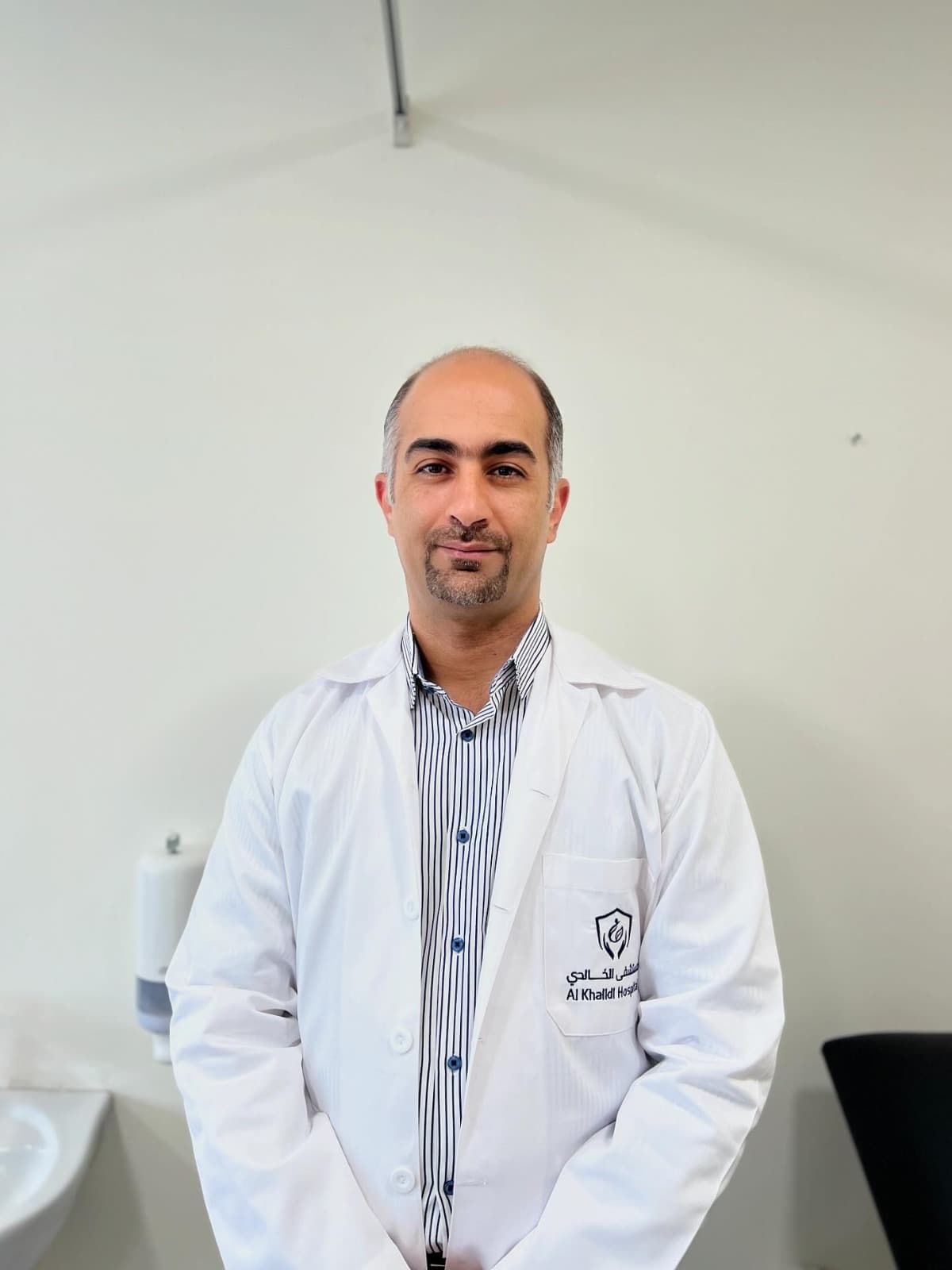
Dr. Mohammad Sami Al-Muhtaseb is a consultant in general and colorectal surgery. He holds a colorectal surgery fellowship from Cleveland Clinic. His biography also lists British Royal College fellowship training in general and colorectal surgery, surgical training in Edinburgh and Glasgow, and teaching at the University of Jordan. His published services include: - colorectal and colon cancer surgery - treatment of haemorrhoids, anal fissures and fistulas - surgical assessment for Crohn's disease and ulcerative colitis - bowel obstruction surgery and treatment of bowel surgery complications and abdominal fistulas - hernia repair and laparoscopic gallbladder and appendix surgery His clinic is on the fifth floor of Al Khalidi Medical Plaza. It is open Saturday to Wednesday 09:00–18:00 and Thursday 09:00–13:30.
Suits: Surgical opinions on colorectal cancer, anal conditions or inflammatory bowel disease
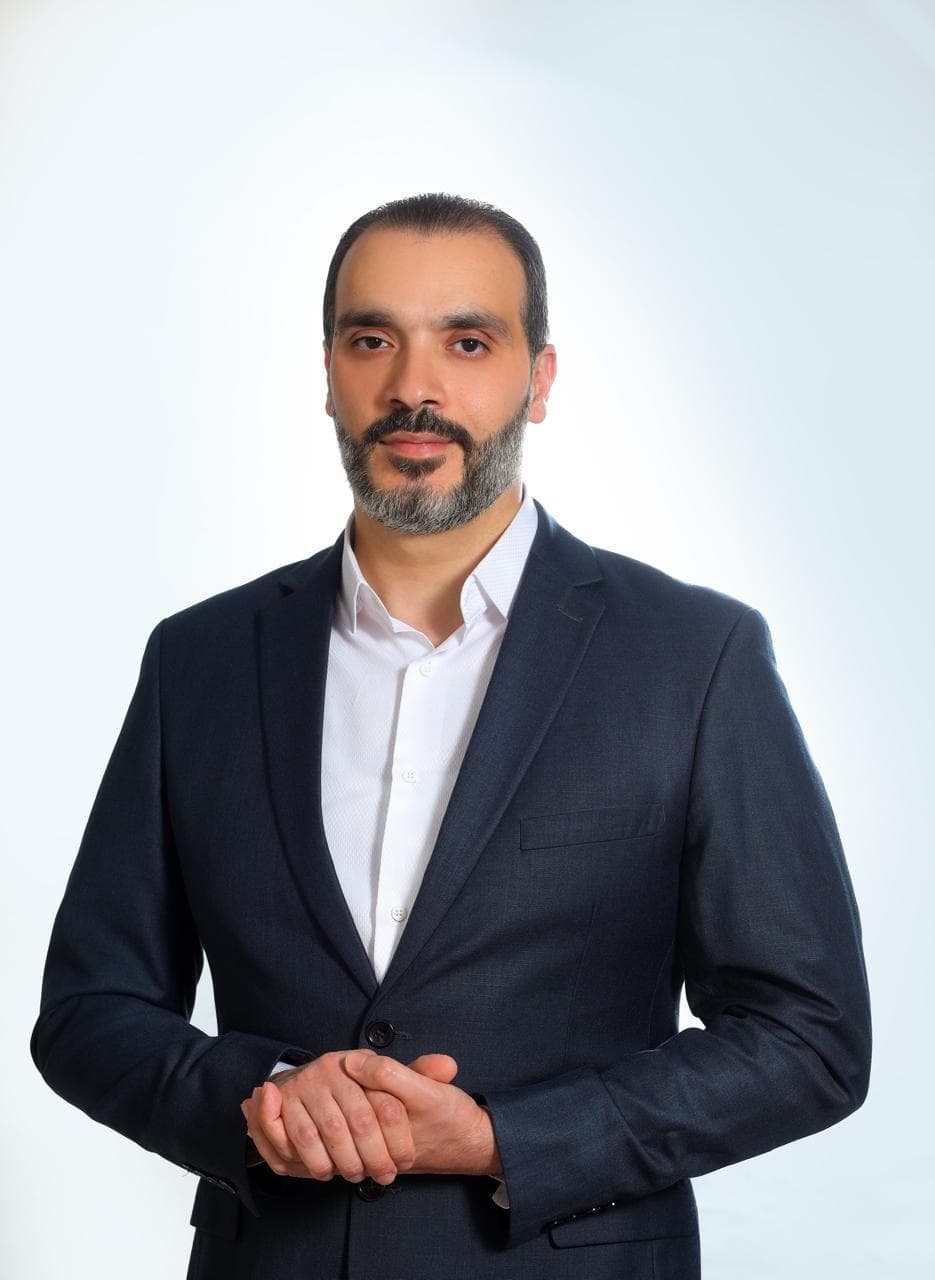
Dr. Mahmoud Bals is a consultant in breast tumour surgery and reconstruction. His sub-specialties also include colorectal, laparoscopic, endocrine and oncological surgery. He completed his medical degree and higher specialty in general surgery at Jordan University of Science and Technology. He holds the Jordanian Board in general surgery and a fellowship in breast oncology surgery and reconstruction from the University of Bologna. His experience includes consultant work at Prince Hamzah Hospital. Most of his listed services relate to breast surgery. They also include colon surgery, hernia repair, thyroid surgery and laparoscopic gallbladder removal. He practises on the fifth floor of Al Khalidi Medical Plaza, Saturday to Wednesday 09:00–18:00 and Thursday 09:00–13:30.
Suits: Patients needing colon surgery alongside breast, thyroid or hernia care
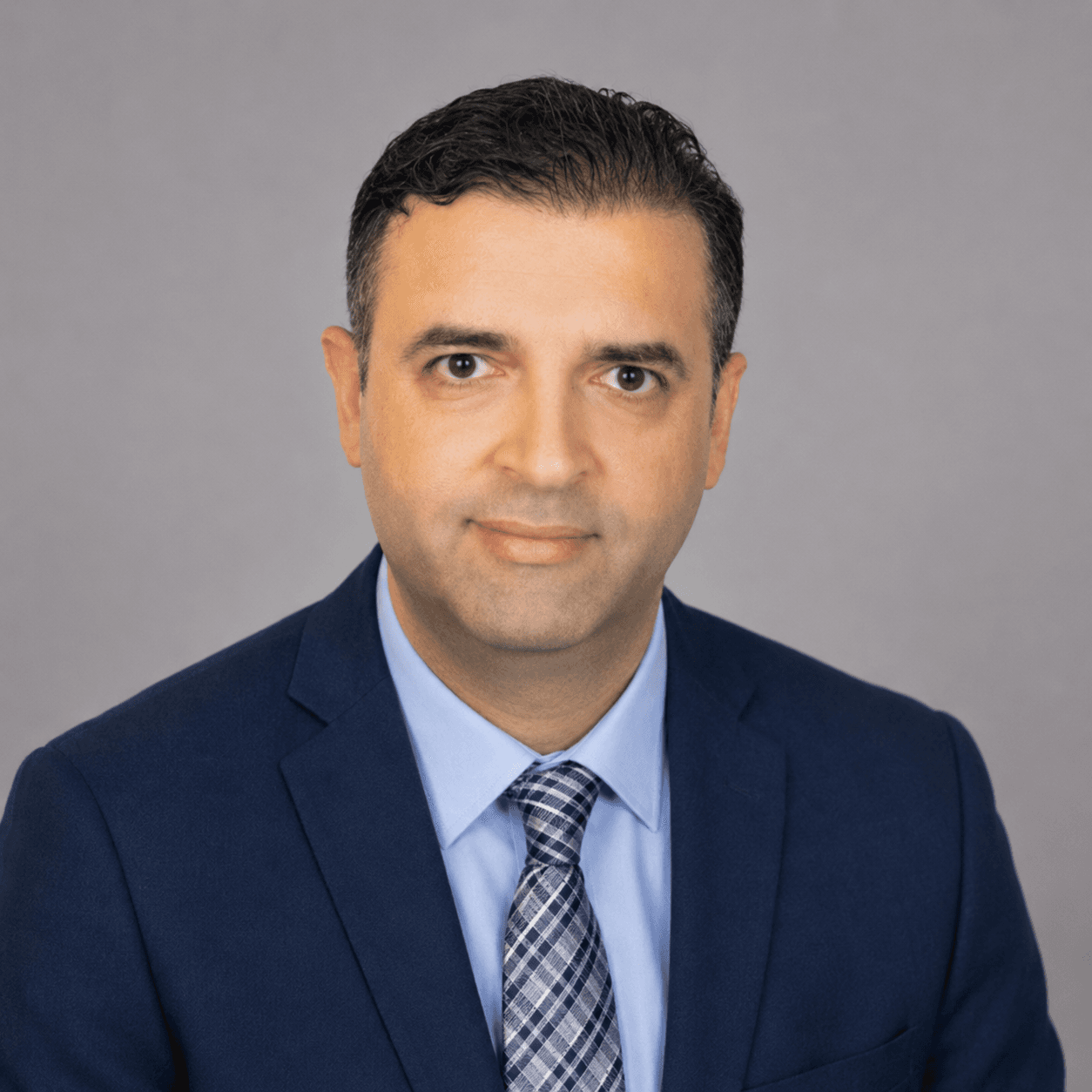
Dr. Moath Rabah specialises in general and laparoscopic surgery. He holds the Jordanian Board in general surgery and previously worked in the Royal Medical Services. His listed services include treatment of haemorrhoids, anal fissures, anal fistulas and pilonidal disease, using surgical or laser options as appropriate, as well as colon cancer surgery. He also lists laparoscopic gallbladder, appendix and hernia surgery, thyroid and parathyroid surgery, breast lump removal and bariatric surgery. His profile notes that surgical assessment determines suitability and where a procedure takes place. Consultations are held on the fifth floor of Al Khalidi Medical Plaza, Saturday to Wednesday 09:00–18:00 and Thursday 09:00–13:30.
Suits: Haemorrhoids, fissures, fistulas or pilonidal disease, including laser options
Dr. Mohammad Saleh Efteiha is described as a consultant general and colorectal surgeon at Jordan Hospital in Amman. His profile lists Jordan Hospital and Medical Centre Outpatient Clinics in Jabal Amman. According to his biography, he studied medicine at Cairo University. He also undertook fellowship training associated with the University of Illinois and Cook County in Chicago. His published services are general surgery consultations and colorectal surgery, and he speaks Arabic and English. His profile advises bringing previous endoscopy reports, imaging and investigations to a colorectal assessment. These help clarify the diagnosis and guide the discussion of treatment and follow-up options.
Suits: Arabic or English speakers seeking a colorectal assessment at Jordan Hospital clinics
Every matching doctor profile in this area was scored out of 100 for how complete and checkable its published information is, and the highest scores appear here in order. Featured placement does not change a profile's score, and the score does not measure treatment quality or outcomes — it tells you how much you can check before you call.
Ties are broken by the number of approved reviews, then published years of experience. Confirm the service, branch, appointment, fees and insurance coverage with the practice before visiting.
Colorectal surgery deals with conditions of the colon, rectum and anus.
Many people first see a GP or gastroenterologist and are referred on; others book directly with a surgeon. Not every visit leads to an operation. Many anal conditions are first managed with diet, fluids, stool-softening measures and other non-surgical treatment. The surgeon's role is often to assess and advise.
Signs worth booking an assessment for:
Call 911 or go to an emergency department straight away if you have any of these:
After any bowel operation, seek prompt medical attention for high fever, worsening pain, or a red or discharging wound.
If you are searching for the best colorectal surgery specialists in Jabal Amman, note that all five doctors listed are general surgeons who list colorectal surgery as a sub-specialty. Their published focus differs, so match the profile to your problem:
Other practical points:
The surgeon will ask about your symptoms, how long they have lasted, your bowel habits, diet, medicines, previous operations and family history.
An examination of the abdomen is usual. For anal or rectal symptoms, the doctor will usually also do a gentle examination of the anal area, and may offer a short internal examination or proctoscopy. You can ask for a chaperone and ask the doctor to explain each step first. Feeling embarrassed is common, but these examinations are routine for colorectal surgeons.
Depending on the findings, you may be advised to have blood tests, a colonoscopy, or a CT or MRI scan. You may instead be offered a trial of non-surgical treatment before any decision about surgery.
What to bring:
Questions to ask:
Insurance acceptance varies by clinic and by policy. Dr. Imad Mustafa's profile lists Arab Orient Insurance. For any doctor, contact both the clinic and your insurer before the visit and ask:
Outpatient consulting times can shift around operating lists. Confirm the time and location when booking, as Dr. Mustafa's profile itself advises. If surgery is proposed, ask for a written estimate that covers the surgeon, anaesthesia, hospital stay and follow-up, so you can compare options clearly.
All five profiles list a clinic in Jabal Amman:
Check the exact building and floor on each profile before you set off. Patients come from across the capital, including Abdoun, Sweifieh, Shmeisani, 7th Circle, Gardens, Khalda, Dabouq, Tla' Al-Ali and Jubeiha.
Roads in central Amman can be busy, especially at peak times. Allow extra time and arrive early to register. Parking near busy clinics can be limited, so a taxi or ride-hailing app may be easier. If a test involves sedation, arrange for someone to take you home afterwards.
Amman also has large centres such as Jordan University Hospital, King Hussein Medical Center, Al-Bashir Hospital, King Hussein Cancer Center, Specialty Hospital and Istishari Hospital. If you are referred for further tests, cancer care or a second opinion, ask your surgeon where you should go.
This page helps you compare published profiles; it is not medical advice and does not rank clinical skill. In an emergency call 911 or go to the nearest emergency department.