Top 6 Endocrine Surgery Specialists in Amman — A patient receiving guidance before surgery — directory of the best Endocrine Surgery doctors in Amman

Top 6 Endocrine Surgery Specialists in Amman 2026

If you are searching for the best endocrine surgery specialists in Amman, this page lists six general surgeons whose ClinicsJo profiles include endocrine surgery, mainly thyroid and parathyroid work. They are ordered by how complete and checkable their published information is, not by skill or outcomes. Compare qualifications, clinic areas and confirmed hours below, then contact a clinic through its profile to book.

6 of 8 doctors on ClinicsJoUpdated 18 October 2026How we chose

At a glance

#DoctorAreaSuitsProfile score
1Hisham Issa ShabaniShmeisaniThyroid or parathyroid surgery consultations in Shmeisani, afternoon hours40/100
2Mahmoud BalsJabal AmmanThyroid surgery alongside breast concerns, Jabal Amman, long weekday hours40/100
3Moath RabahJabal AmmanThyroid or parathyroid surgery consultations in Jabal Amman, full weekday hours38/100
4Mohammad Al-QaisiJubaihaSurgical Oncology31/100
5Moh’d Basem HamdanJubaihaSurgical Oncology31/100
6Mahmoud KhattabJabal AmmanArabic or English consultations on thyroid surgery, Jabal Amman21/100
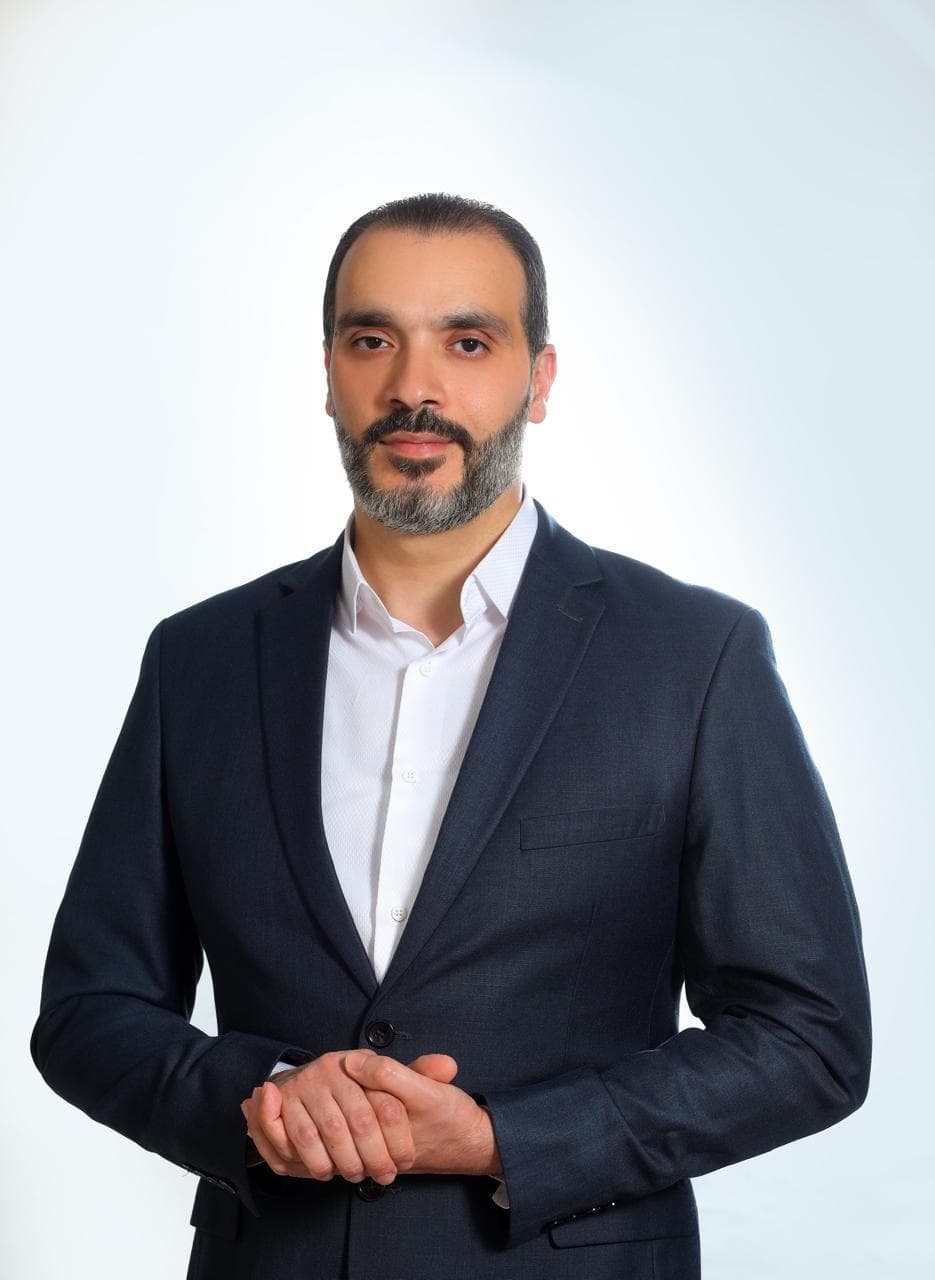
  1. 1Hisham Issa Shabani

    Dr. Hisham Issa Shabani is a general surgeon whose listed sub-specialties include endocrine, laparoscopic, bariatric and breast surgery, along with surgical oncology. His published services include thyroid and parathyroid surgery, as well as gallbladder, hernia and bariatric procedures such as sleeve gastrectomy and gastric bypass. He studied medicine at Jordan University of Science and Technology and trained in general and laparoscopic surgery at Islamic Hospital. His biography says he obtained the Jordanian general surgery board in 2012. He also holds Membership of the Royal College of Surgeons in Ireland and completed surgical oncology fellowship training at King Hussein Cancer Center. His clinic is in Shmeisani and is open Saturday to Wednesday 11:00–17:00 and Thursday 11:00–14:00.

    Suits: Thyroid or parathyroid surgery consultations in Shmeisani, afternoon hours

  2. 2Mahmoud Bals

    Dr. Mahmoud Bals is a general surgeon and consultant in breast tumour surgery and reconstruction. Endocrine surgery is among his listed sub-specialties and thyroid surgery is among his services. He completed his medical degree and higher specialty in general surgery at Jordan University of Science and Technology. He holds the Jordanian Board in general surgery and has a fellowship in breast oncology surgery and reconstruction from the University of Bologna. His biography mentions consultant work at Prince Hamzah Hospital. He also lists laparoscopic gallbladder removal, hernia repair and colon surgery. His clinic is on the fifth floor of Al Khalidi Medical Plaza in Jabal Amman. It is open Saturday to Wednesday 09:00–18:00 and Thursday 09:00–13:30.

    Suits: Thyroid surgery alongside breast concerns, Jabal Amman, long weekday hours

  3. 3Moath Rabah

    Dr. Moath Rabah is a general and laparoscopic surgeon who holds the Jordanian Board in general surgery. According to his biography, he previously worked in the Royal Medical Services. Thyroid and parathyroid surgery is among his published services. He also lists laparoscopic gallbladder, appendix and hernia surgery, and treatment of haemorrhoids, fissures, fistulas and pilonidal disease. His services further include breast lump removal, colon cancer surgery and bariatric surgery. His biography notes that a surgical assessment determines suitability and where a procedure takes place. Consultations are held on the fifth floor of Al Khalidi Medical Plaza in Jabal Amman, Saturday to Wednesday 09:00–18:00 and Thursday 09:00–13:30.

    Suits: Thyroid or parathyroid surgery consultations in Jabal Amman, full weekday hours

  4. 4Mohammad Al-Qaisi

    Mohammad Al-Qaisi serves at King Hussein Cancer Center as consultant Surgical Oncologist and Endocrine Surgeon. Professional qualifications include: 2023: Arab Board in Surgical Oncology Certified; 2020: Jordanian General Surgery Board Certified. Education and training include: 2008- 2014: Medical Doctor, Faculty of Medicine, University of Jordan, Amman, Jordan; 2015-2020: Higher Specialization in General Surgery, University of Jordan, Amman, Jordan.

    Suits: Surgical Oncology

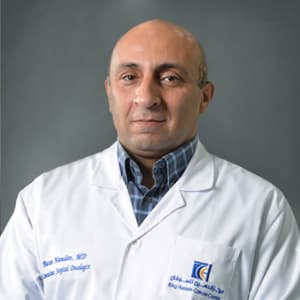
  5. 5Moh’d Basem Hamdan

    Moh’d Basem Hamdan serves at King Hussein Cancer Center as consultant, Surgical Oncology, Thyroid Surgery, Breast Surgery. Professional qualifications include: Jordanian Board of General Surgery; Jordanian Board of Surgical Oncology. Education and training include: 2009-2010: Internship in Thyroid Surgery, Mount Sinai Hospital and Sunny Brook Hospital, Canada; 2003: Master’s Degree in General Surgery, Jordan University Hospital, Jordan.

    Suits: Surgical Oncology

  6. 6Mahmoud Khattab

    Dr. Mahmoud Khattab practises at Jordan Hospital and Medical Centre Outpatient Clinics in Jabal Amman. The practice covers general surgery and liver transplantation, with interests in thyroid, breast, liver and gallbladder surgery. According to the biography, Dr. Khattab graduated from the University of Baghdad in 1998 and obtained Jordanian surgical board certification in 2005. The biography also mentions liver-disease training at the University of Hong Kong. Published services include thyroid surgery, breast surgery, liver and gallbladder surgery, and liver transplant consultation. Consultations are offered in Arabic and English. The biography notes that bringing previous reports and imaging helps when discussing whether surgery is needed and which options are available.

    Suits: Arabic or English consultations on thyroid surgery, Jabal Amman

This shortlist covers 6 of the 8 matching doctors on ClinicsJo. Browse the full list and filter it.

How we chose this list

Every matching doctor profile in this area was scored out of 100 for how complete and checkable its published information is, and the highest scores appear here in order. Featured placement does not change a profile's score, and the score does not measure treatment quality or outcomes — it tells you how much you can check before you call.

  • Profile verified by the platform15
  • Approved reviews (number and average)20
  • Published years of experience (up to 25)15
  • Published qualifications10
  • Written professional biography8
  • Profile photo5
  • Published services8
  • Listed insurers7
  • Confirmed opening hours6
  • Published consultation fee3
  • Map location3

Ties are broken by the number of approved reviews, then published years of experience. Confirm the service, branch, appointment, fees and insurance coverage with the practice before visiting.

When do you need an endocrine surgeon?

Endocrine surgery is the operative side of hormone-gland care. It mainly covers the thyroid, the parathyroid glands (four small glands that control blood calcium) and the adrenal glands.

Most hormone conditions are treated with medication and regular follow-up by an endocrinologist. These include diabetes, polycystic ovary syndrome, osteoporosis, cholesterol disorders and growth-hormone problems. A surgeon usually becomes involved when a gland itself may need an operation. This is often after a referral from your endocrinologist or family doctor.

Common reasons to see an endocrine surgeon include:

  • A thyroid nodule whose ultrasound or biopsy result needs a surgical opinion.
  • A goitre (enlarged thyroid) that presses on the windpipe or food pipe.
  • Confirmed or suspected thyroid cancer.
  • An overactive thyroid where surgery is one of the options discussed with your endocrinologist.
  • An overactive parathyroid gland that raises blood calcium. This can cause kidney stones, thinning bones, tiredness or low mood.
  • An adrenal lump found on a scan done for another reason.

Signs worth booking a visit

  • A lump or swelling in the front of the neck.
  • Hoarseness or a voice change that lasts more than a few weeks.
  • Difficulty swallowing, or a feeling of pressure in the neck.
  • Blood tests showing high calcium or abnormal thyroid levels that your doctor wants investigated.
  • A scan report that recommends a surgical review.

Hair loss, mood changes with weight gain, or ongoing fatigue are usually checked first with blood tests by a family doctor or endocrinologist. They do not by themselves mean you need surgery.

Warning signs that need urgent care

Call 911 or go to the nearest emergency department for any of these:

  • Noisy or difficult breathing.
  • Neck swelling that grows quickly.
  • High fever with a very fast heartbeat, agitation or confusion in someone with an overactive thyroid.
  • After neck surgery: rapidly increasing swelling or bleeding in the neck.
  • After neck surgery: tingling around the mouth or fingers, or muscle cramps. These can signal low calcium.

How to choose among the doctors here

All six doctors are general surgeons with endocrine surgery among their listed sub-specialties. Thyroid surgery appears in the services or stated role of every profile. Parathyroid surgery is named explicitly on Dr. Shabani's and Dr. Rabah's profiles. Several also list breast, bariatric, colorectal or liver surgery, so their focus varies.

Practical points to weigh:

  • Match the gland to the profile. If your concern is the parathyroid, ask any surgeon directly how often they perform that operation. Do this even when it is listed.
  • Cancer context. Dr. Al-Qaisi and Dr. Hamdan hold consultant roles at King Hussein Cancer Center that combine surgical oncology with endocrine or thyroid surgery. Dr. Shabani completed surgical oncology fellowship training there. This matters most if a biopsy has raised concern.
  • Where the operation happens. A clinic consultation is not always where the surgery takes place. Ask which hospital the procedure would be done in, and who manages anaesthesia and the hospital stay.
  • The wider team. Good thyroid and parathyroid care usually involves an endocrinologist, a radiologist, a pathologist and an anaesthetist. Ask how the surgeon works with them.
  • Hours and location. Opening hours are published for five of the six profiles. They range from afternoon sessions in Shmeisani to full-day hours elsewhere.
  • Language. Dr. Khattab lists Arabic and English, which helps visitors who prefer English.

People looking for the best endocrine surgery specialists in Amman often focus on reputation. Clear communication, a well-explained plan and easy access to follow-up matter just as much in practice.

What to expect at the first visit

The surgeon will usually start with your history, then examine your neck. Next comes a review of your tests, which may include:

  • thyroid function and calcium blood tests
  • parathyroid hormone results
  • neck ultrasound
  • fine-needle biopsy results

You may be asked to have further tests before any decision is made. For some nodules, careful monitoring is a reasonable alternative to surgery.

What to bring:

  • All previous blood test results, ultrasound and scan reports, and the images themselves where possible.
  • Biopsy or pathology reports.
  • A referral letter from your endocrinologist or family doctor, if you have one.
  • A list of your current medicines, including any thyroid medication and blood thinners.
  • Your ID and insurance card.

Questions to ask:

  • Why is surgery being recommended, and what happens if I wait or monitor instead?
  • Will part or all of the gland be removed?
  • What are the main risks, such as voice changes or low calcium, and how are they checked for?
  • Will I need thyroid hormone tablets afterwards, and who will manage them?
  • How long is the hospital stay and recovery, and when can I return to work?
  • Who do I contact if something worries me after the operation?

Insurance, fees and booking: what to ask before the appointment

Contact the clinic through its ClinicsJo profile before your visit and ask:

  • What is the consultation fee, and does it include a follow-up visit?
  • Does the clinic accept my insurance, and do I need a referral or pre-approval?
  • If surgery is recommended, what is billed separately? This can include the hospital stay, anaesthesia, pathology and follow-up appointments.
  • For hospital-based clinics, do I need to register or bring a referral before my first appointment?
  • How long is the wait for a consultation, and for surgery if it is needed?

Get insurance approval for surgery in writing where possible. Keep copies of every report.

Getting there

Amman is home to around 5 million residents, and traffic at peak times can add significantly to journey times.

  • Shmeisani: Dr. Shabani's clinic is here. It opens from 11:00, which can suit people coming from the 7th Circle, Abdoun or the Gardens after the morning rush.
  • Jubeiha: Dr. Al-Qaisi and Dr. Hamdan see patients at King Hussein Cancer Center. If you are coming from Sweifieh, Khalda, Tla' Al-Ali or Dabouq, allow extra time for traffic and parking.
  • Other clinics: For the remaining three doctors, check the full address on each profile before you set off. Note that two of them share the fifth floor of the same medical plaza.

If you are travelling from outside Amman for surgery, ask whether pre-operative tests can be done in one visit to reduce trips.

Checklist before you book

  • Confirm that thyroid, parathyroid or adrenal surgery, whichever applies to you, is within the surgeon's stated services.
  • Gather all blood tests, ultrasound images, scan reports and biopsy results.
  • Bring a referral letter from your endocrinologist or family doctor if you have one.
  • Ask about the consultation fee and insurance acceptance before the visit.
  • Ask where the operation would take place, if surgery is recommended.
  • Check the clinic's confirmed hours and plan your route around Amman traffic.
  • Write down your questions about options, risks and recovery.
  • Know the urgent warning signs, and call 911 if they occur.

Frequently asked questions

How was this list of endocrine surgery specialists in Amman chosen?
The six doctors are ordered by a 100-point profile-completeness score. It counts published items such as qualifications, years of experience, biography, services, insurers, confirmed hours, consultation fee, photo, map location, reviews and platform verification. Featured profiles, when present, appear first with a badge. The order shows how complete and checkable each profile is. It does not measure treatment quality or surgical outcomes.
What is the difference between an endocrinologist and an endocrine surgeon?
An endocrinologist diagnoses and treats hormone conditions mainly with medication and monitoring. This includes diabetes, thyroid imbalance, polycystic ovary syndrome and osteoporosis. An endocrine surgeon operates on hormone glands, mainly the thyroid, parathyroid and adrenal glands, when surgery is needed. Many patients see an endocrinologist first and are referred to a surgeon after blood tests, ultrasound or biopsy results. The two usually work together before and after an operation.
Does every thyroid nodule need surgery?
No. Many thyroid nodules are benign and can be safely monitored with periodic ultrasound and blood tests. Surgery is usually discussed when a biopsy is suspicious or shows cancer, or when a nodule or goitre causes pressure symptoms. It may also be considered when it affects thyroid function. Only your own doctors can judge your situation. Ask the surgeon to explain why surgery or monitoring is recommended for you.
Which of these doctors list parathyroid surgery?
Parathyroid surgery is named explicitly in the published services of Dr. Hisham Issa Shabani and Dr. Moath Rabah. All six doctors list endocrine surgery as a sub-specialty, and thyroid surgery appears in each profile's services or stated role. If you have a parathyroid problem, ask any surgeon you consider how regularly they perform this specific operation. Ask too what scans they use to locate the gland before surgery.
Are any of these surgeons based at King Hussein Cancer Center?
Confirm appointments with King Hussein Cancer Center before visiting; a verified schedule is not available for each physician. Consult the current physician profile to arrange a visit.
What symptoms after thyroid or parathyroid surgery need emergency care?
Seek urgent help for rapidly increasing neck swelling, bleeding from the wound, or noisy or difficult breathing. Also seek help for tingling around the mouth or in the fingers, or muscle cramps, which can signal low calcium. In Jordan, call 911 or go to the nearest emergency department. For milder concerns, such as mild hoarseness or wound questions, contact your surgeon's clinic promptly using the instructions given at discharge.
Can I see an endocrine surgeon in Amman in English?
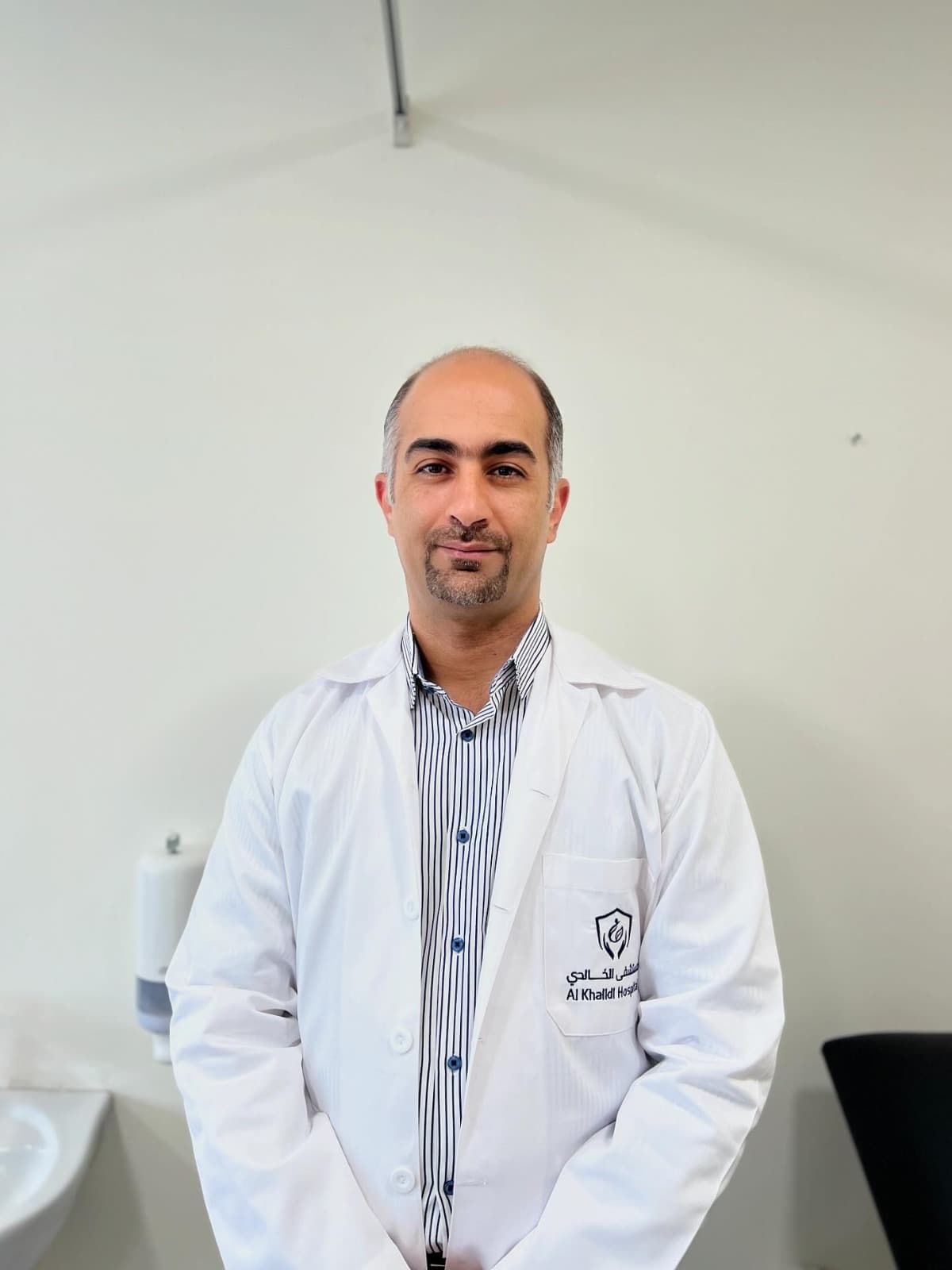
Dr. Mahmoud Khattab's profile lists consultations in Arabic and English, at Jordan Hospital and Medical Centre Outpatient Clinics in Jabal Amman. For the other doctors, ask the clinic when booking which languages are used during consultations. Whatever the language, bring written copies of your reports and imaging. That way the surgeon can review your history accurately.

This page helps you compare published profiles; it is not medical advice and does not rank clinical skill. In an emergency call 911 or go to the nearest emergency department.