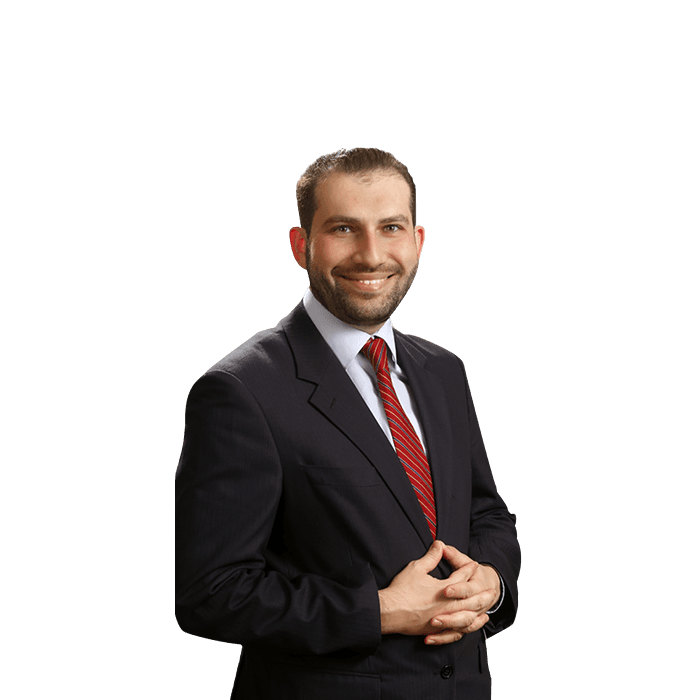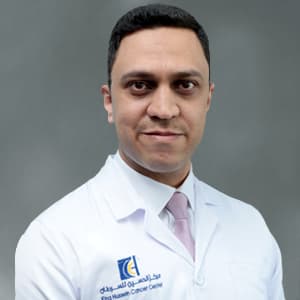
Consultant Mutaz Al Makhamreh
VerifiedFeatured
Hours not listedInsurance not specified66 views
Trusted medical platform in Jordan

If you searched for the best surgical oncology specialists in Amman, this page lists seven surgeons whose ClinicsJo profiles include surgical oncology. They are ordered by how complete and checkable their published information is, not by clinical skill or outcomes. Use the summaries to compare training, services, clinic location and hours. The guide below covers when to see a surgical oncologist, how to prepare and what to ask before booking.
| # | Doctor | Area | Suits | Profile score |
|---|---|---|---|---|
| 1 | Mutaz Al MakhamrehFeatured | Jubaiha | — | |
| 2 | Hisham Issa Shabani | Shmeisani | Breast, thyroid or digestive surgery questions near Shmeisani, afternoon visits | 40/100 |
| 3 | Mahmoud Bals | Jabal Amman | Breast tumour surgery and reconstruction consultations in Jabal Amman | 40/100 |
| 4 | Mohammad Abu Hilal | Jabal Amman | Liver, pancreas and bile duct tumour assessment, booked in advance | 40/100 |
| 5 | Basim Aljalabneh | Jubaiha | Surgical Oncology | 31/100 |
| 6 | Amro Mureb | Jubaiha | Surgical Oncology | 31/100 |
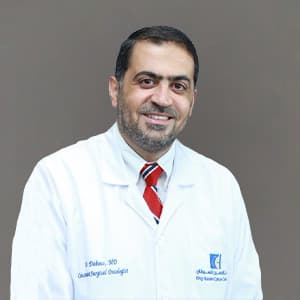
| 7 | Ali Dabous | Jubaiha | Surgical Oncology | 31/100 |
| 8 | Ali Al-Ebous | Jubaiha | Surgical Oncology | 31/100 |
Profiles marked “Featured” appear first, in the display order set by the platform administration; the rest follow the published profile score. Featured placement is not a measure of clinical quality.
Dr. Hisham Issa Shabani is a general surgeon in Shmeisani whose sub-specialties include surgical oncology, breast, endocrine and hepatobiliary and pancreatic surgery, alongside laparoscopic and bariatric work. He studied medicine at Jordan University of Science and Technology, trained in general and laparoscopic surgery at Islamic Hospital, and obtained the Jordanian board of general surgery in 2012. His record lists membership of the Royal College of Surgeons in Ireland, surgical oncology fellowship training at King Hussein Cancer Center and an advanced laparoscopic bariatric course in Strasbourg, France. Published services include breast, thyroid and parathyroid, gallbladder and bile duct, and gastrointestinal surgery. Confirmed hours are Saturday to Wednesday 11:00–17:00 and Thursday 11:00–14:00.
Suits: Breast, thyroid or digestive surgery questions near Shmeisani, afternoon visits
Dr. Mahmoud Bals describes himself as a consultant in breast tumour surgery and reconstruction. He holds a fellowship in breast oncology surgery and reconstruction from the University of Bologna and the Jordanian Board in general surgery. He completed his medical degree and higher specialty qualification in general surgery at Jordan University of Science and Technology, and his biography mentions consultant work at Prince Hamzah Hospital. Published services include partial and total breast tumour removal, oncoplastic and breast-conserving surgery, lymph node surgery and reconstruction after tumour removal, plus thyroid, gallbladder, hernia and colon surgery. His clinic is on the fifth floor of Al Khalidi Medical Plaza in Jabal Amman, open Saturday to Wednesday 09:00–18:00 and Thursday 09:00–13:30.
Suits: Breast tumour surgery and reconstruction consultations in Jabal Amman
Dr. Mohammad Abu Hilal is a professor of surgery at the University of Jordan and a consultant in hepato-biliary-pancreatic surgery. He completed surgical training in Wessex, United Kingdom, then an advanced fellowship in liver surgery and transplantation at St James’s University Hospital, Leeds. His biography mentions work in Southampton and Brescia, development of minimally invasive surgery, and a return to private practice in Jordan in 2024. Published services include liver and pancreatic tumour surgery, assessment of benign liver and pancreatic conditions, biliary disease surgery and minimally invasive liver and pancreatic surgery. Consultations are arranged in advance at Al Khalidi Medical Plaza, floor 2, Jabal Amman, with confirmed hours Saturday to Wednesday 09:00–18:00 and Thursday 09:00–13:30.
Suits: Liver, pancreas and bile duct tumour assessment, booked in advance
Basim Aljalabneh serves at King Hussein Cancer Center as consultant, Surgical Oncology. Professional qualifications include: MRCS, Royal College of Surgeons, Ireland; Jordanian Board of General Surgery; FRCS England. Education and training include: 2021-2022: Minimally Invasive (Laparoscopic and Robotic) Colorectal Surgery Fellowship, Royal Derby NHS FT, Derby, UK; 2019 – 2020: Colorectal, Pelvic and Peritoneal Surgery Fellowship, The Christie NHS FT, Manchester, UK.
Suits: Surgical Oncology
Amro Mureb serves at King Hussein Cancer Center as consultant, Surgical Oncology. Professional qualifications include: Jordanian Board in General Surgery; Jordanian Board of Colorectal Surgery; Arab Board in General Surgery; European Board for Surgical Oncology; European Board of Coloproctology. Education and training include: M.B.B.S Jordan University of Science and Technology (JUST); MRCS Royal College of Surgeon, England.
Suits: Surgical Oncology
Ali Dabous serves at King Hussein Cancer Center as consultant Transplant & Oncosurgery. Professional qualifications include: Jordanian Board in General Surgery (JMC); Jordanian Board in Hepato Pancreato Biliary Surgery (JMC). Education and training include: M.B./B.Ch. Al-Mustansiriya University School of Medicine, Iraq; Resident, Surgical Department, Islamic Hospital, Jordan.
Suits: Surgical Oncology
Ali Al-Ebous serves at King Hussein Cancer Center as consultant Oncosurgery and Breast Surgery. Professional qualifications include: Jordanian Board. Education and training include: Oncosurgeon,FRCS Ed, FRCS Ir, FACS; Fellowship: Oncosurgery and Breast Surgery, Nottingham, U.K.
Suits: Surgical Oncology
Every matching doctor profile in this area was scored out of 100 for how complete and checkable its published information is, and the highest scores appear here in order. Featured placement does not change a profile's score, and the score does not measure treatment quality or outcomes — it tells you how much you can check before you call. Profiles marked “Featured” are shown first, in the display order set by the platform administration.
Ties are broken by the number of approved reviews, then published years of experience. Confirm the service, branch, appointment, fees and insurance coverage with the practice before visiting.
A surgical oncologist is a surgeon who focuses on cancer: taking biopsies when a diagnosis is unclear, removing tumours and nearby lymph nodes, and following patients after the operation. Cancer care is usually planned by a multidisciplinary team, so the surgeon typically works alongside medical oncologists (who manage chemotherapy, immunotherapy and targeted therapy), radiation oncologists, radiologists and pathologists. Many patients see a surgical oncologist after a referral, but some book directly.
Reasons people commonly seek an appointment include:
None of these signs means you have cancer; many lumps and symptoms turn out to be benign. Mainstream guidance, including from the WHO and NHS, is simply not to wait: persistent or unexplained changes deserve assessment by a doctor.
Call 911 or go to the nearest emergency department if you or someone you care for has vomiting of blood, black or bloody stools, severe or worsening abdominal pain, difficulty breathing, chest pain, sudden confusion or weakness, heavy bleeding or a hot, swollen, discharging surgical wound, or a fever during or after cancer treatment. Do not wait for a clinic appointment in these situations.
People searching for the best surgical oncology specialists in Amman usually want the surgeon whose experience matches their specific problem. The listed profiles differ mainly in focus:
Remember that the order on this page reflects how complete each profile is, not which surgeon will suit you best.
The first appointment is mostly about understanding your situation. The surgeon will ask about your symptoms, past illnesses, medicines and family history, examine you, and review any imaging or pathology. You may be asked to have further scans, blood tests or a biopsy before any decision about surgery.
Bringing a family member or friend to take notes is often helpful, as first visits can involve a lot of information.
None of the listed profiles publishes a consultation fee or a list of insurers, so confirm these directly with the clinic or hospital before you go. Useful questions include:
Asking these questions early can prevent delays once a treatment plan is in place.
Amman, home to around 5 million residents, hosts the kingdom's largest concentration of hospitals and specialty clinics, so travel time is worth planning, particularly for repeated follow-up visits.
If you live in Sweifieh, Khalda, Tla' Al-Ali, Dabouq or near the 7th Circle, allow extra time at peak hours. Other major hospitals in the city include Jordan University Hospital, King Hussein Medical Center, Al-Bashir Hospital, Specialty Hospital and Istishari Hospital, which may be relevant if your referral or earlier tests came from one of them. On the day of surgery or a procedure, arrange for someone to drive you home.
This page helps you compare published profiles; it is not medical advice and does not rank clinical skill. In an emergency call 911 or go to the nearest emergency department.