

Sign in to the platform to view the phone number

Top 5 Female Urology & Incontinence Clinics in Amman 2026
If you are searching for the best female urology & incontinence clinics in Amman, this page lists five urology practices whose ClinicsJo profiles cover bladder, incontinence and urinary tract care. They are ordered by how complete and checkable their published information is, not by treatment quality. Compare their services, neighbourhoods, confirmed hours and insurance, then use our guide to symptoms, first visits and booking.
At a glance
| # | Clinic | Area | Suits | Profile score |
|---|---|---|---|---|
| 1 | Istiklal Hospital Outpatient Clinics | Arjan | A hospital outpatient setting with urologists and gynecology on one team | 54/100 |
| 2 | Dr. Tariq Yousef Urology Clinic | Jabal Amman | Women with urinary infections or leakage near the Fifth Circle | 46/100 |
| 3 | Dr. Mosab Almomani Clinic | Shmeisani | Female urology assessment in Shmeisani, including later-afternoon visits | 46/100 |
| 4 | Dr. Bilal Abu Zayed Clinic | Jabal Al Hussein | Incontinence, urinary disorders or infections, seen in Jabal Al-Hussein | 46/100 |
| 5 | Dr. Rashed Najeh Al-Omari Clinic | Jabal Amman | Incontinence, infection or stone assessment with follow-up in Jabal Amman | 45/100 |
1Istiklal Hospital Outpatient Clinics
Istiklal Hospital Outpatient Clinics are at the intersection of Jordan Street and Istiklal Street, in the Arjan area of Amman. The profile covers several specialties, including obstetrics and gynecology. Its published team of 12 doctors includes three urologists: Murad Bani Hani, Mohammad Talal Al-Zoubi and Ziyad Alessa. Outpatient reception coordinates consultations and confirms the floor and consulting room. Investigations and operations are discussed with the treating team after assessment. Confirmed hours are Saturday to Thursday, 08:00–16:00, and Arab Orient Insurance is listed among accepted insurers. The published services list focuses mainly on orthopaedics, so ask reception which urologist sees bladder and incontinence concerns.
Suits: A hospital outpatient setting with urologists and gynecology on one team
2Dr. Tariq Yousef Urology Clinic
Dr. Tariq Hussein Yousef's clinic is at Khalaf Medical Complex near the Fifth Circle, in the Jabal Amman area. The profile lists female urology and incontinence among its specialties, alongside general urology, stones, urologic oncology and male infertility. Published services include urology consultation, urinary infection and incontinence care, urinary tract infection treatment and renal colic treatment. They also include endoscopic laser stone treatment and kidney and bladder tumour surgery. The description says the doctor discusses whether a treatment is suitable, and staff coordinate procedure locations and follow-up. Confirmed hours are Saturday to Wednesday 09:30–17:30 and Thursday 09:30–15:30. Arab Orient Insurance is listed.
Suits: Women with urinary infections or leakage near the Fifth Circle
Sign in to the platform to view the phone number3Dr. Mosab Almomani Clinic
Dr. Mosab Almomani's urology clinic is in Park Lane Building in Shmeisani. Its profile names female urology in both its specialties and its services. It also covers urological assessment, kidney stone treatment and laser lithotripsy, prostate assessment and treatment, pediatric urology, men's health, and surgery for bladder and kidney tumours. According to the description, care follows a clinical assessment, and procedures and treatment plans are discussed during the consultation. Confirmed hours are Saturday to Thursday, 10:00–18:00, which can suit appointments later in the day. Arab Orient Insurance is listed among accepted insurers.
Suits: Female urology assessment in Shmeisani, including later-afternoon visits
Sign in to the platform to view the phone number4Dr. Bilal Abu Zayed Clinic
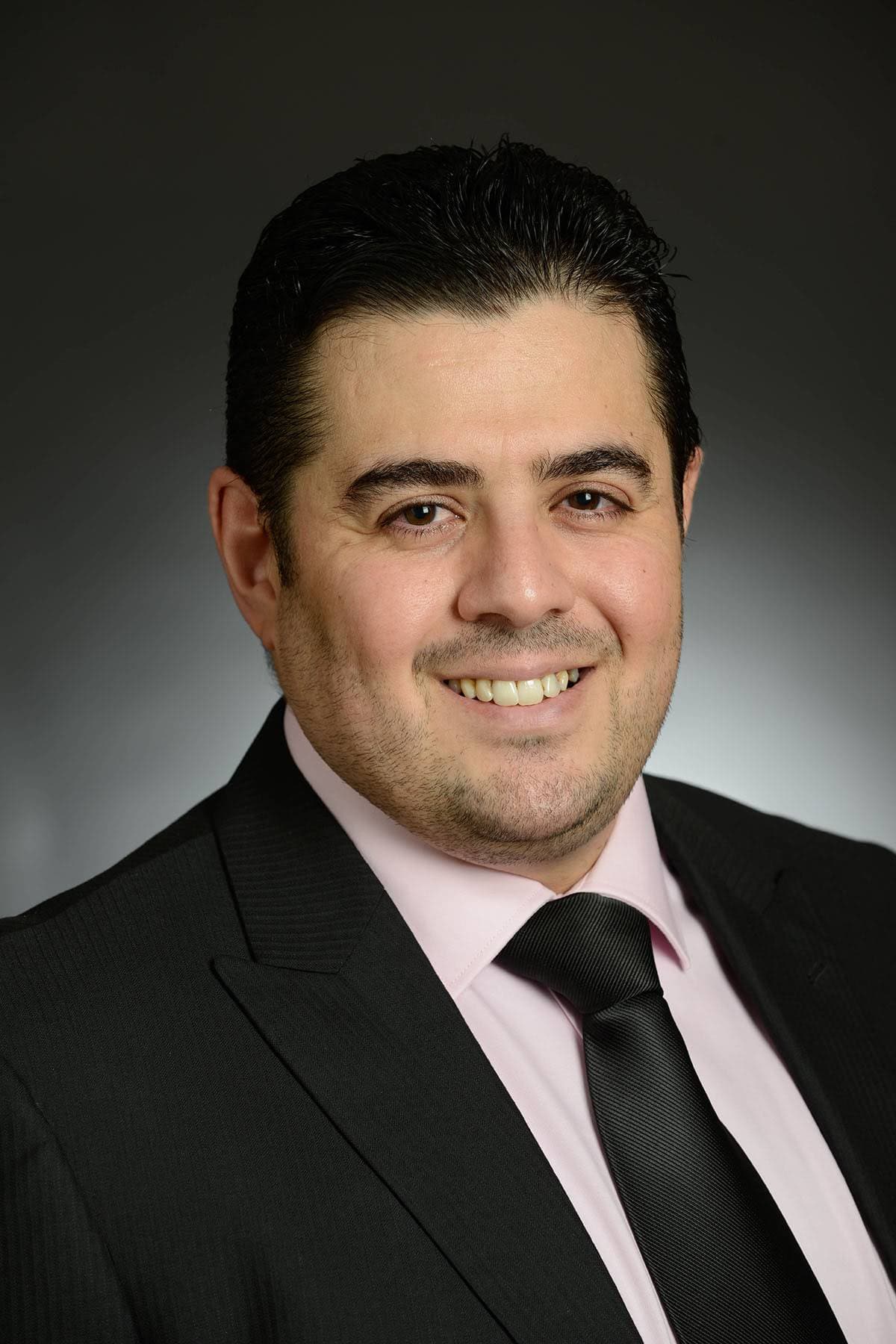
Dr. Bilal Abu Zayed's clinic in Jabal Al-Hussein provides specialist urology care, with female urology and incontinence among its listed specialties. Published services relevant to women include kidney and urinary tract assessment, urinary tract infection treatment, and care for urinary incontinence and other urinary disorders. The clinic also offers endoscopic and laser kidney stone treatment and a range of men's health services. The description states that treatment options are discussed during the consultation. Confirmed hours are Saturday to Thursday, 09:30–18:00, and Arab Orient Insurance is listed among accepted insurers.
Suits: Incontinence, urinary disorders or infections, seen in Jabal Al-Hussein
Sign in to the platform to view the phone number5Dr. Rashed Najeh Al-Omari Clinic
Dr. Rashed Najeh Al-Omari's clinic is in Jawharat Al-Mamlakah Medical Complex on Al-Khalidi Street, in the Jabal Amman area. The profile lists female urology and incontinence among its specialties. Published services include kidney and urinary tract assessment, urinary incontinence care, urinary disorder treatment and urinary tract infection treatment. The clinic also treats kidney, ureteric and bladder stones using flexible endoscopy and laser lithotripsy. Medical follow-up is part of the service, and investigations and procedures are chosen after consultation. Confirmed hours are Saturday to Thursday, 10:00–17:00, and Arab Orient Insurance is listed.
Suits: Incontinence, infection or stone assessment with follow-up in Jabal Amman
Sign in to the platform to view the phone number

This shortlist covers 5 of the 6 matching clinics on ClinicsJo. Browse the full list and filter it.
How we chose this list
Every matching clinic profile in this area was scored out of 100 for how complete and checkable its published information is, and the highest scores appear here in order. Featured placement does not change a profile's score, and the score does not measure treatment quality or outcomes — it tells you how much you can check before you call.
- Profile verified by the platform15
- Approved reviews (number and average)20
- Written clinic description8
- Logo and photos10
- Published services10
- Doctors linked to the clinic10
- Listed insurers7
- Confirmed opening hours8
- Map location5
- Years since establishment (up to 20)5
- Official website or account2
Ties are broken by the number of approved reviews, then published years of experience. Confirm the service, branch, appointment, fees and insurance coverage with the practice before visiting.
When do you need female urology and incontinence care?
Female urology deals with problems of the bladder, urethra and urinary tract in women. Common reasons to see a urologist include:
- Stress incontinence: leaking when you cough, sneeze, laugh, lift or exercise.
- Urge incontinence or overactive bladder: a sudden, hard-to-delay need to pass urine.
- Mixed incontinence: a combination of the two.
- Repeated urinary tract infections.
- Waking often at night to urinate.
- Difficulty emptying the bladder.
- Bladder pain.
- Blood in the urine.
These problems are common after pregnancy and childbirth, around menopause, with excess weight, a chronic cough or long-term constipation. They are common, but you do not have to simply live with them.
Mainstream guidance, such as that from the NHS, usually starts with simple, supervised steps. These include pelvic floor muscle training, bladder training, and reviewing fluid and caffeine intake. More tests or procedures are considered only after a proper assessment. A clinician should decide what is appropriate for you.
Signs it is worth booking a visit
- Leakage that limits exercise, work, prayer or social life.
- Needing the toilet so often that you plan your day around it.
- Three or more urine infections in a year, or infections that keep coming back after treatment.
- A weak stream, straining, or a feeling that the bladder never fully empties.
- A dragging or bulging sensation in the vagina together with urinary symptoms.
- Any blood in the urine, even once and even without pain.
Warning signs that need urgent care
Call 911 or go to the nearest emergency department if you have:
- Fever, shivering, or pain in the side or back, with vomiting or feeling very unwell. This can mean a kidney infection.
- Being unable to pass urine at all, with a painful, swollen lower abdomen.
- Heavy bleeding in the urine or passing clots.
- New loss of bladder control together with numbness around the buttocks or genitals, or new weakness in the legs.
- Urinary infection symptoms during pregnancy, or new confusion in an older relative with urinary symptoms.
How to choose among the clinics here
People looking for the best female urology & incontinence clinics in Amman often focus on reputation alone. Practical fit matters just as much.
- Check that the profile covers your concern. Four of the five profiles list Female Urology & Incontinence among their specialties. Istiklal Hospital Outpatient Clinics list three urologists within a wider hospital team that also covers obstetrics and gynecology.
- Match services to your symptoms. Look for published services such as incontinence care, urinary disorder treatment or urinary tract infection treatment. If stones are part of the picture, every clinic here lists some form of stone care.
- Ask who will examine you. If you would feel more comfortable with a female doctor, nurse or chaperone, ask when booking. You can also ask whether a relative may stay in the room.
- Look at the hours. Most clinics here open Saturday to Thursday.
- Istiklal Hospital Outpatient Clinics close at 16:00.
- Dr. Tariq Yousef's clinic closes at 15:30 on Thursdays.
- The Shmeisani and Jabal Al-Hussein clinics are open until 18:00.
- Hospital clinic or single-doctor clinic. A hospital outpatient department may make it easier to see another specialty on site. A single-doctor clinic usually means you see the same urologist at every follow-up.
- Remember what the order means. The ranking reflects how complete each profile is. It does not reflect clinical skill or results.
What to expect at the first visit
Preparation
- Keep a bladder diary for two to three days. Note what you drink, when you pass urine, roughly how much, and when leaks happen.
- List your current medicines. Some medicines affect the bladder.
- Note your pregnancies and deliveries, any pelvic surgery, and your menopause status.
- Bring earlier reports. This includes urine culture results, ultrasound reports and discharge summaries.
- Ask about your bladder before the visit. Some clinics ask you to arrive with a comfortably full bladder for a urine sample or scan, so check when booking.
What usually happens
The doctor will ask about your symptoms and how much they affect daily life. An abdominal examination is usual, and a pelvic examination is common; you can ask for a chaperone. A urine test is very common. Depending on your symptoms, the doctor may suggest:
- An ultrasound or a check of how well the bladder empties.
- Bladder pressure studies (urodynamics).
- A camera test of the bladder.
Treatment choices should be explained, with time for your questions.
Questions worth asking
- What type of incontinence or bladder problem do you think this is?
- Which tests are needed now, and which can wait?
- What can I try first, such as pelvic floor exercises, and who will guide me?
- What are the options if first steps do not help, and what are their risks?
- How will follow-up work?
Insurance, fees and booking: what to ask before the appointment
All five profiles list Arab Orient Insurance among accepted insurers. Before you go, confirm these points with both the clinic and your insurer:
- Whether your specific plan covers specialist urology visits.
- Whether you need a referral or pre-approval.
- Whether tests such as urine cultures, ultrasound or urodynamics are covered.
Ask the clinic for the consultation fee and whether tests or follow-up visits are charged separately. If a procedure is suggested, ask where it would take place and what pre-approval is required. When you book, mention that your concern is incontinence or bladder symptoms, so the right doctor and enough time are allocated.
Getting there
Amman is home to around 5 million residents, and traffic between districts can be heavy at rush hour. Allow extra time if you are coming from:
- Outer western areas such as Dabouq, Khalda or Tla' Al-Ali.
- Jubeiha in the north.
- Busy commercial streets around Sweifieh, the Gardens or the 7th Circle.
Dr. Mosab Almomani's clinic is in Shmeisani. The other clinics are in central neighbourhoods shown on each profile's map pin, so check the pin before setting off. At Istiklal Hospital Outpatient Clinics, reception confirms the floor and consulting room on arrival. Visitors without a car can use taxis or ride-hailing apps. If you need a toilet urgently during travel, plan your route and timing ahead.
For emergencies, do not wait for a clinic appointment. Call 911 or go to the nearest hospital emergency department.
Checklist before you book
- The profile lists female urology, incontinence or urinary disorder care.
- You have asked who will examine you and whether a chaperone is available.
- The clinic's confirmed hours fit your schedule, especially on Thursdays.
- Your insurer and plan are accepted, and you know whether pre-approval is needed.
- You know the consultation fee and whether tests cost extra.
- You have a two-to-three-day bladder diary and a list of your medicines.
- You have brought previous urine tests, scans and reports.
- You have checked the map location and allowed time for traffic.
- You know the warning signs that need 911 rather than a booked visit.
Frequently asked questions
How was this list of female urology and incontinence clinics in Amman chosen?
ClinicsJo has six profiles in this scope, and the five shown are ordered by a 100-point score of how complete and checkable their published information is. The score counts things like services, linked doctors, insurers, confirmed hours, photos and map location. Featured profiles appear first with a badge but keep the same score. The order does not measure treatment quality or outcomes.
Should I see a urologist or a gynecologist for urinary leakage?
Both can assess leakage. A urologist focuses on the bladder and urinary tract, while a gynecologist also looks at the uterus, vagina and pelvic floor, for example after childbirth or with prolapse. Many women start with whichever doctor they can see first and are referred on if needed. Istiklal Hospital Outpatient Clinics list both urology and obstetrics and gynecology on one team.
Is urinary incontinence after childbirth or menopause normal?
It is common, but it is not something you simply have to accept. Pregnancy, delivery and the hormonal changes of menopause can weaken pelvic floor support or affect the bladder. Mainstream guidance usually begins with supervised pelvic floor muscle training and bladder habits, and assessment helps identify the type of leakage. See a doctor if symptoms bother you or affect daily life.
Can I ask for a female doctor or a chaperone?
Yes, it is reasonable to ask when booking who will examine you and whether a female nurse or chaperone can be present during any intimate examination. Many women also bring a relative. Asking in advance gives the clinic time to arrange this and helps you feel more comfortable discussing sensitive symptoms openly.
Do these clinics accept insurance?
All five profiles list Arab Orient Insurance among accepted insurers. Coverage depends on your individual plan, so confirm with the clinic and your insurer whether specialist urology visits, urine tests, scans or bladder pressure studies are included, and whether you need a referral or pre-approval before the appointment.
What tests might a urologist do for incontinence?
A urine test is usual, along with questions about symptoms and often an examination. Depending on what the doctor finds, they may suggest an ultrasound, a check of how well the bladder empties, bladder pressure studies (urodynamics) or a camera test of the bladder. Ask why each test is needed and what it will change in your care.
When are urinary symptoms an emergency?
Call 911 or go to an emergency department if you have fever with side or back pain and vomiting, cannot pass urine at all, see heavy bleeding or clots, or develop new loss of bladder control with numbness around the buttocks or genitals or leg weakness. Urinary infection symptoms in pregnancy also need prompt medical attention.
More shortlists
This page helps you compare published profiles; it is not medical advice and does not rank clinical skill. In an emergency call 911 or go to the nearest emergency department.