Dr. Tariq Yousef Urology Clinic
Sign in to the platform to view the phone number
Trusted medical platform in Jordan

If you searched for the best female urology and incontinence specialists in Amman, this page lists five urologists whose ClinicsJo profiles name female urology and incontinence as a sub-specialty. They are ordered by how complete and checkable their published information is, not by clinical skill. You can compare qualifications, incontinence-related services, clinic areas, confirmed hours and listed insurers here, then confirm the details directly when you book.
| # | Doctor | Area | Suits | Profile score |
|---|---|---|---|---|
| 1 | Tariq Hussein Yousef | Jabal Amman | Incontinence or urinary infection concerns, with Arab Orient Insurance cover | 45/100 |
| 2 | Rashed Najeh Al-Omari | Jabal Amman | Women's urinary disorders, infections or stones; six-day weekly hours | 45/100 |
| 3 | Bilal Abu Zayed | Jabal Al Hussein | Incontinence or urinary infections, with late-afternoon appointments until 18:00 | 45/100 |
| 4 | Ahmad Nimer Al-Khatib | Arjan | Hospital-based outpatient visits with early morning hours from 08:00 | 45/100 |
| 5 | Mohannad Al-Dalabeh | Khalda | West Amman residents wanting a hospital clinic in Khalda | 40/100 |
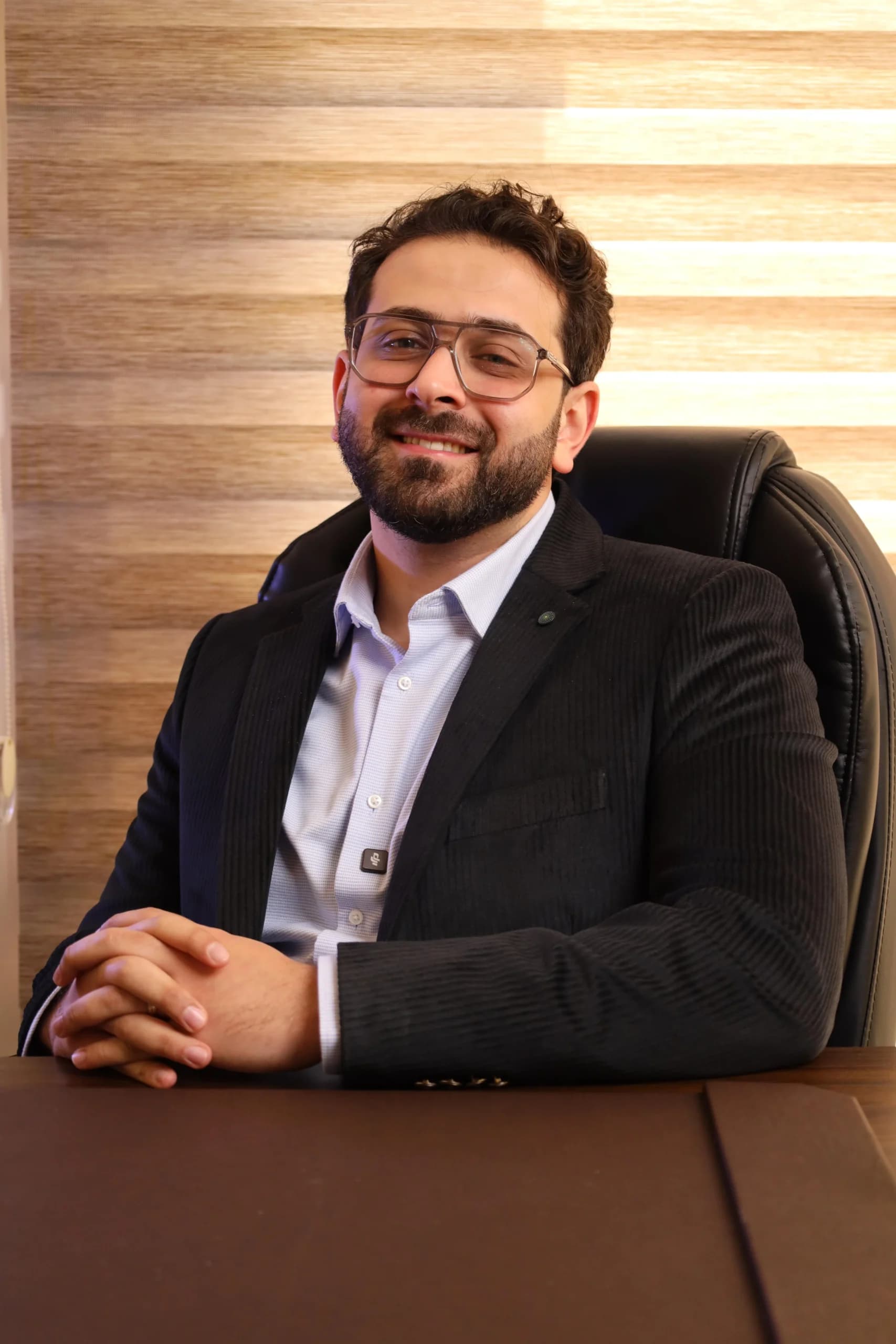
Dr. Tariq Hussein Yousef is a urology consultant whose profile lists female urology and incontinence among four sub-specialties, alongside andrology, stones and urologic oncology. His published qualifications include German, European and Jordanian boards in urological surgery and a German fellowship in endoscopic and robotic urological surgery at Heidelberg University Hospital. Listed services include urinary infection and incontinence care, urinary tract infection treatment, renal colic treatment and endoscopic laser stone treatment. The clinic area is listed as Jabal Amman, while his biography mentions Khalaf Medical Complex near the Fifth Circle, so confirm the address. Confirmed hours are Saturday to Wednesday 09:30–17:30 and Thursday 09:30–15:30. Arab Orient Insurance is listed.
Suits: Incontinence or urinary infection concerns, with Arab Orient Insurance cover
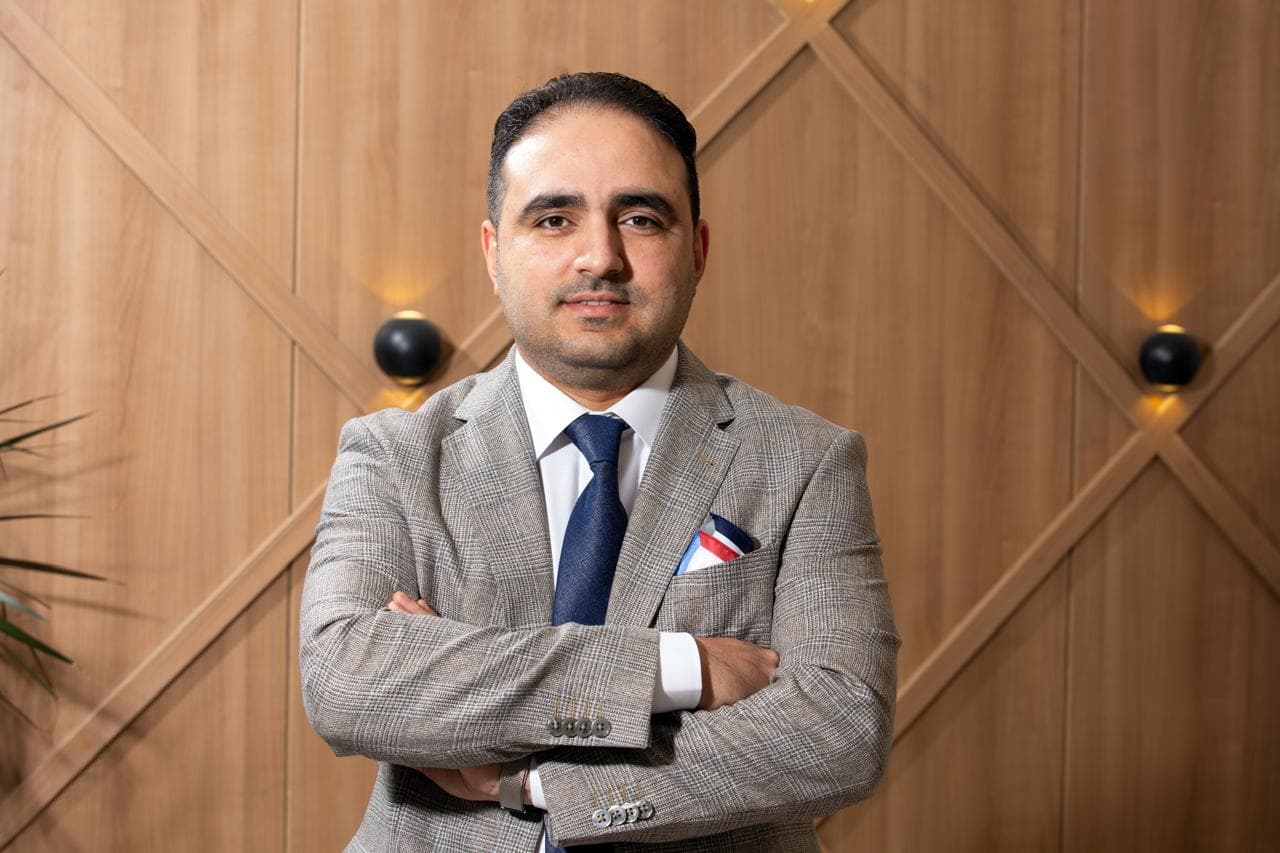
Dr. Rashed Najeh Al-Omari is a urological surgeon whose biography describes care for urinary disorders in both men and women. His listed sub-specialties are stones and endourology, and female urology and incontinence. He studied medicine at the Hashemite University and trained in urology with Jordan's Royal Medical Services. He also lists the Jordanian urology board and membership of the Royal College of Surgeons of England (MRCS). Services include urinary incontinence care, urinary disorder treatment, urinary tract infection treatment, and flexible endoscopy with laser lithotripsy for stones. The clinic is on Al-Khalidi Street in Jabal Amman and is open Saturday to Thursday, 10:00–17:00. Arab Orient Insurance is listed.
Suits: Women's urinary disorders, infections or stones; six-day weekly hours
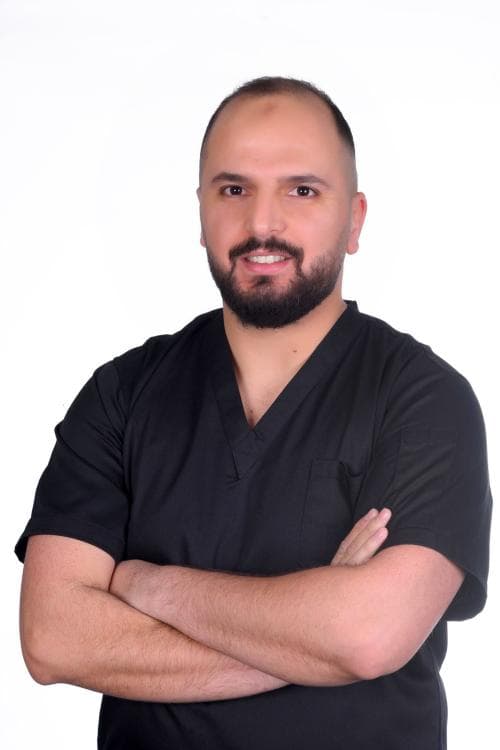
Dr. Bilal Abu Zayed is a urological surgeon whose listed sub-specialties are andrology, stones and endourology, and female urology and incontinence. He trained in urology at Prince Hussein Bin Abdullah II Center in Al-Hussein Medical City, part of the Royal Medical Services, and holds the Jordanian board of urology. His published services include urinary incontinence and urinary disorder care, urinary tract infection treatment, and endoscopic and laser kidney stone treatment. Much of the rest of the list focuses on prostate and male health. The clinic is in Al-Kindi Clinics Complex 2, Jabal Al-Hussein, with confirmed hours Saturday to Thursday, 09:30–18:00. Arab Orient Insurance is listed.
Suits: Incontinence or urinary infections, with late-afternoon appointments until 18:00
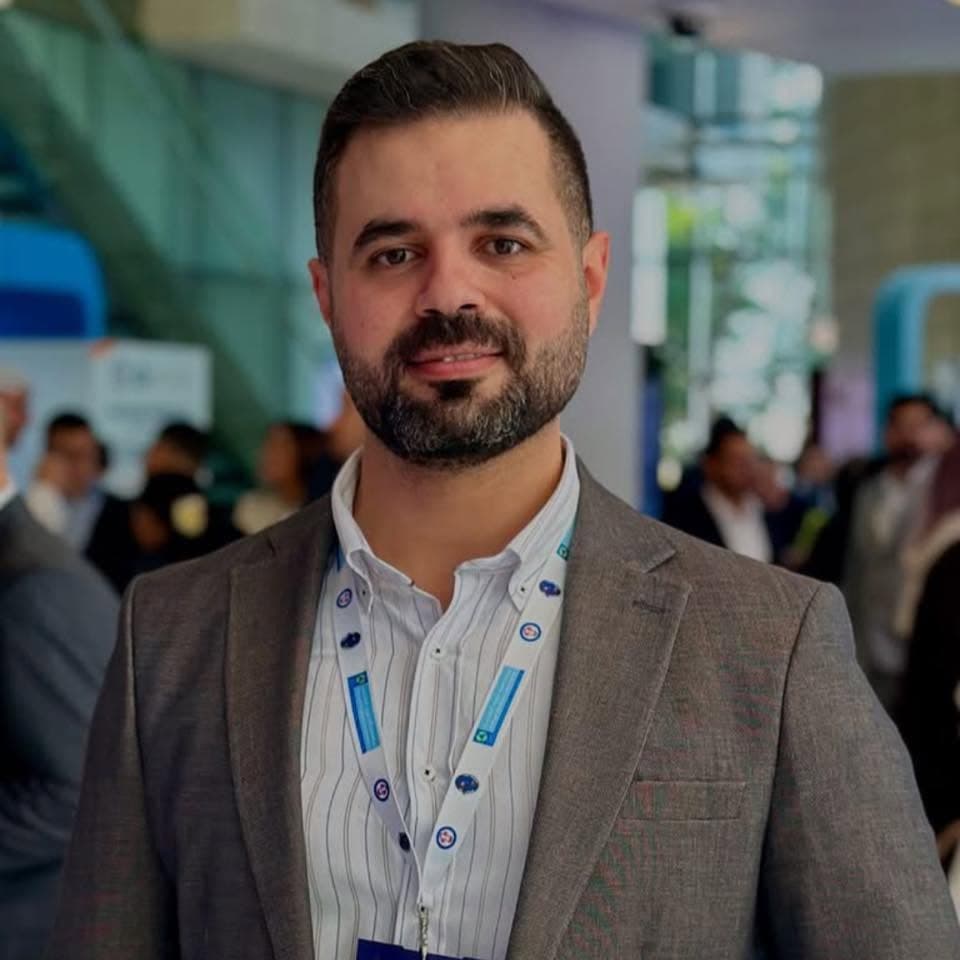
Dr. Ahmad Nimer Al-Khatib practises urology at Istiklal Hospital Outpatient Clinics in Arjan. Female urology and incontinence is listed alongside andrology, and stones and endourology. The profile records a medical degree from Jordan University of Science and Technology, specialty training with the Royal Medical Services, the Jordanian Board in Urology from the Jordan Medical Council, the Arab Board in Urology, and male infertility training at Cornell University. Relevant services include urinary incontinence treatment, urinary tract infection treatment, vesicourethroscopy and assessment of urinary tract tumours. Confirmed hours are Saturday to Thursday, 08:00–16:00, the earliest start on this list. Arab Orient Insurance is listed. Confirm the consultation location when booking.
Suits: Hospital-based outpatient visits with early morning hours from 08:00
Dr. Mohannad Al-Dalabeh is a urological surgeon who sees patients at Saudi Hospital Specialist Outpatient Clinics in Khalda, on floor B1. Appointments are arranged in his name through the hospital. He graduated in medicine from Jordan University of Science and Technology and holds the Jordanian Board in Urological Surgery. His sub-specialties include female urology and incontinence, andrology, stones and endourology, and urologic oncology. Listed services relevant to women include urinary incontinence treatment, urinary tract infection treatment and endoscopic treatment of bladder tumours, and his biography mentions bladder disorders. Confirmed hours are Saturday to Thursday, 10:00–17:00.
Suits: West Amman residents wanting a hospital clinic in Khalda
Every matching doctor profile in this area was scored out of 100 for how complete and checkable its published information is, and the highest scores appear here in order. Featured placement does not change a profile's score, and the score does not measure treatment quality or outcomes — it tells you how much you can check before you call.
Ties are broken by the number of approved reviews, then published years of experience. Confirm the service, branch, appointment, fees and insurance coverage with the practice before visiting.
Female urology covers bladder and urinary problems in women. Urinary incontinence, meaning leaking urine you cannot control, is very common. Many women live with it for years because they feel embarrassed or assume it is a normal part of childbirth or ageing. It is a recognised medical condition, and mainstream guidance treats it as worth assessing.
The main patterns are:
Consider booking a visit if leaking affects your daily life, work, exercise, prayer or sleep. Also book if you have had several urine infections in a year, or if symptoms are getting worse. International guidance, such as the NHS and NICE, usually starts with conservative measures for many women:
More invasive options are considered only after proper assessment. Only a doctor who examines you can say which approach suits you.
Seek urgent care, or call 911, if you have:
Visible blood in the urine without pain is not an emergency in the same way, but it should still be checked promptly.
People searching for the best female urology and incontinence specialists in Amman are usually looking for someone who handles women's bladder problems routinely. Everyone on this list is a urologist who lists female urology and incontinence as one sub-specialty among several. Several profiles also focus heavily on stones, the prostate and male health. Practical ways to narrow the choice:
A first consultation usually covers a detailed history of your symptoms, pregnancies and births, menopause status, bowel habits, previous surgery and current medicines. The doctor may then examine your abdomen and, with your consent, do a pelvic examination. A urine test is common. Depending on your symptoms, an ultrasound, a post-void residual scan or specialised bladder pressure tests may be suggested, sometimes at a later visit.
What to bring:
Questions worth asking:
You are entitled to ask for a chaperone during any intimate examination.
Four of the five profiles list Arab Orient Insurance. Insurer lists can change and may not cover every service, so call your insurer as well as the clinic. Before you go, ask:
Book through the contact details on each profile card, and confirm the exact address and doctor's attendance on the day.
Amman is spread across many hills and districts, and traffic can be heavy at rush hours, particularly around the central circles. The clinics on this list are in central and west Amman. One is in Khalda, which is convenient for residents of Khalda, Dabouq, Tla' Al-Ali and nearby Sweifieh. Patients coming from Jubeiha, Abdoun, Shmeisani or the Gardens should allow extra travel time.
Two practical points:
In an emergency, go to the nearest emergency department or call 911 rather than travelling to a clinic.
This page helps you compare published profiles; it is not medical advice and does not rank clinical skill. In an emergency call 911 or go to the nearest emergency department.