Istiklal Hospital Outpatient Clinics
Sign in to the platform to view the phone number
20 years of experience263 viewsHours 08:00–16:00 · 6 days a weekAccepts health insuranceAccepted insurers
Consultation fee20 JD
Trusted medical platform in Jordan

If you are searching for the best joint replacement surgery doctors in Jordan, this page lists the four orthopaedic surgeons on ClinicsJo who publish joint replacement as a service. All four see patients at Istiklal Hospital Outpatient Clinics in Arjan, Amman. The order reflects how complete each published profile is, not surgical quality. Compare their services, qualifications, insurers and hours, then contact the clinic directly to book.
| # | Doctor | Area | Rating | Experience | Consultation | Hours | Insurance | Suits | Profile score |
|---|---|---|---|---|---|---|---|---|---|
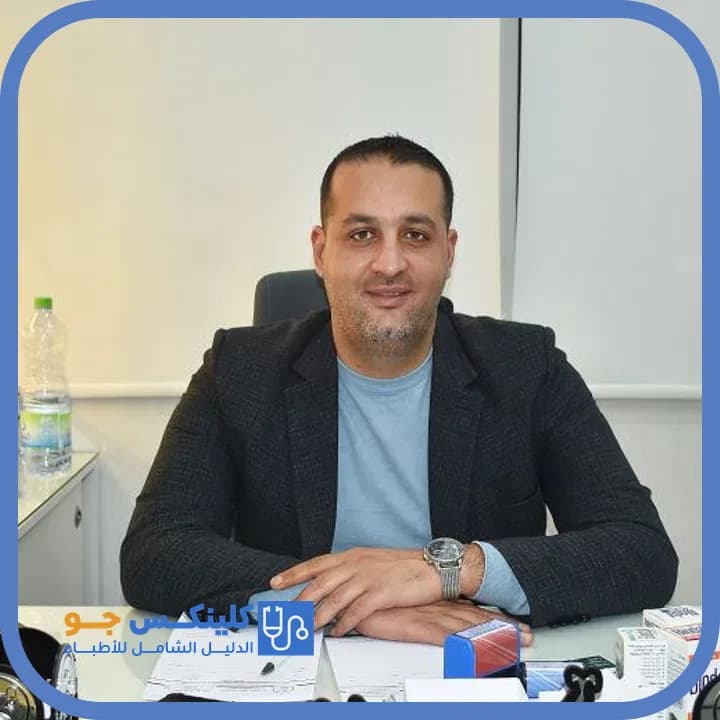
| 1 | Malik Abu Al-Nadi | Arjan | — | 20 yrs | 20 JOD | 6 days · 08:00–16:00 | Accepted | Hip or knee concerns alongside foot, ankle or diabetic foot problems | 45/100 |
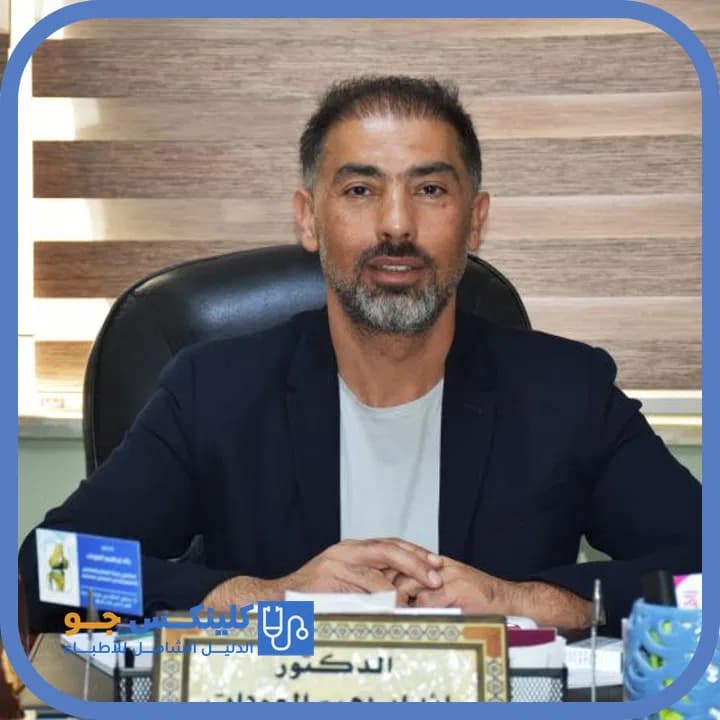
| 2 | Raed Ibrahim Al-Odat | Arjan | — | — | — | 6 days · 08:00–16:00 | Accepted | Patients wanting a joint replacement–focused orthopaedic opinion in Amman | 44/100 |
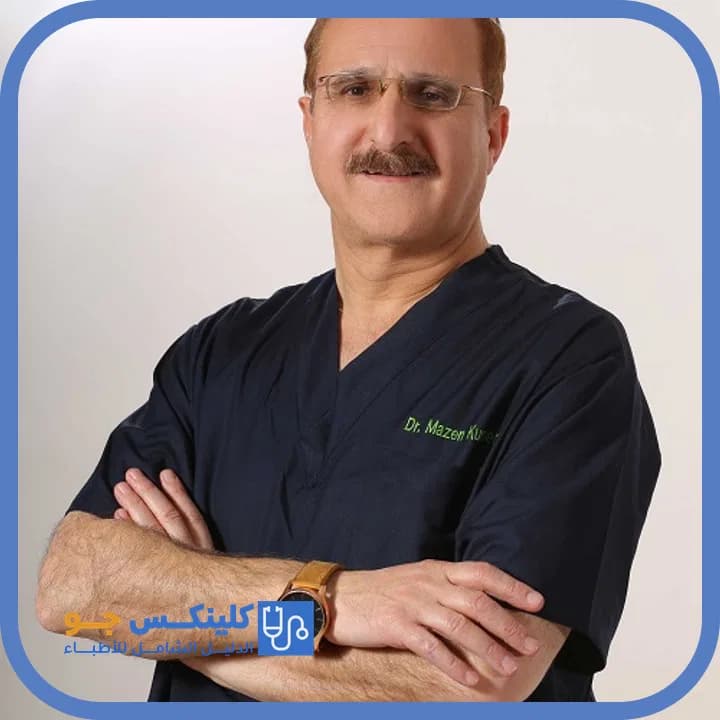
| 3 | Mazen Kurdieh | Arjan | — | — | 25 JOD | 6 days · 08:00–16:00 | Accepted | Knee or hip replacement questions, including sports-related knee problems | 40/100 |
| 4 | Mutaz Saleh Abu Taha | Arjan | — | — | — | 6 days · 08:00–16:00 | Accepted | Shoulder, hip or knee replacement enquiries | 35/100 |
From each profile as published today: approved reviews only, consultation fees only where the profile states them, confirmed weekly hours (the most common shift). «—» means the profile does not publish it.
Dr. Malik Abu Al-Nadi is an orthopaedic consultant whose main focus is foot and ankle disorders. He holds the Jordanian Board in Orthopaedic Surgery and a medical degree from the Higher Medical Institute in Bulgaria. His biography describes specialty training at Al Bashir and Zarqa hospitals. His published services include hip and knee joint replacement, fracture and trauma management, joint and ankle injections, diabetic foot care, foot deformity management and orthotic assessment. His biography says assessment weighs surgery against conservative options such as splinting, orthoses and wound care. He sees patients at Istiklal Hospital Outpatient Clinics in Arjan, Amman, Saturday to Thursday, 08:00–16:00. Listed insurer: Arab Orient Insurance.
Suits: Hip or knee concerns alongside foot, ankle or diabetic foot problems
Dr. Raed Ibrahim Al-Odat is a consultant in orthopaedic and fracture surgery and joint replacement. He graduated in medicine and surgery from the University of Jordan and completed a fellowship in joint replacement surgery at Rush University in Chicago, USA. His published services include joint replacement surgery, orthopaedic consultation, assessment of bone injuries and fractures, and fracture surgery. His biography says assessment considers the clinical findings and how the condition affects movement and daily activities. He sees patients at Istiklal Hospital Outpatient Clinics in Arjan, Amman, Saturday to Thursday, 08:00–16:00. Listed insurer: Arab Orient Insurance.
Suits: Patients wanting a joint replacement–focused orthopaedic opinion in Amman
Dr. Mazen Kurdieh practises orthopaedics in Amman. He holds the Jordanian Board in Orthopaedic Surgery and the Jordanian Board in General Surgery, plus a German fellowship in sports injuries and hand surgery. His published services include knee replacement, hip replacement, anterior cruciate ligament reconstruction, meniscal repair, fixation of simple and complex fractures, and hallux valgus (bunion) correction. His listed sub-specialties also include spine, foot and ankle, hand and upper limb, and arthroscopy and sports injuries. He sees patients at Istiklal Hospital Outpatient Clinics in Arjan, Amman, Saturday to Thursday, 08:00–16:00.
Suits: Knee or hip replacement questions, including sports-related knee problems
Dr. Mutaz Saleh Abu Taha practises orthopaedics in Amman. His profile lists hip, knee and shoulder replacement, knee and shoulder arthroscopy, cruciate ligament reconstruction, and management of simple, complex and compound fractures. His biography states membership of American, international and Jordanian orthopaedic associations. His listed sub-specialties include joint replacement, hand and upper limb surgery, arthroscopy and sports injuries, and trauma and fracture surgery. He sees patients at Istiklal Hospital Outpatient Clinics in Arjan, Amman, Saturday to Thursday, 08:00–16:00, and his profile notes that consultation times are confirmed through the clinic's reception. Listed insurer: Arab Orient Insurance.
Suits: Shoulder, hip or knee replacement enquiries
Every matching doctor profile in this country was scored out of 100 for how complete and checkable its published information is, and the highest scores appear here in order. Featured placement does not change a profile's score, and the score does not measure treatment quality or outcomes — it tells you how much you can check before you call.
Ties are broken by the number of approved reviews, then published years of experience. Confirm the service, branch, appointment, fees and insurance coverage with the practice before visiting.
Joint replacement removes a badly worn joint surface and replaces it with manufactured components, usually metal with polyethylene or ceramic. The knee and hip are replaced most often. Shoulder, elbow, ankle and smaller joints are replaced in selected cases. Of the four surgeons listed here, one also publishes shoulder replacement.
The usual reason for surgery is persistent joint pain, most often from osteoarthritis, that has not improved after months of genuine non-surgical care. That care includes weight reduction where relevant, physiotherapy and muscle strengthening, changes to activity, walking aids, medicines prescribed by a doctor and, where appropriate, joint injections. Surgeons decide on surgery by examining you and asking how much the pain affects your sleep, walking and work. They read this together with imaging, and an X-ray alone never decides it.
Consider booking an orthopaedic assessment if:
Call 911 or go to an emergency department straight away if you have any of the following:
People searching for the best joint replacement surgery doctors in Jordan often want a single answer. In practice, the right surgeon for you depends on which joint is affected and what else is going on with your health. All four doctors are orthopaedic surgeons who publish joint replacement as a service, and all see patients at the same outpatient clinics in Arjan, Amman. That makes it easy to compare them on these points:
Remember that the list order reflects how complete each profile is, not outcomes. Getting a second opinion before a major operation is reasonable and common.
The first appointment is usually an assessment, not a decision to operate. Expect the surgeon to:
The operation itself usually takes 60 to 150 minutes. Most people stay in hospital for one to three days. Rehabilitation takes from about six weeks to six months, depending on the joint.
Three of the four profiles list Arab Orient Insurance. Even when your insurer appears on a profile, contact the insurer to confirm what your policy covers before you go. Joint replacement often needs pre-approval, so ask:
When you call the clinic, ask about the consultation fee, whether X-rays can be done on the same day, and what a full cost estimate for surgery would include. Ask for any estimate in writing.
This is a Jordan-wide list, but all four profiles give the same place: Istiklal Hospital Outpatient Clinics in Arjan, Amman. Patients travelling from other governorates should plan to arrive early and bring their documents in one folder. If walking is painful, ask the clinic about wheelchair access and drop-off points when you book. If you are recovering from surgery, arrange for someone to drive you, because you should not drive until your surgeon says it is safe.
No clinic on ClinicsJo has published a price for Joint replacement surgery yet, so we do not quote an estimated figure. What is published is the consultation fee: 20–30 JOD (profiles: 7). The doctor sets the treatment price after assessing your case.
Other doctor profiles with a published fee: 2.
Expected duration (from the procedure guide): Most joint replacements take 60 to 150 minutes depending on the joint, hospital stay is one to three days, and rehabilitation ranges from 6 weeks to 6 months according to the joint replaced.
Before booking, ask the clinic for the all-inclusive price and what it covers, any extra tests or scans, how many follow-up visits are included, the payment options, and whether your insurance is accepted. You can reach them through the contact details on the doctor and clinic profiles on this page.
The figures above were published by the clinics and doctors themselves on ClinicsJo and may change. We do not estimate prices. Confirm the all-inclusive price with the clinic before booking. Offers on ClinicsJo
Prepared by: the ClinicsJo editorial team. Last updated 18 October 2026.
List data: the doctor and clinic profiles published on ClinicsJo — services, doctors, hours, insurers and addresses entered by the providers or compiled by our team from public sources. Reviews appear only after moderation, the verified badge only on profiles the platform administration verified, and no price appears unless the profile itself publishes it. Where the data comes from and how lists are ordered · Medical content policy
Health references: the health information in the guide is general and written to agree with the guidance of major health bodies. To read further or check it:
The full directory behind this list, and our other shortlists for the same topic and place.
This page helps you compare published profiles; it is not medical advice and does not rank clinical skill. In an emergency call 911 or go to the nearest emergency department.