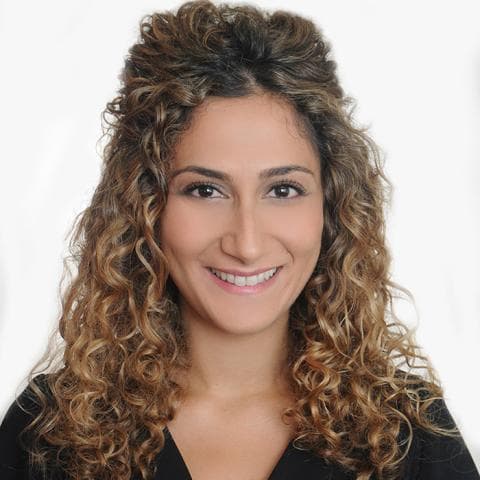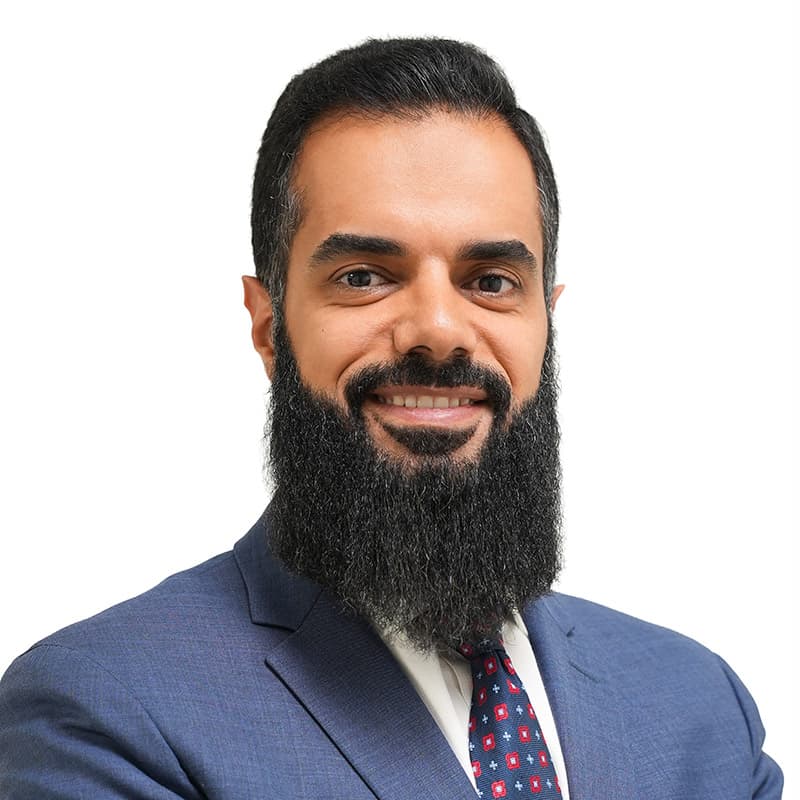
Dr. Laith Maali Neurology Clinic — Amman
Sign in to the platform to view the phone number
Trusted medical platform in Jordan
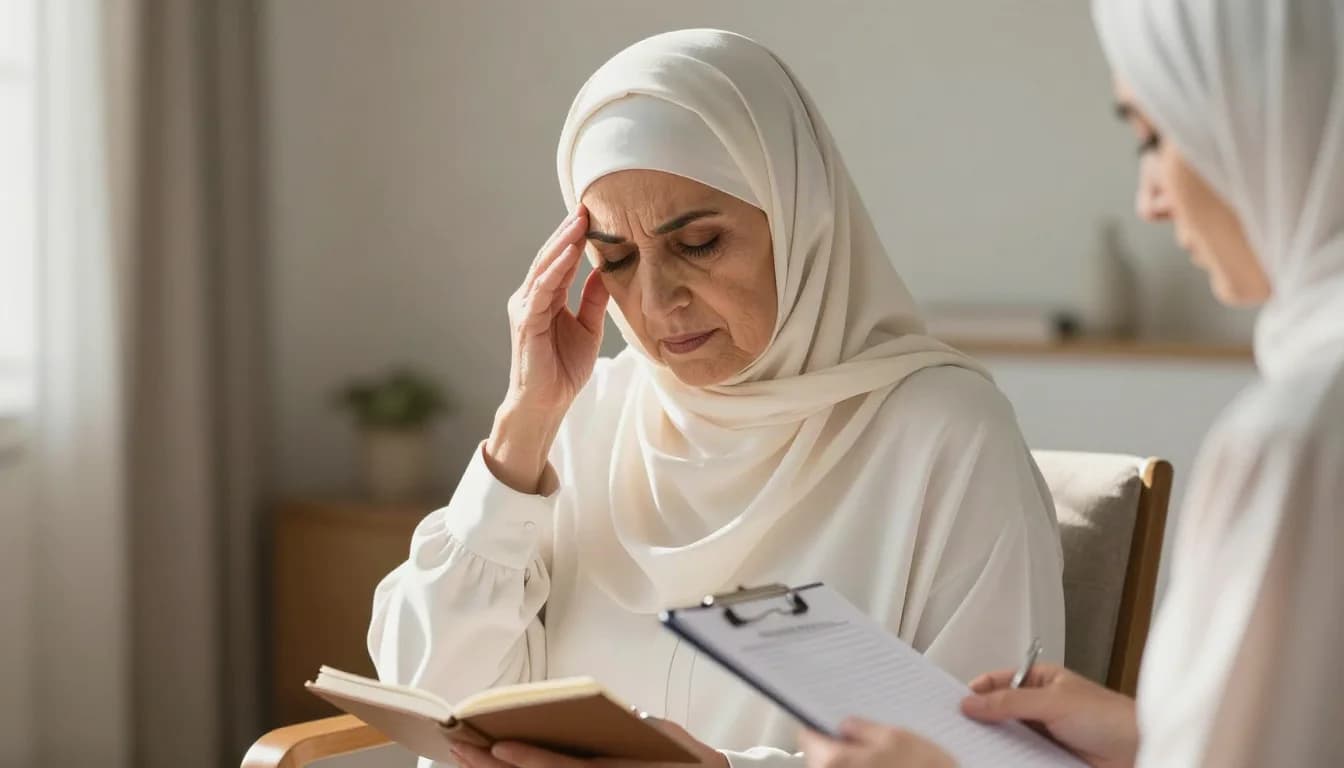
If you are looking for the best stroke medicine specialists in Amman, this page lists five neurologists whose ClinicsJo profiles include stroke medicine as a sub-specialty. They are ordered by how complete and checkable their published information is, not by clinical skill. Compare their training, stroke-related services, clinic areas and hours. Then use our guide to warning signs, first visits and booking questions.
| # | Doctor | Area | Suits | Profile score |
|---|---|---|---|---|
| 1 | Laith Maali | Abdali | Post-stroke follow-up, prevention check-ups, EEG and EMG testing in Abdali | 45/100 |
| 2 | Layan Akijian | Abdali | Stroke or TIA assessment alongside MS, epilepsy or neuropathy, Abdali | 21/100 |
| 3 | Firas Al Saleh | Jabal Amman | Stroke review with prior imaging; Arabic or English consultations, Jabal Amman | 21/100 |
| 4 | Mohammad Iyad Al Zoraiqi | Arjan | Stroke follow-up plus epilepsy or neuromuscular assessment, Arjan | 19/100 |
| 5 | Haitham Dababneh | Fifth Circle | Stroke follow-up and neurovascular intervention assessment near Fifth Circle | 16/100 |
Dr. Laith Maali is a neurologist whose sub-specialties include stroke medicine, epilepsy, peripheral nerves and neurophysiology (EEG/EMG). He studied medicine at Jordan University of Science and Technology. He then completed a neurology residency at the University of New Mexico and a vascular neurology fellowship at Augusta University, Medical College of Georgia. He holds American Board of Psychiatry and Neurology certification in neurology and vascular neurology, and his biography mentions clinical and academic work at the University of Kansas. At his clinic in Abdali, services include post-stroke neurology therapy, stroke check-ups for prevention, EEG, and nerve conduction studies with EMG. Arab Orient Insurance is listed. Confirmed hours are Saturday to Wednesday 09:00–17:00 and Thursday 09:00–15:00.
Suits: Post-stroke follow-up, prevention check-ups, EEG and EMG testing in Abdali
Dr. Layan Akijian is a neurologist seeing patients at Abdali Hospital Outpatient Clinics in Abdali, Amman. Her listed sub-specialties are stroke medicine, epilepsy, peripheral nerves and multiple sclerosis. Her biography says she studied medicine at the Royal College of Surgeons in Ireland and obtained royal-college physician membership and specialist neurology qualifications. She also holds a research degree in stroke medicine from University College Dublin. Published services cover stroke and transient ischaemic attacks, headache and migraine, epilepsy, multiple sclerosis and peripheral neuropathy. Her clinical interests also include movement disorders and memory problems. Patients can bring a symptom history and previous investigations to support the assessment.
Suits: Stroke or TIA assessment alongside MS, epilepsy or neuropathy, Abdali
Dr. Firas Al Saleh is a consultant neurologist at Jordan Hospital and Medical Centre Outpatient Clinics in Jabal Amman. His sub-specialties include stroke medicine, peripheral nerves, neurophysiology (EEG/EMG) and headache medicine. His biography says he studied medicine at the University of Jordan and completed residency at the State University of New York. He then did fellowship training in a joint Harvard, Tufts and Lahey programme. He holds American certifications in neurology and clinical neurophysiology. Published services include stroke, headache, neuromuscular disorders, Parkinson's disease and movement disorders, and sleep disorders. He consults in Arabic and English. Previous imaging and neurophysiology reports can be reviewed alongside your symptoms.
Suits: Stroke review with prior imaging; Arabic or English consultations, Jabal Amman
Dr. Mohammad Iyad Al Zoraiqi sees patients at Istiklal Hospital Outpatient Clinics in Arjan, Amman. His biography describes a focus on neurology and epilepsy, German board certification in neurology and a fellowship in epilepsy and seizure disorders. His listed sub-specialties are stroke medicine, epilepsy and peripheral nerves. His scope covers headaches, epilepsy, stroke, nerve inflammation and muscle disorders. Published services are headache and epilepsy assessment, neuromuscular assessment and stroke follow-up. He also has a professional affiliation with Specialty Hospital, so confirm which location you are booking when you arrange an appointment.
Suits: Stroke follow-up plus epilepsy or neuromuscular assessment, Arjan
Dr. Haitham Dababneh practises neurology and neurointerventional care at his private clinic near the Fifth Circle in Amman. His biography states that he holds American and Jordanian board qualifications in neurology. His work includes stroke care, neurological assessment and follow-up of conditions that may require catheter-based intervention. Published services are neurology consultation, stroke follow-up and assessment for neurovascular intervention. The clinic is now at Hanania Medical Complex 1 on Khalil Merei Street, opposite the front gate of the Arab Medical Center. Bring relevant previous reports and imaging to a consultation or follow-up.
Suits: Stroke follow-up and neurovascular intervention assessment near Fifth Circle
Every matching doctor profile in this area was scored out of 100 for how complete and checkable its published information is, and the highest scores appear here in order. Featured placement does not change a profile's score, and the score does not measure treatment quality or outcomes — it tells you how much you can check before you call.
Ties are broken by the number of approved reviews, then published years of experience. Confirm the service, branch, appointment, fees and insurance coverage with the practice before visiting.
Stroke medicine is the part of neurology that deals with conditions affecting blood flow to the brain. It covers ischaemic stroke (a blocked artery), haemorrhagic stroke (bleeding in the brain) and transient ischaemic attack (TIA, a short-lived "mini-stroke"). A stroke specialist helps work out why a stroke happened. They plan tests, advise on reducing the risk of another one (secondary prevention) and follow your recovery over time.
Common reasons to book a clinic visit include:
A stroke is a medical emergency, and treatment depends heavily on time. Use the FAST check:
Also call 911 for sudden vision loss, sudden loss of balance or coordination, or a sudden severe headache unlike any before. Call even if the symptoms go away within minutes, because a TIA can come before a full stroke and needs urgent same-day assessment. Note the time the symptoms started, do not drive yourself, and do not wait for a clinic appointment.
All five profiles are neurologists who list stroke medicine as a sub-specialty. People searching for the best stroke medicine specialists in Amman usually get further by matching a doctor to their own situation than by looking for a single "top" name. Some practical points to weigh:
Remember that the order on this page reflects how complete each profile is, not treatment quality.
A stroke clinic visit usually starts with a detailed history. The doctor will ask what happened, when symptoms began, how long they lasted and what has changed since. This is followed by a neurological examination. The doctor then reviews previous imaging and tests and may suggest further investigations, depending on your symptoms and examination findings.
Do not stop or change any prescribed medicine before the visit unless a doctor tells you to.
Insurance details vary between profiles. Among the doctors here, Dr. Laith Maali's profile lists Arab Orient Insurance. Whatever your cover, it is worth confirming a few things when you book:
If you have been told to have a TIA assessed urgently, explain this when booking. If new stroke symptoms appear while you wait, call 911.
Amman is a large city of around 5 million residents. Its healthcare ecosystem is spread across many districts, from Shmeisani and Abdoun to Sweifieh, Khalda, Tla' Al-Ali, the Gardens, Jubeiha, Dabouq and the 7th Circle area. Each profile above shows the clinic's own area, so check it against where you live before booking repeat visits.
Allow extra time for traffic and parking, particularly at peak hours. Arrange a lift if weakness, vision changes or tiredness after a stroke make driving unsafe.
The city's larger hospitals include Jordan University Hospital, King Hussein Medical Center, Al-Bashir Hospital, Specialty Hospital and Istishari Hospital. For a suspected stroke, though, do not travel to a clinic. Call 911 and let the ambulance crew take you to the right emergency department.
This page helps you compare published profiles; it is not medical advice and does not rank clinical skill. In an emergency call 911 or go to the nearest emergency department.