Al Hikma Modern Hospital
Dr Mohammad Samreen is an orthopaedic and fracture surgery consultant in Zarqa. He graduated in medicine from the University of Jordan, trained in orthopaedics …
Sign in to the platform to view the phone number
Treatments
Trusted medical platform in Jordan
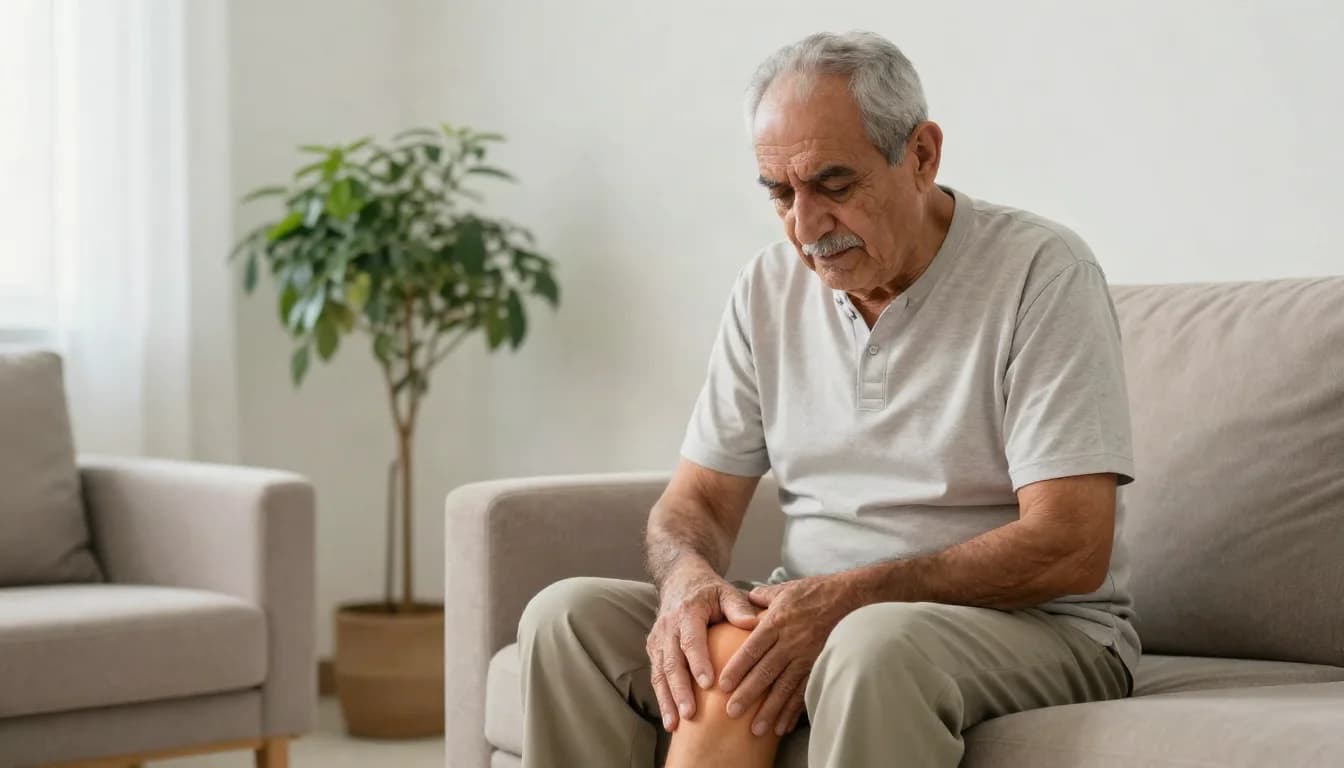
Cartilage restoration is a group of surgical procedures intended to resurface a well-defined cartilage defect on a joint surface — most often in the knee — with tissue capable of bearing load, in a relatively young patient whose remaining joint cartilage is healthy. It is not a single operation. It includes marrow stimulation through microfractures for small defects, transfer of an osteochondral plug from a low-load area of the same joint or from a donor for larger defects or those with underlying bone damage, and implantation of the patient's own chondrocytes, harvested and expanded in a laboratory and then secured within the defect in a two-stage procedure.
The success of any of these depends less on the technique than on correcting whatever caused the defect or threatens the repair: malalignment of the limb that overloads one side of the joint, cruciate ligament instability, meniscal loss, and excess body weight. For this reason alignment is measured on full-length standing radiographs, joint stability is examined, and MRI with cartilage-specific sequences is requested to define the size and depth of the defect and the state of the bone beneath it. Alignment or ligament reconstruction may be corrected in the same session or in a separate one.
The limits must be stated clearly. Cartilage restoration is not a treatment for widespread osteoarthritis: it is indicated for a contained defect surrounded by healthy cartilage and is unsuitable for a joint whose surface has narrowed throughout. Most techniques do not reproduce cartilage identical to the original, but a substitute tissue that is somewhat weaker than native hyaline cartilage. It does not remove the need to correct alignment and stability, because a repair collapses if loading stays unbalanced. Rehabilitation is long, measured in months, and weight-bearing may be restricted for weeks. Equally important: injections and oral supplements do not grow new cartilage — they may ease symptoms in some patients, and that is all.
Risks include infection, venous thrombosis, stiffness, joint effusion, pain at the plug harvest site, and failure or detachment of the repair requiring further surgery. The choice between these techniques, non-surgical management and joint replacement is determined by age, clinical examination, imaging and the activity you need, not by reading, and it is discussed with you before surgery together with a written rehabilitation plan.
The history of pain, locking and swelling is reviewed, the joint is examined for stability and range of motion, full-length standing radiographs are taken to measure alignment, and MRI with cartilage sequences defines the size and depth of the defect, the state of the underlying bone and the integrity of menisci and ligaments.
The technique is selected according to defect size and depth, your age, limb alignment and required activity, and the alternatives are discussed openly: non-surgical care, rehabilitation and weight reduction, or joint replacement if wear is widespread. The length of rehabilitation is explained before consent, not after.
The arthroscope is introduced through small incisions, the defect is measured and debrided back to stable cartilage margins and a sound base, and associated problems are addressed in the same session: meniscal trimming or repair, removal of loose bodies, and ligament assessment.
Either microfractures are made in the subchondral bone so marrow cells form filling tissue, or an osteochondral plug is transferred and set exactly flush with the surface, or a membrane or scaffold carrying laboratory-expanded chondrocytes harvested at a first stage is secured in place. Alignment is corrected by osteotomy when required, in the same or a separate session.
Weight-bearing is restricted with crutches for weeks depending on technique and location, early controlled motion and range-of-motion work begin with graded strengthening, and full walking, stationary cycling and finally running and impact sport are allowed after months and by the surgeon's decision rather than how the knee feels.
Start quadriceps strengthening before surgery if pain allows, because a strong muscle beforehand shortens rehabilitation afterwards. If your weight is high, work on reducing it, since every kilogram multiplies the load on the joint surface. Stop smoking, report all your medicines, especially blood thinners and corticosteroids, and state the date of any recent intra-articular injection, as a recent injection may postpone the operation. Bring your MRI, previous radiographs and reports of any earlier surgery on the joint. Obtain crutches beforehand and practise with them, arrange a safe bathroom and a sleeping place on one floor, and plan realistic time off work and transport, because rehabilitation runs for months rather than weeks.
Follow the weight-bearing programme to the letter even if the knee feels fine, because loading too early lifts the repair before it has bonded. Ice and elevate the joint, move your ankle and toes regularly to lower clotting risk, and take any prescribed thromboprophylaxis. Do not sit on the floor, do not bend the knee beyond the permitted limit, do not go down stairs on the operated leg without clearance, and attend every physiotherapy session — it is part of the operation, not an optional extra. Seek care immediately for fever with redness, warmth or discharge from the wound, rapidly increasing swelling or pain not relieved by painkillers, calf pain and swelling or breathlessness or chest pain, sudden locking of the joint with inability to straighten it, or clear numbness and weakness below the knee.
Usually 45 minutes to two hours depending on the technique and what is corrected alongside it; some techniques are carried out in two stages separated by several weeks.
Dr Mohammad Samreen is an orthopaedic and fracture surgery consultant in Zarqa. He graduated in medicine from the University of Jordan, trained in orthopaedics …
Dr Mazen Kurdieh practices orthopedics in Amman. Qualifications include Jordanian Board in Orthopaedic Surgery; Jordanian Board in General Surgery; German Fello…
Dr Mohammed Omar Tabaza is an orthopedic, joint and fracture specialist with a focus on hip and knee replacement. He studied medicine at Al-Mustansiriya Univers…
Qutaiba Al Nimrawi practices orthopedics at Vetro Medica Complex, 87 Ibn Khaldoun Street in Jabal Amman. Consultations review joint pain, back symptoms, injurie…
There are currently 4 doctor profiles linked to Articular Cartilage Restoration on ClinicsJo. Review the listed services and contact the practice to confirm availability with the doctor and branch you choose.
Start with an available doctor's profile and use the contact or booking options shown there. Confirm the service, practice location and appointment time with the clinic. If this list is empty, broaden your search using the directory links on this page.
Ask the practice for the current price and what it includes. A consultation fee shown on a profile is not necessarily the price of a procedure, tests or follow-up. Confirm any additional charges and insurance arrangements before your visit.
No clinic on ClinicsJo has published a price for Articular Cartilage Restoration yet, so we do not quote an estimated figure. What is published is the consultation fee: 20–34 JOD (profiles: 24). The doctor sets the treatment price after assessing your case.
Other doctor profiles with a published fee: 19.
Expected duration (from the procedure guide): Usually 45 minutes to two hours depending on the technique and what is corrected alongside it; some techniques are carried out in two stages separated by several weeks.
Before booking, ask the clinic for the all-inclusive price and what it covers, any extra tests or scans, how many follow-up visits are included, the payment options, and whether your insurance is accepted. You can reach them through the contact details on the doctor and clinic profiles on this page.
The figures above were published by the clinics and doctors themselves on ClinicsJo and may change. We do not estimate prices. Confirm the all-inclusive price with the clinic before booking. Offers on ClinicsJo