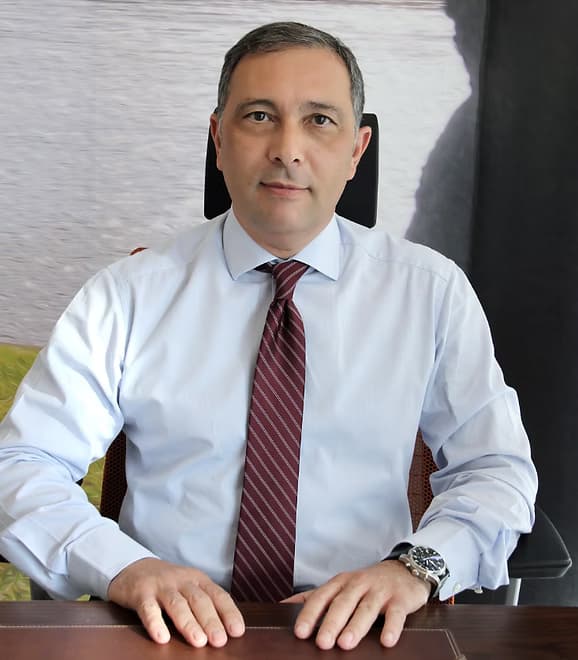
Dr. Wael Al Haddad Orthopaedic Clinic
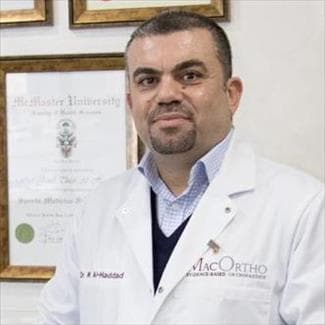
Dr. Wael Al Haddad is a consultant orthopedic surgeon with Jordanian and Arab Board certification and advanced training at McMaster University in Canada. His wo…
Hours not listedInsurance not specified6 views
Trusted medical platform in Jordan

Knee replacement is a surgical procedure in which the damaged joint surfaces of the lower thigh bone and upper shin bone — and usually the back of the kneecap — are replaced with metal components and a durable polyethylene bearing, removing the painful bone-on-bone contact that follows cartilage loss in advanced arthritis. The typical candidate has pain that disturbs sleep or limits walking, and has already tried non-surgical measures for several months without lasting benefit: weight reduction, physiotherapy and quadriceps strengthening, medication prescribed by a physician, joint injections and walking aids. Candidacy is decided by clinical examination and by how much the pain limits your daily life, read together with weight-bearing X-rays — never by imaging alone and never by reading a web page. It is equally important to know what the operation does not do. It removes arthritic pain, but it does not restore a young, normal knee: range of motion stays limited, and deep squatting or sitting cross-legged on the floor may remain difficult or inadvisable. It does not treat pain coming from the lower back or the hip, which is why both are examined before the decision. The implant is a manufactured device with a finite service life, may require revision surgery years later, and calls for lifelong attention to any infection elsewhere in the body that could reach it through the bloodstream. The main risk to guard against after major joint surgery is deep vein thrombosis. Preventive medication is prescribed for a defined period alongside early mobilisation, ankle pumps, good hydration and compression devices. Warning signs include pain, swelling, warmth or redness in one leg, especially the calf. If a clot reaches the lung it causes sudden breathlessness, chest pain worse on breathing in, palpitations or coughing blood — a true emergency that must not wait. The final outcome is determined more by rehabilitation than by the surgery itself. Standing and assisted walking usually begin the same or the next day, a cane is used for some weeks, most people resume daily activities within six to twelve weeks, and gradual improvement continues for up to a year. Full-extension exercises, straight-leg raises and progressive bending are what prevent the stiffness that is hard to correct later.
Clinical examination of the knee together with the back and hip to confirm the true source of pain, weight-bearing X-rays, blood tests and assessment of cardiac status, diabetes, blood pressure and anaemia. All medications are reviewed and any focus of infection — dental, urinary or skin — is looked for and treated first to protect the implant.
Spinal or general anaesthesia is chosen according to the anaesthetist's assessment and your general health. A prophylactic antibiotic dose is given before the incision, thromboprophylaxis measures are applied, and the limb is prepared and draped. Local analgesic techniques are often added to reduce first-day pain and allow earlier walking.
Through an anterior incision the joint is exposed, damaged cartilage and a thin measured layer of bone are removed from the femur and tibia, trial components are inserted to fine-tune limb alignment, ligament balance and stability through the arc of motion, and the definitive implants are then fixed — with bone cement in most cases.
Bleeding is controlled, the joint is irrigated, the layers are closed and a dressing is applied; a check X-ray is taken when indicated. You are then transferred to recovery, where vital signs, foot sensation and movement, and the adequacy of pain control are monitored.
Standing and assisted walking usually start the same or the next day, with full-extension work, straight-leg raises, progressive bending, and training in walker or cane use and stairs. Your thromboprophylaxis plan and its duration are explained before discharge, and a graded physiotherapy programme with follow-up dates is set.
Tell your doctor about everything you take: blood thinners, diabetes and blood-pressure medication, steroids, immune-modulating drugs and herbal supplements — and never stop anything on your own, since the timing of stopping and restarting is decided for you. Stop smoking several weeks before surgery, as it delays wound and bone healing. Report any dental, urinary or skin infection before the date; a small focus of infection may postpone the operation to protect the implant. Optimise diabetes, blood pressure and weight as far as you can, and start quadriceps strengthening beforehand — it makes rehabilitation far easier. Prepare your home: remove loose rugs and cables, fit a raised toilet seat and a grab rail, and arrange a bed on an easily reached floor. Organise someone to accompany you and help during the first two weeks, follow the anaesthetist's fasting instructions, do not shave the surgical area with a razor, and bring your reports, X-rays and medication list on admission.
**Seek emergency care immediately if you develop:** sudden breathlessness, chest pain, palpitations or coughing blood (suspected pulmonary embolism); pain, swelling, warmth or redness in one leg (deep vein thrombosis); a temperature of 38C or above; pus or cloudy discharge from the wound or wound edges opening; pain that suddenly increases after a period of improvement; numbness, coldness or pallor of the foot; or inability to bear weight after a fall. Day to day: pump your ankle and foot every waking hour, walk short distances frequently, drink enough fluid, and take your thromboprophylaxis exactly as prescribed for the full duration — do not stop it because you feel better. Use ice and elevation for the swelling, which may last weeks, keep the wound clean and dry, and do not submerge it in a bath or pool until your surgeon allows it. Do not place a pillow under the knee, as this blocks full extension. Do your exercises every day — persistence in rehabilitation determines the final result more than the operation does. Tell any future dentist or surgeon that you have a joint implant.
The operation itself usually takes 60 to 120 minutes, hospital stay is one to three days, and active rehabilitation runs 6 to 12 weeks with gradual gains continuing for about a year.
Dr. Wael Al Haddad is a consultant orthopedic surgeon with Jordanian and Arab Board certification and advanced training at McMaster University in Canada. His wo…
Dr Bassam Nadim Al Nahawi is a consultant orthopedic surgeon, a Damascus University graduate and a holder of the Jordanian Board in orthopedic surgery. His prac…
There are currently 2 doctor profiles linked to Knee Replacement on ClinicsJo. Review the listed services and contact the practice to confirm availability with the doctor and branch you choose.
Start with an available doctor's profile and use the contact or booking options shown there. Confirm the service, practice location and appointment time with the clinic. If this list is empty, broaden your search using the directory links on this page.
Ask the practice for the current price and what it includes. A consultation fee shown on a profile is not necessarily the price of a procedure, tests or follow-up. Confirm any additional charges and insurance arrangements before your visit.