Dr. Bassam Nadim Al Nahawi Clinic
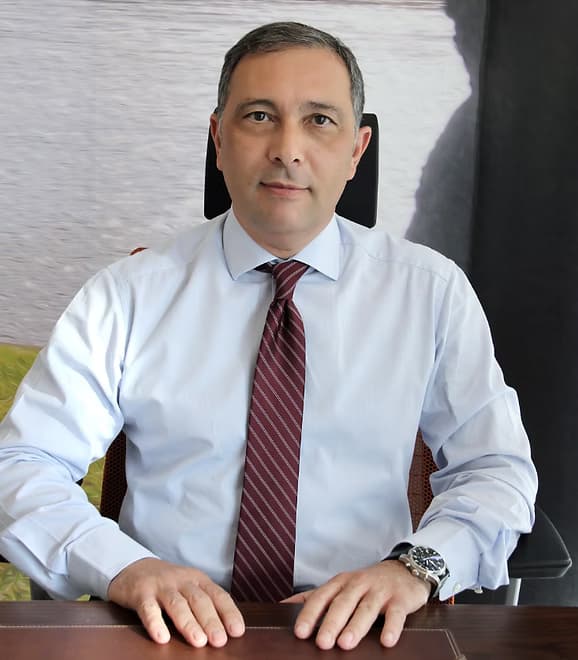
Dr Bassam Nadim Al Nahawi is a consultant orthopedic surgeon, a Damascus University graduate and a holder of the Jordanian Board in orthopedic surgery. His prac…
Hours not listedInsurance not specified5 views
Trusted medical platform in Jordan

Shoulder replacement is an operation in which the damaged head of the upper arm bone is replaced with a metal ball on a stem or baseplate and the socket in the shoulder blade is resurfaced, eliminating the bone-on-bone movement responsible for pain in advanced arthritis, after complex fractures, or in joint destruction caused by long-standing tendon tears. There are two main types. Anatomic replacement reproduces the natural architecture of the joint and requires an intact, functioning rotator cuff. Reverse replacement inverts ball and socket so that the deltoid muscle lifts the arm; it is used when the cuff tendons are irreparably torn, in certain fractures of the upper humerus, and in some failed previous replacements. The choice is made by clinical testing of tendon strength together with CT and MRI findings — not by personal preference. What the operation does not do matters just as much. Its primary goal is pain relief; overhead lifting power and full rotation may remain partial, particularly after reverse replacement, where external rotation and reaching behind the back often stay limited. It does not repair a torn tendon — it works around it. Permanent restrictions on heavy lifting, contact sports and repetitive overhead work remain. The implant has a finite service life, may need revision, and requires lifelong attention to infection anywhere in the body. The risk of deep vein thrombosis after upper-limb surgery is lower than after knee or hip surgery but it is not zero. Get up and walk early, drink enough fluid, move your hand, fingers and elbow inside the sling, and take any preventive medication that is prescribed. Signs that demand emergency care are sudden breathlessness, chest pain or palpitations; pain, swelling or warmth in one leg; or sudden swelling and bluish discoloration of the arm. Rehabilitation determines the final result. A sling is worn for some weeks depending on the type of surgery and the state of the tendons, and a graded programme moves from passive motion to active motion and then to strengthening. Functional recovery usually spans three to six months, with improvement continuing up to a year. Ignoring the programme leads to stiffness or early overload of the implant; following it is the difference between a painless, useful shoulder and a painless but stiff one.
Clinical examination measures range of motion and tests rotator cuff strength, deltoid function and nerve status, supported by X-rays, usually CT to assess glenoid bone stock, and MRI when a tendon tear is suspected. These findings decide between anatomic and reverse replacement.
General anaesthesia is usually combined with a regional nerve block for post-operative pain control. A prophylactic antibiotic dose is given, you are positioned semi-sitting, and the shoulder and arm are prepared and draped. Thromboprophylaxis measures are applied and cardiac, respiratory and blood-pressure status is monitored throughout.
The joint is approached anteriorly, the damaged humeral head is removed and the glenoid is prepared, then the components are fixed: in anatomic replacement a ball on the humerus and a liner in the socket, and in reverse replacement a ball baseplate on the glenoid and a cup on the humerus. Sizes are selected to set soft-tissue tension and stability.
The arm is taken through different arcs to confirm stability and absence of impingement, divided tendons and capsule are repaired where repair is feasible, and the wound is closed in layers with a dressing and sling applied. A post-operative X-ray confirms component position, and the permitted movements are explained.
Hand, elbow and neck movement start on day one, the sling is worn for the period your surgeon sets, and the programme then progresses from therapist-assisted passive motion to active motion and strengthening, with lifting, pulling and pushing with the operated arm prohibited until your written plan permits it.
Tell your doctor about all medication and supplements, especially blood thinners, diabetes drugs, steroids and immune-modulating treatments, and stop nothing on your own. Ask explicitly whether your operation is anatomic or reverse, what range of motion to expect, and what the permanent lifting restrictions will be. Stop smoking several weeks before surgery, control blood sugar and blood pressure, and report any dental, urinary or skin infection before the date. Set your home up for one-handed living: move what you need to chest-height shelves, buy loose front-buttoning clothes instead of garments pulled over the head, prepare straws and easy kitchen tools, and consider sleeping in a reclining chair for the first two weeks. Practise putting the sling on and off before surgery, and arrange help with bathing, dressing, cooking and transport, since you will not drive until cleared. Follow fasting instructions, do not shave the surgical area with a razor, and bring your imaging, reports and medication list.
**Call for emergency care immediately if you develop:** sudden breathlessness, chest pain or palpitations (suspected pulmonary embolism); pain, swelling or warmth in one leg (deep vein thrombosis); sudden swelling and bluish discoloration of the arm; a temperature of 38C or above; pus or discharge from the wound or its opening; sudden severe pain with a sense that the joint has slipped and inability to move it; or new numbness or weakness in the hand and fingers. Day to day: get up and walk several times daily and drink enough fluid to help prevent clots, move your fingers, wrist, elbow and neck inside the sling every hour, and take any prescribed preventive medication for its full duration. Do not lift, pull or push with the operated arm, do not push up from a chair or bed with it, and remove the sling only as you were taught. Keep the wound clean and dry. Attend physiotherapy and do your home exercises — rehabilitation determines the result, and the stiffness caused by neglect is harder to treat than the pain you came to relieve. Tell any future dentist or surgeon that you have a joint implant.
Surgery usually takes 90 to 150 minutes, hospital stay is one to two days, the sling is worn for some weeks, and functional recovery spans 3 to 6 months with gains up to a year.
Dr Bassam Nadim Al Nahawi is a consultant orthopedic surgeon, a Damascus University graduate and a holder of the Jordanian Board in orthopedic surgery. His prac…
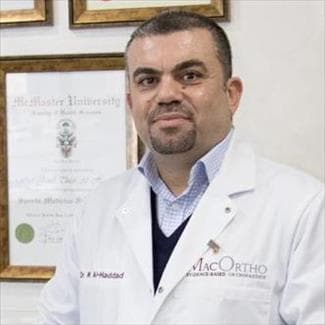
Dr. Wael Al Haddad is a consultant orthopedic surgeon with Jordanian and Arab Board certification and advanced training at McMaster University in Canada. His wo…
There are currently 2 doctor profiles linked to Shoulder Joint Replacement on ClinicsJo. Review the listed services and contact the practice to confirm availability with the doctor and branch you choose.
Start with an available doctor's profile and use the contact or booking options shown there. Confirm the service, practice location and appointment time with the clinic. If this list is empty, broaden your search using the directory links on this page.
Ask the practice for the current price and what it includes. A consultation fee shown on a profile is not necessarily the price of a procedure, tests or follow-up. Confirm any additional charges and insurance arrangements before your visit.