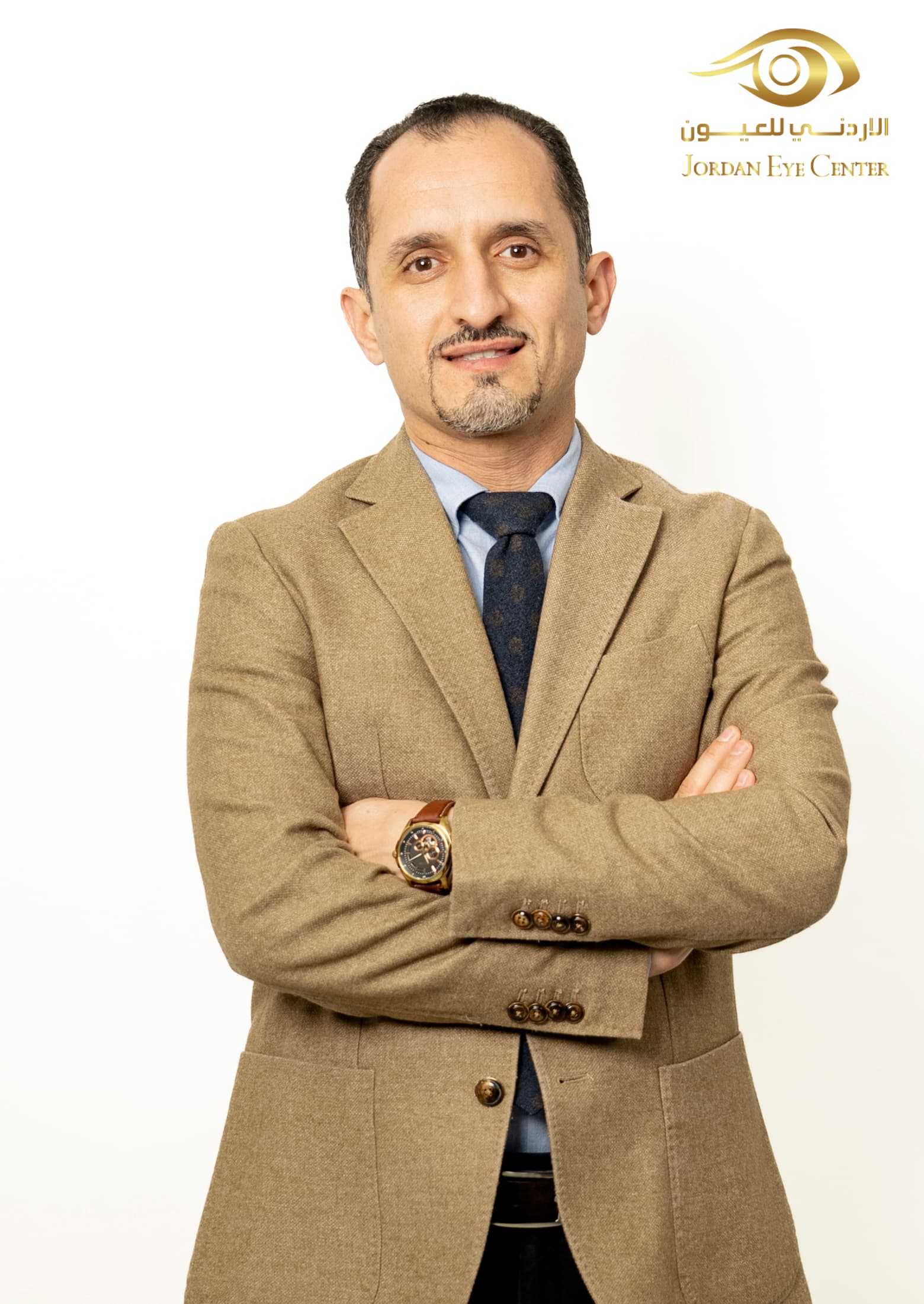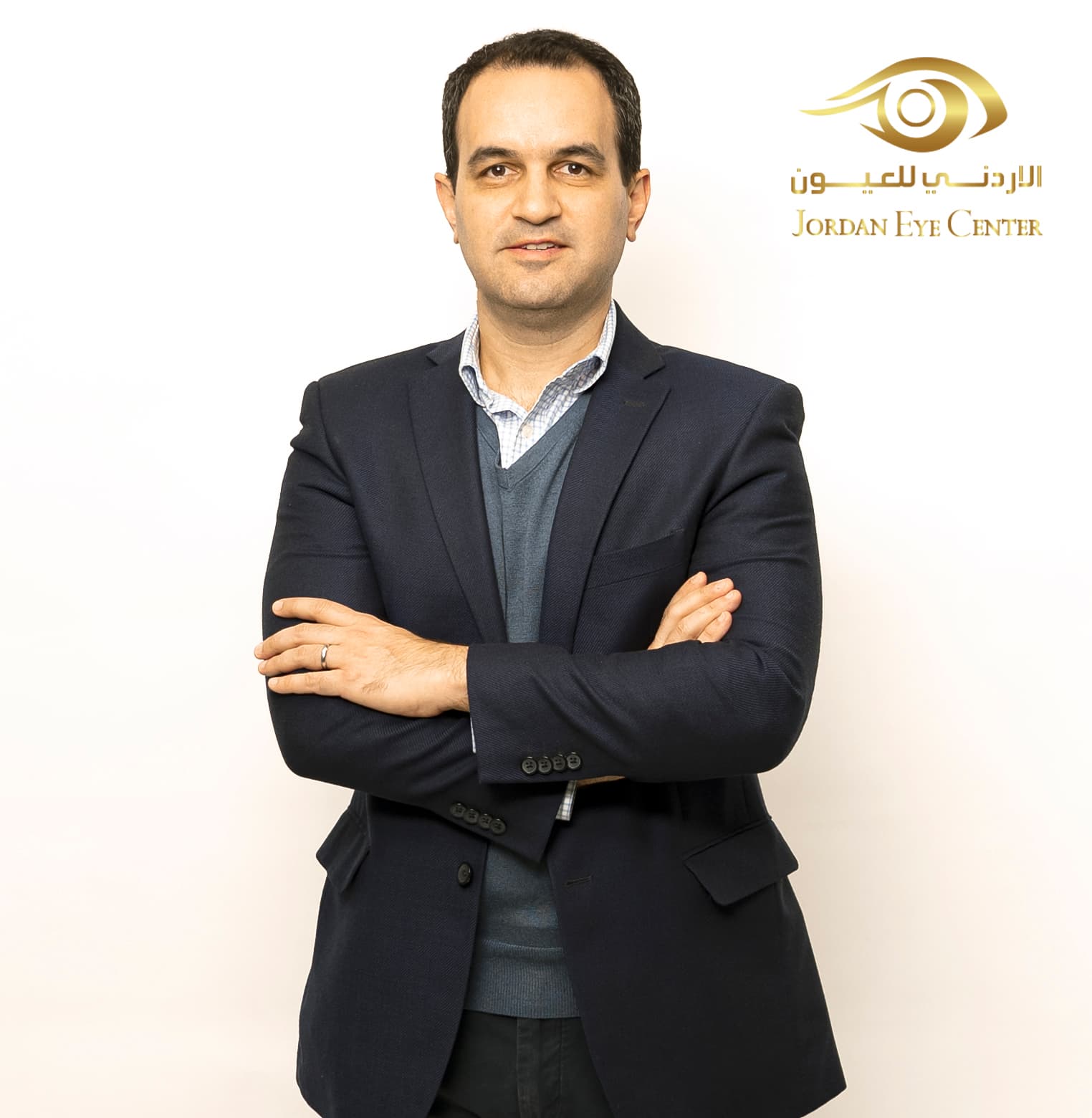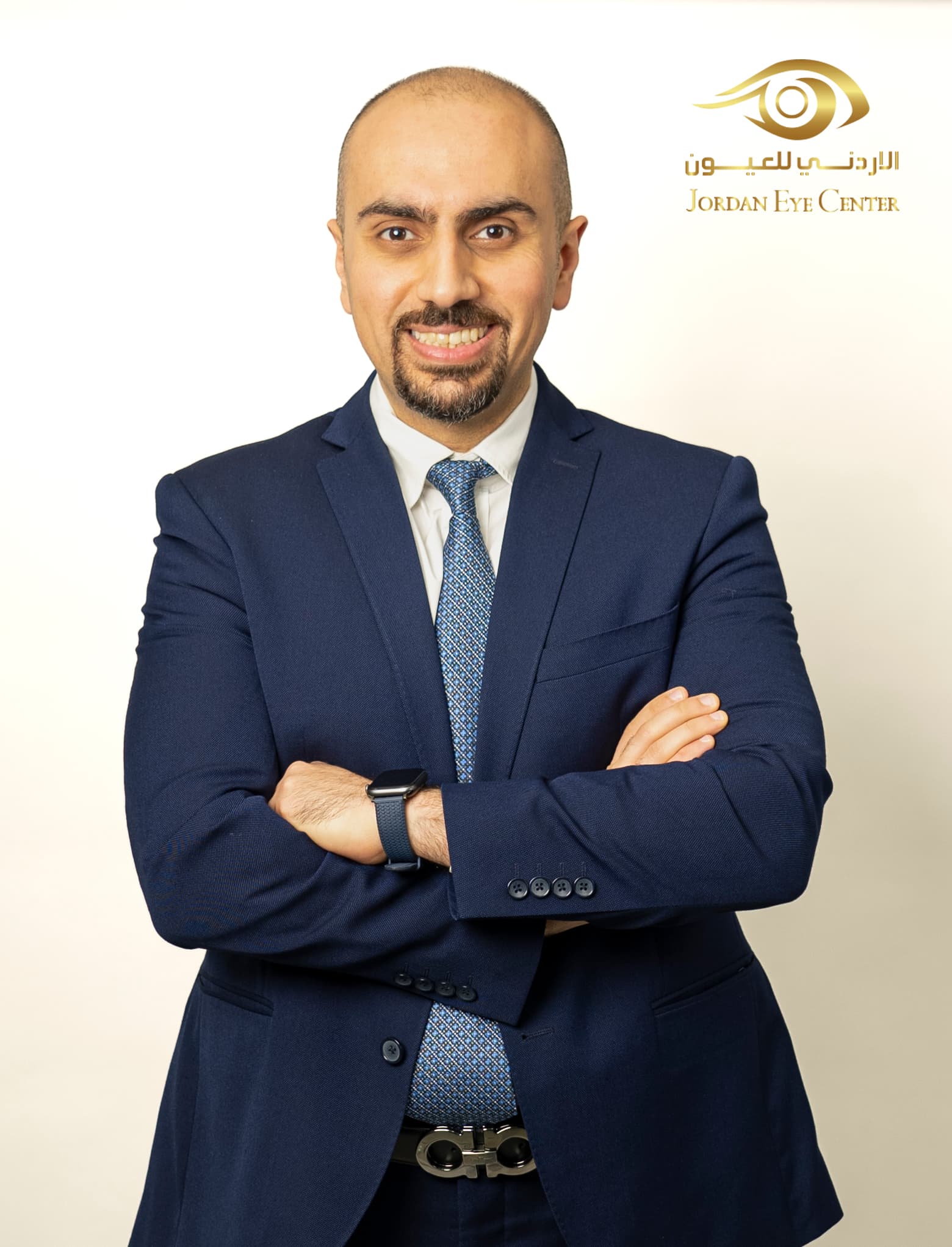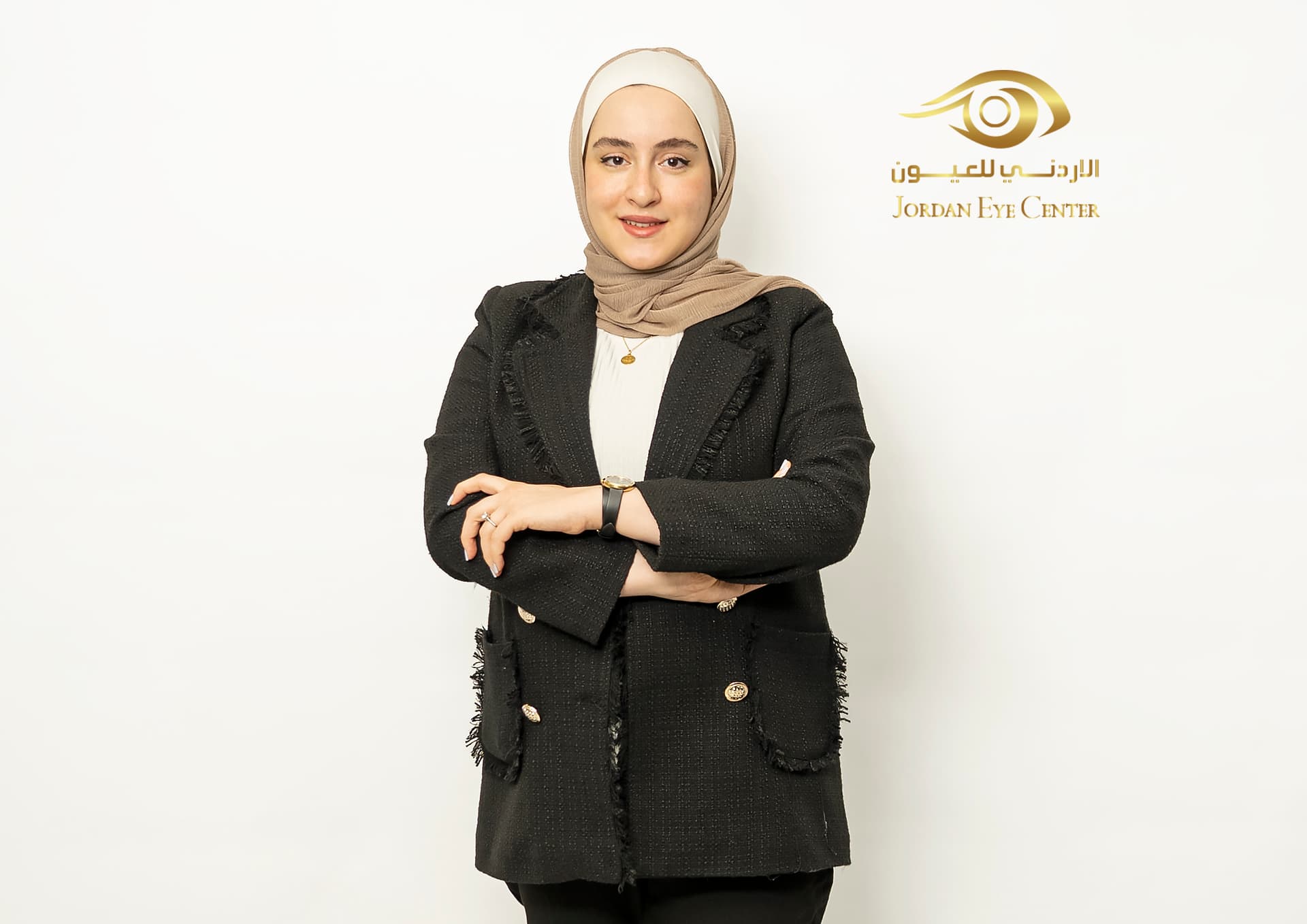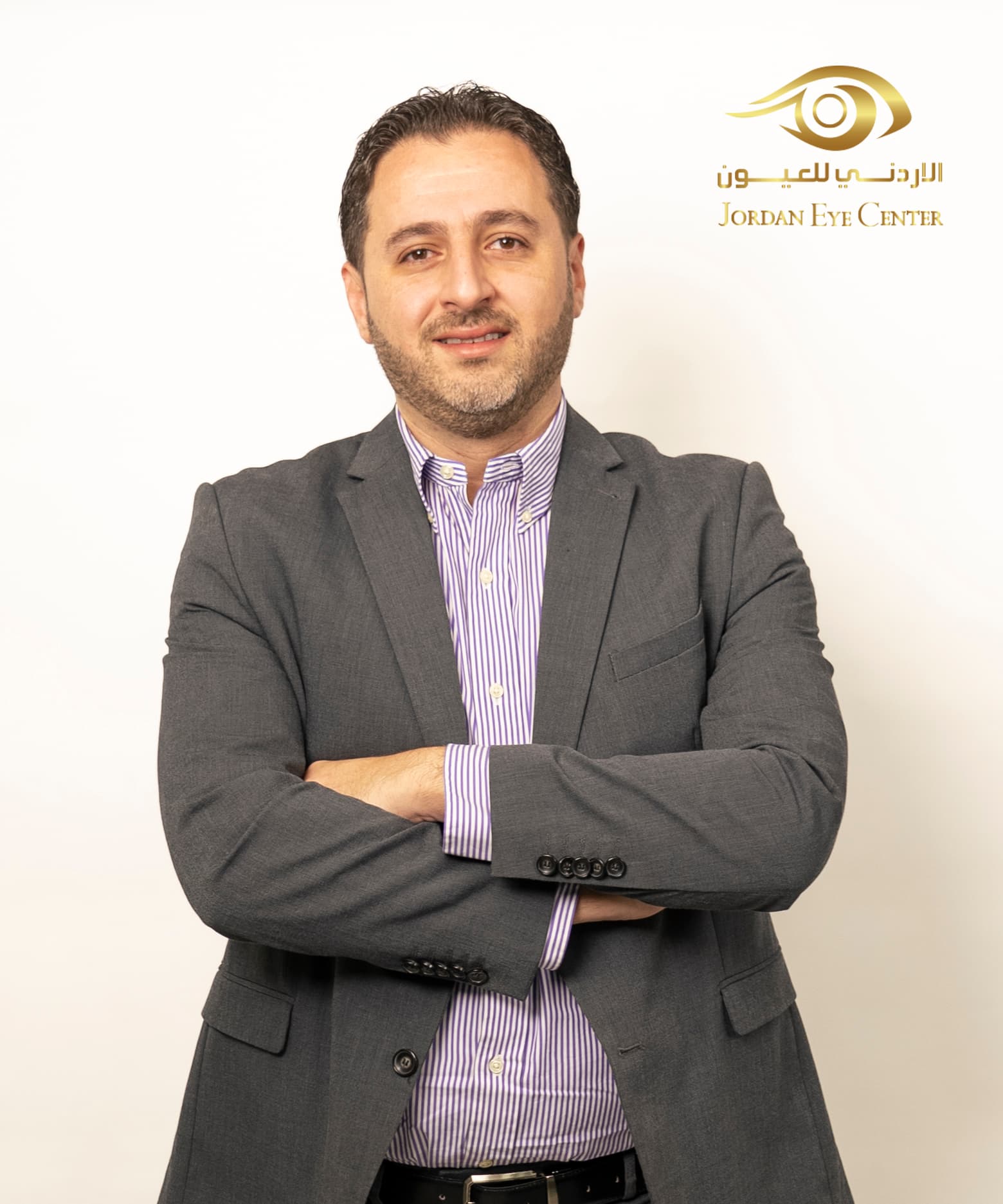
Jordan Eye Center
Sign in to the platform to view the phone number
Hours not listedInsurance not specified50 views
Trusted medical platform in Jordan

If you are searching for the best eye doctors in Mecca Street, this page lists six ophthalmologists at Jordan Eye Center in Amman. Their sub-specialties cover glaucoma, retina, eyelid and tear-drainage surgery, and children's eyes and squint. The list is ordered by how complete each published profile is, not by clinical quality. Use it to compare services, qualifications, insurers and hours before you book.
| # | Doctor | Area | Suits | Profile score |
|---|---|---|---|---|
| 1 | Maher Nabih Nofal | Mecca Street | Children's eye checks, squint, and eyelid or orbital concerns | 45/100 |
| 2 | Salem Ahmad Abu Al Ghanam | Mecca Street | Raised eye pressure, glaucoma follow-up and glaucoma procedures | 43/100 |
| 3 | Muataz Mohammad Harara | Mecca Street | Retinal problems, diabetic eye review, cataract and cornea care | 40/100 |
| 4 | Qaseem Jameel Naser | Mecca Street | Droopy eyelids, watery eyes from blocked tear ducts, orbital surgery | 40/100 |
| 5 | Mohammad Akram Hawari | Mecca Street | Children's vision, squint, cataract and corneal cross-linking | 40/100 |
| 6 | Mais Khaled Al Jbour | Mecca Street | Patients wanting a female ophthalmologist for eyelid, tear-duct or children's care | 40/100 |
Dr. Maher Nabih Nofal is a consultant ophthalmologist at Jordan Eye Center on Mecca Street, Amman. His published sub-specialties are paediatric ophthalmology, strabismus and oculoplastic surgery. His listed qualifications are a Bachelor of Medicine and Surgery from the University of Jordan, Membership of the Royal College of Surgeons of Edinburgh and FICO. His published services include eyelid aesthetic assessment and surgery, orbital surgery, strabismus correction, children's eye assessment and vision tests, and vision-correction assessment. His profile lists Arab Orient Insurance. Confirmed hours are Saturday to Wednesday 08:00–19:00 and Thursday 08:00–16:00.
Suits: Children's eye checks, squint, and eyelid or orbital concerns
Dr. Salem Ahmad Abu Al Ghanam is a consultant ophthalmologist focused on glaucoma. He practises at Jordan Eye Center on Mecca Street, Amman. His profile lists an American fellowship. His biography mentions membership of American ophthalmology and glaucoma societies and the Jordanian ophthalmology society. His published services cover eye-pressure measurement and follow-up, glaucoma treatment and surgery, Ahmed valve implantation, laser trabeculoplasty and other laser options, and ultrasound-based glaucoma treatment. His profile lists Arab Orient Insurance. Confirmed hours are Saturday to Wednesday 08:00–19:00 and Thursday 08:00–16:00.
Suits: Raised eye pressure, glaucoma follow-up and glaucoma procedures
Dr. Muataz Mohammad Harara is a consultant ophthalmologist and vitreoretinal surgeon at Jordan Eye Center on Mecca Street, Amman. His listed qualifications are the Arab Board and the Jordanian Board in Ophthalmology, plus an International Council of Ophthalmology qualification. His published services cover retinal assessment and treatment and intravitreal injections. They also include cataract surgery with intraocular lens implantation, corneal transplantation (keratoplasty), corneal cross-linking, laser vision correction and implantable vision-correction lenses. His biography notes that examination guides the choice of treatment. Confirmed hours are Saturday to Wednesday 08:00–19:00 and Thursday 08:00–16:00.
Suits: Retinal problems, diabetic eye review, cataract and cornea care
Dr. Qaseem Jameel Naser is a consultant in oculoplastic surgery at Jordan Eye Center on Mecca Street, Amman. His listed qualifications are MRCOphth, FEBO and FRCS(Ed), which his biography describes as British and European qualifications. His published services include eyelid surgery and eyelid lift, ptosis (droopy eyelid) surgery, tear-drainage surgery and lacrimal duct repair, and orbital surgery. He also lists non-surgical aesthetic options around the eyes, cataract surgery and assessment for vision correction. Confirmed hours are Saturday to Wednesday 08:00–19:00 and Thursday 08:00–16:00.
Suits: Droopy eyelids, watery eyes from blocked tear ducts, orbital surgery
Dr. Mohammad Akram Hawari is an ophthalmic surgeon at Jordan Eye Center on Mecca Street, Amman. His published sub-specialties are paediatric ophthalmology and strabismus. His listed qualifications are the Arab Board in Ophthalmology, Membership of the Royal College of Surgeons of Edinburgh and FICO. His biography also mentions membership of the European refractive surgery society. His published services include children's eye examinations and vision tests, strabismus treatment and surgery, cataract surgery with lens implantation, corneal cross-linking and corneal transplantation. Confirmed hours are Saturday to Wednesday 08:00–19:00 and Thursday 08:00–16:00.
Suits: Children's vision, squint, cataract and corneal cross-linking
Dr. Mais Khaled Al Jbour practises ophthalmology at Jordan Eye Center on Mecca Street, Amman, with a published sub-specialty in oculoplastic surgery. She studied medicine at the Hashemite University and lists the Arab Board in Ophthalmology and FICO. Her published services include oculoplastic assessment and aesthetic eyelid surgery, tear-drainage care, and paediatric eye care for children's vision problems. They also include strabismus surgery, cataract surgery with intraocular lens implantation, laser vision correction and implantable vision-correction lenses. Confirmed hours are Saturday to Wednesday 08:00–19:00 and Thursday 08:00–16:00.
Suits: Patients wanting a female ophthalmologist for eyelid, tear-duct or children's care
Every matching doctor profile in this area was scored out of 100 for how complete and checkable its published information is, and the highest scores appear here in order. Featured placement does not change a profile's score, and the score does not measure treatment quality or outcomes — it tells you how much you can check before you call.
Ties are broken by the number of approved reviews, then published years of experience. Confirm the service, branch, appointment, fees and insurance coverage with the practice before visiting.
An ophthalmologist is a medical doctor who diagnoses and treats eye disease and corrects vision. Ophthalmologists also operate on the lens, cornea, retina, eyelids and tear ducts. This differs from an optician, who mainly fits glasses and lenses.
Common reasons to book a routine appointment include:
Do not wait for a clinic appointment if you notice any of the following. Call 911 or go to a hospital emergency department straight away.
All six doctors on this page work at the same place, Jordan Eye Center on Mecca Street. They also share the same confirmed hours, so location and timing will rarely decide your choice. Match your concern to the published sub-specialties and services instead:
If you are searching for the best eye doctors in Mecca Street, remember that the order on this page reflects how complete each profile is, not treatment outcomes. A practical choice is the doctor whose published work matches your problem and whose insurance arrangements suit you. If you are unsure where your symptoms fit, ask the centre's team which doctor usually sees that concern. Ask for a general ophthalmology assessment first if needed.
A first eye appointment often includes:
Drops may be used to widen (dilate) your pupils. Your vision can then stay blurred and light-sensitive for several hours. Plan not to drive afterwards, and bring sunglasses.
What to bring:
If you wear contact lenses and are being assessed for vision correction, ask the centre beforehand whether you should stop wearing them. Ask how many days in advance.
Useful questions for the doctor:
None of these six profiles currently publishes a consultation fee, so ask the centre directly when you book. Arab Orient Insurance appears on the profiles of Dr. Maher Nabih Nofal and Dr. Salem Ahmad Abu Al Ghanam. Whatever your insurer, confirm coverage with both the centre and your insurance company before the visit.
Questions worth asking:
Jordan Eye Center is on Mecca Street in Amman. Patients come from across the capital, including Sweifieh, Khalda, Tla' Al-Ali, the Gardens, Shmeisani, 7th Circle, Abdoun, Dabouq and Jubeiha. Traffic across Amman can be heavy at peak times, so allow extra time and check the map location on each profile before you set off.
If your pupils may be dilated, come with a companion or use a taxi rather than driving yourself home. For eye emergencies, call 911 or go to the nearest hospital emergency department rather than travelling to a clinic. Major hospitals in the capital include Jordan University Hospital, Al-Bashir Hospital and King Hussein Medical Center.
This page helps you compare published profiles; it is not medical advice and does not rank clinical skill. In an emergency call 911 or go to the nearest emergency department.