Hayah Fertility and Genetics Centre
Sign in to the platform to view the phone number
Hours 10:00–17:00 · 6 days a weekInsurance not specified69 views
Trusted medical platform in Jordan

If you are searching for the best infertility & IVF specialists in Abdali, this page lists five obstetrician-gynaecologists in Abdali, Amman, who include infertility and IVF in their published sub-specialties. They are ordered by how complete and checkable each profile is, not by treatment quality. You can compare qualifications, services and hours, then use our guidance on timing, first visits and questions to ask before you book.
| # | Doctor | Area | Suits | Profile score |
|---|---|---|---|---|
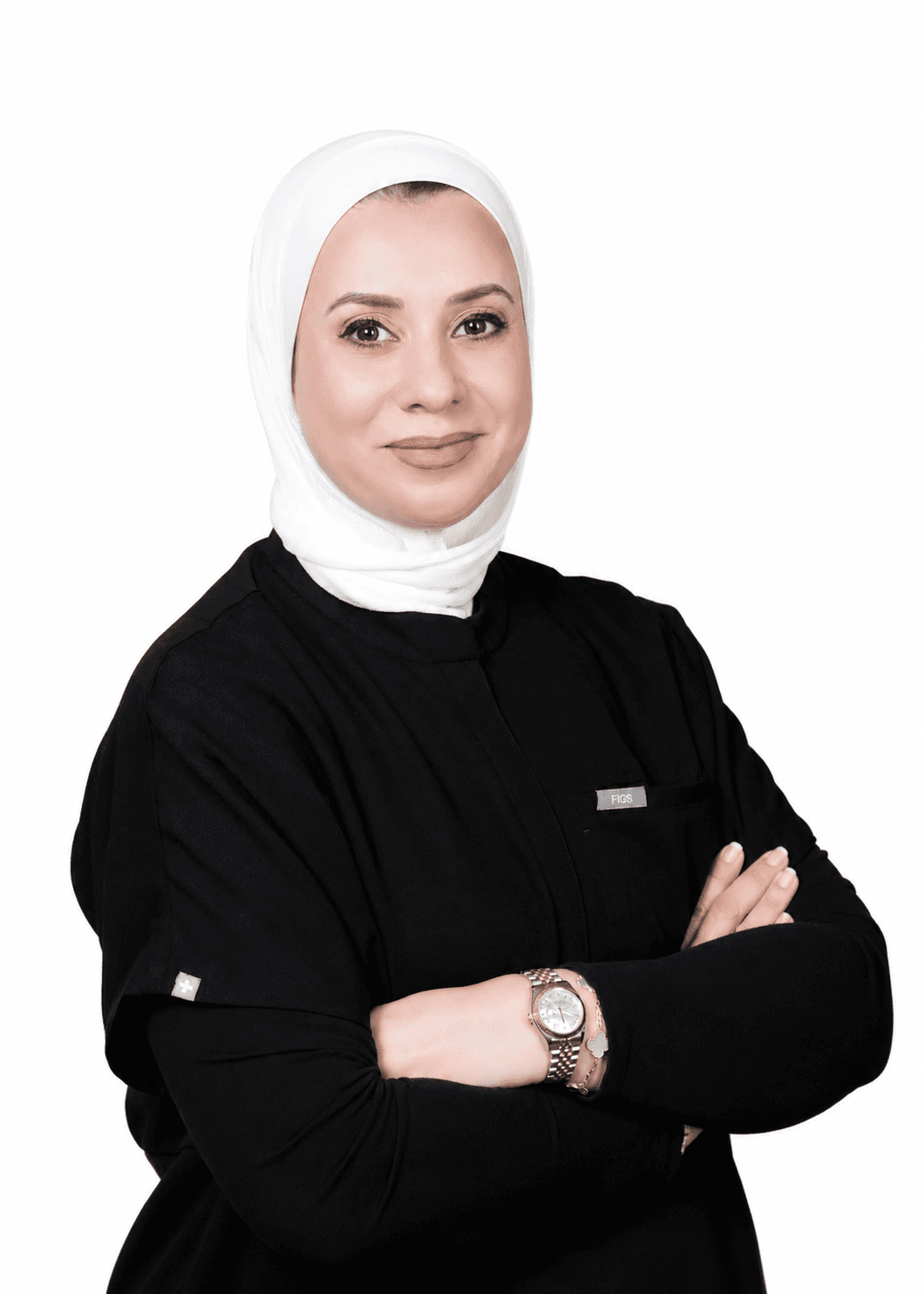
| 1 | Omar Al Omari | Abdali | Couples considering IVF, ICSI, IUI, egg freezing or hysteroscopic surgery | 40/100 |
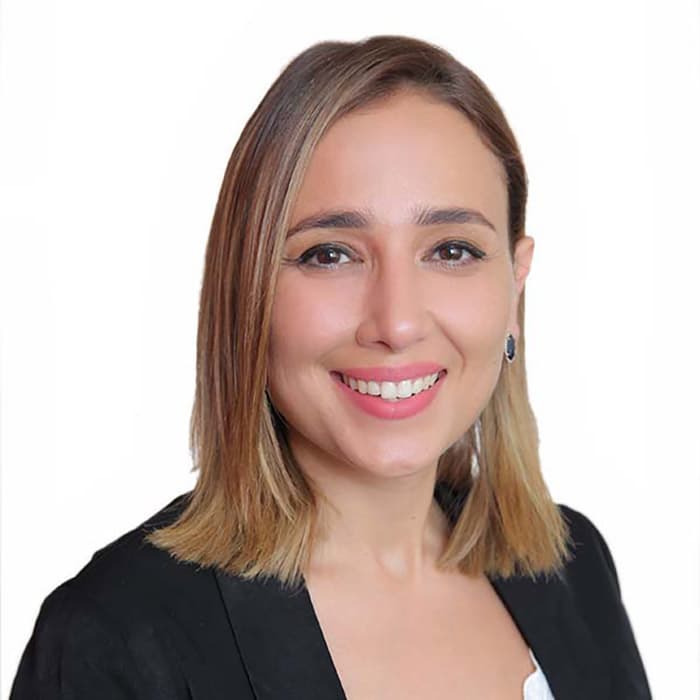
| 2 | Amal Abu Abed | Abdali | Fertility treatment plus pregnancy follow-up, including high-risk or multiple pregnancies | 40/100 |
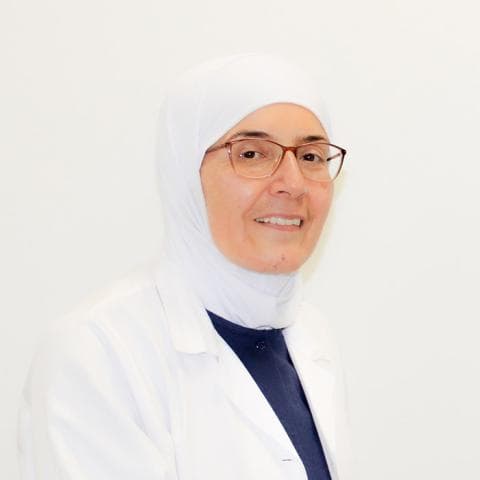
| 3 | Suzan Atamna | Abdali | Infertility assessment with continuity into pregnancy, delivery and gynaecological surgery | 20/100 |
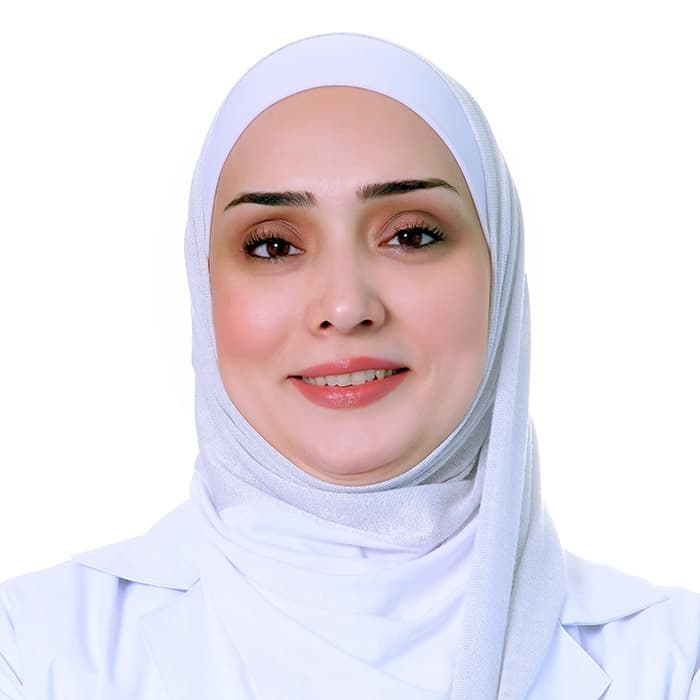
| 4 | Lamia Haj Hassan | Abdali | Infertility assessment where hysteroscopy or high-risk pregnancy care may be needed | 19/100 |
| 5 | Lama Al Radaideh | Abdali | A first gynaecology consultation about difficulty conceiving or pregnancy care | 19/100 |
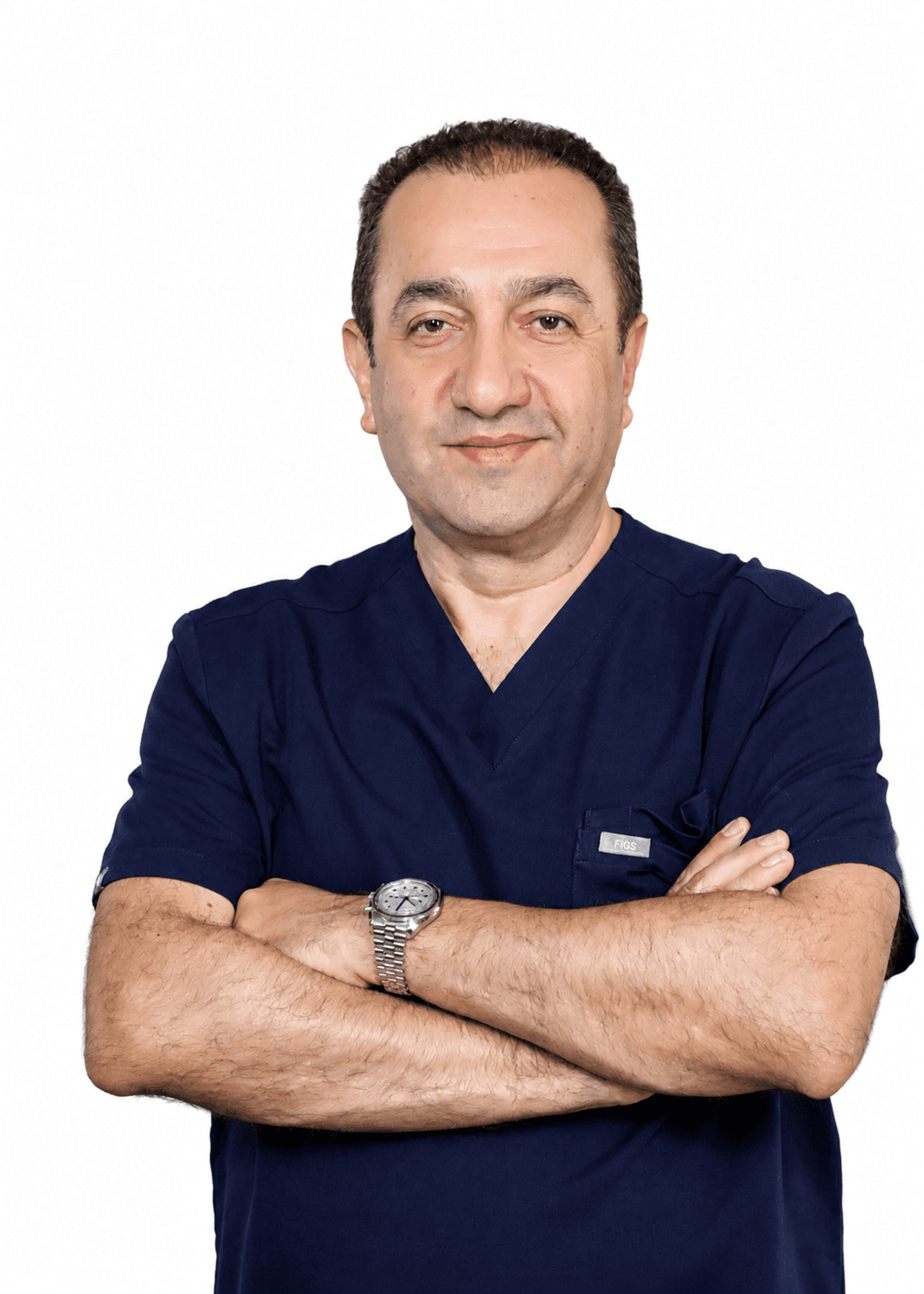
Dr. Omar Al Omari is a consultant in obstetrics, gynaecology, infertility and IVF at Hayah Fertility and Genetics Centre in Abdali, with gynaecologic endoscopy as a second sub-specialty. His record lists a University of Jordan medical degree (1997), a higher specialty and the Jordanian Board in Obstetrics and Gynaecology (2002), and RCOG membership in London (2006). His biography mentions earlier roles leading gynaecology departments at Jordan and Abdali hospitals and directing fertility and genetics at Istishari Hospital. Published services include IVF, ICSI, intrauterine insemination, fertility preservation and egg freezing, hysteroscopy, and treatment of endometriosis, fibroids, endometrial polyps and intrauterine adhesions. Confirmed hours: Saturday and Sunday 09:00–17:00, Monday to Thursday 10:00–17:00.
Suits: Couples considering IVF, ICSI, IUI, egg freezing or hysteroscopic surgery
Dr. Amal Abu Abed is a consultant in obstetrics, gynaecology, infertility and IVF who practises with Hayah Fertility and Genetics Centre at Abdali Hospital in Amman. Her record lists a medicine and surgery degree from Damascus University and the Jordanian Board in Obstetrics and Gynaecology, and her biography mentions membership of the Jordanian obstetrics and gynaecology society and the European Society of Human Reproduction and Embryology. Published services cover infertility assessment, IVF and ICSI alongside antenatal care, high-risk pregnancy assessment, multiple-pregnancy follow-up, surgical excision of endometriosis, uterine fibroid treatment and women's health consultations. Confirmed hours: Saturday and Sunday 09:00–17:00, Monday to Thursday 10:00–17:00.
Suits: Fertility treatment plus pregnancy follow-up, including high-risk or multiple pregnancies
Dr. Suzan Atamna provides obstetric and gynaecological care at Abdali Hospital Outpatient Clinics, with sub-specialties listed as pregnancy care, infertility and IVF, gynaecologic surgery and high-risk pregnancy. According to the biography, Dr. Atamna holds the Jordanian board in obstetrics and gynaecology and a medical degree from Jordan University of Science and Technology, and counts reconstructive and cosmetic gynaecological surgery among other interests. Published services are infertility assessment, high-risk pregnancy follow-up, vaginal and caesarean delivery, and gynaecological disease and surgery. The biography notes that appointments allow a review of symptoms and previous investigations and a discussion of suitable care options, so earlier test results are worth bringing.
Suits: Infertility assessment with continuity into pregnancy, delivery and gynaecological surgery
Dr. Lamia Haj Hassan is a consultant in obstetrics, gynaecology and infertility at Abdali Hospital Outpatient Clinics, with sub-specialties in infertility and IVF, gynaecologic endoscopy and high-risk pregnancy. The biography states that Dr. Haj Hassan studied medicine and trained in obstetrics and gynaecology at the University of Jordan, completed further specialist training at the University of Toronto, holds Jordanian and Canadian board qualifications, and undertook reproductive-medicine research training at Yale. Published services are infertility assessment, high-risk pregnancy care and hysteroscopy. Per the biography, consultations are an opportunity to review medical history and previous investigations and to discuss the next steps in care.
Suits: Infertility assessment where hysteroscopy or high-risk pregnancy care may be needed
Dr. Lama Al Radaideh is an obstetrician, gynaecologist and infertility specialist at Abdali Hospital Outpatient Clinics, with sub-specialties in pregnancy care and infertility and IVF. The biography states the Jordanian board in obstetrics and gynaecology, graduation from Jordan University of Science and Technology and residency at the Royal Medical Services. Published services are gynaecology consultation, pregnancy care and infertility assessment. The biography suggests contacting the hospital to arrange a consultation about gynaecological health, pregnancy or difficulty conceiving, bringing available reports, test results and a current medication list, and confirming the appointment location before attending.
Suits: A first gynaecology consultation about difficulty conceiving or pregnancy care
Every matching doctor profile in this area was scored out of 100 for how complete and checkable its published information is, and the highest scores appear here in order. Featured placement does not change a profile's score, and the score does not measure treatment quality or outcomes — it tells you how much you can check before you call.
Ties are broken by the number of approved reviews, then published years of experience. Confirm the service, branch, appointment, fees and insurance coverage with the practice before visiting.
The World Health Organization describes infertility as not achieving a pregnancy after 12 months or more of regular unprotected sex. It is common, and it affects couples rather than just one partner: the cause can lie with ovulation, the fallopian tubes, the uterus, sperm, or a combination, and sometimes no clear cause is found. A fertility specialist's job is to work out what is going on through history, examination and tests, and then discuss options, which may range from timing advice and ovulation support to intrauterine insemination (IUI), IVF or ICSI, or keyhole and hysteroscopic procedures. Which option, if any, makes sense depends entirely on the assessment.
Reasons to book a fertility consultation include:
During fertility treatment or early pregnancy, call 911 or go to the nearest emergency department if you have severe pelvic or abdominal pain (especially one-sided or with shoulder-tip pain), heavy vaginal bleeding, fainting or severe dizziness, fever after a procedure, or, after ovarian stimulation, marked abdominal swelling, rapid weight gain, shortness of breath or passing very little urine. These can be signs of an ectopic pregnancy, infection or ovarian hyperstimulation and should not wait for a clinic appointment.
All five profiles are obstetrician-gynaecologists in Abdali who list infertility and IVF as a sub-specialty. If you arrived here looking for the best infertility & IVF specialists in Abdali, note that the order reflects profile completeness, not skill or outcomes. Practical ways to narrow the choice:
A first fertility consultation is mostly about information. Expect questions about how long you have been trying, your menstrual cycle, past pregnancies or miscarriages, surgeries, infections, long-term conditions, medicines, smoking, alcohol and weight, and similar questions for the male partner. There may be an examination and often a pelvic ultrasound. The doctor may then arrange tests such as hormone blood tests timed to your cycle, a check of the fallopian tubes, and a semen analysis. Doctors commonly advise women trying to conceive to take folic acid and to check rubella immunity; ask what applies to you.
What to bring:
Questions worth asking:
Insurance cover for fertility care varies a lot between policies, and some cover a consultation or diagnostic tests but not assisted reproduction. Before you book, ask your insurer in writing what is covered, whether pre-approval is needed and whether the specific clinic is in network. Then ask the clinic:
Only rely on fees that a clinic confirms directly; prices for fertility treatment can change with the plan agreed.
All five listed profiles are in Abdali, Amman, a central area of the capital that sits beside Shmeisani. Patients coming from districts such as the Gardens, Jubeiha, Sweifieh, Khalda, Tla' Al-Ali, Abdoun, Dabouq or the 7th Circle should allow extra time at busy hours, because monitoring appointments are often scheduled for early in the day and run to a timetable. Before your first visit, confirm the exact building, floor and clinic name, as several of these doctors practise within the same hospital complex but in different units. If treatment involves a procedure such as egg collection, arrange for someone to drive you home.
This page helps you compare published profiles; it is not medical advice and does not rank clinical skill. In an emergency call 911 or go to the nearest emergency department.