Top 5 Cardiac Catheterization Specialists in Abdali — A doctor discussing heart tests in an equipped clinic — directory of the best Cardiac Catheterization doctors in Abdali, Amman

Top 5 Cardiac Catheterization Specialists in Abdali 2026

If you are searching for the best cardiac catheterization specialists in Abdali, this page gathers the five interventional cardiologists listed on ClinicsJo for the area. Four practise from Abdali Hospital Outpatient Clinics and one from a private clinic on Abdali Boulevard. They are ordered by how complete their published profiles are, not by skill or outcomes. Compare training, services, insurers and hours, then confirm details directly before booking.

5 of 5 doctors on ClinicsJoUpdated 18 October 2026How we chose

At a glance

#DoctorAreaSuitsProfile score
1Basel Al AloulAbdaliCoronary or valve concerns needing tests and catheterisation under one consultant47/100
2Fadi Thabit Al-QaisiAbdaliStenting, transradial catheterization or aortic valve assessment, six days weekly47/100
3Kais Al BalbissiAbdaliHeart failure or cardiomyopathy follow-up, including afternoon appointments34/100
4Ramzi TabbalatAbdaliWeighing coronary CT imaging against catheterization; vascular concerns20/100
5Haytham AllahamAbdaliValve disease, transcatheter valve procedures or septal defect assessment20/100
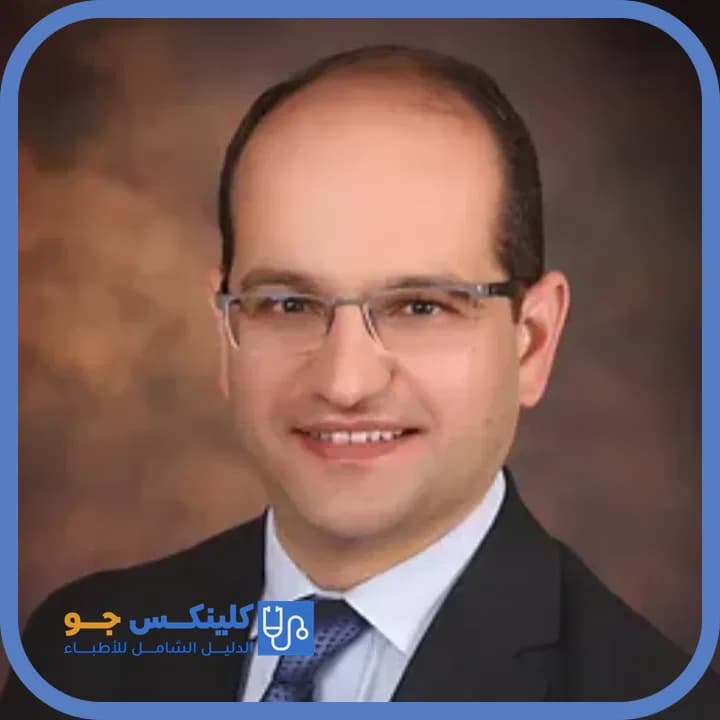
  1. 1Basel Al Aloul

    Dr. Basel Al Aloul is a consultant interventional cardiologist at Abdali Hospital Outpatient Clinics. He studied medicine and surgery at the Royal College of Surgeons in Ireland. He then completed an internal medicine residency and fellowships in cardiology and interventional cardiology at the University of Minnesota. His published services include diagnostic and interventional cardiac catheterisation, coronary artery and heart valve disease assessment, echocardiography, cardiac stress testing, cardiac CT imaging, heart failure follow-up and cardiovascular risk assessment. His profile lists nine insurers, including GlobeMed, MedNet, NatHealth and Arab Orient Insurance. Confirmed hours are Saturday to Thursday, 10:00–17:00.

    Suits: Coronary or valve concerns needing tests and catheterisation under one consultant

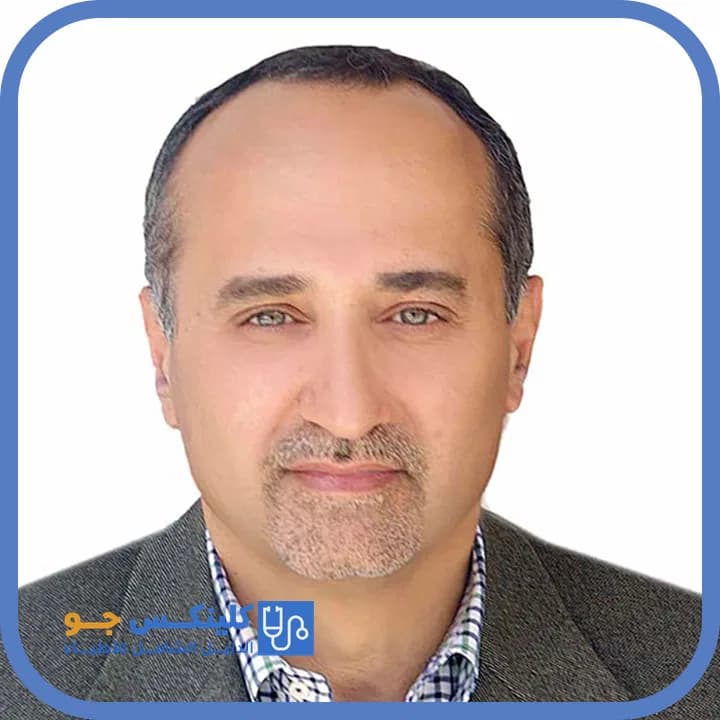
  2. 2Fadi Thabit Al-Qaisi

    Dr. Fadi Thabit Al-Qaisi is a cardiology and interventional cardiology consultant. He sees patients on the seventh floor of Abdali Hospital Outpatient Clinics. He completed an internal medicine residency and fellowships in cardiology and interventional cardiology at Henry Ford Hospital in the USA. His record lists American Board qualifications in internal medicine, cardiology and interventional cardiology. Published services include ECG, echocardiography, Holter monitoring and exercise stress testing. They also cover diagnostic and interventional catheterization, including the transradial approach, coronary stenting and transcatheter aortic valve replacement assessment, along with hypertension and cholesterol review. Seven insurers are listed. Confirmed hours are Saturday to Thursday, 10:00–17:00.

    Suits: Stenting, transradial catheterization or aortic valve assessment, six days weekly

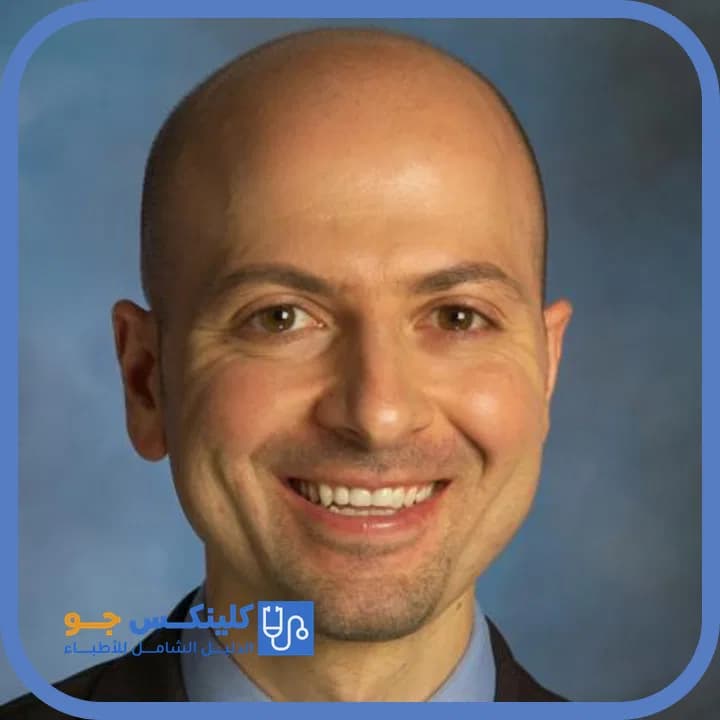
  3. 3Kais Al Balbissi

    Dr. Kais Al Balbissi practises adult cardiology and interventional catheterization from his own clinic on Abdali Boulevard. His profile states that the Jordanian Cardiologists Association lists him as chair of its adult cardiology scientific committee. Heart failure is among the clinic's stated areas of care. His published services also cover cardiology consultation, coronary disease assessment, interventional cardiac catheterization, chest pain treatment, and treatment of cardiomyopathy and chronic heart disease. Arab Orient Insurance is the listed insurer. Hours vary across the week: Saturday 10:00–16:00, Monday 15:00–18:00, Wednesday 16:00–18:00 and Thursday 15:00–17:00. Confirm your slot directly with the clinic.

    Suits: Heart failure or cardiomyopathy follow-up, including afternoon appointments

  4. 4Ramzi Tabbalat

    Dr Ramzi Tabbalat is a cardiology and interventional catheterization specialist at Abdali Hospital Outpatient Clinics. Vascular disease is also listed among his sub-specialties. His biography states that he trained in internal medicine, cardiology and interventional cardiology at Seton Hall University in the United States. It also states that he holds American board certifications in cardiovascular disease and internal medicine. His interests include catheter-based interventions and cardiac and coronary CT imaging. His published services are cardiology consultation, cardiac catheterization assessment, interventional catheterization and cardiac and coronary CT imaging. His profile advises bringing previous cardiac reports and a current medication list to support assessment.

    Suits: Weighing coronary CT imaging against catheterization; vascular concerns

  5. 5Haytham Allaham

    Dr Haytham Allaham is a consultant in interventional and structural cardiology at Abdali Hospital Outpatient Clinics. He focuses on coronary disease, heart-valve disorders and catheter-based cardiac treatment. He completed fellowships in cardiology, interventional cardiology and structural cardiology at the University of Maryland. He holds American board certifications in internal medicine, cardiovascular disease and interventional cardiology. His published services are coronary disease and catheter intervention, heart-valve disease assessment, transcatheter valve procedures and assessment of cardiac septal defects. His biography mentions complex coronary intervention and closure of selected cardiac defects, with suitability for any procedure assessed individually.

    Suits: Valve disease, transcatheter valve procedures or septal defect assessment

This shortlist covers 5 of the 5 matching doctors on ClinicsJo. Browse the full list and filter it.

How we chose this list

Every matching doctor profile in this area was scored out of 100 for how complete and checkable its published information is, and the highest scores appear here in order. Featured placement does not change a profile's score, and the score does not measure treatment quality or outcomes — it tells you how much you can check before you call.

  • Profile verified by the platform15
  • Approved reviews (number and average)20
  • Published years of experience (up to 25)15
  • Published qualifications10
  • Written professional biography8
  • Profile photo5
  • Published services8
  • Listed insurers7
  • Confirmed opening hours6
  • Published consultation fee3
  • Map location3

Ties are broken by the number of approved reviews, then published years of experience. Confirm the service, branch, appointment, fees and insurance coverage with the practice before visiting.

When do you need cardiac catheterization?

Cardiac catheterization is a procedure in which a thin, flexible tube is passed through a blood vessel, usually at the wrist or groin, up to the heart. It has two broad uses:

  • Diagnostic catheterization (coronary angiography): contrast dye is injected so the cardiologist can see whether the coronary arteries are narrowed or blocked, and can measure pressures inside the heart.
  • Interventional catheterization: narrowed arteries are opened, often with a balloon and a stent. Some valve problems and certain holes between heart chambers can also be treated through a catheter rather than open surgery.

Most people are not booked straight into the cath lab. A cardiology consultation and simpler tests usually come first. These may include an ECG, echocardiogram, stress test or cardiac CT. Catheterization is then considered when those results or your symptoms suggest it would help. Reasons to book a cardiology visit include:

  • chest discomfort, tightness or pressure that comes on with exertion and settles with rest
  • breathlessness that is new or getting worse, or swelling of the ankles
  • an abnormal ECG, stress test, echo or CT result
  • a known heart murmur or valve problem that a doctor has asked you to follow up
  • follow-up after a previous stent or heart attack
  • several risk factors together, such as diabetes, high blood pressure, high cholesterol, smoking or a strong family history

Warning signs that need emergency care

Call 911 immediately, and do not drive yourself, if you or someone with you has any of the following:

  • chest pain or pressure lasting more than a few minutes, especially if it spreads to the arm, jaw, neck or back
  • chest pain with sweating, nausea or shortness of breath
  • sudden severe breathlessness
  • fainting or collapse
  • a racing or irregular heartbeat with dizziness
  • signs of stroke, such as face drooping, arm weakness or slurred speech

A possible heart attack should never wait for a clinic appointment.

How to choose among the doctors here

All five doctors list cardiology with a cardiac catheterization sub-specialty. Their published focus differs, though, and that can help you shortlist.

  • Match the problem to the published services. For valve disease, two profiles mention transcatheter valve work: Dr. Al-Qaisi lists transcatheter aortic valve replacement assessment, and Dr. Allaham lists transcatheter valve procedures and septal defect assessment. Dr. Al Balbissi's profile highlights heart failure and cardiomyopathy. Dr. Tabbalat lists vascular disease and cardiac CT imaging. Dr. Al Aloul and Dr. Al-Qaisi list a wide range of non-invasive tests alongside catheterization.
  • Ask about the access route. Dr. Al-Qaisi's profile specifically lists transradial (wrist) catheterization. If you have a preference or a reason to avoid one route, ask any doctor how they decide.
  • Read the training in the record. Each profile that publishes qualifications names where its doctor trained. Treat this as background, not as a measure of outcomes.
  • Check practical fit. Hours, location and insurance often decide where you can actually be seen. Two profiles list confirmed six-day hours. One clinic has a varied schedule that includes afternoon slots.

Someone searching for the best cardiac catheterization specialists in Abdali is usually best served by a doctor whose services match their condition, who accepts their insurance and whom they can reach for follow-up. The order of this list does not reflect clinical quality.

What to expect at the first visit

The first appointment is usually a consultation, not a procedure. Expect a review of your symptoms, history, medicines and earlier test results, plus a physical examination. You may have an ECG or echocardiogram on the day if the clinic offers it.

What to bring

  • previous ECGs, echo reports, stress test results and any CT or angiography reports, including discs or images if you have them
  • a full list of your current medicines, especially blood thinners, antiplatelet drugs and diabetes medicines
  • any known allergies, particularly to contrast dye, iodine or medicines
  • recent blood tests, especially kidney function, blood count and blood sugar
  • discharge summaries from any earlier hospital stay or stent procedure

Do not stop or change any medicine before a visit or a procedure unless your doctor tells you to.

Questions worth asking

  • Do I need catheterization, or would a non-invasive test answer the question first?
  • If a narrowing is found, might it be treated during the same procedure?
  • Which access route would you use, and why?
  • What are the main risks in my case, and how is kidney function protected when contrast is used?
  • Will I stay overnight, and when can I drive, work or travel?
  • Who do I contact about problems after the procedure?

Insurance, fees and booking: what to ask before the appointment

Insurance lists vary between profiles. Dr. Al Aloul's profile lists nine insurers, Dr. Al-Qaisi's lists seven, and Dr. Al Balbissi's lists Arab Orient Insurance. Insurer lists can change, so always confirm with both the clinic and your insurer before the visit.

Before booking, ask:

  • whether your specific policy is accepted for the consultation, and separately for any procedure
  • whether your insurer needs a referral or pre-approval before catheterization, stenting or valve procedures
  • the consultation fee, and whether an ECG or echo on the day is charged separately
  • what a procedure estimate includes, such as the hospital stay, devices like stents, and follow-up visits
  • how far ahead appointments are booked, and whether earlier slots open up

Keep written copies of any approvals and estimates.

Getting there

Abdali lies in central Amman, next to Shmeisani. That makes it reachable from most parts of the capital, including the 7th Circle, Abdoun, Sweifieh, the Gardens, Khalda, Tla' Al-Ali, Dabouq and Jubeiha. Traffic around the district can be heavy at peak times, so allow extra time and arrive early for registration.

Four of the doctors see patients at the same hospital outpatient clinics. Dr. Al-Qaisi's profile notes that he is on the seventh floor. Dr. Al Balbissi's clinic is on Abdali Boulevard. Ask the clinic about parking and the nearest entrance when you book.

If you are booked for a procedure, arrange for someone to drive you home afterwards.

For emergencies, do not travel to a clinic. Call 911.

Checklist before you book

  • Match your condition, whether coronary, valve, heart failure or structural, to the doctor's published services
  • Confirm the doctor's current hours and location with the clinic
  • Check that your insurance policy is accepted, and whether pre-approval is needed
  • Ask for the consultation fee and what it covers
  • Gather previous cardiac reports, images and recent blood tests
  • Write down your medicine list, including blood thinners and diabetes medicines
  • Note any allergies, especially to contrast dye
  • Prepare your questions about risks, alternatives and recovery
  • Arrange a companion or driver if a procedure might follow
  • Know the warning signs that mean calling 911 instead of waiting

Frequently asked questions

How was this list of cardiac catheterization specialists in Abdali chosen?
The list includes all five profiles on ClinicsJo with a cardiac catheterization sub-specialty in Abdali. They are ordered by a 100-point profile-completeness score. The score counts published qualifications, biography, services, insurers, confirmed hours, photo, map location and similar items. Featured profiles, if any, appear first with a badge. The order shows how complete and checkable each profile is. It does not measure skill, treatment quality or outcomes.
What is the difference between diagnostic and interventional catheterization?
Diagnostic catheterization, often called coronary angiography, uses contrast dye and X-ray imaging to show whether the heart arteries are narrowed and to measure pressures in the heart. Interventional catheterization goes a step further and treats a problem during the procedure. For example, a narrowed artery can be opened with a balloon and stent. Sometimes both happen in one session, depending on what the cardiologist finds and what was discussed beforehand.
Do I need a referral to see a catheterization specialist in Abdali?
You can usually book a cardiology consultation directly, and the doctor will decide whether catheterization is needed. Some insurance policies require a referral from a general practitioner, or pre-approval before an interventional procedure. Check your policy terms and ask the clinic when you book. Bring any earlier ECGs, echo or stress test reports so the cardiologist can see what has already been done.
Which of these doctors list transcatheter valve work?
Two profiles mention transcatheter valve work. Dr. Fadi Thabit Al-Qaisi lists transcatheter aortic valve replacement assessment. Dr. Haytham Allaham lists transcatheter valve procedures and assessment of cardiac septal defects, and his biography describes structural cardiology training. Dr. Basel Al Aloul lists heart valve disease assessment. Whether any valve procedure suits you depends on an individual assessment and discussion with your cardiologist.
Which insurance companies do these Abdali cardiologists accept?
Dr. Basel Al Aloul's profile lists nine insurers, including GlobeMed, MedNet, NatHealth, Newton Insurance and Arab Orient Insurance. Dr. Fadi Thabit Al-Qaisi's lists seven, including GlobeMed, MedNet and Euro Arab Insurance Group. Dr. Kais Al Balbissi's lists Arab Orient Insurance. Coverage can change, and procedures often need separate approval. Confirm your exact policy with the clinic and your insurer before booking.
What should I bring to a first cardiology consultation?
Bring previous cardiac reports, such as ECGs, echocardiograms, stress tests, CT scans and any angiography reports or discs. Add a full list of current medicines, especially blood thinners and diabetes medicines. Note any allergies, particularly to contrast dye, and bring recent blood tests such as kidney function. Discharge summaries from earlier hospital stays are also useful. Do not stop any medicine before a visit unless your doctor advises it.
When is chest pain an emergency rather than a reason to book a clinic visit?
Call 911 straight away if chest pain or pressure lasts more than a few minutes, spreads to the arm, jaw, neck or back, or comes with sweating, nausea, breathlessness or fainting. Do not drive yourself and do not wait for a clinic appointment. Chest discomfort that comes on only with exertion and settles quickly with rest still needs a prompt cardiology review.

This page helps you compare published profiles; it is not medical advice and does not rank clinical skill. In an emergency call 911 or go to the nearest emergency department.