A cochlear implant is an electronic medical device whose internal part is placed under the skin behind the ear with a slim electrode array threaded into the cochlea, while the external sound processor is worn on the ear or head. The device converts sound into electrical pulses that stimulate the hearing nerve directly, so it **does not amplify sound the way a hearing aid does**; it bypasses the damaged hair cells inside the cochlea.
It is considered for severe to profound sensorineural hearing loss in both ears when well-fitted hearing aids no longer provide enough benefit. The decision is never made alone: a team of audiologist, ENT surgeon and speech-language therapist is involved, with detailed audiometry, imaging of the inner ear and nerve, and an honest assessment of expectations and of the family's ability to commit to rehabilitation. In children, earlier implantation is generally preferred because the window for hearing and language development is age sensitive.
What the implant does not do must be equally clear. It **does not restore normal hearing**: sound is perceived differently at first and the brain needs time and training to interpret it. It cannot help when the hearing nerve is absent or severed. It does not work without the external processor, which is put on each morning and removed at night. It is not used in water unless waterproof accessories are fitted. And it does not replace auditory and speech therapy — surgery is only half the journey. Outcomes vary between individuals according to age at implantation, duration of deafness, residual hearing and previously acquired language.
Activation does not happen on the day of surgery. The wound is usually allowed two to four weeks to heal, then the external processor is connected and programmed over several sessions in which stimulation levels are adjusted gradually. A structured listening-training programme follows, and in children it may continue for months to years with the family and the school involved.
1 specialists
Procedure steps
1
Comprehensive assessment and candidacy
Full audiometry and objective hearing tests are performed, along with a structured hearing-aid trial, imaging of the inner ear and auditory nerve, and assessment of speech, language and general health. Realistic expectations are discussed with the patient or family and a rehabilitation plan is agreed before surgery.
2
Anaesthesia and access behind the ear
The operation is done under general anaesthesia. An incision is made behind the ear within the hairline, then a path is drilled through the mastoid bone to reach the middle ear, with the nearby facial nerve monitored and protected throughout.
3
Inserting the electrode into the cochlea
A fine opening into the cochlea is created and the electrode array is inserted gently using a technique that preserves the remaining internal structures. Precision at this step protects any residual hearing and improves the quality of stimulation later.
4
Securing the receiver and measurements
The magnetic receiver is fixed in a pocket under the skin on the bone behind the ear, then intra-operative electrical measurements confirm that the electrodes function and that the auditory nerve responds before closure.
5
Closure, then activation and programming
The wound is closed in layers and dressed, and the patient usually stays one night. Once healing is complete — typically two to four weeks — the sound processor is connected and programmed in stages, and structured auditory and speech rehabilitation begins with regular follow-up sessions.
Before the procedure
Complete every part of the team assessment before the date — audiometry, objective tests, imaging and the speech-language report — and bring the results with you. Tell the surgeon about all your medicines and supplements, any blood thinners, drug allergies, dizziness, seizures or chronic illnesses, and stop nothing on your own. Ask your doctor about the vaccinations recommended before implantation, including pneumococcal vaccination, which is a routine part of preparation for many patients. Follow the anaesthetist's fasting instructions and wash your hair the day before. Discuss your expectations honestly, along with your ability to attend programming and rehabilitation sessions and to travel to them; for a child, arrange a support plan with the school in advance. Plan for an overnight stay and for a companion to remain with you.
After the procedure
Care for the wound as instructed, keep it clean and dry, do not sleep on the implanted side, avoid pressure on the area and do not scratch it. Mild swelling, discomfort, clicking or tinnitus, a temporary change in taste and brief dizziness are expected in the first days. Avoid strenuous exercise, swimming and heavy lifting until your surgeon allows them, keep away from strong magnetic fields, and tell any doctor or imaging centre that you have an implant before any scan. Most important afterwards is attending activation, programming and auditory rehabilitation sessions — without them the device cannot deliver its benefit. Keep the external processor dry and clean and use the dedicated waterproof accessories when needed. **Seek care immediately for: increasing swelling, redness, warmth or discharge from the wound, high fever, severe headache with neck stiffness or vomiting, facial weakness, severe persistent vertigo, or sudden failure of the device.**
Expected duration
Usually 1.5 to 3 hours per ear, normally with one overnight stay, and activation several weeks later.
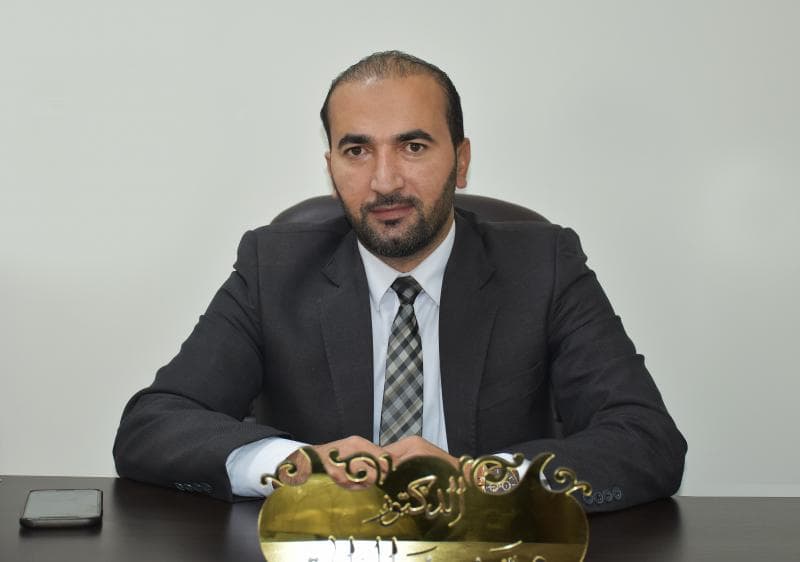
Dr Mohammad Al-Khatatba practices ent (ear, nose & throat) in Amman. Qualifications include Medical degree — University of Jordan; Jordanian Board in ENT; Arab …
Which doctors are listed for Cochlear implant in Jordan?
There are currently 1 doctor profiles linked to Cochlear implant on ClinicsJo. Review the listed services and contact the practice to confirm availability with the doctor and branch you choose.
How can I find an appointment for Cochlear implant?
Start with an available doctor's profile and use the contact or booking options shown there. Confirm the service, practice location and appointment time with the clinic. If this list is empty, broaden your search using the directory links on this page.
What does Cochlear implant cost in Jordan?
Ask the practice for the current price and what it includes. A consultation fee shown on a profile is not necessarily the price of a procedure, tests or follow-up. Confirm any additional charges and insurance arrangements before your visit.