Chronic sinusitis, more accurately chronic rhinosinusitis, is persistent inflammation of the lining of the nose and sinuses lasting twelve weeks or more. Diagnosis requires ongoing symptoms together with an objective finding seen on nasal endoscopy or on a CT scan. There are four cardinal symptoms: nasal obstruction, anterior or posterior discharge, facial pressure or pain, and reduced or absent sense of smell. Symptoms alone, without an objective finding, are not sufficient to make the diagnosis.
Treatment always begins with structured medical therapy rather than surgery: regular saline nasal irrigation, a topical intranasal steroid spray used for an adequate period determined by the clinician, and management of contributing factors, which matter a great deal. These include allergic rhinitis, asthma, cigarette and waterpipe smoking, gastro-oesophageal reflux, infected roots of the upper molars, a severely deviated septum and immune disorders. Antibiotics are reserved for evidence of bacterial infection or an acute exacerbation, at the clinician's decision, and are not a long-term treatment.
Functional endoscopic sinus surgery is an option for patients who have not improved after adequate, properly adhered-to medical treatment. Correctly understood, it widens the natural drainage pathways and removes diseased tissue to open a route for ventilation and for topical medication; it is not removal of the sinus, nor a definitive one-off cleaning. This is why saline irrigation and sprays continue afterwards: surgery makes topical treatment more effective rather than replacing it.
The limits should be stated plainly: sinus surgery does not cure allergy or asthma, it does not prevent colds, it does not guarantee that nasal polyps will not return in patients with severe inflammation, and the sense of smell may not fully recover if it has been lost for a long time. Headache is also not always sinus-related; much facial heaviness is due to migraine or tension-type headache and will not improve with surgery. A CT scan is likewise not indicated for every cold or headache, but according to clinical criteria.
A widespread myth needs correcting: there is no procedure that permanently cleans or suctions out the sinuses in a single session. Saline irrigation is useful and safe but is not a substitute for assessment. Decongestant sprays that open the nose immediately cause rebound congestion and worse obstruction if used for more than a few days. Suitability for any treatment or surgery is determined by clinical examination and nasal endoscopy, not by reading about it.
1 specialists
Procedure steps
1
Clinical assessment and nasal endoscopy
Symptoms and their duration are documented, then the nose is examined with a flexible or rigid endoscope to see discharge, mucosal swelling, polyps, the drainage openings, the septum and the turbinates. This examination is what converts a complaint into a diagnosis.
2
Identifying contributing factors
Allergy, asthma, reflux, smoking, upper dental disease and immune deficiency are sought, because ignoring them makes any treatment temporary. Allergy testing or appropriate blood tests may be requested according to the individual case.
3
Structured medical therapy
Regular saline irrigation is started together with a correctly administered topical spray for an adequate period, plus allergy treatment where relevant. Correct spray technique is demonstrated, since poor technique is a common reason treatment appears to fail.
4
Reassessment and imaging if required
The patient is reassessed after the agreed treatment period. If symptoms persist alongside objective findings, a CT scan is obtained to assess the extent of disease and to provide the anatomical map used for surgical planning.
5
Endoscopic surgery and ongoing care
Where indicated, endoscopic surgery widens the drainage pathways and removes diseased tissue; irrigation, topical spray and endoscopic follow-up then continue, because surgery opens the route for treatment rather than ending the chronic inflammation.
Before the procedure
Before the visit, note how many weeks your symptoms have lasted and which troubles you most: obstruction, discharge, facial pressure or loss of smell. Bring a list of everything you have actually used, including sprays, tablets and antibiotics, and for how long, together with any previous CT scan or report. Tell the doctor if you have asthma, aspirin sensitivity or seasonal allergy, whether you smoke cigarettes or a waterpipe, whether you have reflux, upper molar problems or reduced immunity, and whether you take a blood thinner. Nasal endoscopy requires no fasting; a topical anaesthetic spray is used and the sensation is only briefly uncomfortable. If you have been using a decongestant spray for weeks, say so explicitly, as it changes the treatment plan.
After the procedure
Stick to the saline rinses and the spray for the full period prescribed; improvement in this condition is gradual and appears over weeks rather than days, and stopping early is the commonest reason symptoms return. Aim the spray slightly outwards, away from the septum, to reduce irritation and nosebleeds. After endoscopic surgery, follow the frequent saline irrigation regimen you were shown, and avoid forceful nose blowing, bending, heavy lifting and swimming for the period your surgeon specifies; expect blockage, lightly blood-stained discharge and crusting for around two weeks. Seek urgent care for heavy nosebleeding that will not stop, high fever with severe headache or neck stiffness, swelling or redness around the eye, double vision or reduced vision, facial numbness, a persistent clear watery drip from the nose, or increasing pain after an initial improvement.
Expected duration
An assessment visit with endoscopy usually takes 20 to 40 minutes, medical therapy runs over weeks, and endoscopic surgery, when needed, typically takes one to two hours.
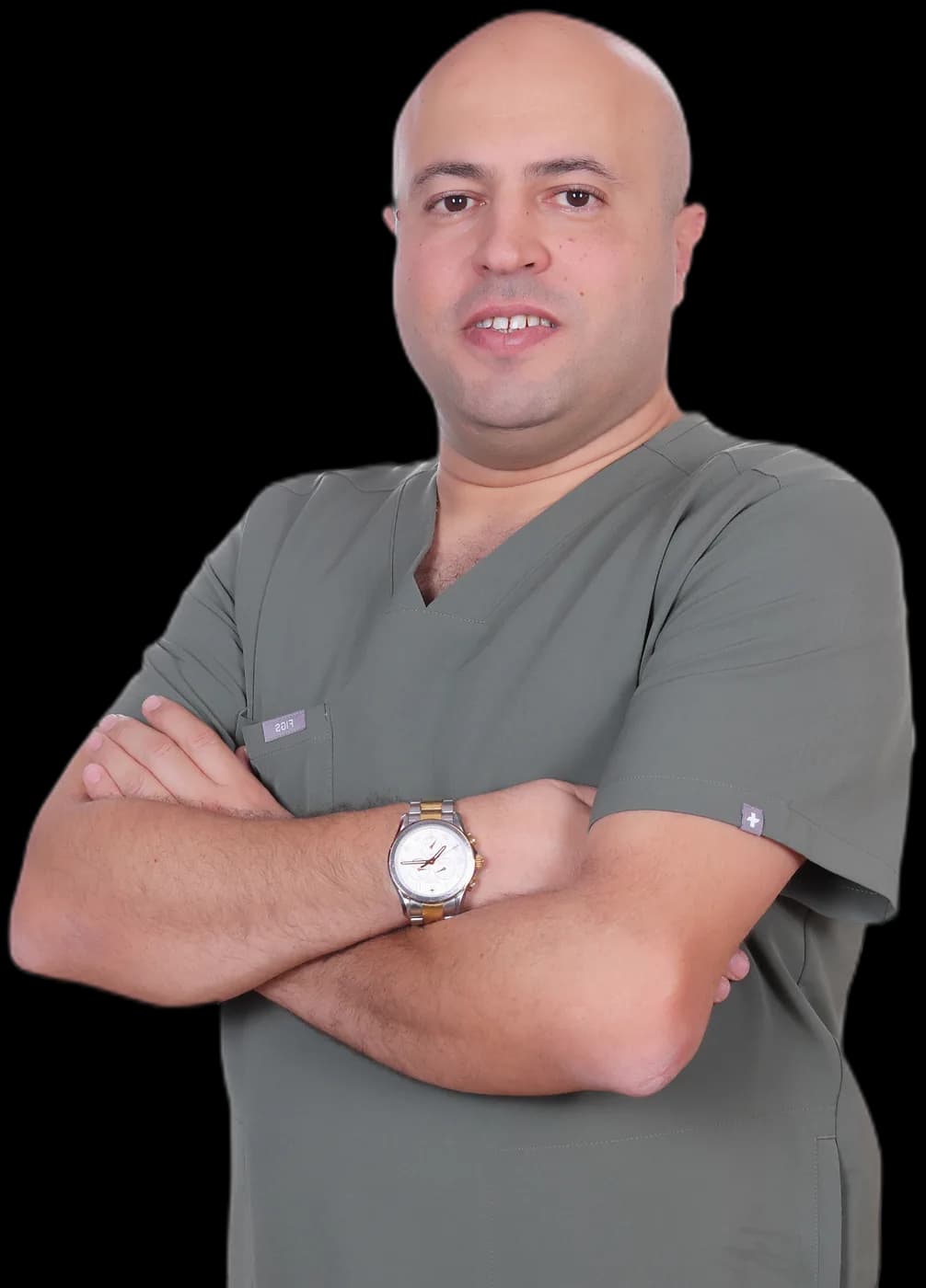
Dr. Marwan Ibrahim Al Halalmeh is an ENT specialist with Jordanian Board certification and higher specialty training. Following work at the Royal Medical Servic…
Finding Chronic sinusitis treatment services in Jordan
Which doctors are listed for Chronic sinusitis treatment in Jordan?
There are currently 1 doctor profiles linked to Chronic sinusitis treatment on ClinicsJo. Review the listed services and contact the practice to confirm availability with the doctor and branch you choose.
How can I find an appointment for Chronic sinusitis treatment?
Start with an available doctor's profile and use the contact or booking options shown there. Confirm the service, practice location and appointment time with the clinic. If this list is empty, broaden your search using the directory links on this page.
What does Chronic sinusitis treatment cost in Jordan?
Ask the practice for the current price and what it includes. A consultation fee shown on a profile is not necessarily the price of a procedure, tests or follow-up. Confirm any additional charges and insurance arrangements before your visit.
Explore related ENT (Ear, Nose & Throat) doctor directories