Istiklal Hospital Outpatient Clinics
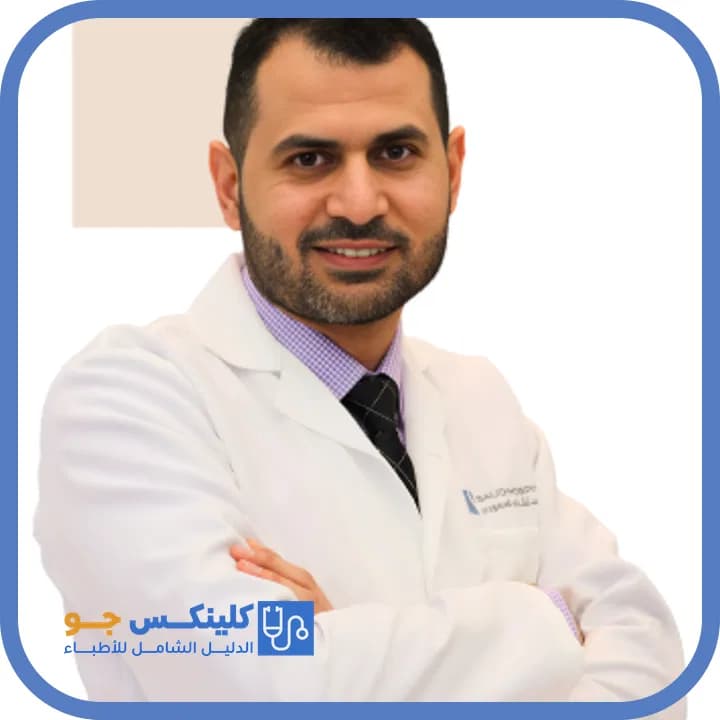
Dr Safwan Al-Bakour is a consultant in orthopaedic, joint and spine surgery with consulting rooms on the third floor of Istiklal Hospital’s outpatient facility.…
Sign in to the platform to view the phone number
Trusted medical platform in Jordan
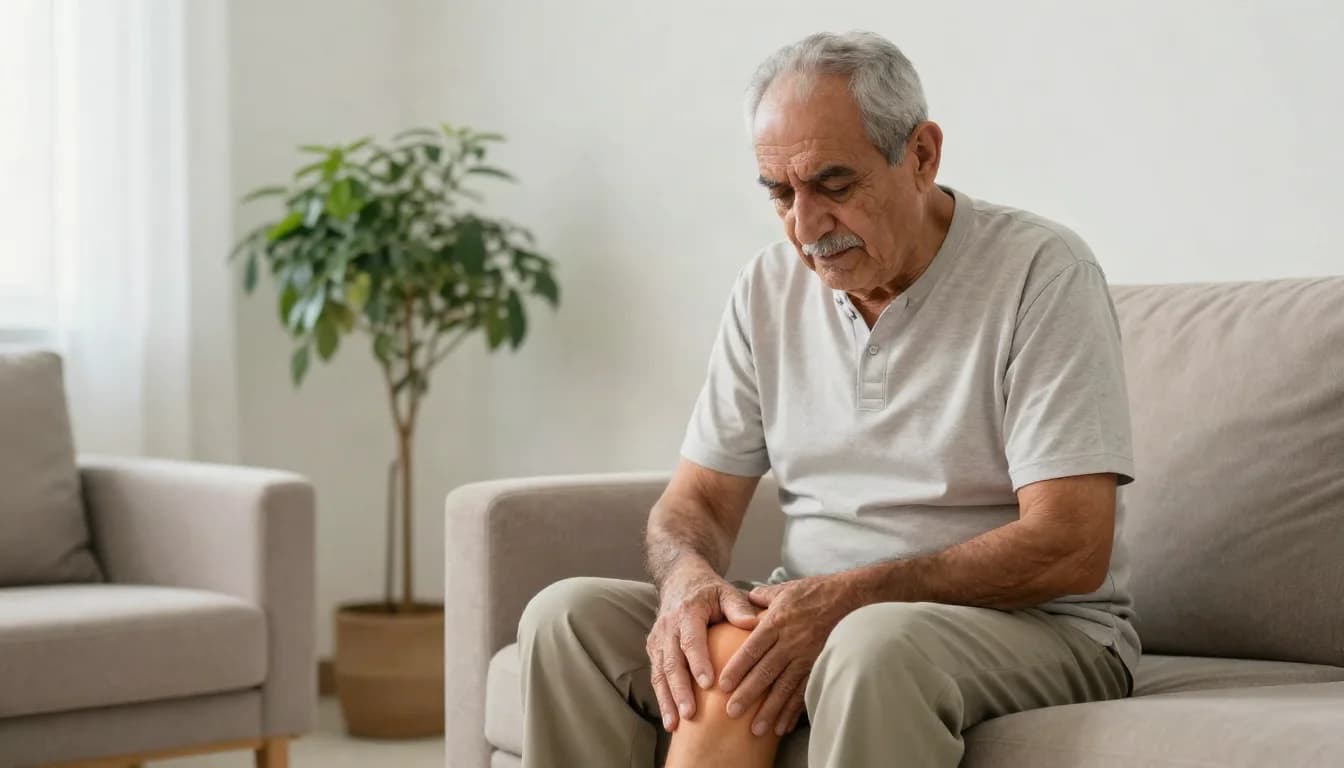
Hip arthroscopy is keyhole surgery in which a slim scope and fine instruments are passed through small incisions into the hip joint so the surgeon can inspect it from the inside and treat what is found without a large open exposure. An X-ray image intensifier is normally used during the procedure to guide instrument placement safely.
The conditions treated most often are a torn acetabular labrum, the ring of cartilage around the socket that acts as a seal and improves joint stability; femoroacetabular impingement, where extra bone on the femoral neck or over-coverage at the socket rim causes the joint to collide during flexion and rotation; loose bodies inside the joint; and inflamed synovium or other painful tissue that needs debridement.
Typical symptoms are pain in the front of the hip or the groin that worsens with prolonged sitting, driving, bending and putting on socks, sometimes with clicking, catching or an inability to complete a particular movement. Because many other conditions mimic hip pain, other sources must be excluded first: the lumbar spine, tendon problems on the outer hip, pubic joint pain, sports hernia and gynaecological pelvic pain.
The limits of the procedure need to be stated plainly. It does not fix advanced hip arthritis: when the joint space is narrowed and the cartilage worn, arthroscopy rarely helps and the discussion becomes one about hip replacement. It does not treat pain arising outside the joint, it does not correct a bony deformity that requires larger reconstructive surgery, and it never replaces a rehabilitation programme lasting months to restore hip muscle strength and normal gait.
Candidacy is decided by clinical examination of hip motion and impingement tests together with imaging, and may be supported by a diagnostic local anaesthetic injection into the joint: temporary relief after that injection makes an intra-articular source of pain much more likely.
Hip range of motion and impingement testing, plain films to assess bone shape and joint space, MRI to evaluate the labrum, and sometimes a diagnostic intra-articular injection to confirm the source of pain.
General or spinal anaesthesia, then positioning on a table that allows gentle, measured traction of the leg to open the joint space, with a padded post to protect the groin and nerves from pressure.
A needle and then working cannulas are introduced through two or three portals under fluoroscopic guidance, and the camera is passed in to inspect the articular cartilage, labrum and ligamentum teres and document the findings.
The labrum is repaired with small anchors, or its edge is debrided when repair is not feasible; bone is reshaped at the femoral neck or socket rim to restore clearance; and loose bodies and inflamed tissue are removed.
Traction is released and the portals are closed, then a staged programme begins: crutches for a period, a protected range of motion avoiding deep flexion and rotation, and graded strengthening of hip and core muscles.
Tell your doctor about all your medicines, especially blood thinners, and do not stop any prescribed medicine on your own. Mention diabetes, heart disease, drug allergies and any previous hip surgery or injection. Follow the fasting instructions given before anaesthesia and ask which pre-procedure tests you need. Stop smoking if you can, as it slows healing. Obtain crutches before your appointment and practise using them, and arrange a raised toilet seat and, if you are told to use one, a pillow that keeps your legs from rotating while you sleep. Remove loose rugs from your walking routes at home. Arrange transport both ways and help for the first few days, do not drive yourself, and before discharge ask how much weight you may put through the leg and when physiotherapy starts.
Use your crutches and load the leg only as much as you are allowed, elevate it to rest and apply ice in intervals during the first days. Move the joint only within the permitted range and avoid prolonged sitting, deep flexion, rotation and squatting until you are cleared. If a medicine to prevent blood clots is prescribed, take it exactly as directed, and keep the portals clean and dry as instructed. Attend physiotherapy consistently: restoring hip strength and a normal walking pattern takes months rather than weeks, and some groin tightness may persist for a while. Mild temporary numbness from traction is common and settles quickly. Seek care immediately for fever or chills, redness or discharge from the portals, numbness that persists or worsens after the first day, sudden inability to bear weight, calf pain and swelling or breathlessness, or inability to pass urine.
Usually 60 to 150 minutes, with discharge on the same day or after one night in most cases.
Dr Safwan Al-Bakour is a consultant in orthopaedic, joint and spine surgery with consulting rooms on the third floor of Istiklal Hospital’s outpatient facility.…
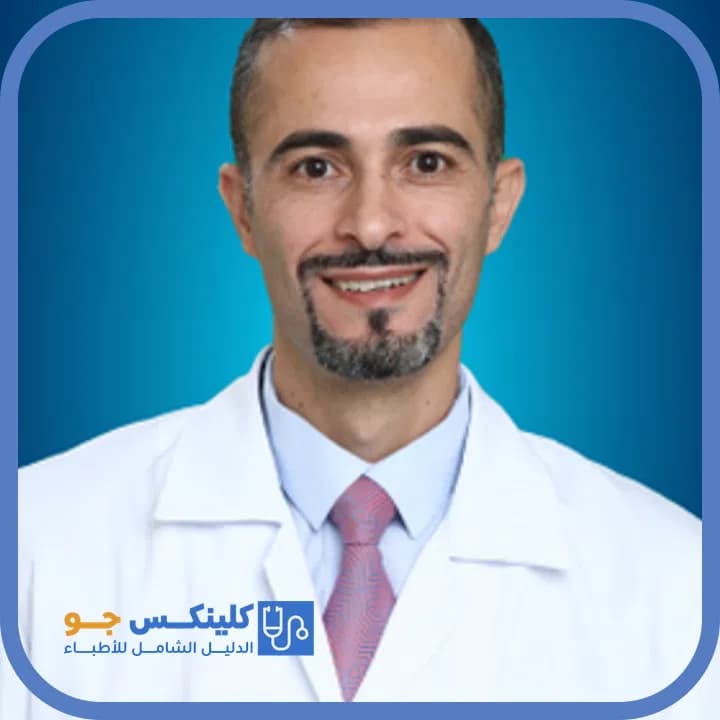
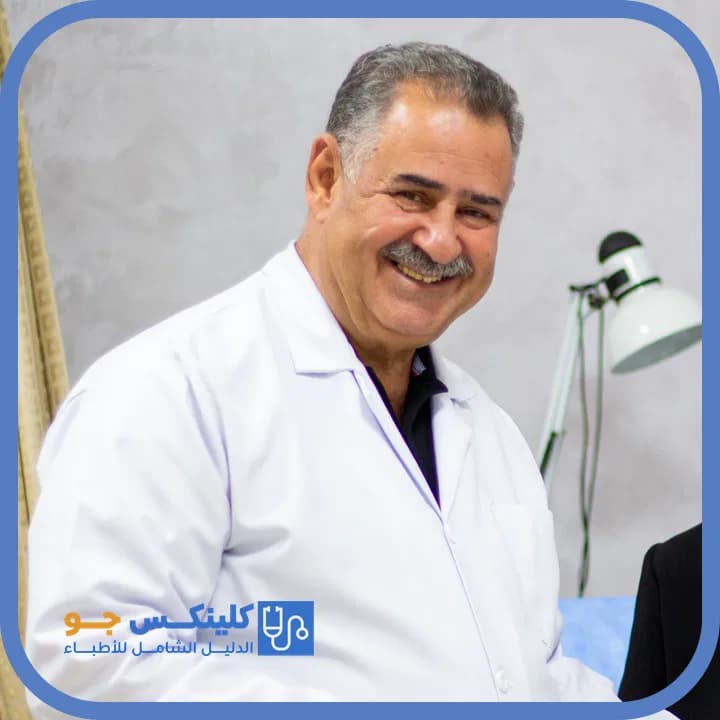
Dr Rami Yaghi is an orthopedic, joint and spine surgery specialist at Saudi Hospital in Amman. He earned his medical degree and master’s degree from the Univers…
Dr Mohammed Omar Tabaza is an orthopedic, joint and fracture specialist with a focus on hip and knee replacement. He studied medicine at Al-Mustansiriya Univers…
Dr Hamdi Al Neqresh is a consultant orthopaedic and joint surgeon at Ibn Al-Haytham Hospital clinics in Amman. His experience includes Ilizarov surgery for frac…
Dr. Wael Al Haddad is a consultant orthopedic surgeon with Jordanian and Arab Board certification and advanced training at McMaster University in Canada. His wo…
Suhaib Al Moseley specialises in orthopaedics, joints and sports injuries, with the Jordanian board qualification and fracture/trauma fellowship training at the…
Dr Mohammad Samreen is an orthopaedic and fracture surgery consultant in Zarqa. He graduated in medicine from the University of Jordan, trained in orthopaedics …
Dr Mazen Kurdieh practices orthopedics in Amman. Qualifications include Jordanian Board in Orthopaedic Surgery; Jordanian Board in General Surgery; German Fello…
Ahmad Othman Al Qasem practices orthopedic and joint surgery at Al-Husseini complex opposite Specialty Hospital in Amman. Advertised fields include shoulder, kn…
There are currently 9 doctor profiles linked to Hip Arthroscopy on ClinicsJo. Review the listed services and contact the practice to confirm availability with the doctor and branch you choose.
Start with an available doctor's profile and use the contact or booking options shown there. Confirm the service, practice location and appointment time with the clinic. If this list is empty, broaden your search using the directory links on this page.
Ask the practice for the current price and what it includes. A consultation fee shown on a profile is not necessarily the price of a procedure, tests or follow-up. Confirm any additional charges and insurance arrangements before your visit.
No clinic on ClinicsJo has published a price for Hip Arthroscopy yet, so we do not quote an estimated figure. What is published is the consultation fee: 20–34 JOD (profiles: 24). The doctor sets the treatment price after assessing your case.
Other doctor profiles with a published fee: 19.
Expected duration (from the procedure guide): Usually 60 to 150 minutes, with discharge on the same day or after one night in most cases.
Before booking, ask the clinic for the all-inclusive price and what it covers, any extra tests or scans, how many follow-up visits are included, the payment options, and whether your insurance is accepted. You can reach them through the contact details on the doctor and clinic profiles on this page.
The figures above were published by the clinics and doctors themselves on ClinicsJo and may change. We do not estimate prices. Confirm the all-inclusive price with the clinic before booking. Offers on ClinicsJo