A pacemaker is a small device implanted under the skin below the collarbone and connected to the heart by one or two leads that run through a vein. It watches the rhythm continuously and delivers a gentle electrical impulse only when the heart slows too much or pauses. Implantation is considered for a slow pulse with symptoms such as dizziness and fatigue, for advanced electrical block, for pauses that cause fainting, or when a medicine you cannot do without inevitably slows the pulse.
Its limits must be stated clearly. The device stops the heart from going too slow. It does not prevent fast rhythms, and it does not deliver life-saving shocks — that is the job of an implanted defibrillator, which is a different device. It does not open a blocked artery, does not cure heart failure, and does not remove the need for medication or follow-up. The battery has a finite life measured in years and is normally replaced by changing the generator alone rather than the leads, and leadless devices placed inside the ventricle exist for selected cases.
Anyone with a pacemaker must tell every doctor and every dentist before any procedure, because electrosurgery, some nerve-stimulation devices, physiotherapy equipment and stone lithotripsy can interfere with the device and need advance arrangements or temporary reprogramming. Always ask about magnetic resonance imaging: many modern devices are permitted to be scanned under conditions, but this requires knowing the device and lead model, a specific protocol and monitoring during the scan, so never assume either that it is allowed or that it is forbidden, and always carry your device card.
In daily life the device does not prevent you from using a mobile phone or ordinary household appliances, though it is better to carry the phone on the opposite side. Avoid strong magnets and electric welding equipment, do not linger beside security gates, and tell airport security staff and show your card rather than passing through repeatedly. The choice of device type and number of leads is determined by clinical examination, the ECG, extended rhythm monitoring and heart muscle function, not by reading.
1 specialists
Procedure steps
1
Confirming the device is needed
The link between symptoms and a slow pulse is documented with an ECG and extended monitoring over days or weeks, medicines that slow the heart are reviewed, and a treatable cause is looked for. A device is not implanted on symptoms without electrical documentation, and it is not delayed when fainting is recurrent and the cause is established.
2
Preparation and local anaesthesia
Blood tests, kidney function and the blood-thinner plan are reviewed, a preventive antibiotic is given before the incision, and the skin below the collarbone is cleaned. The site is anaesthetised locally with light sedation, and you usually remain awake and able to communicate with the team.
3
Introducing and fixing the leads
One or two leads are introduced through a vein under the collarbone and guided into the atrium or ventricle under X-ray, then fixed in place and tested electrically in more than one position to confirm they are stable. This stage determines how well the device will work for years.
4
Placing and calibrating the generator
A small pocket is created under the skin, the generator is placed in it and connected to the leads, then thresholds and rates are programmed to suit your condition, age and activity. The wound is closed in layers, a dressing is applied, and a chest X-ray confirms lead position and that the lung is intact.
5
Programming and regular follow-up
Device programming is checked in clinic after a few weeks and then periodically, its stored records are read, and battery status is estimated so replacement can be planned before it runs out. You are given a device card listing the model and lead numbers, and remote follow-up is available in some centres.
Before the procedure
Bring a written list of all your medicines, and tell your doctor about blood thinners, anticoagulants, antiplatelet drugs and diabetes medication; never stop or adjust anything yourself. Report any current infection anywhere in the body, any fever or inflamed wound, because implantation is postponed until infection has cleared. Mention allergy to antibiotics, dressings or metals, any previous surgery on the chest or collarbone, any past clot in an arm vein, and any kidney disease. Ask the team which side the device will be implanted on, so you can plan how you sleep and dress. Follow the stated fasting period, shower on the morning of the appointment, and arrange for someone to drive you and stay with you rather than driving yourself.
After the procedure
Keep the dressing clean and dry, attend the wound-check appointment, and do not wet the site until your doctor allows it. Do not raise the arm on the device side above shoulder level or carry anything heavy with it during the first weeks while the leads settle, but move the arm gently to prevent a stiff shoulder. Carry your device card at all times, tell every doctor and dentist about it before any procedure, and ask about magnetic resonance imaging before booking a scan rather than after. Do not miss programming and battery-check appointments. **Seek care immediately — or call an ambulance — for sudden fainting with no warning or severe dizziness, a very fast pulse that will not settle, chest pain or new breathlessness, persistent hiccups or twitching of the muscle over the device which may mean a lead has moved, redness with pus and fever at the device pocket or the device pressing through the skin, or swelling with severe pain in the arm.**
Expected duration
Usually 45 minutes to two hours under local anaesthesia with sedation, followed by monitoring, a chest X-ray and most often one night in hospital, with a wound-check and programming visit within a few weeks.
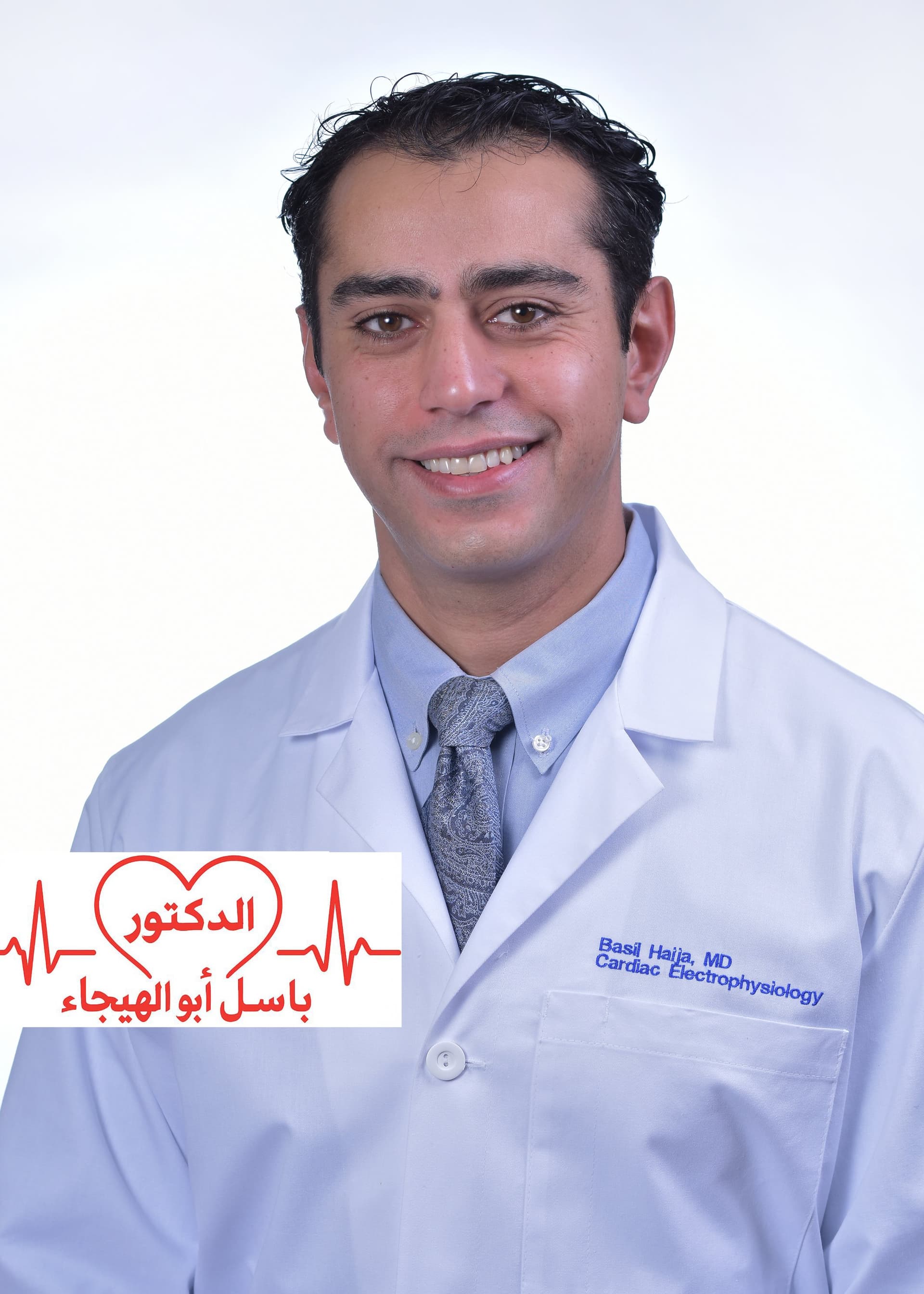
Dr. Basil Abu-El-Haija is a consultant cardiologist and cardiac electrophysiologist focused on arrhythmias and cardiac rhythm devices. After graduating from the…
Which doctors are listed for Pacemaker Surgery in Jordan?
There are currently 1 doctor profiles linked to Pacemaker Surgery on ClinicsJo. Review the listed services and contact the practice to confirm availability with the doctor and branch you choose.
How can I find an appointment for Pacemaker Surgery?
Start with an available doctor's profile and use the contact or booking options shown there. Confirm the service, practice location and appointment time with the clinic. If this list is empty, broaden your search using the directory links on this page.
What does Pacemaker Surgery cost in Jordan?
Ask the practice for the current price and what it includes. A consultation fee shown on a profile is not necessarily the price of a procedure, tests or follow-up. Confirm any additional charges and insurance arrangements before your visit.
Explore related Cardiac Electrophysiology doctor directories