Heart Stress Test Doctors in Jordan — A doctor discussing heart tests in an equipped clinic — directory of the best Heart Stress Test doctors in Jordan
Treatment·Cardiology

Heart Stress Test Doctors in Jordan

فحص جهد القلب

A cardiac stress test is a continuous recording of the ECG, pulse and blood pressure during graded physical exertion on a treadmill or a stationary bike. The idea is simple and important: many coronary artery problems do not reveal themselves at rest and appear only when the muscle demands more blood, so the heart is watched under load rather than at ease.

The test is requested for chest pain, breathlessness or chest pressure that comes on with exertion and eases with rest; to assess exercise capacity after a heart attack or a coronary intervention; to evaluate certain rhythm disturbances provoked by effort; to see how blood pressure responds to exercise; and to build a safe cardiac rehabilitation plan. Suitability is decided by clinical assessment, because the test has genuine contraindications.

If you cannot walk far enough, or if your baseline ECG is difficult to interpret, alternatives are offered: stress echocardiography, nuclear perfusion imaging, a pharmacological stress agent instead of walking, or CT coronary imaging. Choosing the right test is a clinical decision, not a matter of personal preference.

During the test, ECG electrodes are attached and a blood pressure cuff is fitted. Walking starts slowly, and the speed and incline increase in stages every few minutes. You are asked to continue as long as you safely can, and to report immediately any chest pain, dizziness, breathlessness or leg pain. The test is stopped when the target is reached or when symptoms, ECG changes or blood pressure changes appear, and you are then monitored during a cool-down phase until your pulse and trace return close to baseline.

The limits should be stated frankly. A normal stress test does not completely exclude coronary artery disease, and an abnormal one does not necessarily mean a blockage: the result is a probability read together with your symptoms and risk factors, and it may need another test to confirm it. The test does not show the shape of the arteries, the site of a narrowing or its severity — that is the role of coronary imaging — nor does it assess valves and pumping function, which is the role of echocardiography, and it does not measure cholesterol. It is not a routine screening test for a person without symptoms who is at low risk, because misleading results in that group open the door to tests they never needed. And it is not performed in situations such as unstable chest pain, a recent unstable heart attack, severe valve narrowing or uncontrolled high blood pressure.

23 specialists

Procedure steps

  1. 1

    Pre-test assessment and exclusion of contraindications

    Your history, symptom description and medicines are reviewed, blood pressure is measured and a resting ECG is recorded. If the pain is unstable, blood pressure is uncontrolled or there is severe valve narrowing, the test is deferred and another route chosen; this step is what keeps the test safe for you.

  2. 2

    Preparation on the day

    A light meal some hours earlier is advised, caffeine is avoided, and trainers and comfortable clothing are needed. Electrodes are applied after the skin is cleaned, chest hair may be shaved, a blood pressure cuff is fitted, and you are shown how to report any symptom while walking.

  3. 3

    The graded exercise phase

    The treadmill starts at low speed and a gentle incline, and both increase in stages every few minutes. The ECG, pulse and blood pressure are monitored continuously and you are asked about symptoms at each stage. Report chest pain, dizziness or breathlessness at once, and do not hide them in order to keep going.

  4. 4

    Stopping and post-exercise monitoring

    The test is stopped when the target is reached or when symptoms or concerning changes appear. You then sit or walk slowly and are monitored for several minutes, because some important changes appear during recovery rather than at peak exercise.

  5. 5

    Interpreting the result and the next step

    The result is read together with your symptoms and risk factors: it may be reassuring and lead to an activity programme, it may prompt a stress echo, perfusion imaging or coronary imaging, or it may change your medication plan. A number or the word negative is never read on its own.

Before the procedure

Have a light meal three to four hours beforehand: arrive neither completely fasted nor full. Avoid caffeine — coffee, tea, energy drinks and chocolate — for the period the centre specifies, especially if a pharmacological stress agent will be used. Wear trainers and two-piece clothing, and do not apply creams or oils to the chest. Bring a full list of your medicines along with previous reports and ECGs. You may be asked to delay a dose of a rate-slowing medicine on the morning of the test, but only on your doctor's instruction — never stop a medicine on your own, and never stop antiplatelets or anticoagulants without consulting your cardiologist, not even before a tooth extraction or a dental cleaning. If you have diabetes, ask about the timing of food and medication before the test, and if you use an asthma inhaler, bring it with you. Tell the team about any knee, hip or balance problem, and about pregnancy or the possibility of it.

After the procedure

Rest for a few minutes afterwards and drink water, then resume your food and medicines as instructed — if a dose was delayed, take it at the time your doctor specified. Mild tiredness or aching legs for the rest of the day is normal, as is slight redness where the electrodes were. Go to the emergency department immediately for chest pain or pressure that continues after the test or returns later, breathlessness that does not settle with rest, fainting or severe dizziness, a racing heartbeat with dizziness, or pain spreading to the arm or jaw with sweating and nausea — and do not drive yourself in that situation. Book a review of the result with your doctor rather than relying on the printed sheet alone. And do not start vigorous exercise on the strength of the test result by itself; ask for a graded plan, particularly if you are deconditioned or have cardiac risk factors.

Expected duration

The whole visit usually takes 45 minutes to an hour, with the walking phase itself lasting about 6 to 15 minutes depending on your capacity, followed by 5 to 10 minutes of monitored recovery.

Doctors who provide Heart Stress Test

Dr. Murad Al Kouz Clinic

Dr. Murad Al Kouz is a cardiology specialist with a focus on diagnostic and interventional catheterization. His biography describes cardiology training at Jorda…

Sign in to the platform to view the phone number
161 viewsHours 10:00–18:00 · 6 days a weekInsurance not specified
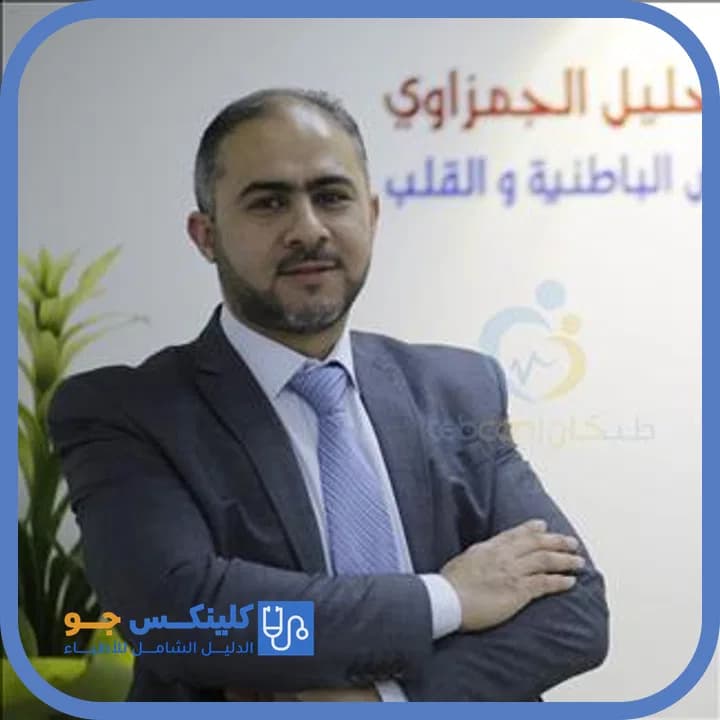
Dr. Malek Mohammed Khalil Al Jemzawi Clinic

Dr. Malek Mohammed Khalil Al Jemzawi practices internal medicine and cardiology, assessing chest pain, palpitations and blood pressure and following patients wi…

Sign in to the platform to view the phone number
184 viewsHours 10:00–17:00 · 6 days a weekAccepts health insuranceAccepted insurers
Dr. Saleh Mahmoud Sbeitan Clinic

Dr. Saleh Mahmoud Sbeitan is an internal medicine consultant whose documented professional practice also covers cardiology. His previous experience includes int…

Sign in to the platform to view the phone number
199 viewsHours 10:00–18:00 · 6 days a weekInsurance not specified
Abdali Hospital Outpatient Clinics

Dr. Basel Al Aloul is a consultant interventional cardiologist at Abdali Hospital. He studied medicine at the Royal College of Surgeons in Ireland and completed…

Sign in to the platform to view the phone number
209 viewsHours 10:00–17:00 · 6 days a weekInsurance not specified
Dr. Ashraf Hatem Qubbaj Clinic

Dr. Ashraf Hatem Qubbaj specialises in cardiology and cardiac catheterization. A Jordan University of Science and Technology graduate, he trained in internal me…

Sign in to the platform to view the phone number
210 viewsHours 12:00–15:00 · 6 days a weekAccepts health insuranceAccepted insurers
Al Shamaileh Cardiology Clinic

Dr. Qasem Al Shamaileh is a consultant in cardiology and interventional cardiology. His practice includes coronary and valve assessment, selection of appropriat…

Sign in to the platform to view the phone number
209 viewsHours 10:00–20:00 · 6 days a weekInsurance not specified
Istiklal Hospital Outpatient Clinics

Dr Abdel Baset Mohammad Al Khatib practises cardiology and catheterisation at Istiklal Hospital in Amman. He holds Jordanian boards in internal medicine and car…

Sign in to the platform to view the phone number
110 viewsHours 08:00–16:00 · 6 days a weekAccepts health insuranceAccepted insurers
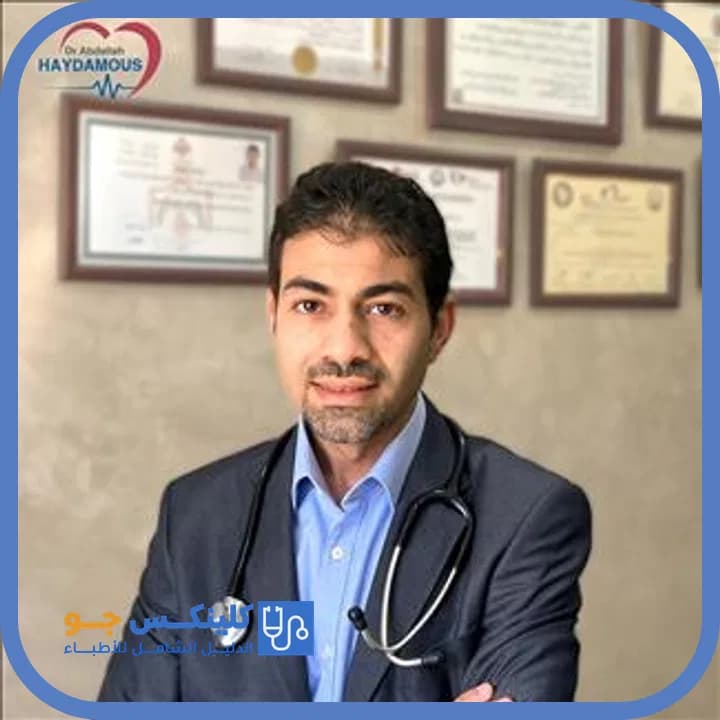
Dr. Abdallah Haydamous Cardiology Clinic

Dr. Abdallah Walid Haydamous is a cardiology and interventional catheterization specialist in Amman. He manages hypertension, atherosclerosis, rhythm disorders,…

Sign in to the platform to view the phone number
133 viewsHours 10:00–18:00 · 6 days a weekAccepts health insuranceAccepted insurers
JoSante Healthcare Center — Amman Branch

Dr. Amer Al Sawaeer is a cardiology and interventional catheterization consultant at Josante’s Amman branch. Consultations address hypertension, palpitations, r…

Sign in to the platform to view the phone number
154 viewsHours 08:00–19:00 · 7 days a weekInsurance not specified
Al Shamaileh Cardiology Clinic

Dr. Dina Qasem Al Shamaileh is a cardiologist and interventional cardiologist. She studied medicine at Jordan University of Science and Technology and trained t…

Sign in to the platform to view the phone number
128 viewsHours 10:00–20:00 · 6 days a weekInsurance not specified
Dr. Amr Saeed Rasheed Clinic

Dr. Amr Saeed Rasheed is an interventional cardiologist whose practice covers cardiovascular assessment, coronary disease follow-up and deciding when diagnostic…

Sign in to the platform to view the phone number
142 viewsHours 10:00–18:00 · 6 days a weekInsurance not specified
Abdali Hospital Outpatient Clinics

Dr. Fadi Thabit Al-Qaisi is a cardiology and interventional cardiology consultant. He completed internal medicine residency and cardiology and interventional ca…

Sign in to the platform to view the phone number
201 viewsHours 10:00–17:00 · 6 days a weekInsurance not specified
Saudi Hospital Specialist Outpatient Clinics

Dr Hanna Makhamreh is a consultant cardiologist and therapeutic catheterization specialist at Saudi Hospital in Khalda. His practice covers coronary artery dise…

Sign in to the platform to view the phone number
179 viewsHours 10:00–17:00 · 6 days a weekInsurance not specified
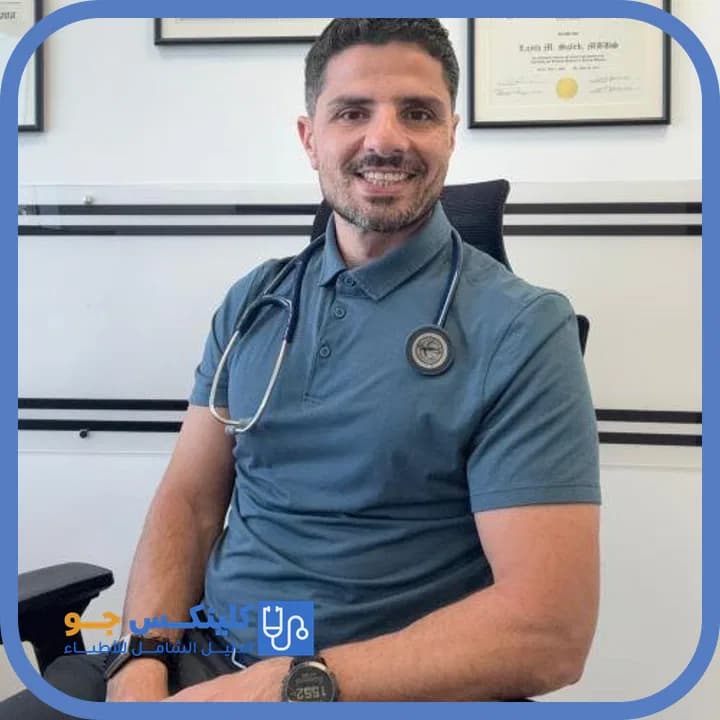
Layth Saleh Clinic

Layth Saleh practices cardiac electrophysiology at Building 2, fourth floor, Istishari Hospital outpatient clinics, Wadi Saqra, Amman. Contact the practice to a…

Sign in to the platform to view the phone number
17 years of experience141 viewsHours 09:00–16:00 · 4 days a weekInsurance not specified
CardioCare Clinic – Dr Marwan AlNimri

Dr Marwan Adib Alnimri is a consultant cardiologist and interventional cardiologist in Amman. He graduated from Aristotle University of Thessaloniki in 1984 and…

Sign in to the platform to view the phone number
175 viewsHours 10:00–19:00 · 6 days a weekAccepts health insuranceAccepted insurers
Dr. Ghassan Shawabkeh Cardiology Clinic

Dr Ghassan Mohammad Shawabkeh is a cardiology and interventional catheterization consultant. He graduated from Poznan University in Poland in 2001 and obtained …

Sign in to the platform to view the phone number
15 years of experience235 viewsHours 11:00–17:00 · 6 days a weekInsurance not specified
Saudi Hospital Specialist Outpatient Clinics

Dr Yahya Shahwan specialises in cardiovascular disease and diagnostic and therapeutic cardiac catheterization. At Saudi Hospital in Khalda, his consultations co…

Sign in to the platform to view the phone number
123 viewsHours 10:00–17:00 · 6 days a weekInsurance not specified
Dr. Kais Al Balbissi Clinic

Dr. Kais Al Balbissi practices adult cardiology and interventional catheterization, with heart failure among the clinic’s stated areas of care. The Jordanian Ca…

Sign in to the platform to view the phone number
190 viewsHours 15:00–18:00 · 4 days a weekAccepts health insuranceAccepted insurers
Dr. Zaher Kasih Clinic

Dr. Zaher Kasih practices cardiology and interventional coronary care. His clinic’s investigations include ECG, echocardiography, exercise testing and extended …

Sign in to the platform to view the phone number
178 viewsHours 10:30–17:00 · 6 days a weekAccepts health insuranceAccepted insurers
Dr. Yazan Al Kilani Cardiology Clinic

Dr. Yazan Moawia Al Kilani sees patients at his private outpatient clinic in Royal Hospital. His practice includes coronary disease assessment and catheter-base…

Sign in to the platform to view the phone number
250 viewsHours 10:00–16:00 · 6 days a weekAccepts health insuranceAccepted insurers
Dr Hisham Al-Janabi Clinic

Dr Hisham Al-Janabi is a consultant in cardiology, interventional cardiology and internal medicine. His clinic at Al-Kasasbeh Center in Aqaba provides cardiolog…

Sign in to the platform to view the phone number
185 viewsHours 08:00–13:00 · 7 days a weekInsurance not specified
Dr. Mahmoud Youssef Al-Hazaimeh Clinic

Dr. Mahmoud Youssef Al-Hazaimeh is a cardiovascular consultant who earned his medical degree at the University of Milan in 1972. His previous work includes Jord…

Sign in to the platform to view the phone number
168 viewsHours 10:00–17:00 · 6 days a weekAccepts health insuranceAccepted insurers

Finding Heart Stress Test services in Jordan

Which doctors are listed for Heart Stress Test in Jordan?

There are currently 23 doctor profiles linked to Heart Stress Test on ClinicsJo. Review the listed services and contact the practice to confirm availability with the doctor and branch you choose.

How can I find an appointment for Heart Stress Test?

Start with an available doctor's profile and use the contact or booking options shown there. Confirm the service, practice location and appointment time with the clinic. If this list is empty, broaden your search using the directory links on this page.

What does Heart Stress Test cost in Jordan?

Ask the practice for the current price and what it includes. A consultation fee shown on a profile is not necessarily the price of a procedure, tests or follow-up. Confirm any additional charges and insurance arrangements before your visit.

How much does Heart Stress Test cost in Jordan?

No clinic on ClinicsJo has published a price for Heart Stress Test yet, so we do not quote an estimated figure. What is published is the consultation fee: 20–40 JOD (profiles: 15). The doctor sets the treatment price after assessing your case.

What clinics and doctors have published on ClinicsJo

Other doctor profiles with a published fee: 10.

What sets the price of Heart Stress Test?

  • The exact test and the equipment used
  • Whether the price includes the doctor's report and reading
  • Contrast dye, sedation or special preparation
  • Whether a referral or a consultation is needed first
  • Insurance coverage and your share of the cost

Expected duration (from the procedure guide): The whole visit usually takes 45 minutes to an hour, with the walking phase itself lasting about 6 to 15 minutes depending on your capacity, followed by 5 to 10 minutes of monitored recovery.

How to ask about the price

Before booking, ask the clinic for the all-inclusive price and what it covers, any extra tests or scans, how many follow-up visits are included, the payment options, and whether your insurance is accepted. You can reach them through the contact details on the doctor and clinic profiles on this page.

The figures above were published by the clinics and doctors themselves on ClinicsJo and may change. We do not estimate prices. Confirm the all-inclusive price with the clinic before booking. Offers on ClinicsJo