
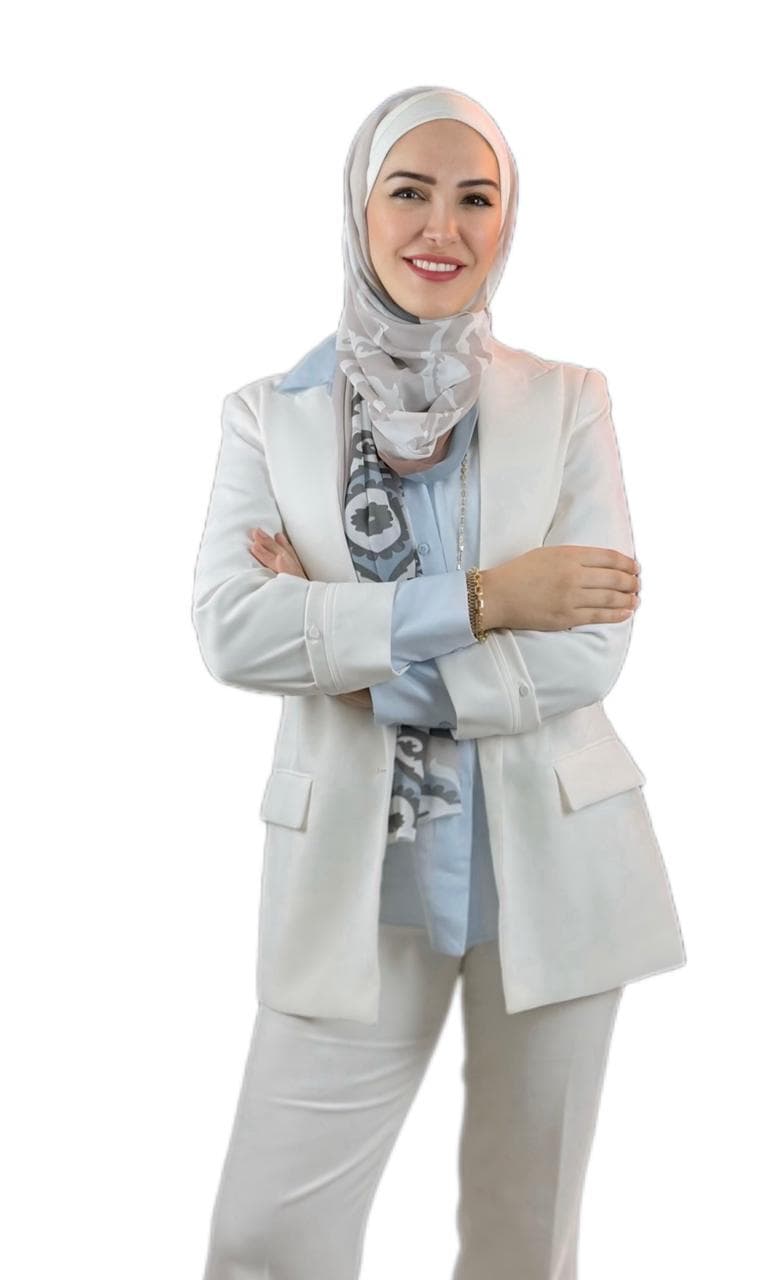
Dr Reem Al Qudah Clinic
Dr Reem Al Qudah is a dermatologist and venereologist with the Jordanian Board in dermatology. Her practice combines care for skin, hair and nail disorders with…
Hours not listedInsurance not specified7 views
Trusted medical platform in Jordan
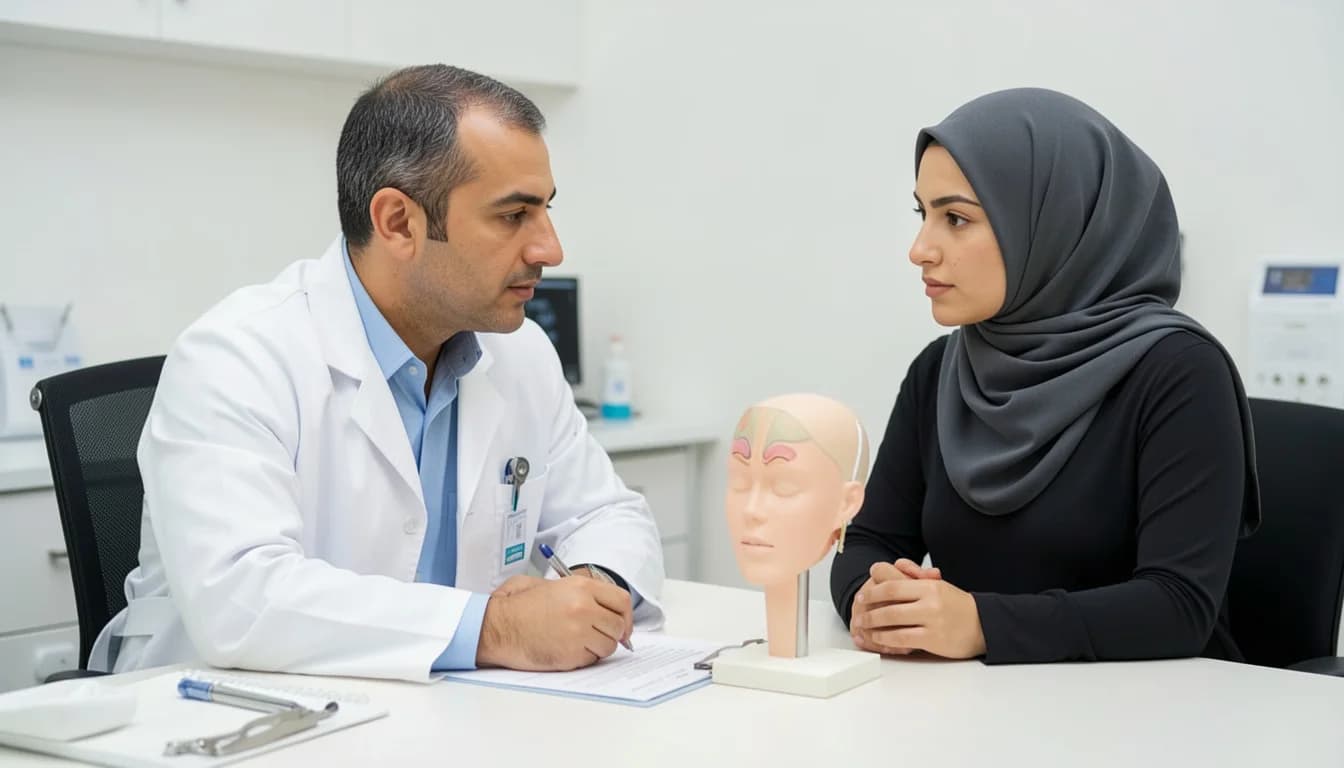
Mole removal is a minor skin procedure in which a pigmented growth is taken off for medical or cosmetic reasons, using a technique chosen according to the mole's type, depth, site and — above all — how suspicious it looks. The first step is never removal but assessment: the doctor inspects the lesion with the naked eye and with a magnifying dermatoscope, compares it with the person's other moles, and asks how it has changed over time. **Any mole that changes in shape, colour or size, becomes asymmetrical or irregular at the edge, itches or bleeds — and any sore or wound that fails to heal within a few weeks — must be examined to rule out skin cancer before anything is done to it. This is precisely why a suspicious mole should never be destroyed with laser, electrocautery, caustic pastes or home burning remedies: those methods destroy the tissue, make laboratory examination impossible, and can delay the diagnosis of a tumour by months.** There are three main techniques. Full surgical excision with a blade and stitches, with the specimen sent for histopathology, is the safest option for any doubtful or deep lesion. Shave removal suits clearly benign raised moles. Cautery or laser is reserved for certain very small benign growths after a confident assessment. All are performed under local anaesthetic in the clinic. The limits are important. Removing one mole does nothing to prevent new ones and does not replace an examination of the rest of the skin. Every removal trades the mole for a mark: a fine line, or a lighter or darker circle that may take months to fade, and that can be raised in people prone to keloid. Shaved benign moles sometimes regrow with residual pigment, and large congenital moles or delicate sites such as the eyelid and nose need careful planning. Not every mole needs removing — many are simply photographed and monitored. For the record, a mole does not turn cancerous because clothing rubbed against it or because a hair was plucked from it; that is a common myth. Repeated sunburn and tanning beds, by contrast, genuinely raise the risk of skin tumours, so sun protection is part of the plan. Eligibility for any technique is decided by clinical examination, not by a photograph or an article.
The doctor examines the mole with a magnifying dermatoscope and compares it with the others, looking for asymmetry, irregular borders, several colours, a diameter above six millimetres, or recent change. Multiple moles are photographed for comparison at later visits, and the doctor decides what needs removal and what only needs monitoring.
You are told the difference between full excision, shave removal and cautery, why one technique was chosen, the expected size and appearance of the resulting mark, and the possibility of residual pigment or of needing a wider excision if the laboratory result is abnormal. Consent is taken once you understand the alternatives.
The skin is cleaned and numbed with a small injection, so the procedure is painless while you stay awake. The mole is removed by the agreed technique — with an appropriate margin where there is any doubt — bleeding is controlled, and the wound is closed with stitches or left to heal by granulation, depending on the method and site.
The removed mole is placed in preservative and sent to the laboratory for microscopic examination. This step is not a formality: it is the only way to confirm the growth is benign and, if it is not, to measure whether the margins were adequate. That is why any method which vaporises the tissue and leaves no specimen is unsuitable when there is doubt.
You receive instructions on cleaning and dressing the wound and a date for stitch removal, then the laboratory result is reported and explained. If it calls for a wider excision or regular surveillance, a clear schedule is set. Monthly self-examination of the rest of the skin is advised, plus periodic professional checks if you have many moles or a family history of skin tumours.
Tell the doctor if you take anticoagulants, antiplatelet medicines or supplements that increase bleeding, and never stop any medicine on your own — wait for instructions. Mention allergies to local anaesthetic, dressings or antiseptics, any tendency to keloid or raised scars after previous surgery, and chronic conditions such as diabetes or immune suppression. Women should mention pregnancy or breastfeeding. If the mole has been changing, photograph it in good light next to a small ruler, which helps judge how fast it is changing. Do not try to remove, burn or tie off a mole at home before it has been examined. Come with no make-up over the area, wear clothing that will not rub the wound, and plan to avoid strenuous exercise and swimming for the following few days.
Keep the wound clean and dry as instructed, do not open the dressing before the agreed date, and never pull off the crust or the stitches yourself. Avoid swimming pools, public baths, strenuous exercise and anything that stretches the skin until your doctor allows it. Protect the mark from the sun with a high-factor sunscreen or a medical tape for several months, because sun exposure on a fresh scar causes lasting pigmentation. **Seek review immediately if: bleeding does not stop with sustained pressure; pain increases with spreading redness, local heat, pus or odour; you develop a fever; or the wound edges separate. Seek review immediately, too, if pigment regrows at the removal site, a sore appears that will not heal, or any other mole on your body changes — these are red flags that require assessment to rule out skin cancer and must never be ignored.** Always ask for the histopathology result; do not assume it was normal just because nobody called you.
Removing a single mole under local anaesthetic usually takes 15 to 30 minutes; stitches normally come out after 7 to 14 days and the histopathology result typically arrives within one to two weeks.
Dr Reem Al Qudah is a dermatologist and venereologist with the Jordanian Board in dermatology. Her practice combines care for skin, hair and nail disorders with…
There are currently 1 doctor profiles linked to Skin moles removal on ClinicsJo. Review the listed services and contact the practice to confirm availability with the doctor and branch you choose.
Start with an available doctor's profile and use the contact or booking options shown there. Confirm the service, practice location and appointment time with the clinic. If this list is empty, broaden your search using the directory links on this page.
Ask the practice for the current price and what it includes. A consultation fee shown on a profile is not necessarily the price of a procedure, tests or follow-up. Confirm any additional charges and insurance arrangements before your visit.