

Dr. Wael Al Haddad Orthopaedic Clinic
Dr. Wael Al Haddad is a consultant orthopedic surgeon with Jordanian and Arab Board certification and advanced training at McMaster University in Canada. His wo…
Hours not listedInsurance not specified6 views
Trusted medical platform in Jordan
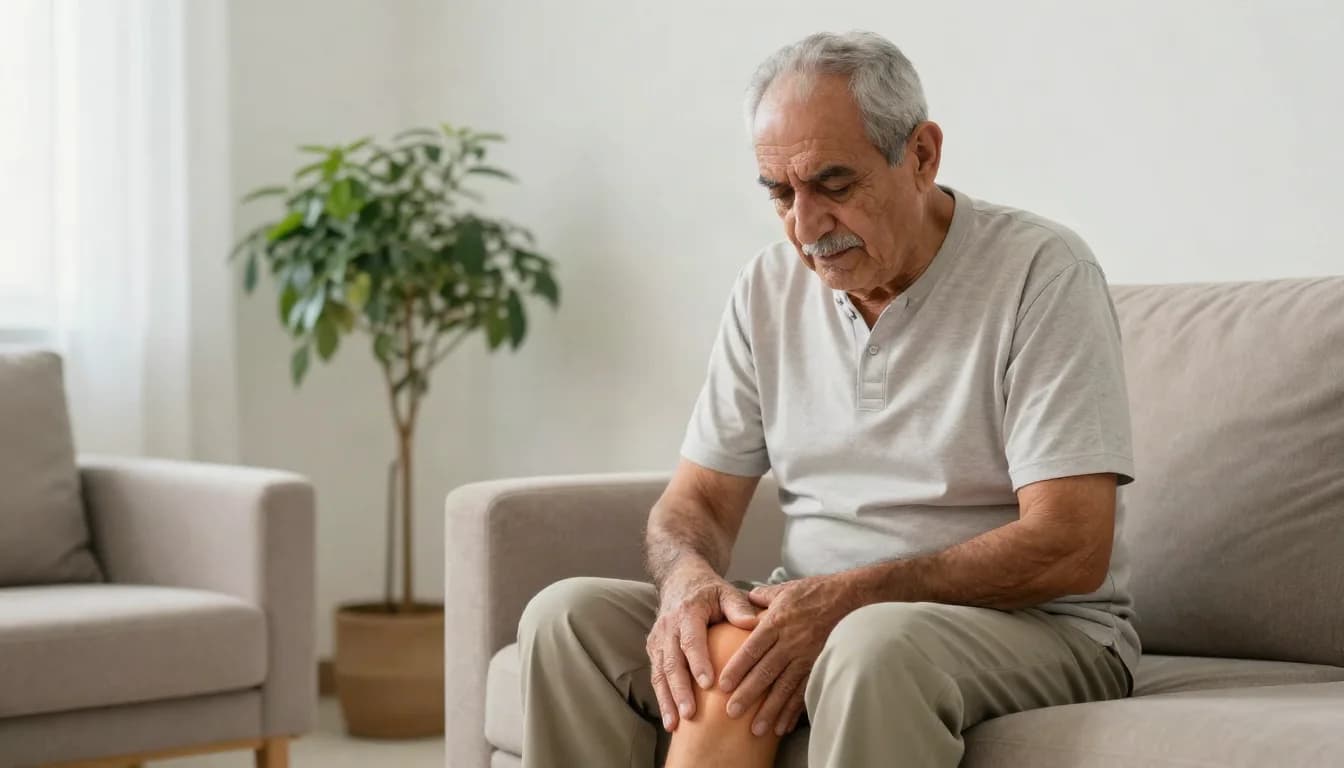
Treating knee pain is not a single procedure but a plan built on the cause of the pain after careful clinical examination. A knee can hurt for entirely different reasons: osteoarthritis, irritation of the patellofemoral joint, a meniscal tear, a ligament injury, inflammation of a bursa or tendon, a gout attack or inflammatory arthritis, and sometimes pain that arises in the hip or lower back and is felt at the knee. The first therapeutic step is therefore a correct diagnosis, not a painkiller. In most cases treatment begins with a non-surgical plan: explanation of the condition, a graded exercise programme for the thigh and hip muscles, modification of activity and load, weight reduction where relevant because every kilogram is multiplied as load across the knee during walking and stairs, suitable footwear, and targeted physiotherapy. Medicines are prescribed by a physician according to the condition and any coexisting illness, and prolonged unsupervised use of anti-inflammatory drugs is not advised, particularly with kidney, stomach or heart problems. One myth said about the knee, exactly as it is said about the back, needs correcting: **complete rest is not the best treatment**. Prolonged lying down weakens the muscle that protects the joint and increases stiffness and pain; the correct approach is activity modification with graded, measured movement. A second myth: knee cracking does not cause osteoarthritis. When the non-surgical plan fails in selected cases, intra-articular injections are considered, and then surgical options for patients with a clear problem likely to benefit: arthroscopy for a tear causing true locking, realignment of the leg axis, or joint replacement in advanced osteoarthritis. It must be said plainly that **an artificial joint has a limited service life**, that **rehabilitation after surgery is half the result**, and that the goal is pain relief and reasonable function rather than a full return to the knee you had before the disease. If the pain follows acute trauma, imaging may be requested to exclude a fracture, and if a fracture is found, the choice between casting and surgical fixation depends on the fracture pattern and its stability — not on the patient’s preference. The limits of every option are explicit: **no medicine, injection or supplement restores cartilage that has already worn away**.
The doctor asks where the pain sits, when it began, how it relates to activity and to going up and down stairs, and about swelling, locking and instability, then examines range of motion, ligaments, the meniscus, kneecap tracking, leg alignment, gait and muscle strength.
A radiograph is requested when osteoarthritis is suspected or after trauma to exclude a fracture, MRI is reserved for selected ligament and meniscal problems, and blood tests are ordered when gout, inflammatory arthritis or infection is suspected.
A graded exercise programme is built with physiotherapy, load and activity modification, weight reduction where needed, appropriate footwear and physician-directed pain relief for a limited period, with a clear explanation of what to expect over the coming weeks.
Response is measured after a fair period of adherence rather than after a few days. If pain persists the diagnosis is revisited, intra-articular injection may be offered in selected cases, further imaging may be requested, or the exercise programme is modified.
Arthroscopy for mechanical locking, realignment osteotomy, or joint replacement in advanced osteoarthritis are discussed. The limited service life of an artificial joint is explained, along with the fact that rehabilitation before and after surgery is half the result, and realistic expectations are set.
Come in clothing that can be rolled above both knees so the two limbs can be examined and compared. Before the visit, write down when the pain started, exactly where you feel it, what makes it worse and better, whether it wakes you at night, whether there is swelling, locking or the knee giving way, and what treatments you have tried, for how long and with what result. Bring all previous radiographs and MRI scans with their reports, and a complete list of your medicines including painkillers and supplements. Tell the doctor about chronic illnesses, especially diabetes and kidney, stomach or heart disease, because they narrow the medication options, and about any sports injury or previous knee operation. If the pain followed an acute injury, avoid weight-bearing and do not massage the knee forcefully before assessment.
Follow the exercise programme daily and consistently, because it is the core treatment and not a cosmetic extra, and remember that improvement is measured in weeks rather than days. Modify activity instead of stopping it: reduce repeated stair descent, deep squatting and heavy lifting, keep walking on level ground with gradually increasing distance, and avoid complete rest because it weakens the muscle. Use a cold pack for short periods when the knee swells after activity, and do not take painkillers for long stretches without reviewing them with your doctor, especially with kidney, stomach or heart disease. Keep a simple log of what worsens and eases the pain to show at your review. **Seek emergency care immediately if you cannot bear weight after an injury, if the knee locks and will not straighten, if it swells rapidly within hours, if fever appears with a hot, swollen, painful joint, if sudden numbness or weakness develops in the leg, or if the calf becomes swollen and painful with breathlessness.**
The assessment visit usually takes 20 to 40 minutes, and the non-surgical plan is normally reassessed after 6 to 12 weeks.
Dr. Wael Al Haddad is a consultant orthopedic surgeon with Jordanian and Arab Board certification and advanced training at McMaster University in Canada. His wo…
There are currently 1 doctor profiles linked to Treatment of Knee Pain on ClinicsJo. Review the listed services and contact the practice to confirm availability with the doctor and branch you choose.
Start with an available doctor's profile and use the contact or booking options shown there. Confirm the service, practice location and appointment time with the clinic. If this list is empty, broaden your search using the directory links on this page.
Ask the practice for the current price and what it includes. A consultation fee shown on a profile is not necessarily the price of a procedure, tests or follow-up. Confirm any additional charges and insurance arrangements before your visit.