Dr. Hussein Al Qudah Obstetrics and Gynaecology Clinic
Sign in to the platform to view the phone number
Trusted medical platform in Jordan

If you are looking for the best gynecologic endoscopy specialists in Amman, this page brings together seven obstetricians and gynaecologists whose profiles list hysteroscopy or gynaecological laparoscopy. They are ordered by how complete and checkable their published information is, not by clinical quality. You can compare their qualifications, services, clinic areas, opening hours and listed insurers, then use the practical guidance below to prepare questions before you book.
| # | Doctor | Area | Suits | Profile score |
|---|---|---|---|---|
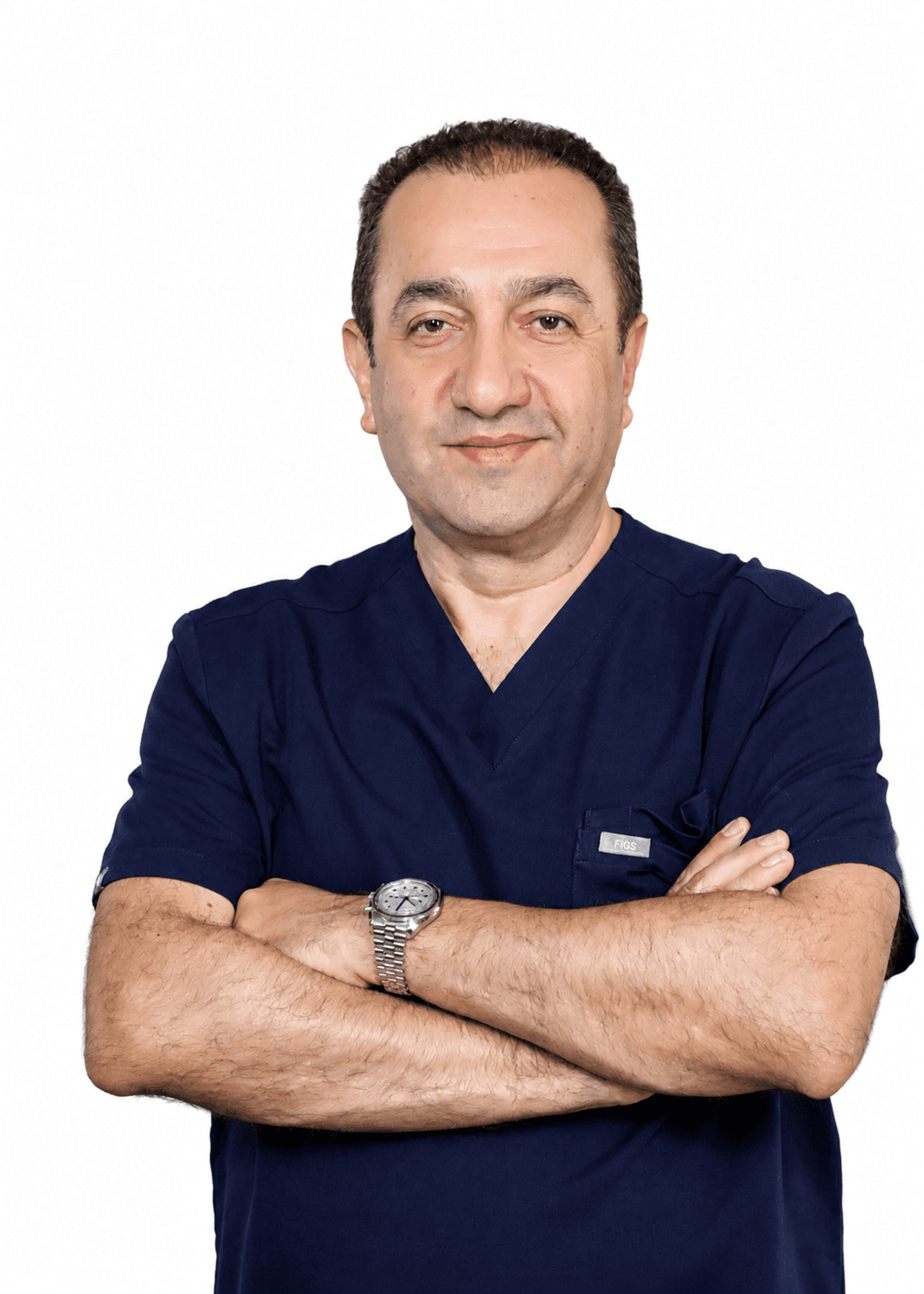
| 1 | Hussein Mohammad Hussein Al Qudah | Fifth Circle | Women needing hysteroscopy, laparoscopy or prolapse care with wide insurer coverage | 47/100 |
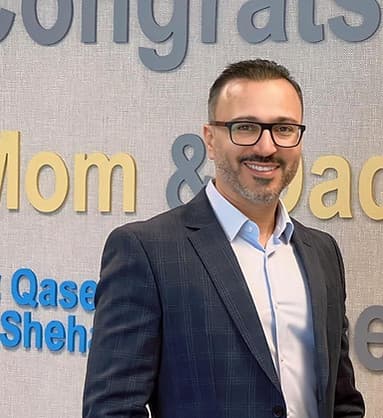
| 2 | Qasem Shehab | Abdali | Endometriosis, prolapse or incontinence needing advanced laparoscopic assessment in Abdali | 43/100 |
| 3 | Omar Al Omari | Abdali | Couples combining fertility treatment with hysteroscopy or endometriosis surgery | 40/100 |
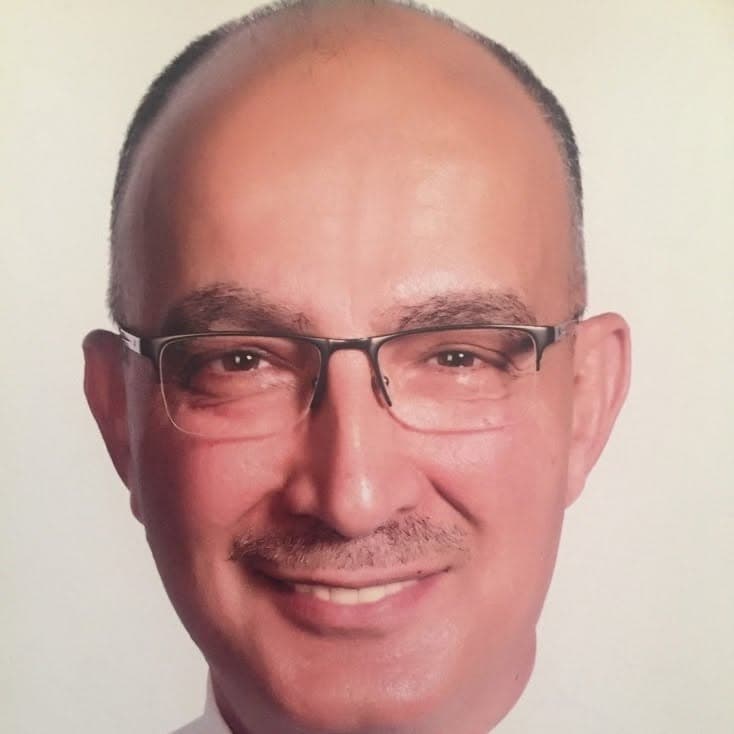
| 4 | Suleiman Dabit | Jabal Amman | Couples seeking IVF-linked care with hysteroscopy, PCOS or endometriosis services | 40/100 |
| 5 | Rafiq Adnan Barqawi | Marj Al-Hamam | Abnormal bleeding or fibroids needing hysteroscopy or laparoscopy in Marj Al-Hamam | 40/100 |
| 6 | Sabri Zaza | Marj Al-Hamam | Menstrual problems, fibroids or recurrent pregnancy loss; remote consultation available | 38/100 |
| 7 | Adnan Abu Omar | Arjan | Laparoscopic assessment and difficulty conceiving; early morning hospital-based appointments | 36/100 |
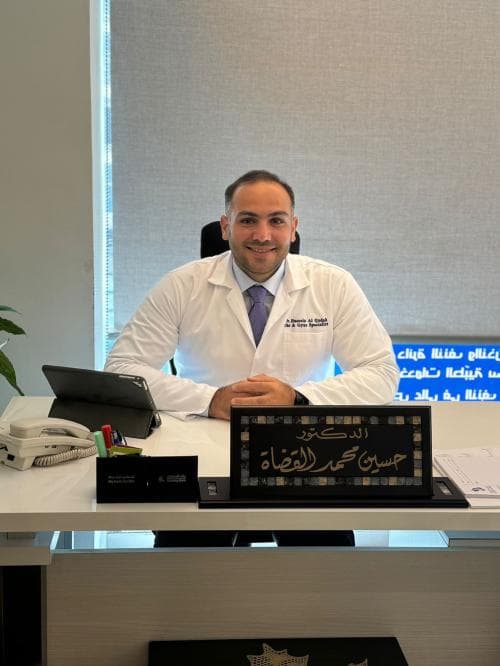
Dr. Hussein Mohammad Hussein Al Qudah is an obstetrician and gynaecologist who holds the Jordanian Board in Obstetrics and Gynaecology from the Jordan Medical Council and a medical degree from the University of Jordan. His biography notes previous experience with the Royal Medical Services and private hospitals. Published services include hysteroscopy, gynaecological laparoscopy, uterine polyp removal, fibroid management, ovarian cyst assessment, and assessment of prolapse and urinary incontinence, alongside antenatal follow-up, caesarean delivery and contraception. The clinic is in Khalaf Medical Complex near the Fifth Circle. It is open Saturday to Wednesday 10:00–17:30 and Thursday 10:00–14:00. Twelve insurers are listed, including Bupa, AXA — NatHealth and Arab Orient Insurance.
Suits: Women needing hysteroscopy, laparoscopy or prolapse care with wide insurer coverage
Dr. Qasem Shehab is a consultant in obstetrics, gynaecology and infertility whose biography cites British, European and Jordanian boards and a British fellowship. He began UK practice in 2006, trained in London and Bristol in gynaecology and laparoscopy, and lists training in advanced gynaecological laparoscopy and urogynaecology in the United Kingdom. He has also taught at Yarmouk University. His focus is advanced laparoscopic surgery, pelvic organ prolapse and urinary incontinence, with services covering endometriosis, fibroids, fertility assessment and antenatal care. He practises on floor 24 at Abdali Medical Center, Saturday to Wednesday 09:00–17:30 and Thursday 09:00–14:00. Arab Orient Insurance is listed.
Suits: Endometriosis, prolapse or incontinence needing advanced laparoscopic assessment in Abdali
Dr. Omar Al Omari is a consultant in obstetrics, gynaecology, infertility and IVF at Hayah Fertility and Genetics Centre in Abdali Hospital. He graduated in medicine from the University of Jordan in 1997, completed the higher specialty and Jordanian Board in 2002, and gained RCOG membership in London in 2006. His biography mentions leading gynaecology departments at Jordan and Abdali hospitals and directing fertility and genetics at Istishari Hospital. Endoscopic services include hysteroscopy, hysteroscopic polyp removal, treatment of intrauterine adhesions and surgical excision of endometriosis, alongside IVF, ICSI, IUI and egg freezing. Hours run Saturday and Sunday 09:00–17:00 and Monday to Thursday 10:00–17:00.
Suits: Couples combining fertility treatment with hysteroscopy or endometriosis surgery
Dr. Suleiman Dabit is a consultant in obstetrics, gynaecology, infertility and IVF who holds the Austrian and Arab Boards in Obstetrics and Gynaecology. He earned his medical degree at the University of Vienna in 1986 and a master’s degree in assisted reproduction, infertility and IVF in 1992. His biography cites former leadership of Al Khalidi’s fertility and genetics unit and practice at Abdali Hospital’s unit. Services pair hysteroscopy and surgical excision of endometriosis with IVF, ICSI, egg and sperm freezing, pre-implantation genetic testing, male infertility care and PCOS assessment. The clinic is on Ibn Khaldoun Street in Jabal Amman, open Saturday to Wednesday 09:00–17:30 and Thursday 09:00–16:00; branch and procedure location are confirmed at booking.
Suits: Couples seeking IVF-linked care with hysteroscopy, PCOS or endometriosis services
Dr. Rafiq Adnan Barqawi is a consultant obstetrician and gynaecologist whose biography describes experience in gynaecological oncology and laparoscopic surgery. He studied medicine at Ain Shams University, trained with the Royal Medical Services and holds the Jordanian Board in Obstetrics and Gynaecology from the Jordan Medical Council. His career includes heading the gynaecology department at Dr. Soliman Fakeeh Hospital in Jeddah. Published services include hysteroscopy, laparoscopic fibroid surgery, endometrial biopsy, pelvic ultrasound, cervical screening, PCOS care, contraception and pregnancy follow-up. In Marj Al-Hamam he consults on pregnancy, infertility, abnormal bleeding, fibroids and pelvic disorders, with confirmed hours Saturday to Thursday 10:00–18:00.
Suits: Abnormal bleeding or fibroids needing hysteroscopy or laparoscopy in Marj Al-Hamam
Dr. Sabri Zaza graduated from Misr University for Science and Technology in 2009, completed specialty training at Al-Bashir Hospital from 2010 to 2018 and holds the Jordanian Board in Obstetrics and Gynaecology. His focus is pregnancy care and common gynaecological concerns such as menstrual disorders, polycystic ovary syndrome and uterine fibroids. Published services include hysteroscopy, laparoscopic fibroid removal, endometrial biopsy, pelvic ultrasound, recurrent pregnancy loss care, IUD insertion and removal, and remote gynaecology consultation. His biography also lists cervical cerclage, hysterectomy and ovarian cyst surgery as assessed. The clinic is near Al Dalla Circle in Marj Al-Hamam, open Saturday to Thursday 10:00–18:00.
Suits: Menstrual problems, fibroids or recurrent pregnancy loss; remote consultation available
Dr. Adnan Abu Omar is a consultant in obstetrics, gynaecology, infertility and advanced gynaecological laparoscopy. The profile lists the Jordanian board in obstetrics and gynaecology, advanced gynaecological laparoscopic training in Germany and a Canadian fellowship in gynaecological laparoscopic surgery. Published services are obstetric, gynaecological and infertility consultation, gynaecological laparoscopic surgery, pregnancy follow-up and assessment of difficulty conceiving, with surgery offered when clinically indicated. Consultations take place at Istiklal Hospital Outpatient Clinics in Arjan, Amman, with confirmed hours Saturday to Thursday 08:00–16:00, the earliest daily start among the clinics on this page.
Suits: Laparoscopic assessment and difficulty conceiving; early morning hospital-based appointments
Every matching doctor profile in this area was scored out of 100 for how complete and checkable its published information is, and the highest scores appear here in order. Featured placement does not change a profile's score, and the score does not measure treatment quality or outcomes — it tells you how much you can check before you call.
Ties are broken by the number of approved reviews, then published years of experience. Confirm the service, branch, appointment, fees and insurance coverage with the practice before visiting.
Gynaecological endoscopy means looking inside the pelvis or the womb with a thin camera, and often treating the problem in the same procedure. There are two main types:
Compared with open surgery, keyhole approaches usually mean smaller scars and a shorter recovery, but they are not suitable for every person or every condition. Only a doctor who has examined you can say which option, if any, fits your situation.
Call 911 or go to the nearest emergency department if you have sudden severe pain in the lower abdomen, bleeding that soaks a pad every hour for more than a couple of hours, fainting or dizziness with pelvic pain, or pain and bleeding when you know or suspect you are pregnant (this can be a sign of ectopic pregnancy). After any procedure, seek urgent help for fever, worsening pain, heavy bleeding, foul-smelling discharge, or difficulty breathing.
All seven doctors on this page are obstetricians and gynaecologists who list gynaecological endoscopy, but their published interests differ. Rather than looking for the best gynecologic endoscopy specialists in Amman in general terms, match the profile to your own need:
The first appointment is usually a consultation, not the procedure itself. The doctor will ask about your symptoms, menstrual cycle, pregnancies, contraception, previous surgery and medical conditions, and may perform an examination and a pelvic ultrasound.
You may be asked to have a pregnancy test before a procedure, and hysteroscopy is often scheduled at a particular point in the cycle. Follow the instructions you are given about fasting and medicines, and do not stop any prescribed treatment without medical advice.
Insurer lists are shown only where a clinic has published them, and they can change. Before you book:
Amman is home to around 5 million residents, and the clinics on this page are spread across different parts of the city, so check the area shown on each profile before choosing. Traffic can be heavy at peak times, particularly on main routes linking districts such as Abdoun, Shmeisani, Sweifieh, Khalda, Tla' Al-Ali, Jubeiha, Dabouq, Gardens and the 7th Circle. Allow extra time, especially for a morning appointment or a procedure with a fixed arrival time.
If you have a procedure under anaesthesia, arrange for an adult to drive you home; you should not drive yourself afterwards. The city's major hospitals include Jordan University Hospital, King Hussein Medical Center, Al-Bashir Hospital, King Hussein Cancer Center, Specialty Hospital and Istishari Hospital. In an emergency, call 911 rather than travelling to a clinic.
This page helps you compare published profiles; it is not medical advice and does not rank clinical skill. In an emergency call 911 or go to the nearest emergency department.