Top 6 Hepatobiliary & Pancreatic Surgery Specialists in Amman — A man with abdominal pain requiring medical assessment — directory of the best Hepatobiliary & Pancreatic Surgery doctors in Amman

Top 6 Hepatobiliary & Pancreatic Surgery Specialists in Amman 2026

If you searched for the best hepatobiliary and pancreatic surgery specialists in Amman, this page lists five surgeons whose profiles cover liver, gallbladder, bile duct and pancreatic surgery. They are ordered by how complete and checkable their published information is, not by clinical quality. Compare their training, services, clinic locations and hours, then use the guidance below to prepare your questions and your first visit.

6 of 8 doctors on ClinicsJoUpdated 18 October 2026How we chose

At a glance

#DoctorAreaSuitsProfile score
1Mutaz Al MakhamrehFeaturedJubaiha—
2Hisham Issa ShabaniShmeisaniGallbladder or bile duct problems alongside general surgery, Shmeisani40/100
3Mohammad Abu HilalJabal AmmanLiver or pancreatic tumour assessment; weekday daytime appointments40/100
4Mahmoud KhattabJabal AmmanLiver transplant consultation or liver and gallbladder surgery questions21/100
5Salam Saleh DaradkehAbdaliPancreatic, biliary or liver conditions needing surgical assessment, Abdali20/100
6Abdullah Younis BashirJabal AmmanLiver transplantation assessment or laparoscopic surgery review, Jabal Amman19/100

Profiles marked “Featured” appear first, in the display order set by the platform administration; the rest follow the published profile score. Featured placement is not a measure of clinical quality.

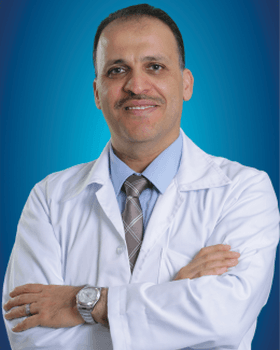
  1. 1Mutaz Al MakhamrehFeatured

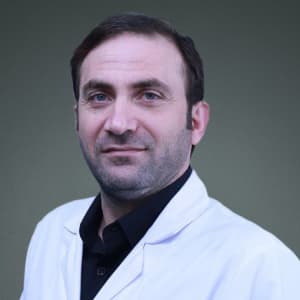
  2. 2Hisham Issa Shabani

    Dr. Hisham Issa Shabani is a general surgeon with sub-specialties in laparoscopic, bariatric, endocrine, breast, hepatobiliary and pancreatic surgery, and surgical oncology. He studied medicine at Jordan University of Science and Technology and completed general and laparoscopic surgery residency at Islamic Hospital. His biography states he obtained the Jordanian board of general surgery in 2012. He also lists membership of the Royal College of Surgeons in Ireland, surgical oncology fellowship training at King Hussein Cancer Center, and an advanced laparoscopic bariatric surgery course in Strasbourg, France. His services include gallbladder and bile duct surgery, hernia repair, thyroid surgery, sleeve gastrectomy and gastric bypass. The clinic is in Shmeisani and keeps confirmed hours from Saturday to Thursday.

    Suits: Gallbladder or bile duct problems alongside general surgery, Shmeisani

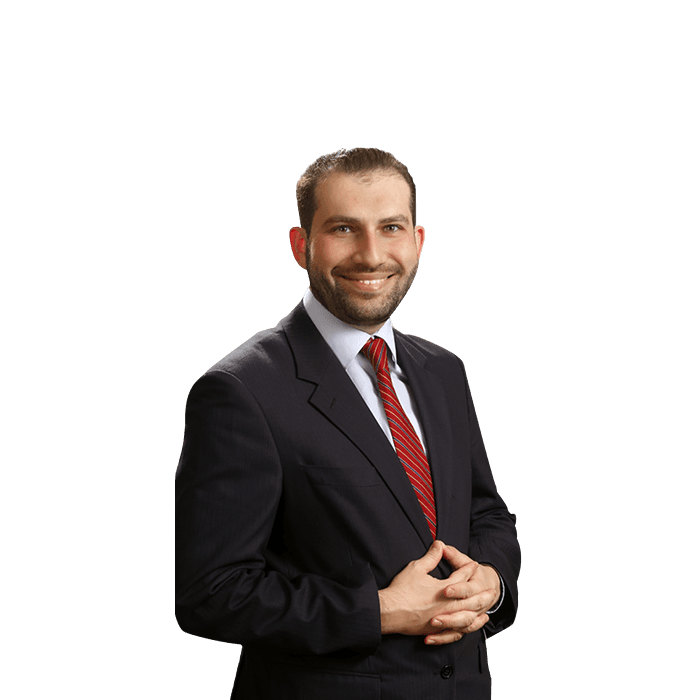
  3. 3Mohammad Abu Hilal

    Dr. Mohammad Abu Hilal is described as a professor of surgery at the University of Jordan and a consultant in hepato-biliary-pancreatic surgery. He completed surgical training in Wessex, UK, followed by an advanced fellowship in liver surgery and transplantation at St James’s University Hospital, Leeds. His career includes work in Southampton and Brescia and the development of minimally invasive surgery, and he returned to private practice in Jordan in 2024. Published services cover liver and pancreatic tumour surgery, surgical assessment of benign liver and pancreatic conditions, biliary disease surgery, laparoscopic cholecystectomy, and minimally invasive liver and pancreatic surgery. He consults on floor 2 of Al Khalidi Medical Plaza in Jabal Amman, with appointments arranged in advance.

    Suits: Liver or pancreatic tumour assessment; weekday daytime appointments

  4. 4Mahmoud Khattab

    Dr. Mahmoud Khattab practises general surgery and liver transplantation at Jordan Hospital, with listed interests in thyroid, breast, liver and gallbladder surgery. According to the profile, Dr. Khattab graduated from the University of Baghdad in 1998, obtained Jordanian surgical board certification in 2005 and undertook liver-disease training at the University of Hong Kong. Published services include general surgery consultation, liver transplant consultation, thyroid surgery, breast surgery, and liver and gallbladder surgery. Consultations take place at the Jordan Hospital and Medical Centre Outpatient Clinics in Jabal Amman, where previous reports and imaging can support a discussion of whether surgery is needed and which options are available. Consultations are offered in Arabic and English.

    Suits: Liver transplant consultation or liver and gallbladder surgery questions

  5. 5Salam Saleh Daradkeh

    Professor Salam Saleh Daradkeh is described as a consultant hepatobiliary, pancreatic and laparoscopic surgeon at Abdali Hospital in Amman. The profile states that Professor Daradkeh studied medicine at Mohammed V University in Rabat, earned a master’s degree in general surgery from the University of Jordan, and holds Jordanian and Arab boards in general surgery, with further specialist qualifications in gastrointestinal, liver and liver-transplant surgery from Paris VI University. Former academic leadership roles at the University of Jordan are also noted. Published services are surgical assessment of liver disease, pancreatic surgery, biliary tract surgery and laparoscopic surgery. Consultations at the Abdali Hospital Outpatient Clinics address liver, pancreatic and biliary conditions that may require surgery.

    Suits: Pancreatic, biliary or liver conditions needing surgical assessment, Abdali

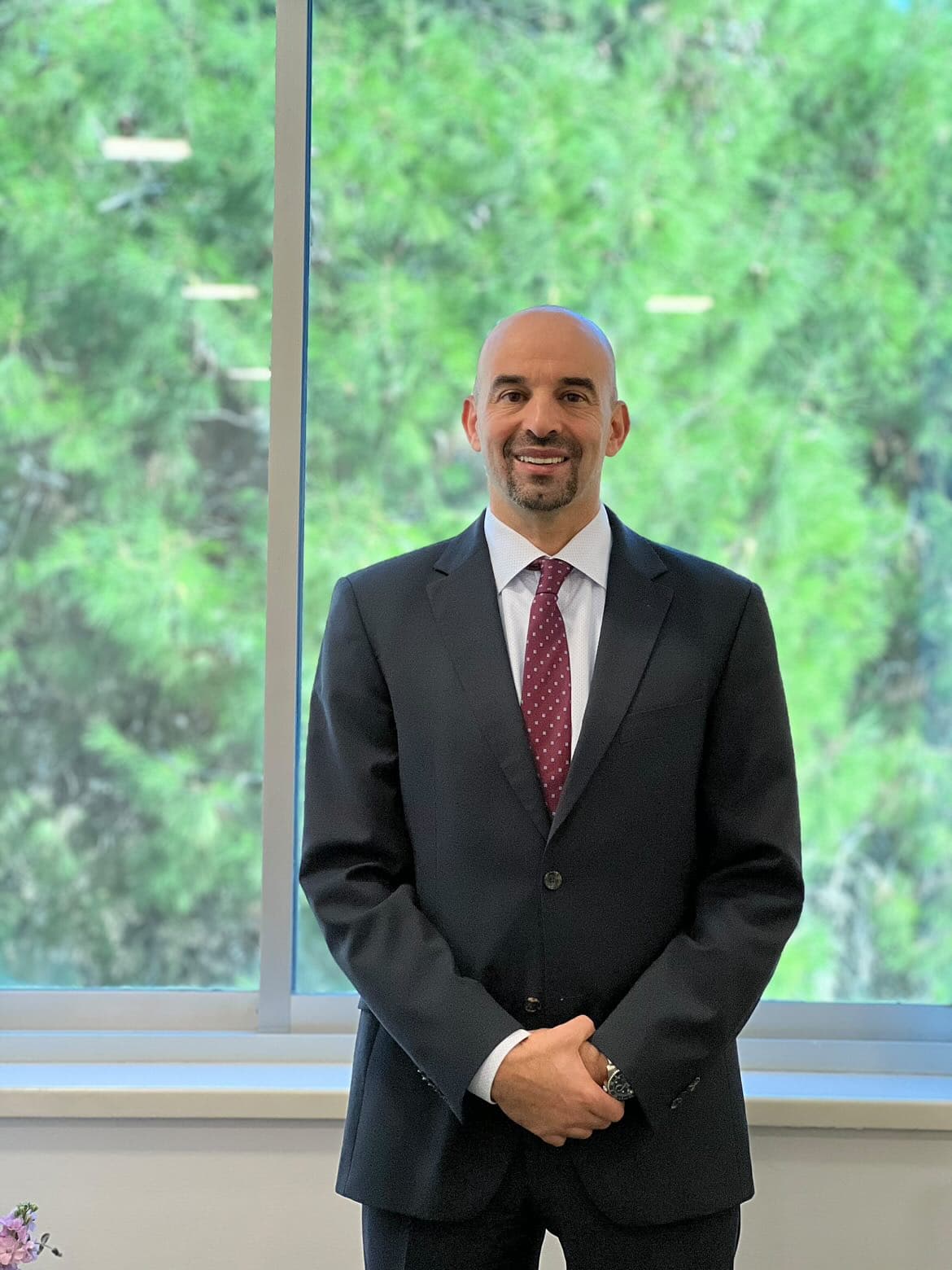
  6. 6Abdullah Younis Bashir

    Dr. Abdullah Younis Bashir works in general surgery, laparoscopy and liver transplantation at Jordan Hospital in Amman, with listed sub-specialties in laparoscopic surgery, hepatobiliary and pancreatic surgery, and liver transplant. The profile states that Dr. Bashir graduated from Cairo University and holds fellowship qualifications from the Royal College of Surgeons of Edinburgh and the American College of Surgeons. Published services are general surgery consultations, laparoscopic surgery and liver transplantation assessment. According to the profile, consultations review the diagnosis, investigations and previous treatment before considering surgical options and follow-up requirements. Patients are seen at the Jordan Hospital and Medical Centre Outpatient Clinics in Jabal Amman, and consultations are offered in Arabic and English.

    Suits: Liver transplantation assessment or laparoscopic surgery review, Jabal Amman

This shortlist covers 6 of the 8 matching doctors on ClinicsJo. Browse the full list and filter it.

How we chose this list

Every matching doctor profile in this area was scored out of 100 for how complete and checkable its published information is, and the highest scores appear here in order. Featured placement does not change a profile's score, and the score does not measure treatment quality or outcomes — it tells you how much you can check before you call. Profiles marked “Featured” are shown first, in the display order set by the platform administration.

  • Profile verified by the platform15
  • Approved reviews (number and average)20
  • Published years of experience (up to 25)15
  • Published qualifications10
  • Written professional biography8
  • Profile photo5
  • Published services8
  • Listed insurers7
  • Confirmed opening hours6
  • Published consultation fee3
  • Map location3

Ties are broken by the number of approved reviews, then published years of experience. Confirm the service, branch, appointment, fees and insurance coverage with the practice before visiting.

When do you need hepatobiliary and pancreatic surgery?

Hepatobiliary and pancreatic (HPB) surgery deals with the liver, the gallbladder, the bile ducts and the pancreas. Most patients are referred by a family doctor, a gastroenterologist or an oncologist after blood tests or imaging point to a problem in one of these organs. Common reasons for a surgical opinion include:

  • Gallstones that cause symptoms, or repeated inflammation of the gallbladder
  • Stones, narrowing or other problems in the bile ducts
  • A lump or cyst found in the liver, whether harmless or suspected cancer, including cancer that has spread from another organ
  • Tumours or cysts of the pancreas
  • Some complications of pancreatitis
  • Assessment for liver transplantation in people with advanced liver disease

Not every finding needs an operation. Many gallstones found by chance cause no symptoms, and some liver or pancreatic cysts only need monitoring. The decision depends on your scans, test results and general health, and it is made with the specialist.

Signs that it is worth booking a visit

  • Recurring pain in the upper right or central abdomen, often after meals
  • An ultrasound, CT or MRI report that mentions a liver, bile duct or pancreatic lesion
  • Abnormal liver tests that your doctor wants investigated further
  • Unexplained weight loss, loss of appetite or new digestive symptoms that are being investigated

Warning signs that need urgent care

Call 911 or go to the nearest emergency department if you have any of the following:

  • Yellow skin or eyes together with fever and shivering
  • Severe abdominal pain lasting more than a few hours, especially if it spreads to the back or comes with repeated vomiting
  • Vomiting blood, or black, tarry stools
  • Confusion, extreme drowsiness or fainting
  • High fever, worsening pain or wound problems after recent surgery

How to choose among the doctors here

All five surgeons list hepatobiliary and pancreatic surgery as a sub-specialty, but their published services differ. Start by matching your problem to what each profile actually lists.

  • Your condition. For a suspected liver or pancreatic tumour, look for profiles that name tumour or pancreatic surgery among their services. For gallbladder or bile duct problems, several profiles list gallbladder, biliary or laparoscopic surgery. Two profiles, Dr. Mahmoud Khattab and Dr. Abdullah Younis Bashir, list liver transplant consultation or assessment.
  • Training and background. Each profile shows the education and fellowships the doctor has published. Read them, and ask the clinic about anything you want clarified.
  • Team-based care. Liver and pancreatic tumours are usually managed by a team that includes surgeons, oncologists, radiologists and pathologists. Ask whether your case will be discussed in a multidisciplinary meeting and where any operation would take place.
  • Experience with your procedure. It is reasonable to ask how often the surgeon performs the specific operation being recommended and what the expected recovery looks like.
  • Practical fit. Consider the clinic area, opening hours and consultation language. Two of the listed profiles have confirmed weekly hours, and two state that consultations are offered in Arabic and English.
  • Second opinions. For major liver or pancreatic surgery, getting a second opinion is common and acceptable.

What to expect at the first visit

The first consultation is usually a detailed review rather than a decision on the spot. The surgeon will take your history, examine you and go through your previous tests, and may order more imaging or blood work before recommending a plan.

What to bring

  • All imaging on disc or digital link, plus the written reports (ultrasound, CT, MRI, MRCP, endoscopic ultrasound)
  • Recent blood tests, including liver function tests and any tumour markers already done
  • Biopsy or pathology reports and previous operation notes
  • A full list of your medicines, especially blood thinners, diabetes medicines and supplements
  • Your insurance card and ID, or your passport if you are visiting Jordan
  • A relative or friend, if possible, to help remember the discussion

Questions worth asking

  • What exactly is the diagnosis, and how certain is it?
  • Do I need surgery now, later, or at all? What happens if I wait?
  • Are there non-surgical options?
  • Would the operation be laparoscopic (keyhole) or open, and why?
  • What are the main risks, the expected hospital stay and the recovery time?
  • What follow-up will I need, and whom do I contact if problems arise after discharge?

Insurance, fees and booking: what to ask before the appointment

None of the profiles on this page lists accepted insurers, so confirm coverage directly with the clinic and your insurer before you go. Useful questions include:

  • What is the consultation fee, and does it include a follow-up visit to review results?
  • Does my insurance cover this consultation, and is pre-approval needed for imaging or surgery?
  • If surgery is recommended, at which hospital would it be done, and can I get a written cost estimate?
  • Are anaesthesia, pathology, intensive care or extra nights in hospital billed separately?
  • For visitors paying themselves: what payment methods are accepted, and is a deposit required?

Some clinics book ahead of time. Dr. Mohammad Abu Hilal's profile, for example, notes that consultations are arranged in advance. Ask how long the wait is and whether earlier slots open up if a scan shows something urgent.

Getting there

Amman is home to around 5 million residents and to the largest concentration of hospitals and specialty clinics in Jordan, so traffic and parking can add time to any visit. The clinic address for each doctor appears on their profile. One clinic is in Shmeisani, and the others are in central Amman areas shown on their profiles.

  • Check the exact building and floor before you leave. Medical plazas and hospital outpatient wings can be large.
  • Allow extra time at peak hours, especially if you are coming from Khalda, Dabouq, Tla' Al-Ali, Jubeiha or Sweifieh.
  • Two profiles show shorter hours on Thursday, so plan afternoon visits accordingly.
  • In an emergency, do not drive to a clinic. Call 911 or go to the nearest emergency department. Large hospitals in the city include Jordan University Hospital, King Hussein Medical Center, Al-Bashir Hospital, Specialty Hospital and Istishari Hospital.
Checklist before you book

  • Confirm that the doctor's listed services match your condition (gallbladder, bile duct, liver, pancreas or transplant)
  • Gather your scans, reports, blood tests and medication list
  • Ask about the consultation fee and what it covers
  • Check whether your insurer covers the visit and any later surgery
  • Confirm the clinic address, floor and opening hours
  • Ask whether your case will be reviewed by a multidisciplinary team
  • Write down your questions and bring someone with you
  • Know the warning signs that mean calling 911 instead of waiting for an appointment

Frequently asked questions

How was this list of surgeons chosen?
The five profiles come from those on ClinicsJo that list hepatobiliary and pancreatic surgery in Amman. They are ordered by a published 100-point score for how complete and checkable each profile is. The score counts items such as qualifications, biography, services, opening hours and map location. It does not measure surgical skill, treatment quality or outcomes, so a higher position does not mean a better surgeon.
What is the difference between a general surgeon and a hepatobiliary and pancreatic surgeon?
Hepatobiliary and pancreatic surgeons are usually general surgeons with additional focused training in operations on the liver, gallbladder, bile ducts and pancreas. Common gallbladder removal is performed by many general surgeons. Complex liver or pancreatic operations, especially for tumours, are generally handled by surgeons with specific training in this area, working alongside oncologists and radiologists.
Do all gallstones need surgery?
No. Mainstream guidance generally advises that gallstones found by chance and causing no symptoms often do not need an operation. Surgery is more commonly considered when stones cause repeated pain, inflammation, bile duct blockage or pancreatitis. Only a doctor who has reviewed your symptoms and scans can say whether surgery is advisable in your case.
Which of the listed hepatobiliary and pancreatic surgery specialists in Amman mention liver transplantation?
Dr. Mahmoud Khattab's profile lists liver transplant consultation, and Dr. Abdullah Younis Bashir's profile lists liver transplantation assessment. Other profiles mention transplant-related training in their education. Transplant assessment usually involves many tests and a wider team, so ask the clinic how the process works and what documents to bring.
What should I bring to my first appointment?
Bring all imaging on disc or by digital link with the written reports, recent blood tests including liver function tests, any biopsy or pathology results, and previous operation notes. Add a list of your medicines, especially blood thinners, plus your insurance card and ID or passport. A companion can help you remember the surgeon's explanation and options.
When should I go to the emergency department instead of booking a clinic visit?
Seek urgent care if you have yellow skin or eyes with fever and shivering, severe abdominal pain lasting hours or spreading to the back, repeated vomiting, vomiting blood, black stools, confusion or fainting. Do the same for high fever or worsening pain after recent surgery. In Jordan, call 911 or go to the nearest emergency department.
Can visitors to Jordan book a consultation with these surgeons?
Generally yes, but confirm with the clinic before travelling. Ask about the consultation fee, accepted payment methods and whether a deposit is needed. Bring your passport and translated copies of your medical reports if they are not in Arabic or English. If surgery is advised, ask for a written plan covering the hospital, expected stay and follow-up arrangements.
Why do some profiles appear first?
Profiles marked “Featured” appear first, in the display order set by the platform administration. They are a featured placement, not a measure of clinical quality; the rest of the list follows the published profile score. A featured profile shown on a district page may practise elsewhere in Amman — check the address on its card.

This page helps you compare published profiles; it is not medical advice and does not rank clinical skill. In an emergency call 911 or go to the nearest emergency department.