The tonsils are lymphoid tissue at the back of the throat that participates in immunity, especially in early childhood. Tonsillectomy removes this tissue through the mouth with no external incisions, and is considered when the tonsils shift from being a helpful organ to a recurring source of illness.
The two best-established indications are **recurrent tonsillitis** with a documented, troublesome number of episodes over one or several consecutive years, and **obstruction of the airway during sleep** from tonsillar enlargement — the latter being particularly important in children, presenting with snoring, breathing pauses, fragmented sleep and effects on activity, attention and growth. Other situations are also considered, such as recurrent peritonsillar abscess, suspicion of a tumour, or persistent troublesome tonsil stones.
A common expectation needs correcting: removal does not prevent all future sore throats, because the throat still catches viruses afterwards; what decreases is episodes of tonsillitis itself. General immunity is not impaired in any clinically meaningful way when removal is done at an appropriate time.
Recovery is harder than many expect, especially in adults: throat pain that may radiate to the ear and last about one to two weeks, best eased by continuous drinking and regular analgesia. The most serious complication is **delayed bleeding** between days five and ten as the scabs separate, and any blood from the mouth in that window warrants immediate emergency review.
1 specialists
Procedure steps
1
Documenting the indication
Episodes of tonsillitis are documented by number and severity, or sleep-obstruction symptoms such as snoring and breathing pauses are assessed, since the decision rests on a clear indication rather than a general complaint.
2
Assessment and pre-anaesthetic preparation
Examination of throat, nose and ears, clotting tests where there is a family bleeding history, and anaesthetic assessment particularly for young children and those with severe sleep obstruction.
3
Transoral removal
Under general anaesthesia the tonsils are dissected from their capsule and removed through the mouth using surgical instruments or thermal or plasma techniques, with local haemostasis.
4
Recovery and monitoring
The patient is monitored for hours to confirm absence of bleeding and ability to swallow and drink before discharge; overnight observation is required in some cases.
5
Home recovery phase
Regular analgesia, generous fluids and soft food, with clear awareness of the delayed-bleeding window between days five and ten and when to attend emergency care.
Before the procedure
Tell the team about any personal or family bleeding history, all medications especially aspirin, anti-inflammatories and blood thinners, and any drug allergy. Inform them if the child has severe sleep obstruction or cardiac or respiratory disease, as this changes the anaesthetic and monitoring plan. Postpone if there has been acute infection or fever in the preceding days. Observe the fasting instructions exactly. Prepare the home in advance: cool fluids, ices, soft food and the prescribed analgesia, and plan one to two weeks of rest for adults. Ask which technique will be used and for an emergency contact number in case of bleeding.
After the procedure
Drink generously and do not stop fluids because of pain — dehydration worsens pain and delays healing, and continuous drinking is the best adjunct to analgesia. Take painkillers on a regular schedule rather than only at pain peaks, and do not use aspirin or anti-inflammatories without your surgeon’s approval, as they may increase bleeding. Expect throat pain radiating to the ear, bad breath and a white layer over the surgical site — all expected and not necessarily infection. Avoid spicy, sharp and crunchy foods and very hot drinks, and avoid exertion, sport and long travel for about two weeks. **Attend emergency care immediately for any bleeding from the mouth or spitting blood, especially between days five and ten, and for high fever, inability to swallow or drink, or difficulty breathing.**
Expected duration
30–45 minutes; recovery about a week in children and around two weeks in adults
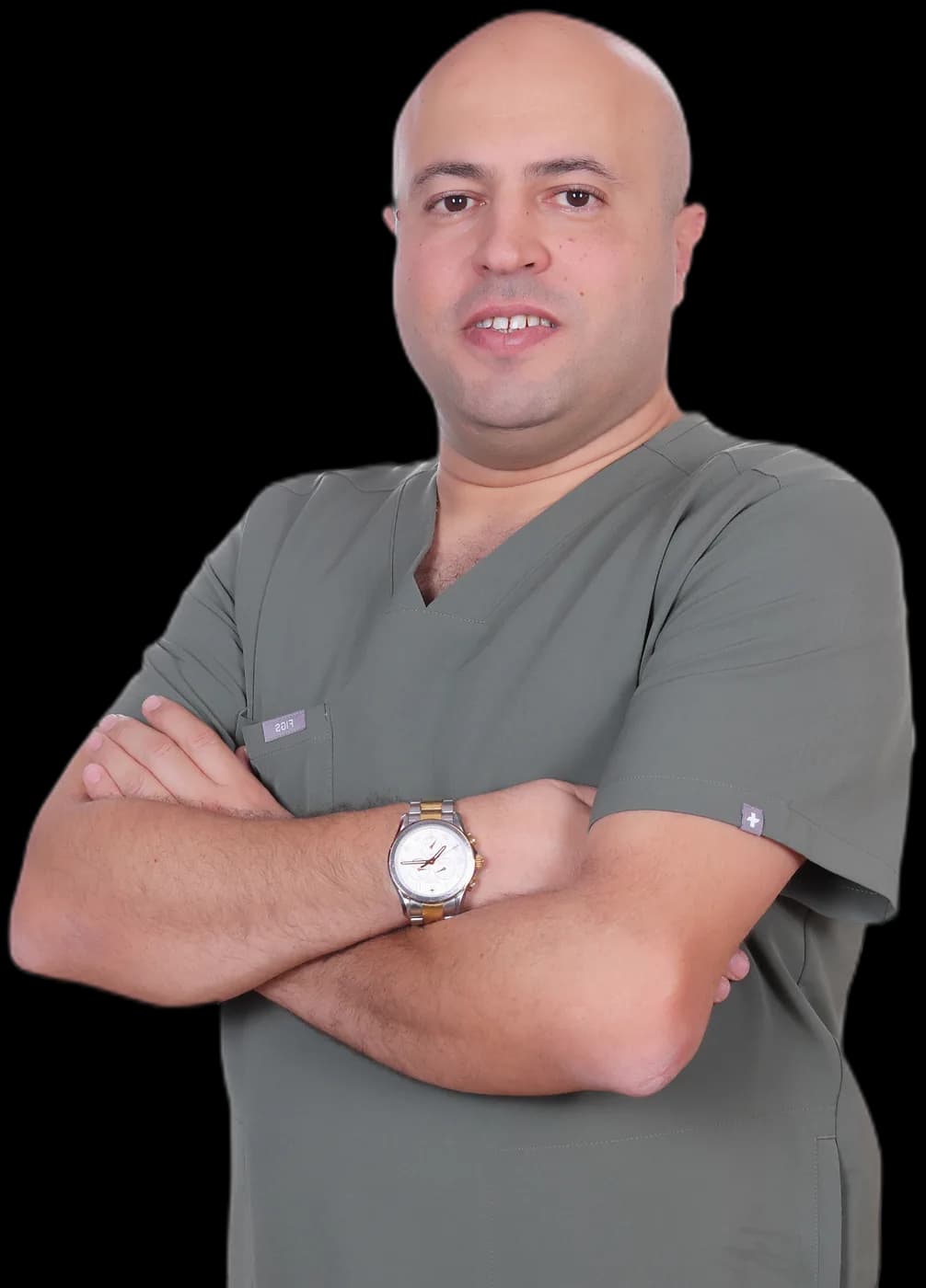
Dr. Marwan Ibrahim Al Halalmeh is an ENT specialist with Jordanian Board certification and higher specialty training. Following work at the Royal Medical Servic…
Which doctors are listed for Tonsillectomy in Jordan?
There are currently 1 doctor profiles linked to Tonsillectomy on ClinicsJo. Review the listed services and contact the practice to confirm availability with the doctor and branch you choose.
How can I find an appointment for Tonsillectomy?
Start with an available doctor's profile and use the contact or booking options shown there. Confirm the service, practice location and appointment time with the clinic. If this list is empty, broaden your search using the directory links on this page.
What does Tonsillectomy cost in Jordan?
Ask the practice for the current price and what it includes. A consultation fee shown on a profile is not necessarily the price of a procedure, tests or follow-up. Confirm any additional charges and insurance arrangements before your visit.