Jordan Hospital and Medical Centre Outpatient Clinics
Sign in to the platform to view the phone number
Consultation fee30 JD
Trusted medical platform in Jordan
Searching for the best trauma & fracture surgery specialists in Amman? This page lists seven orthopaedic doctors whose ClinicsJo profiles include fracture care. They are ordered by how complete and checkable their published information is, not by clinical skill or results. You can compare their qualifications, fracture-related services, clinic areas, opening hours and listed insurers, then use the guidance below to prepare for your first appointment.
| # | Doctor | Area | Suits | Profile score |
|---|---|---|---|---|
| 1 | Mohammed Omar Tabaza | Jabal Amman | Fractures and dislocations; Arabic, English or Italian speakers; six-day availability | 47/100 |
| 2 | Saher Al-Dabba | Jabal Amman | Complex or compound fractures, children's orthopaedic problems, foot and ankle | 47/100 |
| 3 | Abdallah Masadeh | 7th Circle | Fracture or wound assessment with a Saturday visit near 7th Circle | 47/100 |
| 4 | Ziad S. Dahabreh | Jabal Amman | Hip and long-bone fractures, knee injuries; Sunday–Thursday appointments | 45/100 |
| 5 | Ahmad Najeh Amer | Shmeisani | Fracture care plus children's, spine or foot concerns in Shmeisani | 45/100 |
| 6 | Ahmad Mohammad Abu Mahfouth | Al Wehdat | Fracture follow-up and paediatric deformity assessment in Al Wehdat | 45/100 |
| 7 | Mohammad Jamal Al-Humaidi | Wadi Saqra | Injury follow-up and sports injuries with late-afternoon slots in Wadi Saqra | 45/100 |
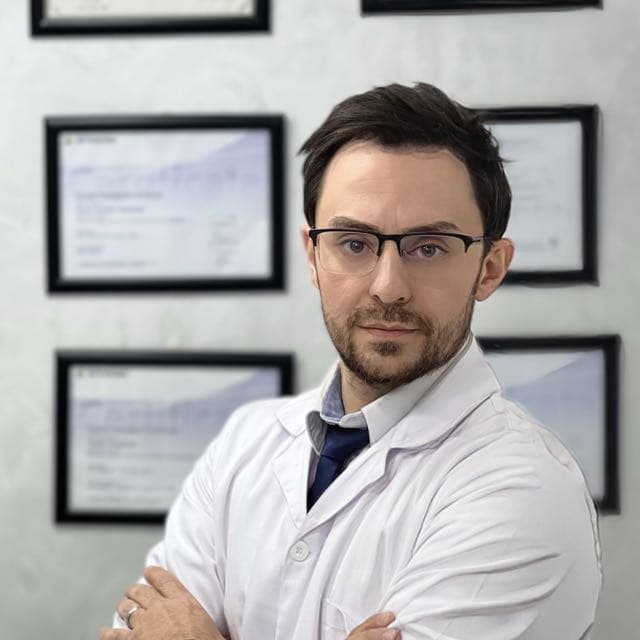
Dr. Mohammed Omar Tabaza is an orthopaedic, joint and fracture specialist who sees patients at Jordan Hospital and Medical Centre Outpatient Clinics in Jabal Amman. He studied medicine at Al-Mustansiriya University in Baghdad and trained in orthopaedic surgery at Jordan Hospital. He holds the Jordanian and European Boards in Orthopedics and Traumatology, with fellowships in hip replacement in Exeter and joint replacement at the Rizzoli Orthopaedic Institute, University of Bologna. His services include surgical and nonsurgical fracture treatment, ligament and meniscal injuries, shoulder dislocation, knee arthroscopy, joint injections, and hip and knee replacement. He speaks Arabic, English and Italian. Hours run Saturday to Thursday, 10:00–17:00, and 12 insurers are listed.
Suits: Fractures and dislocations; Arabic, English or Italian speakers; six-day availability
Dr. Saher Al-Dabba is a consultant orthopaedic surgeon based at Al Khalidi Medical Plaza in Jabal Amman. He graduated from Misr University for Science and Technology and obtained the Jordanian Board in orthopaedic surgery in 2015. He has also completed advanced courses in fracture surgery and joint arthroscopy. His biography says he previously worked at Al Bashir Hospital and Johns Hopkins Aramco Healthcare. Listed services include complex and compound fracture fixation, cruciate ligament reconstruction, knee and shoulder arthroscopy, and joint replacement. He also lists childhood hip dysplasia, clubfoot, carpal tunnel and foot and ankle surgery. Hours are Saturday to Wednesday 09:00–18:00 and Thursday 09:00–13:30. Twelve insurers are listed.
Suits: Complex or compound fractures, children's orthopaedic problems, foot and ankle
Dr. Abdallah Masadeh is an orthopaedic and joint surgery specialist. He graduated in medicine from Jordan University of Science and Technology and holds the Jordanian Board in orthopedics. His record also lists an orthopaedics fellowship registered with the Jordanian Ministry of Health. In Amman he sees patients at JoSante Healthcare Center at the 7th Circle. His published hours there are Saturday, 10:00–17:00, so confirm the appointment with the centre before visiting. His services include fracture assessment and surgery, traumatic wound care, sports injuries, and knee ligament and meniscal injuries. He also lists knee and shoulder arthroscopy, hip and knee replacement, and carpal tunnel care. Twelve insurers are listed.
Suits: Fracture or wound assessment with a Saturday visit near 7th Circle
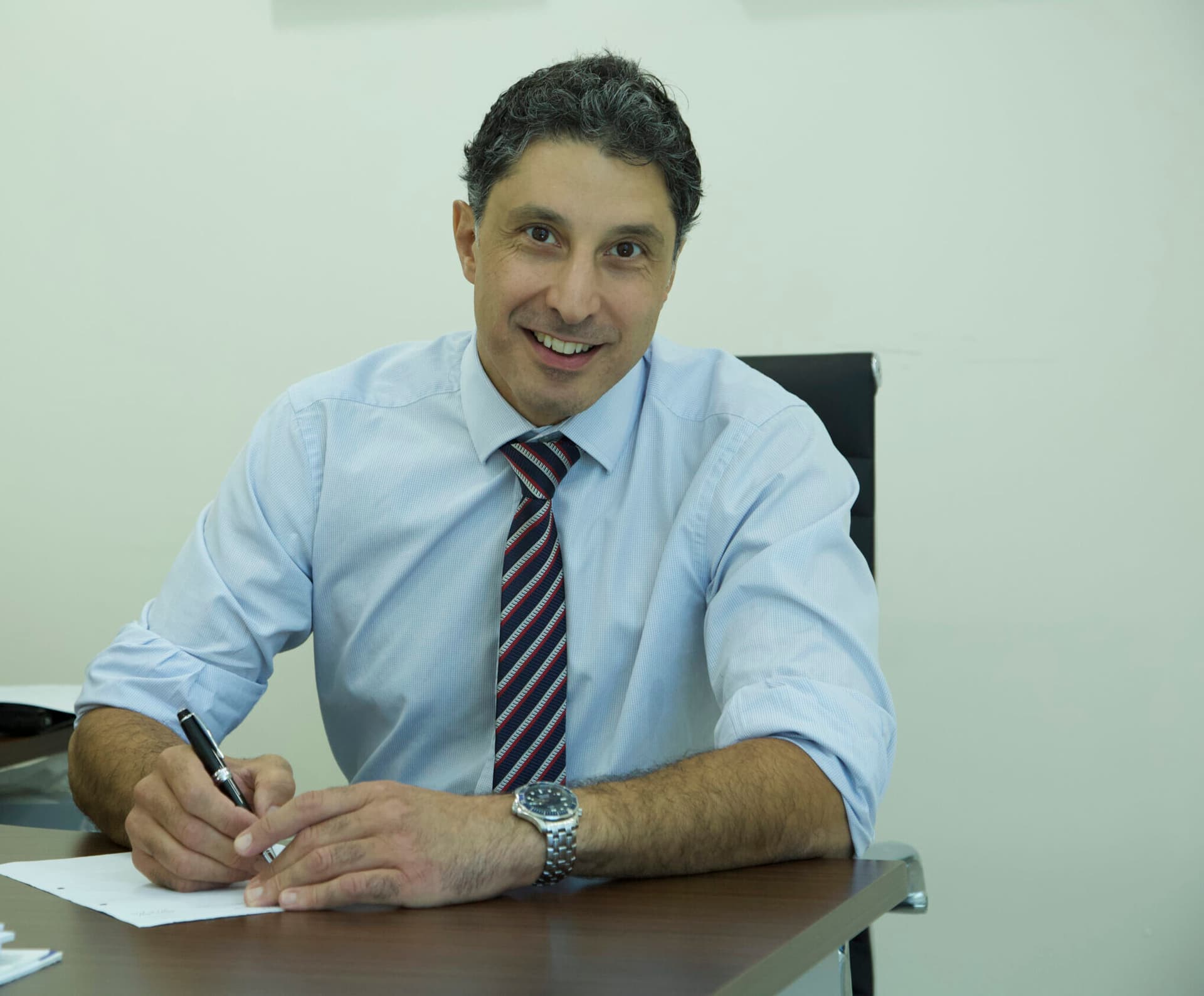
Dr. Ziad S. Dahabreh is a consultant trauma and orthopaedic surgeon. He studied medicine at the University of Jordan and earned an MSc in Orthopaedic Engineering from Cardiff University. He holds the FRCS in Trauma and Orthopaedics, the UK Certificate of Completion of Training and the Jordanian Board. He completed knee fellowship training at Sydney Orthopaedic Research Institute and Royal North Shore Hospital, and worked as a UK consultant before moving his practice to Jordan in 2015. His services include hip fracture surgery, long-bone fracture treatment, ACL and patellofemoral reconstruction, lower-limb realignment and joint replacement. His clinic is listed in Jabal Amman, though his biography names Al Khalidi Medical Plaza, so confirm the address when booking.
Suits: Hip and long-bone fractures, knee injuries; Sunday–Thursday appointments
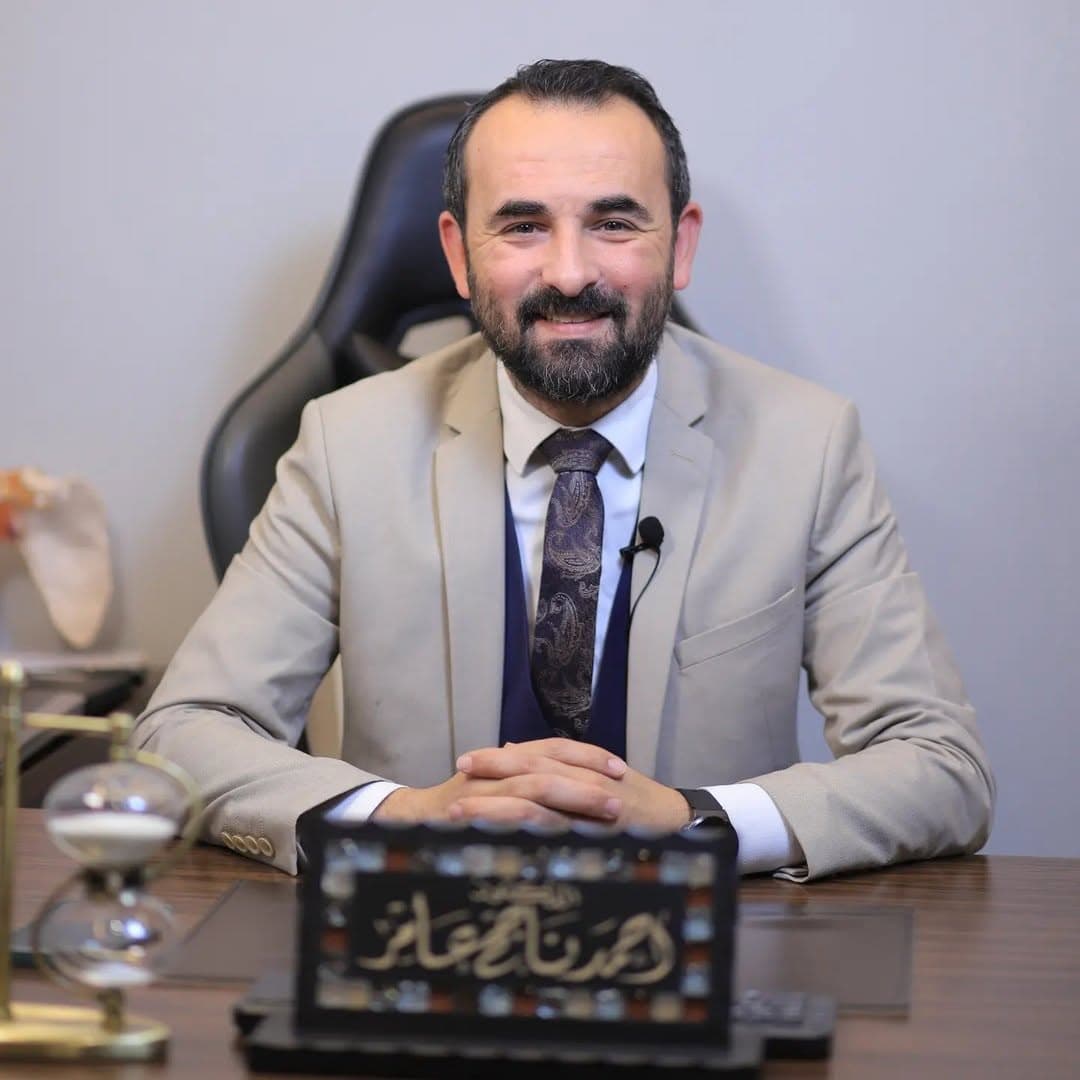
Dr. Ahmad Najeh Amer practises orthopaedic, joint and spinal surgery from his clinic in Shmeisani. He studied medicine at the University of Science and Technology in Sana'a, Yemen, and completed his orthopaedic residency at Specialty Hospital in Amman. He holds the Arab Board of orthopedic surgery and the Jordanian Board of orthopedic and fracture surgery. He has attended joint replacement and arthroscopy courses in Jordan, Germany and Turkey, and his biography mentions AO membership. His services include conservative and surgical fracture treatment, paediatric orthopaedic care and surgery, spinal assessment, nerve and tendon release, carpal tunnel treatment, and bunion and flatfoot correction. Hours are Saturday to Wednesday 10:00–17:00 and Thursday 10:00–14:00.
Suits: Fracture care plus children's, spine or foot concerns in Shmeisani
Dr. Ahmad Mohammad Abu Mahfouth is an orthopaedic and fracture surgery specialist with a clinic in Al Wehdat, Amman. He studied medicine and completed higher specialty training in orthopaedic surgery at the University of Jordan, and holds the Jordanian Board of orthopedic surgery. His listed services include fracture treatment and surgery, paediatric bone deformity treatment, arthroscopy (including elbow arthroscopy), anterior cruciate ligament repair, and knee and hip replacement. He also lists joint injections and assessment of back pain and disc problems. His biography notes that treatment is chosen according to clinical findings. The clinic opens Saturday to Thursday, 11:00–16:30, and Arab Orient Insurance is listed.
Suits: Fracture follow-up and paediatric deformity assessment in Al Wehdat
Dr. Mohammad Jamal Al-Humaidi practises orthopaedics at his own clinic in Wadi Saqra, Amman. He studied medicine and surgery at Jordan University of Science and Technology, and his record lists a specialty in orthopaedic and joint surgery. His services include fracture and injury treatment, post-treatment follow-up, sports injury treatment and arthroscopy. He also lists treatment for knee osteoarthritis, knee and shoulder injections, and back pain and disc assessment. The clinic opens Saturday to Wednesday 10:00–18:00 and Thursday 10:00–14:00, which gives later afternoon slots on most days. Arab Orient Insurance is listed.
Suits: Injury follow-up and sports injuries with late-afternoon slots in Wadi Saqra
Every matching doctor profile in this area was scored out of 100 for how complete and checkable its published information is, and the highest scores appear here in order. Featured placement does not change a profile's score, and the score does not measure treatment quality or outcomes — it tells you how much you can check before you call.
Ties are broken by the number of approved reviews, then published years of experience. Confirm the service, branch, appointment, fees and insurance coverage with the practice before visiting.
Trauma and fracture surgery is the part of orthopaedics that treats broken bones and dislocated joints. It also covers the soft-tissue damage that often comes with them, such as torn ligaments, tendon injuries and wounds over a fracture. Many fractures heal without an operation, using a cast, splint or brace with regular X-ray checks. Others need surgical fixation with plates, screws, rods or wires, depending on the bone, how it has broken and the person's overall health. The doctors on this page also list follow-up care, sports injuries and joint problems that can follow an old injury.
Book a clinic visit if you have:
Do not wait for a clinic appointment. Call 911 or go to the nearest emergency department if there is:
While you wait for help, keep the injured part still and supported in the position you found it. Do not try to straighten it.
All seven doctors list orthopaedics as their specialty and include fracture care in their published services. If you arrived looking for the best trauma & fracture surgery specialists in Amman, it is more useful to match a profile to your situation than to rely on its position in the list.
Read each published service list carefully:
If your injury involves a child, the hip of an older adult, or a joint surface, ask the clinic directly whether that type of case is managed there.
The records list boards and fellowships such as the Jordanian Board, the Arab Board, the European Board and the UK FRCS in Trauma and Orthopaedics. These show training pathways, not outcomes. If a qualification is unclear to you, it is reasonable to ask about it at the first visit.
Fracture care usually means several visits over weeks or months for X-rays, cast changes, wound checks or stitch removal. Check the published hours against your work and family schedule:
With crutches or a cast, a shorter journey matters, so the clinic area listed on each profile is worth weighing. Listed insurers range from one to twelve per profile, so check yours before booking. If you prefer to talk in a language other than Arabic or English, note that one profile lists Italian as well.
The doctor will ask how the injury happened and examine the area. The examination usually covers the skin, swelling, movement, circulation and nerve function below the injury. You may be sent for new X-rays, or sometimes a CT or MRI scan. The doctor should then explain whether non-surgical or surgical treatment is being considered, and why.
What to bring:
Questions worth asking:
None of the seven profiles publishes a consultation fee, so ask the clinic when you book. Useful questions:
Confirm the exact address, room and floor before you set off. One profile's biography names a different address from its listed clinic. Another profile recommends confirming the room and floor when booking.
Amman is a large city of around 5 million residents. Its clinics are spread across many areas, including the 7th Circle and Shmeisani, where two of the practices on this list are based. Check the area shown on each profile and allow extra time for traffic at peak hours.
If you are on crutches or in a cast, ask the clinic about parking, lift access and step-free entry. The city's large hospitals include Jordan University Hospital, King Hussein Medical Center, Al-Bashir Hospital, Specialty Hospital and Istishari Hospital. Do not assume a listed doctor operates at any of them; ask where admission or surgery would happen. In an emergency, call 911 rather than travelling to a clinic.
This page helps you compare published profiles; it is not medical advice and does not rank clinical skill. In an emergency call 911 or go to the nearest emergency department.