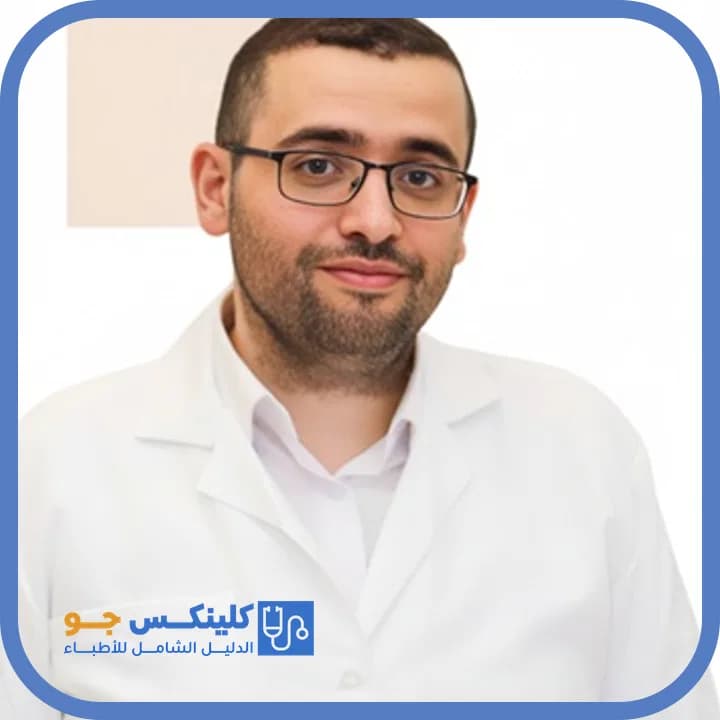
Abdali Hospital Outpatient Clinics
Sign in to the platform to view the phone number
93 viewsHours 10:00–17:00 · 6 days a weekInsurance not specified
Trusted medical platform in Jordan

If you are searching for the best cardiomyopathy treatment doctors in Jordan, this page lists eight cardiologists who publish cardiomyopathy care as a service, all with clinics in Amman. They are ordered by how complete and checkable their profiles are, not by clinical quality. Compare their training, services, clinic location, opening hours and listed insurers, then use the guide below to prepare questions before you book.
| # | Doctor | Area | Rating | Experience | Consultation | Hours | Insurance | Suits | Profile score |
|---|---|---|---|---|---|---|---|---|---|
| 1 | Fadi Thabit Al-Qaisi | Abdali | — | — | 40 JOD | 6 days · 10:00–17:00 | Accepted | Patients wanting tests and catheterization assessment at a hospital clinic in Abdali | 47/100 |
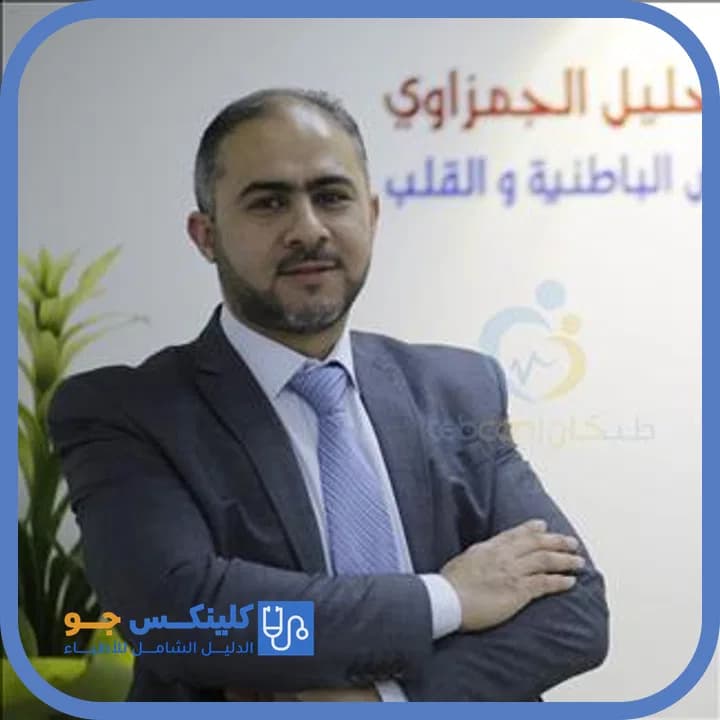
| 2 | Malek Mohammed Khalil Al Jemzawi | Gardens | — | — | — | 6 days · 10:00–17:00 | Accepted | Gardens patients wanting echo, Holter and stress testing in one clinic | 45/100 |
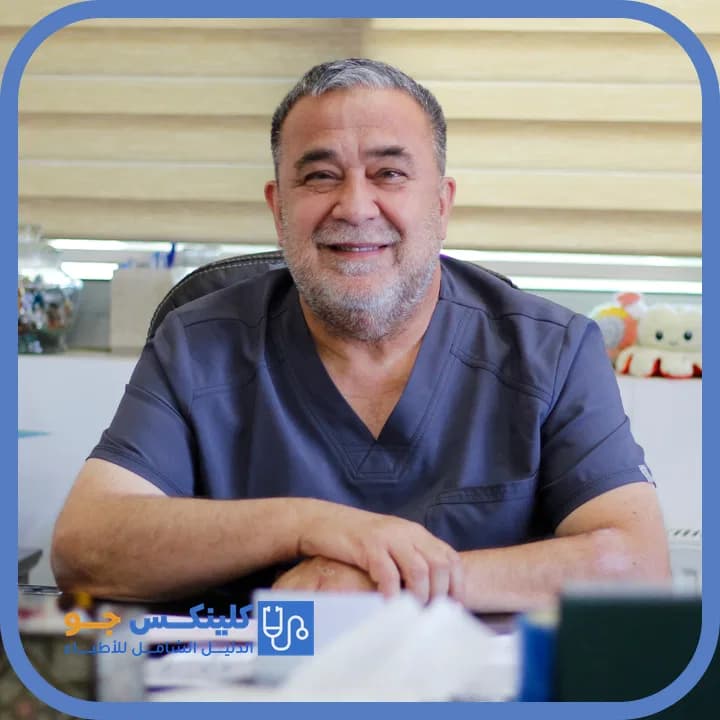
| 3 | Ashraf Hatem Qubbaj | 3rd Circle | — | — | 25 JOD | 6 days · 12:00–15:00 | Accepted | Patients near 3rd Circle who can attend midday appointments | 45/100 |
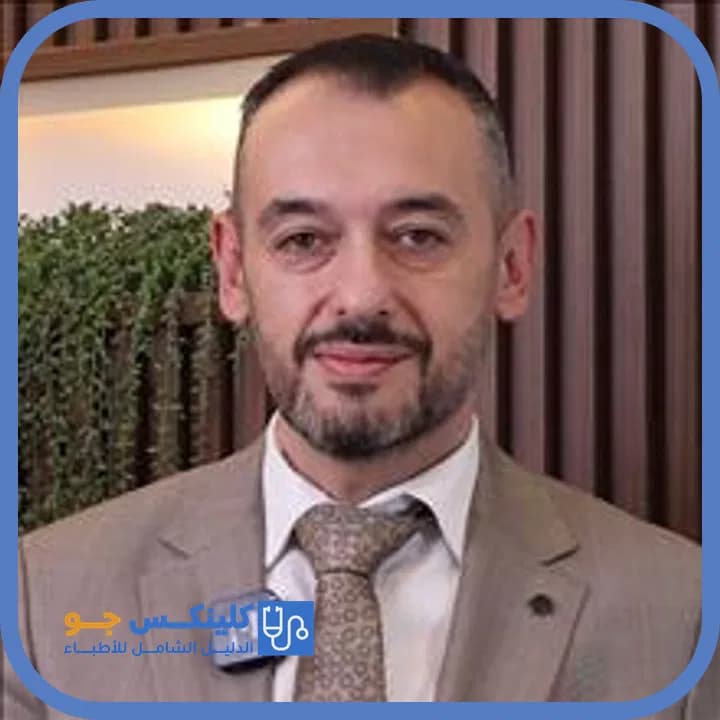
| 4 | Basil Abu-El-Haija | Shmeisani | — | — | — | 6 days · 09:00–17:00 | Accepted | Patients with rhythm problems or needing device assessment, Shmeisani | 45/100 |
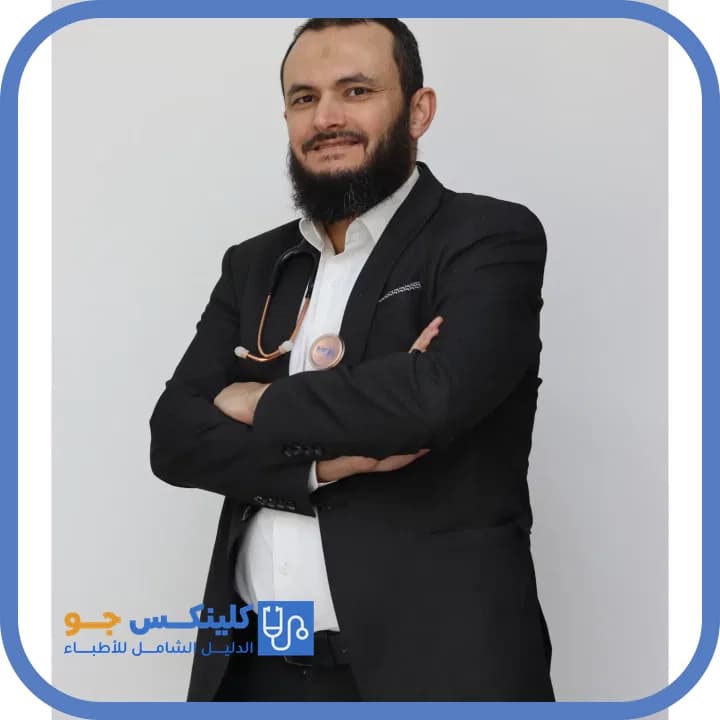
| 5 | Ammar Ali Al Awaisheh | Marj Al-Hamam | — | — | — | 6 days · 13:30–17:00 | Accepted | Marj Al-Hamam residents needing afternoon visits and blood pressure follow-up | 43/100 |
| 6 | Murad Al Kouz | Muqabalain | — | — | 20 JOD | 6 days · 10:00–18:00 | Accepted | Patients wanting later appointments until 18:00 in Al Muqabalein | 40/100 |
| 7 | Asem Nammas | Tla' Al Ali | — | — | — | 6 days · 10:00–17:00 | — | Tla' Al Ali patients needing ongoing heart failure follow-up | 40/100 |
| 8 | Yahya Shahwan | Khalda | — | — | 20 JOD | 6 days · 10:00–17:00 | Accepted | Khalda patients wanting heart failure follow-up with in-clinic testing | 40/100 |
From each profile as published today: approved reviews only, consultation fees only where the profile states them, confirmed weekly hours (the most common shift). «—» means the profile does not publish it.
Dr. Fadi Thabit Al-Qaisi is a cardiology and interventional cardiology consultant. He completed an internal medicine residency and fellowships in cardiology and interventional cardiology at Henry Ford Hospital in the USA, and lists American boards in internal medicine, cardiology and interventional cardiology. He sees patients on the seventh floor of Abdali Hospital Outpatient Clinics in Abdali, Amman, where his profile describes coronary, valve and heart muscle assessment. His services include echocardiography, ECG, Holter monitoring, exercise stress testing, diagnostic and interventional catheterization, and chronic heart disease treatment. Confirmed hours are Saturday to Thursday, 10:00–17:00. The profile lists seven insurers, including GlobeMed, MedNet and NatHealth.
Suits: Patients wanting tests and catheterization assessment at a hospital clinic in Abdali
Dr. Malek Mohammed Khalil Al Jemzawi practises internal medicine and cardiology. His biography mentions following patients with valve and heart muscle disease. He is a University of Jordan medical graduate with the Jordanian Board in Internal Medicine, and he trained in cardiology at Jordan University Hospital. His services list cardiomyopathy treatment alongside ECG, echocardiography, exercise stress testing, Holter rhythm monitoring, and diagnostic and interventional catheterization. He sees patients at his own clinic in Gardens, Amman. Hours are Saturday to Wednesday 10:00–17:00 and Thursday 10:00–15:00. Arab Orient Insurance is the insurer listed on his profile.
Suits: Gardens patients wanting echo, Holter and stress testing in one clinic
Dr. Ashraf Hatem Qubbaj specialises in cardiology and cardiac catheterization. He graduated from Jordan University of Science and Technology and trained in internal medicine with the Royal Medical Services. His biography says he worked at Queen Alia Heart Institute. His services include cardiomyopathy assessment and treatment, arterial and valve disease follow-up, coronary angioplasty, and transcatheter aortic valve replacement when indicated. The clinic is in Al Quraini Medical Complex on Al Khalidi Street, 3rd Circle, Amman. Confirmed hours are short: Saturday to Wednesday 12:00–15:00 and Thursday 12:00–14:00, so plan ahead for follow-up visits. Arab Orient Insurance is listed.
Suits: Patients near 3rd Circle who can attend midday appointments
Dr. Basil Abu-El-Haija is a consultant cardiologist and cardiac electrophysiologist focused on arrhythmias and heart rhythm devices. He received his medical degree from the University of Jordan in 2006. In the United States he completed an internal medicine residency at the University of Kansas Medical Center, a cardiovascular disease fellowship at the University of Iowa, an electrophysiology fellowship at the University of North Carolina, and advanced training at Harbor-UCLA. His services include cardiomyopathy treatment, arrhythmia medication management, catheter ablation, and pacemaker, defibrillator and cardiac resynchronization device implantation. His Shmeisani clinic is open Saturday to Thursday, 09:00–17:00. His profile notes that procedural facilities are confirmed separately. Arab Orient Insurance is listed.
Suits: Patients with rhythm problems or needing device assessment, Shmeisani
Dr. Ammar Ali Al Awaisheh practises cardiology with diagnostic and interventional catheterization. He lists Jordanian boards in cardiology and internal medicine and previous work at the Islamic Hospital. His services include cardiomyopathy treatment, echocardiography, rapid-heart-rate assessment, blood pressure and cholesterol follow-up, cardiac assessment before surgery, and catheter-based heart-attack treatment when indicated. His biography notes that catheter procedures take place at an appropriately equipped facility. The clinic is in Istetieh Complex near Al Bakri Circle in Marj Al-Hamam, Amman. Confirmed hours are Saturday to Thursday, 13:30–17:00. Arab Orient Insurance is the listed insurer.
Suits: Marj Al-Hamam residents needing afternoon visits and blood pressure follow-up
Dr. Murad Al Kouz is a cardiology specialist focused on diagnostic and interventional catheterization. His published qualifications are a cardiology fellowship at Jordan University Hospital and Jordanian boards in cardiology and internal medicine. His biography describes care for chest pain, palpitations and breathlessness, and follow-up of heart muscle, valve and arterial disease, with angioplasty and stenting when indicated. His services also include catheter-based haemodynamic assessment and cardiomyopathy treatment. The clinic is on Radio and Television Street in Al Muqabalein, Amman. Confirmed hours are Saturday to Thursday, 10:00–18:00, which helps if you need a visit later in the day.
Suits: Patients wanting later appointments until 18:00 in Al Muqabalein
Dr. Asem Nammas practises cardiology and interventional catheterization with Ibn Al-Haytham's Amman team. Patients are seen at Ibn Al-Haytham Hospital Outpatient Clinics in Tla' Al Ali. The profile lists American board credentials in internal medicine, cardiology and cardiac catheterization. Services include coronary disease and heart failure follow-up, cardiomyopathy treatment, blood pressure monitoring, risk-factor follow-up, and catheterization assessment and coordination. Diagnostic and interventional procedures are arranged after assessment at an appropriate facility. Confirmed hours are Saturday to Thursday, 10:00–17:00, which suits the closely spaced visits often needed while medicines are adjusted.
Suits: Tla' Al Ali patients needing ongoing heart failure follow-up
Dr. Yahya Shahwan specialises in cardiovascular disease and diagnostic and therapeutic cardiac catheterization. His published qualifications are the Jordanian Board in Cardiovascular Diseases, Jordanian and Arab boards in internal medicine, and a Turkish fellowship in cardiac catheterization. At Saudi Hospital Specialist Outpatient Clinics in Khalda, Amman, his consultations cover chest pain, palpitations, hypertension and heart failure. ECG, echocardiography and stress testing are used when indicated. His services also list heart rhythm assessment and follow-up, coronary artery disease assessment and cardiomyopathy treatment. Confirmed hours are Saturday to Thursday, 10:00–17:00.
Suits: Khalda patients wanting heart failure follow-up with in-clinic testing
Every matching doctor profile in this country was scored out of 100 for how complete and checkable its published information is, and the highest scores appear here in order. Featured placement does not change a profile's score, and the score does not measure treatment quality or outcomes — it tells you how much you can check before you call.
Ties are broken by the number of approved reviews, then published years of experience. Confirm the service, branch, appointment, fees and insurance coverage with the practice before visiting.
Cardiomyopathy means the heart muscle has changed in one of two ways:
Either change can lead to heart failure. This is a cardiologist's field, and finding the cause matters as much as treating the symptoms. Common causes include:
Some of these causes can be treated, and pump function may then improve.
Book a cardiology appointment if you notice:
A check-up is also sensible if a close relative has cardiomyopathy or died suddenly at a young age. The same applies if you had chemotherapy known to affect the heart, or if you became breathless late in pregnancy or in the months after delivery.
Call 911 immediately for any of these:
Do not drive yourself to hospital in these situations.
All eight profiles publish cardiomyopathy care. They differ in focus, services and practical details, so match the doctor to the stage you are at.
Ranking position reflects profile completeness only. It is not a measure of skill or outcomes.
A first cardiomyopathy assessment usually takes 30 to 60 minutes, including an echocardiogram and blood tests. Expect questions about your symptoms, family history, alcohol intake, past illnesses and medicines. An ECG is standard.
Bring:
Useful questions to ask:
Pump function is normally reassessed after three to six months of treatment. Ask when your repeat echo is planned.
None of these profiles publishes a consultation fee, so ask when you book. Five profiles list accepted insurers. Even if your insurer is listed, confirm cover with both the clinic and your insurer.
Before you book, ask:
Confirm the appointment time, as hours can change around holidays.
This is a Kingdom-wide list, and each profile states its own city and district. Check the address on the profile before you set off.
No clinic on ClinicsJo has published a price for Cardiomyopathy treatment yet, so we do not quote an estimated figure. What is published is the consultation fee: 20–40 JOD (profiles: 11). The doctor sets the treatment price after assessing your case.
Other doctor profiles with a published fee: 6.
Expected duration (from the procedure guide): The first assessment visit usually takes 30 to 60 minutes including the echocardiogram and blood tests, dose optimisation typically spans 6 to 12 weeks over closely spaced visits, and pumping function is normally reassessed after three to six months.
Before booking, ask the clinic for the all-inclusive price and what it covers, any extra tests or scans, how many follow-up visits are included, the payment options, and whether your insurance is accepted. You can reach them through the contact details on the doctor and clinic profiles on this page.
The figures above were published by the clinics and doctors themselves on ClinicsJo and may change. We do not estimate prices. Confirm the all-inclusive price with the clinic before booking. Offers on ClinicsJo
Prepared by: the ClinicsJo editorial team. Last updated 18 October 2026.
List data: the doctor and clinic profiles published on ClinicsJo — services, doctors, hours, insurers and addresses entered by the providers or compiled by our team from public sources. Reviews appear only after moderation, the verified badge only on profiles the platform administration verified, and no price appears unless the profile itself publishes it. Where the data comes from and how lists are ordered · Medical content policy
Health references: the health information in the guide is general and written to agree with the guidance of major health bodies. To read further or check it:
The full directory behind this list, and our other shortlists for the same topic and place.
This page helps you compare published profiles; it is not medical advice and does not rank clinical skill. In an emergency call 911 or go to the nearest emergency department.