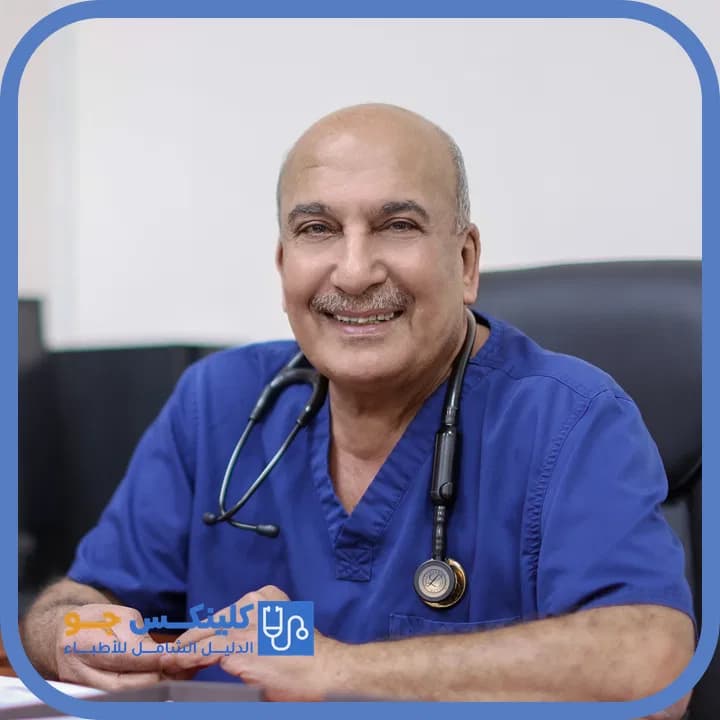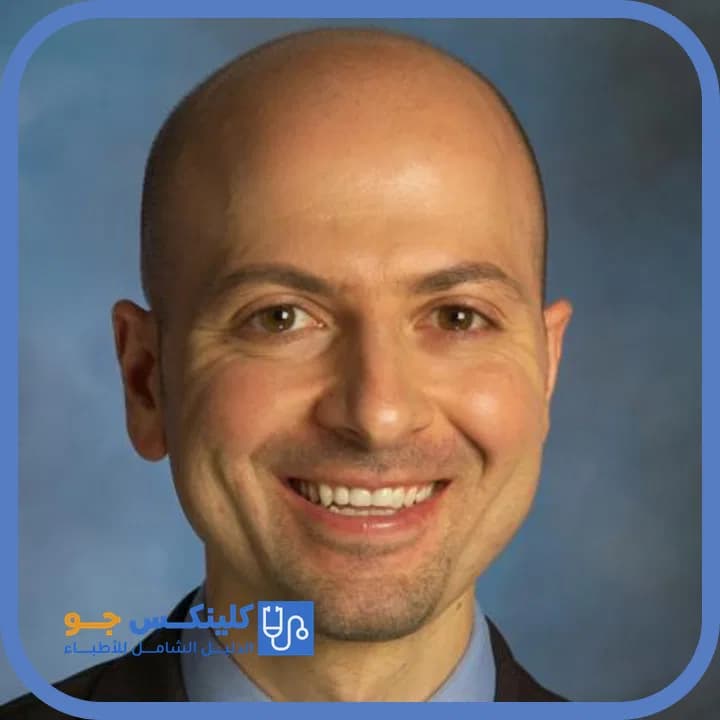
Abdali Hospital Outpatient Clinics
Sign in to the platform to view the phone number
115 viewsHours 10:00–17:00 · 6 days a weekInsurance not specified
Trusted medical platform in Jordan

If you are searching for the best interventional cardiac catheterization doctors in Jordan, this page lists six cardiologists whose ClinicsJo profiles publish this service, chosen from nine profiles in scope. They are ordered by how complete and checkable their published information is, not by clinical skill. Compare their training, services, clinic locations, hours and insurers, then use the practical guide below to prepare for your first visit.
| # | Doctor | Area | Rating | Experience | Consultation | Hours | Insurance | Suits | Profile score |
|---|---|---|---|---|---|---|---|---|---|
| 1 | Basel Al Aloul | Abdali | — | — | — | 6 days · 10:00–17:00 | Accepted | Insured patients seeking catheterisation plus CT, echo and stress testing | 47/100 |
| 2 | Munther Awni Al Saafin | Jabal Amman | — | — | — | 6 days · 10:00–17:00 | Accepted | Russian or English speakers with complex coronary or carotid questions | 45/100 |
| 3 | Imad Al Haddad | Jabal Amman | — | — | — | 6 days · 10:00–17:00 | Accepted | Coronary, valve or leg-artery concerns; Arabic or English consultations | 45/100 |
| 4 | Asem Nammas | Tla' Al Ali | — | — | — | 6 days · 10:00–17:00 | — | Tla' Al Ali-area patients needing assessment before possible catheterization | 40/100 |
| 5 | Yahya Shahwan | Khalda | — | — | 20 JOD | 6 days · 10:00–17:00 | Accepted | Khalda-area patients wanting ECG, echo and stress testing first | 40/100 |
| 6 | Qasem Al Shamaileh | Jabal Amman | — | — | — | 6 days · 10:00–20:00 | — | Evening appointments; septal defect or valve catheter questions | 38/100 |
From each profile as published today: approved reviews only, consultation fees only where the profile states them, confirmed weekly hours (the most common shift). «—» means the profile does not publish it.
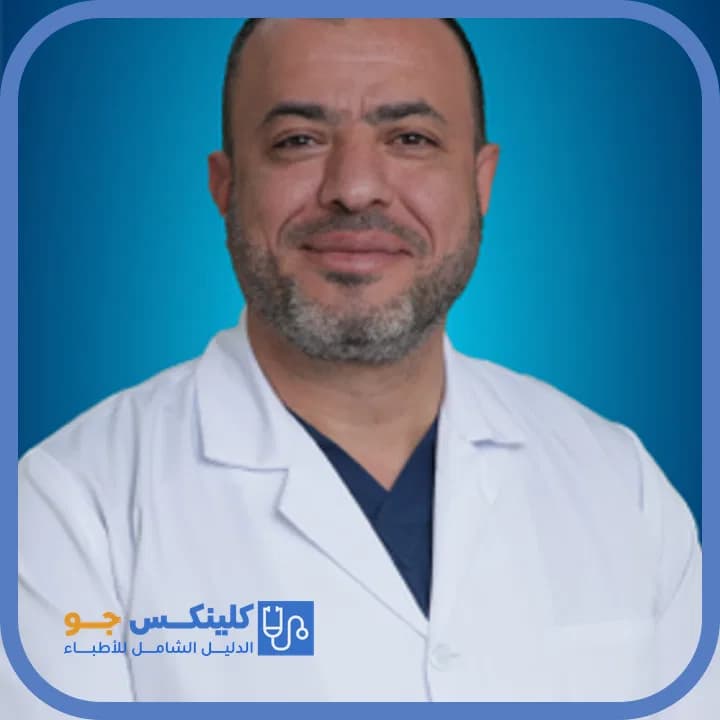
Dr. Basel Al Aloul is a consultant interventional cardiologist at Abdali Hospital Outpatient Clinics in Abdali, Amman. He studied medicine and surgery at the Royal College of Surgeons in Ireland. He then completed an internal medicine residency, a cardiology fellowship and an interventional cardiology fellowship at the University of Minnesota. His published services cover diagnostic and interventional cardiac catheterisation, echocardiography, cardiac stress testing, cardiac CT imaging, heart valve disease assessment and heart failure follow-up. The profile lists nine insurers, including GlobeMed, MedNet, NatHealth and Arab Orient Insurance. Confirmed hours are Saturday to Thursday, 10:00–17:00.
Suits: Insured patients seeking catheterisation plus CT, echo and stress testing
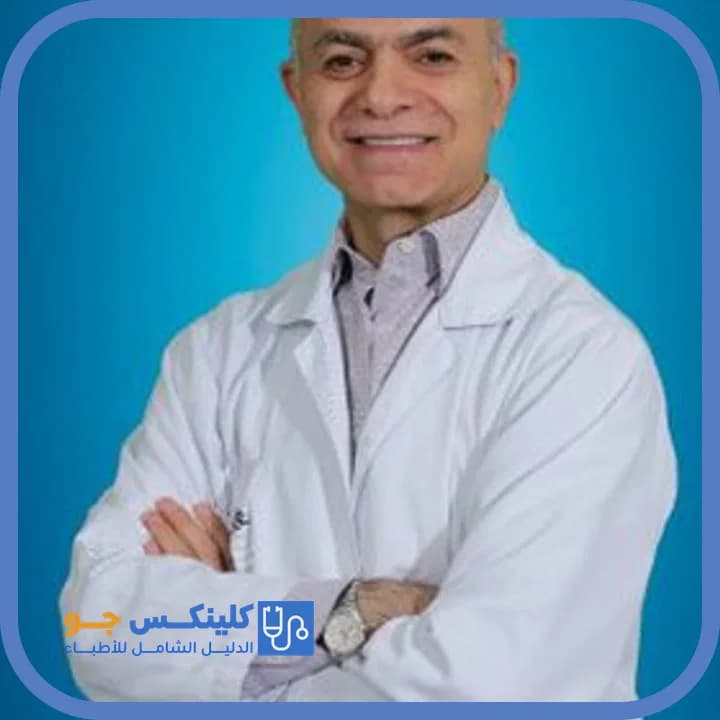
Dr. Munther Awni Al Saafin practises cardiology at Jordan Hospital and Medical Centre Outpatient Clinics in Jabal Amman. He studied medicine at Kuban Medical Academy in Russia, trained in internal medicine at Islamic Hospital and completed a cardiology fellowship at Jordan Hospital. His biography lists interests in complex coronary intervention, chronic total coronary occlusion, valve disease and vascular conditions. His published services include angioplasty and stent placement, transcatheter aortic valve replacement (TAVR), carotid artery catheterization and assessment of aortic stenosis. He lists English and Russian as languages and Arab Orient Insurance as an insurer. He sees patients Saturday to Thursday, 10:00–17:00.
Suits: Russian or English speakers with complex coronary or carotid questions
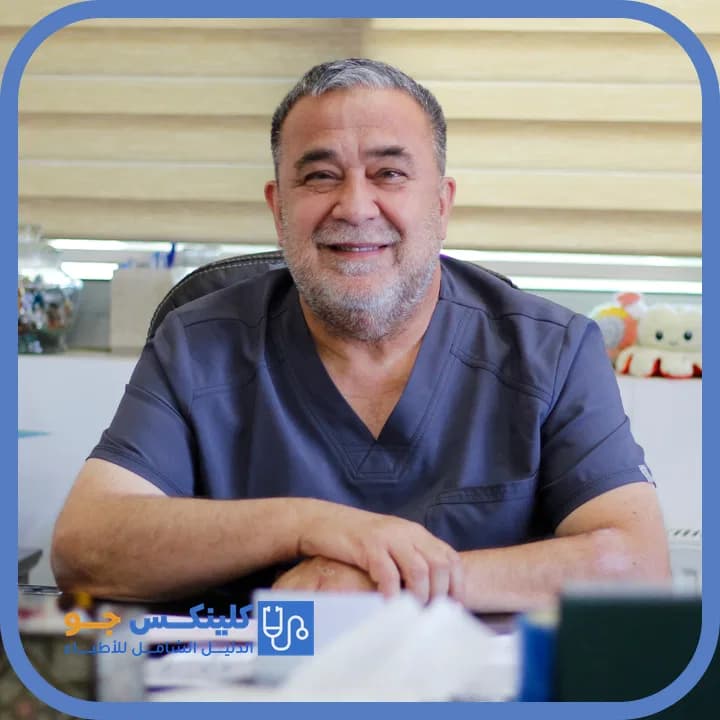
Dr. Imad Al Haddad practises cardiology and interventional cardiovascular medicine at Jordan Hospital and Medical Centre Outpatient Clinics in Jabal Amman. He studied medicine at the University of Jordan (1987). He then trained at Stony Brook University in internal medicine (1992) and cardiology (1995), at Tufts University in vascular medicine (1998) and at Johns Hopkins University in interventional cardiology (2000). His services include angioplasty and stent placement, TAVR, aortic stenosis assessment, carotid artery disease review and peripheral arterial disease follow-up. He consults in Arabic and English and lists Arab Orient Insurance. He sees patients Saturday to Thursday, 10:00–17:00.
Suits: Coronary, valve or leg-artery concerns; Arabic or English consultations
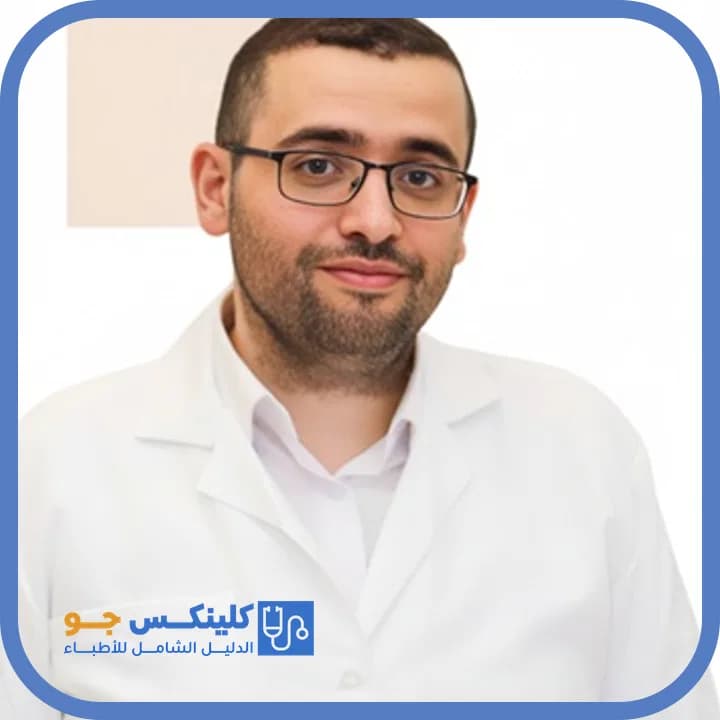
Dr. Asem Nammas practises cardiology and interventional catheterization with the Ibn Al-Haytham Hospital Outpatient Clinics team in Tla' Al Ali, Amman. He holds American board credentials in internal medicine, cardiology and cardiac catheterization. His consultations assess chest pain, palpitations, blood pressure and cardiovascular risk, with follow-up for coronary disease and heart failure. His services also include cardiomyopathy treatment, blood pressure monitoring, and diagnostic and interventional cardiac catheterization. His profile notes that interventional procedures are arranged after assessment at an appropriate facility. Confirmed hours run Saturday to Thursday, 10:00–17:00.
Suits: Tla' Al Ali-area patients needing assessment before possible catheterization
Dr. Yahya Shahwan specialises in cardiovascular disease and in diagnostic and therapeutic cardiac catheterization at Saudi Hospital Specialist Outpatient Clinics in Khalda, Amman. His published qualifications are the Jordanian Board in Cardiovascular Diseases, Jordanian and Arab boards in Internal Medicine, and a Turkish fellowship in cardiac catheterization. His consultations cover chest pain, palpitations, hypertension and heart failure, supported by ECG, echocardiography and exercise stress testing when indicated. His services also include heart rhythm assessment and follow-up and cardiomyopathy treatment. Confirmed hours are Saturday to Thursday, 10:00–17:00.
Suits: Khalda-area patients wanting ECG, echo and stress testing first
Dr. Qasem Al Shamaileh is a consultant in cardiology and interventional cardiology. He founded Al Shamaileh Cardiology Clinic in Jabal Amman in 2009. He previously worked in the Royal Medical Services and in university clinical teaching, and lists advanced peripheral intervention training at Ochsner, Louisiana. His services include coronary angiography, interventional cardiac catheterization, catheter closure of atrial and ventricular septal defects and transcatheter aortic valve replacement. They also include echocardiography, transesophageal echocardiography, Holter monitoring and 24-hour blood-pressure monitoring. Confirmed hours are Saturday to Thursday, 10:00–20:00. His profile advises confirming with the clinic where hospital-based procedures take place.
Suits: Evening appointments; septal defect or valve catheter questions
Every matching doctor profile in this country was scored out of 100 for how complete and checkable its published information is, and the highest scores appear here in order. Featured placement does not change a profile's score, and the score does not measure treatment quality or outcomes — it tells you how much you can check before you call.
Ties are broken by the number of approved reviews, then published years of experience. Confirm the service, branch, appointment, fees and insurance coverage with the practice before visiting.
Interventional cardiac catheterization treats a problem inside the heart or its arteries from within the blood vessel. A thin, flexible tube (catheter) goes in through an artery at the wrist or upper thigh and is guided to the heart under X-ray. A diagnostic study only takes pictures. In an interventional procedure, once the cardiologist finds a significant narrowing or blockage, they treat it in the same session. They may widen it with a balloon, place a stent or reopen a closed artery. It is usually done under local anaesthesia while you are awake, without opening the chest.
The usual stages are:
The intervention commonly takes 30 to 90 minutes. Complex or heavily calcified cases can take two hours or more. After wrist access, monitoring usually lasts 4 to 6 hours. An overnight stay is common after groin access or in emergencies.
Common reasons a cardiologist considers this procedure include:
Some doctors on this list also publish catheter-based valve or structural procedures. Examples are transcatheter aortic valve replacement (TAVR) and closure of septal defects. Whether any procedure is right for you can only be decided after a specialist assessment.
Book a cardiology visit if you have any of these:
Call 911 straight away if you have pain, pressure or heaviness in the centre of the chest that lasts more than a few minutes, or that spreads to the arm, jaw, neck or back. This is especially urgent with sweating, nausea, breathlessness or light-headedness. Also call 911 for fainting or sudden severe breathlessness. Do not drive yourself, and do not wait for a clinic appointment.
People looking for the best interventional cardiac catheterization doctors in Jordan often compare names alone. Comparing what each profile actually publishes is more useful:
Getting a second opinion before a planned (non-emergency) procedure is reasonable and common.
The first appointment is usually a consultation, not the procedure itself. The cardiologist reviews your symptoms, history and previous tests. They may examine you and request an ECG, echocardiogram, stress test or blood tests. Then they explain whether catheterization is worth considering and what the alternatives are.
Do not stop or change any medicine before the visit unless a doctor tells you to.
None of the six profiles publishes a consultation fee, so ask the clinic directly. Dr. Al Aloul's profile lists nine insurers. Dr. Al Saafin and Dr. Al Haddad list Arab Orient Insurance. The other three profiles list no insurers, so ask their clinics.
Before booking, ask:
Doing this before the visit avoids surprises if a procedure is recommended.
This is a Kingdom-wide list for Jordan, and each profile states its own city and district. Check the address and map location on the profile before you set off. The place where a procedure is done may differ from the consultation clinic, so confirm it in advance. After catheterization you should not drive yourself home. Arrange for someone to collect you, especially if you may stay overnight. If chest pain starts while you are on your way to any appointment, stop and call 911.
No clinic on ClinicsJo has published a price for Interventional cardiac catheterization yet, so we do not quote an estimated figure. What is published is the consultation fee: 20–40 JOD (profiles: 11). The doctor sets the treatment price after assessing your case.
Other doctor profiles with a published fee: 6.
Expected duration (from the procedure guide): Usually 30 to 90 minutes for the intervention itself, extending to two hours or more in complex or heavily calcified cases, followed by 4 to 6 hours of monitoring after wrist access, or commonly an overnight stay after groin access or in emergency cases.
Before booking, ask the clinic for the all-inclusive price and what it covers, any extra tests or scans, how many follow-up visits are included, the payment options, and whether your insurance is accepted. You can reach them through the contact details on the doctor and clinic profiles on this page.
The figures above were published by the clinics and doctors themselves on ClinicsJo and may change. We do not estimate prices. Confirm the all-inclusive price with the clinic before booking. Offers on ClinicsJo
Prepared by: the ClinicsJo editorial team. Last updated 18 October 2026.
List data: the doctor and clinic profiles published on ClinicsJo — services, doctors, hours, insurers and addresses entered by the providers or compiled by our team from public sources. Reviews appear only after moderation, the verified badge only on profiles the platform administration verified, and no price appears unless the profile itself publishes it. Where the data comes from and how lists are ordered · Medical content policy
Health references: the health information in the guide is general and written to agree with the guidance of major health bodies. To read further or check it:
The full directory behind this list, and our other shortlists for the same topic and place.
This page helps you compare published profiles; it is not medical advice and does not rank clinical skill. In an emergency call 911 or go to the nearest emergency department.